Episode 11
S3EP11-Daniel Simon-MissionReady Teens: How to Turn ‘I Don’t Know’ into a Plan
I knew right away Dan's main mission: he helps military‑connected teens (and honestly any kid who feels adrift) figure out who they are and build a real, faith‑rooted pathway forward — not just shove them into the nearest college funnel. We hang with Dan as he explains how he builds trust — the magic line is “Tell me about yourself,” followed by the glorious hypothetical “If money were no object, what would you do?” — and then he backwards‑designs experience, shadowing, and plan B options so young people can test, fail, pivot, and actually learn. I love how he blends decades of school leadership with a relational, pastoral lens: it’s coaching that’s equal parts common sense, tough love, and scripture‑anchored steadiness (no heavy proselytizing, just integrity). We talk about the real villains in this tale — helicopter parents, “college by default,” and fear of failure — and Dan gives sensible antidotes: curiosity, family conversations, and letting kids scrape a knee so they learn to get back up. The episode is full of practical gold nuggets — from how to open a dialogue with a teen to designing vocational experiments — delivered with warmth and a couple of chuckles. If you want your kid to be more resilient, purposeful, and mission‑ready (and maybe to stop defaulting to “just go to college”), this conversation is your cheat sheet to getting started.
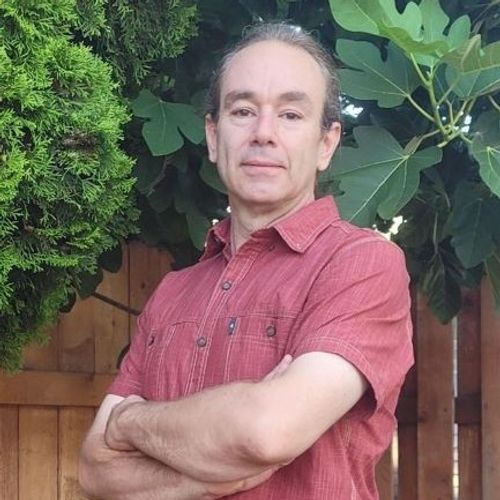
Daniel has over 30 years of experience in public, charter, and private education, with more than 25 years in school, district, and/or organizational leadership roles, including Principal, Director, and Superintendent. Simultaneously, he has been a higher education instructor, serving in-person, virtual, and correctional center environments. In addition, Daniel holds multiple coaching certifications and functions as a professional development facilitator, leadership mentor, and vocation/college/career advisor (including faith-based and military-connected clients). Daniel and his wife of 30+ years are proud parents of 6 college graduates, including 2 with advanced degrees and a West Point graduate. They are obsessed with their 8 (soon to be 10) grandchildren.
@dansimonsolutions on Instagram
Bringing Education Home is an educational podcast brought to you by Kristina and Herb Heagh-Avritt.
If you enjoy the show, we'd love for you to leave a rating or review on your favorite podcast app!
Please let your friends know they can listen for free on Apple Podcasts, Spotify or their preferred podcast app or online at Bringing Education Home.
Sponsored by Vibrant Family Education - creating Happy, Healthy and Successful kids
Follow us on these socials:
Facebook Group - The Family Learning Circle
Facebook Business Page: Vibrant Family Education
Support Bringing Education Home
Copyright 2026 Kristina & Herb Heagh-Avritt
This podcast is hosted by Captivate, try it yourself for free.
Transcript
I now have the pleasure of introducing Daniel Simon.
Daniel has over 30 years of experience in public, charter and private education with more than 25 years in school, district and or organizational leadership roles including principal, director and superintendent.
Simultaneously, he has been a higher education instructor, serving in person, virtual and correctional center environments.
In addition, Daniel holds multiple coaching certifications and functions as a professional development facilitator, leadership mentor and vocation college career advisors, including faith based and military connected clients.
Daniel and his wife of 30 plus years are proud parents of six college graduates, including two with advanced degrees and a West Point graduate.
They are obsessed with their eight soon to be ten grandchildren.
Welcome Daniel.
Daniel Simon:It is a pleasure to have you here today.
Herb:Looking forward to this conversation.
Daniel Simon:Oh, me too.
Me too.
I mean, I thought we could have recorded our pre conversation and we'd have a whole episode in that alone.
This is great.
Kristina:Yes, we could have.
Exactly.
And that's one of the thing I love when we get together and we have conversations and I, you know, I always vet our speakers.
Right.
We always vet whoever's coming on the show.
I want to make sure that our family is getting the best information possible when we're giving it to them.
Of course things change, but that's part of the learning process as well.
So, Dan, tell us about the passion.
What is it about this series of life events, the principal, the college, all this.
What is this passion about learning, achieving and growing that made it your life work?
Daniel Simon:Yeah.
Wow.
Well, you won't find any passion in me at all in this conversation today.
I just promise that, you know, if you have insomnia, you'll, you'll be.
I'm the wrong guy, let's just say that.
So for me, God.
Look, God gifted me with the ability to be a connector, to be a communicator, to be a collaborator.
And so in school leadership, I was never a sit in the office.
It was always from the time that I started teaching to the time I started leading, it was always about being in the trenches and engaging.
And so as I was coming to the end of my career, which was hard, I mean, you know, when you know what, you just, you know, you're good at something and you've been doing it a long time.
It's like, and you think about what's next and you just don't want to think about it again.
God just steered me in a direction of starting to focus on working more one on one, small groups.
But I, I could never really get away from adolescence.
Like that was just like I'd been called an Adolescent whisperer.
Right.
I had a way of kind of connecting with adolescence in, in ways others, others couldn't.
So I started by thinking, well, maybe this college application process, helping kids learn how to do their common app and write their essays and all was great.
And I partnered with a guy and learned a lot.
But in that process, I really found my niche, which, again, I think I needed time to grow the clarity.
And I found that, you know, kids who are just needing help with that, there's a lot of people out there who can do that.
But for me, I am more interested in the kid who has no idea what they want to do and helping them figure out who they are, helping them figure out who God created them to be, helping them understand what are they passionate about, what do they love, what are they good at, what are the different pathways to be successful in whatever that is.
And then because of my connections to the military, first through my son and then through just growing my network, I really landed in this space of helping military connected kids in this area.
Just, you know, they're, they're, they're often forgotten.
They're often schlepped from town to town and place to place and, and start over everywhere they go.
And so while I do it broadly, I've really started to grow my repertoire, if you will, within the military connected space.
And I just love it.
I find such great fulfillment in it.
After all those years, I just, I can't get away from nurturing and coaching and advising teens.
So that's my story.
I'm sticking to it.
Herb:Yeah, I got a lot out of that one.
It's like, I wish I had met you younger because I am still trying to figure out what I want to do when I grow up.
Daniel Simon:Hear that all the time, Herb.
Herb:There has been so many times where I have done stuff because it just seemed to be the path that I was going and I ended up there.
But there hasn't been any passion in the stuff that I do.
And, and then when I finally did get passionate about something, I got smacked in the head and that got knocked out of me.
So lots of weird things.
The military, the, the why they're called military families is they're so used to traveling around and around that military kids are just kind of almost expected to go into military because that's the life they, they know.
And so to be able to insert yourself in there and give them choices.
Ooh, that sounds awesome.
Um, also, you know, the military, I was never in the military, but, you know, we were very heart centered towards Them because when after I damaged my head, I got to go through some experiences at a, at a facility that mostly dealt with, with military and laying on the mat, going through those, those experiences with, with soldiers and watching what they had to go through and how, how that affected me as well.
It's like so, so much of what I do is thank you for your service and how can I help you.
And so, so much of what we, we do is, is somehow related to that.
So, so thank you for, for giving those, those kids so much more choice.
And so I'm.
And I lost my question in the middle of that again.
I do that a lot.
Daniel Simon:All right, so that's all right.
Herb:So yeah, all of the stuff that you're saying, it so necessary, it's so important and it's so vital and, and it's such a natural way you came in it.
So many people try and force their way into it and the, that just falls apart because they're not in it for the right reason.
Daniel Simon:So yeah, I've had to learn, Herb.
I mean, I think that was part of the finding the niche thing, right?
I mean, when we start, you know, again, without a business background, I don't really think I have an entrepreneurial bone in my body.
Right.
And so starting an LLC and figuring out the first question of who's your ideal client, you know, that avatar.
And for me it was like, I don't know, I mean, I guess anybody who wants my help, right.
And I think I was told, yeah, that's not really a great business model.
Right.
So it's taken me seven years and God has taught me a lot in the process of kind of honing in and weeding down.
And I think it really hit me in my last job as a full time administrator, which was here in North Carolina in the Fort Bragg area, where I had kids in my school that I would sit down with that were military kids.
And when I would start to have the conversation with them, to hear them say things like what does it matter what I want?
Like I'm like in another year I gotta, I gotta move again.
I gotta start all over again, make new friends again.
So it's almost like this give up mindset.
And that really crushed me, especially knowing that I had not only a son, but a son in law and a future grandkids that are going to be in this military connected space.
And I want them, by the time they're in that space, I want them to have the same kinds of resources that I'm hoping to provide in guiding these students along that journey.
And it's not a.
It's not a program, and it's not a template.
It's relational.
It's getting to understand first, getting to know you, getting you to trust me, that I really have your best interest in mind.
And then.
Then there's the sky's the limit after that.
Herb:And the Bible is filled with stories of collapse and ruin.
When you start ignoring the veterans, the widows and the orphans, and the military creates so much of that.
And so, yeah, what you're doing is incredibly important.
That's kind of how we started out, wanting to serve those three communities very specifically.
And we haven't found that niche yet, but we're.
We're still supporting and working our way into that because, again, it's in our heart and.
And still massaging around the outside.
Kristina:So what's one of the first questions you ask one of these young adults, almost young adults, whenever you get ready to work with them?
How do you kind of build that trust?
Because, I mean, we have lots of coaches, lots of people on our podcast is like, what makes you kind of maybe stand out or connect with them a little bit more?
That parents say, we need to go talk to Dan because our kid really needs them.
Herb:Yeah.
Because right now, talking to adolescents, it's like, that's almost off the table for me because I get so frustrated with the way they are.
Daniel Simon:Yeah.
So I.
So I do.
I do training in this also.
And.
And one of the things that I've heard, and I'll answer your question directly, is I've walked into a room of 30 kids to lead a seminar, and I've got, within 15, 20 minutes, I've got kids sharing things that I'll hear afterwards.
A teacher say, I don't know how you did that, but we've been asking that kid for three years what they want to do and have not gotten as much out of them as you did in 15 minutes.
Right.
So.
So it starts for me.
I literally start every question.
I kind of even joke about it where I'll be like, all right, I want you to sit down.
It's a really difficult question.
You can't prepare for it, and I just want you to be.
And then they get all scared.
Herb:Right.
Daniel Simon:And then I just simply say, tell me about yourself.
That's it.
And what I find is they start asking me questions like, well, do you want to know about that?
I said, no, no, tell me about yourself.
That's it.
So what I find often is the very highly, like, in, like, intellectual, interpretive, Students start thinking like, oh, he wants to know my data.
So I'll start telling about my grades, my sat, my aps.
Right?
Herb:All that.
Daniel Simon:And so I'll receive that if that's the case, and then I'll respond and I'll say, that's all great information.
But you didn't answer my question.
Said, tell me about yourself.
Right?
Then it pivots.
I like this.
In my spare time, I enjoy this.
And when that starts, it's like the gates have been opened wide.
And now when I find something, inevitably, within the first couple of minutes, I find something I already know I can latch onto, that they light up when they talk about, or they, you know, they just.
They change.
Their whole demeanor changes.
And I'm like, that's where I'm going to build the trust in the relationship, because that's where.
And then giving them the opportunity to talk about.
I think the second question is often, if you could do anything in the future where money was not an object, what would you do?
And then they get like, oh, this is crazy.
This is.
I'm like, no, no, no.
I said money is not an object.
And.
And then it's like, wait, I can.
I can freely talk to you about the fact that I want to do, like, pyrotechnics and lead my own fireworks company.
Like, that was what one of kid.
One of those kids in one of those schools awesome wanted to talk about.
And he's like, I'm sure.
He probably told a counselor, and they were probably like, yeah, yeah, yeah, but really, you're gonna go to college.
What do you want to major in?
Like.
And so he was like, shut down.
Herb:Yep.
Right.
Daniel Simon:So I think those are the ways in which you immediately begin to open.
Like.
Like, there is no formula here.
Right?
Just talk to me.
I want to get to know you, because I can't help you find your path unless I first identify where you're passionate, where your talent is, and what you just could imagine yourself doing for the rest of your life.
Herb:That's so being seen, heard, and understood.
Those three words.
If you can help somebody get there, that launches your coaching career in any field that you want to be.
Just.
Just.
Just to sit somebody in their presence and see them, hear them, and make them feel understood.
That's.
That's the.
That's the golden ticket.
Daniel Simon:We used to say in education circles that kids don't care how much you know until they know how much you care.
Right.
I mean, I know it's.
It's true of adults, too, but it.
With Kids, it's absolutely where it starts.
And then they will, they will eat out of the palm of your hands after that.
They'll do anything, answer anything, engage in anything that you want to talk about.
So that's, that's been the formula for me and that's a gift God's given me to be able to connect with teens in that way.
Herb:Yeah.
It's cliche for a, written for a reason.
And it's hidden in the simplicity.
It's unbelievable how many people ignore that.
Daniel Simon:Yeah.
Kristina:When you were talking about that, I mean, that's some of the best.
You know, we work with coaches because we're coaches and we're trying to get better all the time, but that was some of the best coaching I ever got, was when the coach could see me light up.
It's like that way, that's the way you need to go because that's what's sitting here in your heart.
That's what makes you spark and go, oh my gosh.
And like you said, if you can do with the kids, we can do it with our adults.
Especially those who say, I don't know what I want to do.
Then you can help them figure it out.
Herb:Yeah.
Working group.
You become the most interesting person if you ask the most questions.
You don't ever talk about yourself.
You just ask people other questions and suddenly you are the most interesting person.
Kristina:They start asking questions back.
Daniel Simon:So, yeah, I would say this too, and I don't want to offend any of your listeners.
Right.
But most of the time the biggest obstacle is the parent.
Right.
Because the parent has a certain pathway that they have designated for their child and don't give them the opportunity to explore because they already have it figured out.
Right.
What pathway they're going to go on.
It breaks my heart to recall this story, but I remember distinctly as principal of a high school for 10 years that was the number one high school in the nation at one point ranked in US News and World Report, high achieving kids.
Right.
And the highest achiever of this high achieving school was going to pre med medical school.
Number one in the class all the way through.
Relatively introverted, but.
But highly successful, highly respectful.
And the long story short of it is got all the way through all the education and within a week or two of beginning their practice, had a nervous breakdown.
Never practiced medicine.
And as it turned out, it was because for all that time she was basically being told, this is what your path is going to be.
Herb:Yep.
Daniel Simon:And it was never anything she wanted to do.
And so I, I looked at that.
And I say to any parent, for the idea of them making money as a lawyer or a doctor or whatever, perhaps that's their path.
That's great.
But is it worth your child having a nervous breakdown or worse?
God forbid.
Right.
Because they're.
They've never been given an opportunity to talk about what they love to do and to see if there actually could be a path to being successful in that in the future.
Herb:As you were describing that, the movie Dead Poet Society jumped into mine.
The whole movie.
That's the whole premise of that movie.
Daniel Simon:Right?
Herb:Like, let.
Let the kids be what they want to be.
Kristina:And that's one of the things we talk about with parents a lot is because, you know, when we were growing out, it was always said, you're going to college.
That's if you ever want to be successful in life, college is the way to go.
And actually, pre show, we talked about this a little bit, things are opening back up and people are realizing that, yeah, college might not be the only way to go.
Especially if you are a hands on a kid kid.
A kid that wants to just kind of like, figure things out.
There are different options.
So what do you tell those kids, first of all?
And then when you probably finally have to talk to the parents like, you know, your kiddo might not go down the college path, how do you kind of handle that?
How do you help them out?
Daniel Simon:Yeah, that's a great question.
So, first of all, I always give the option of a parent being part of the process.
I do find that oftentimes as a coach in this realm that I've sometimes seen as like a savior to the relationship between the parent and the child, because they're just butting heads all the time.
And yes, it happens often that I might make a suggestion that the student just gets fired up and excited about and tells the parent about.
And then the parent looks at me and rolls their eyes because they say, I've actually said that to him like 35 times.
Right.
But you say it all of a sudden.
It's a great idea.
Right.
Herb:So have I ever said that to you?
Kristina:That's never happened between us.
Daniel Simon:You didn't have to go there, Herb.
But that's okay.
Herb:How come you only listen to the people?
People who don't want to be around you.
Daniel Simon:That's right.
That's right.
Herb:You can't make everybody happy.
Daniel Simon:Right.
But I. I think for me, what I really encourage more than anything else is when we find something that there's an interest in, there's got to be an opportunity to get experience in it.
Right.
Because one of two things is going to happen, right?
I'm interested in medicine.
Okay.
Let's see if we can get you to shadow somebody in private, you know, private practice.
Somebody in a hospital.
Right?
Because, like, all of a sudden you find out, oh, like, absolutely not.
Right.
Or that was so incredibly intense.
Oh, my gosh, I love.
I can't wait.
Kristina:Right.
Daniel Simon:But one of you're either going to solidify that it is the path or that it's not the path.
But can you imagine if that path is decided without any experience and now you're in college and you're paying.
Go back to my example, right?
How many years of that to decide?
Ultimately, it's not.
It's not what I want to do.
And as we were talking in about even pre show, right, like, this idea of, like, how much time and how much money do we often waste because we don't do a good enough job of figuring this out before we begin that next phase of the journey.
Herb:Another part of that is just going to college to go to college and hoping you figure out what you want to do by the end of it.
And then you're massively in debt and you become a barista.
So, yeah, there's.
There's some.
There's some serious flaws.
Daniel Simon:And so, so to the conversation about parents then, right?
It's.
It's engaging them at some point, not by telling them what their child wants to do, but because typically there.
There is a disconnect there.
It's encouraging them to have a conversation with their child.
Herb:And.
Daniel Simon:And by then, I've kind of built the child up to be able to explain everything that they've done to that point.
That has kind of confirmed for them.
They not only know what they want to do, but they know the pathway.
What does this lead to and what is it I need to do in order to get there?
If they go into their parent with the plan and they actually identify, these are the steps, this is how it's going to happen.
Two years of this, three years of that in between.
Like, what parent could then look at that and say, that's all great, but you're still gonna go where I tell you and you're still gonna do what I want you to do, right?
I mean, so it's.
It's all about preparation, gaining that experience and gaining that confirmation, you know, and what I do, I. I do.
I don't.
I don't push my faith on my clients, but I make sure that they understand that I Approach this with a faith based lens because I do.
I believe firmly that we are all called and we are all given certain gifts and part of the journey is finding that.
And, and I also have to create.
I think there's a misnomer that there that career and calling have to be aligned.
And so what I say that because I even use the biblical example of Paul because what a lot of people who study scripture, you know, they certainly know Paul's journey and they know Paul, you know, as the preacher to the Gentiles, but they don't necessarily know that Paul also had a job that put food on the table, that allowed him to do what he was passionate about and he was called.
Right.
He was a tent maker, which then meant he didn't have to go in and ask for funding.
He didn't have to go in and you know, hand around a plate for a love offering.
Right.
He could do that.
That he was called to do because he also had a career that allowed him to kind of pay his bills.
Right.
So discovering that on the journey too is really important because they sometimes we're fortunate and there are the same thing, but they don't have to be.
And I think that's what another thing that people misunderstand often about this journey.
Kristina:Well, I actually have a friend who right now she's like, I know that all I want to do is run this non profit and really help the community.
But she also knows that right now she has to keep her W2 job to be able to do that on the side until the rest of it comes through.
She's got plans, she's working towards it, but, but she knows that right now she's happy where she's at because what she's doing is paying the bills for this other thing that she's really connected.
Daniel Simon:And that's the plan.
Well, well done.
Congratulations to your friend.
That is the way.
That's how.
And that's an adult, right.
Determining that to be the case, that's an adult.
Think about a 15 year old, 16 year old, right?
I mean we've got to help them understand this on this journey.
Create that plan by first figuring out, well, what is it that you feel maybe called to do or that you love, that lights you up, that you're passionate about, that fulfills you.
Let's start there.
Maybe it aligns, but maybe it doesn't.
So we find something for you to do to pay your bills that you know at the end of the day you walk away and that allows you to then go do what you need to do with your family.
I remember going to a middle school class in one of these military communities and in talking to them and I asked again, where do you see yourself?
It's another question I'll often, I'll often ask, where do you see yourself in 10 years?
Which allows them to finish school, finish post high school and then maybe start, right?
And because the whole idea is then we have to backwards design that if you want to get there, what are we going to do?
But what's interesting is only one student on their own mentioned being married and having children as part of that plan in 10 years.
Kristina:Okay?
Herb:That was my only plan.
I went to college to find a wife.
Like I said, I never figured out what I want to do.
I was smart enough that I could just roll any direction.
I was really good at lots of things I didn't like to do.
So I went to college to find my wife and I figured I would just get a career somewhere along the way.
Daniel Simon:Because for you then the passion there really was becoming a husband and a father, et cetera.
Right?
That and, and that's a calling, isn't it?
I mean, how many people have great careers and when they just don't want to have any kids and they, they're okay with being single?
You know, that again is very scriptural, right?
That there are those who are called to singleness and that's okay.
So like all of that for me comes from a biblical lens and recognizing there is no right or wrong answer to your path, but it's your path.
And so we have to find that path and help you do all the things that are necessary to get there.
And I always, with every student talk about plan B when we're on the route for plan A, what is our plan B in case we pivot on?
If you're college, if we want to pivot on the major.
If you want to do the gap year, it is not just partying for a year.
It's take the gap year to discover and work and, and put some money aside.
Right?
There's always a plan B.
Not all figure it out when I get there, but everything has vision for what happens after that and what happens after that.
Herb:That would have been so helpful.
I'm not even sure I ever had a plan A.
Kristina:So the things I absolutely love about this though, and the way you're talking, the way you're working with the kids, that there's a definite sense of responsibility.
They're not just going to let things be happenstance, they're Going to be responsible.
They're going to make plans.
Plans.
They're flexible enough that they can make those pivots and changes.
But you're teaching them that responsibility.
And that's one thing that unfortunately sometimes in our society, our kids have all been hovered over so much or they've been like spoon fed all of this stuff that they don't take responsibility for their own actions and their own rest of the life.
Herb:Parents and parents with the teachers for grades that don't matter.
Daniel Simon:Yeah, again, I'll go back to parents.
Right.
Parent.
And again, it's a parental nature, but they don't want their children to fail.
But we know that's where the growth happens, right?
I mean we go back, I always go back to the visual of the, the caterpillar in the cocoon, right.
I mean if we think, oh that poor thing struggling and cramped in there, let me just open up the cocoon and let it out, they'll never fly.
We kill it basically, right.
I mean that what it's what it's destined to become, it's never going to become.
We have to nurture and we have to support and we have to come alongside and we have to be there when they fall to help pick them back up again.
But we have to let them make decisions that maybe they're gonna, that's gonna open their eyes to say I shouldn't have done that, but I learned my lesson.
Right.
And unless it's illegal or harmful, right.
We've gotta give them an opportunity to scrape their knee.
Right.
So I think that's why the last.
Herb:Brain change comes between 25 and 28, because that's where regret comes in.
So you can screw up and screw up and screw up and keep going and not feel the repercussions.
And then that 25 to 30 year old brain hits and you look back and it's like, wow, I was a dumbass.
And if you did that in that early 20s, it's like it's going to stop you.
Yeah.
So yeah, that, that early, that early.
Daniel Simon:The resiliency, developing it early stuff that's.
Herb:Important to fail a lot and fail fast and get as much experience as you can.
So that way when you are able to sit back and look about it, then you can plot a path.
It's like, oh, wow, look at that.
Yeah.
Daniel Simon:Yeah.
That's what the Duckworth book right.
On grit talks about so much, right.
Is that, you know, those who fail and, and pick themselves up and are resilient.
Right.
Those are, are the people that tend to be most successful because, you know, keeping our children in a bubble.
Right.
And doing things for them, ultimately we're doing them a disservice.
Herb:Yeah.
Because the first time they fail, they won't know what to do and it shuts them down.
Daniel Simon:And that, that's the tragedy of higher ed in so many ways.
I mean, again, being from a principal of a high performing school where a lot of those kids went to Ivy Leagues, you know, just, just the, the, the depression that settled in on not getting into certain schools or getting there and struggling for the first time.
I mean I, there was, I visited one of my students at a school and they had to put nets around a particular building because of the number of kids that were jumping off the building and killing themselves because they were not achieving at a level that was expected of them and that they had always performed.
And why do they have that mindset?
Because they have never been allowed to fail and grow before.
It's always had to be.
You have to achieve at this level.
And the first time they don't, they don't know how to respond.
So we've got to teach them that and we've got to do a better job of allowing it to happen and being there when they fall.
So when they are on their own, right.
They know how to handle that adversity and they can pick themselves right back up and find the resources they need to be successful again.
Herb:So us Gen Xers, we talk about the, the participation trophy crowd and it's like, and we, we kind of joke about it and tease about it, but that is actually a problem because if everybody wins and no matter even if you're losing, you still win.
So like when you get out of that bubble and you lose and you don't win, then, then there's this entitlement, there's this what's going on?
This should be.
And, and not being able to move through that shuts people down in ways that they don't grow through life.
They don't get that fulfillment.
They do end up in these anxiety and depressions.
And depression is one of the worst things that you can do to a person.
I spent years in it.
So like I, I would rather go through almost anything that, than that kind of depression again.
Daniel Simon:So helping people who never experienced it don't understand it.
Right.
They think it's really something like, oh, come on, just, you know, oh, you're.
Herb:Just sad for a little bit.
It's like, no, that's, that's not it.
Daniel Simon:It's clinical.
Yeah.
Herb:Clinical, yeah.
You stop trusting yourself, you stop trusting life.
You start thinking the universe is against you.
You start.
And then there is no possible way of winning until you somehow fight your way out of that.
And that's.
That's a rough road, too, Right.
Daniel Simon:And starting that later in life, right.
How much more challenging is that than if we help to train up, you know, young people to learn how to cope?
Herb:That's why we're here, like, we're talking to young families so parents can.
Can like, set their kids up for failure in ways that are going to cause growth instead of harm.
Daniel Simon:That's right.
Well said.
Kristina:One of the best things that we love doing when we were talking with parents, though, is like those family meetings and those times where you get to explore with your kids, right.
When they mess up instead of being on their case, it's like explore with curiosity.
What did it feel like when you did that?
What were you thinking when you did that?
Do you think there might be a better way to handle that?
And when they're engaging their own branded brain and coming towards it, and that's what you're also helping.
Herb:And what were you thinking?
Should be like, happy, not what were you thinking?
Yeah, that's how it came at me.
Right, right.
Daniel Simon:And think about that also.
Right.
Even the idea, like when kids get to be that.
That teenager age, there is this natural conflict, right?
And so a lot of parents avoid that conflict, right.
With the idea of, you know, they don't want to talk about it, they don't want to talk to you.
And so we allow that to happen and just let them go their own way.
Well, they're going to get their advice, their counsel, their information, they.
From somewhere.
In this day and age, how many people are using AI as like a therapist?
Right?
And so we've got to also recognize, like, the kid that doesn't want the relationship wants the relationship.
Right.
And so we have to still make sure we understand, like, I know you don't want to talk to me right now, but.
But we're going to sit down and we're going to have a conversation because I need to know you're okay.
I need to understand what's going on.
And then, you know, we'll figure out what resources we can provide, how I can help you.
But I'm not going to just let you be in isolation because, you know, I don't want to have conflict with you.
Like, be a parent, right?
Be a parent, love on your kid.
In a.
In a way, sometimes it has to be tough.
But I look at My, again, I look at my six children now.
Four of them, Four of them have children or are expecting one's.
Expecting a first, like.
And I watch them raise their children now, and it just warms my heart that my wife and I have been able to, over the years, like, provide that, that modeling.
Right.
That, you know, your 12 year old is, is battling that right now.
But I, but I see you and Herb, you just said it lovingly.
Say, I don't know what's going on with you right now, but the way you're talking to me, I.
There's.
There's something at the root of it.
What is it?
And lovingly, instead of creating conflict, all of a sudden tears come and opening up comes in.
The relationship gets closer and closer, and all of that matters.
It's just, it's so important and it's just easier to say you don't want to talk.
Okay, that's fine.
And that happens at 13 and then 16.
Good luck with that.
Kristina:Right.
Herb:We missed a couple.
We missed a couple with our son, and he doesn't talk to us anymore.
And so again, this is my, my one of several of my friends.
They're.
They've lost a couple of their children on the way because they don't talk to them anymore.
And again, it's, it's missing these cues.
It's not.
And so again, another big part of this is like, that is awful.
And I don't want other people to go through that either.
Daniel Simon:Well, I'll be praying the prodigal comes home.
Herb:So that's still our prayer as well.
Kristina:Yeah.
You know, talking with another teen expert, they said, you know, you don't even actually have to talk about.
You just go and maybe sit by their bedroom door and let them know you're there.
Or maybe they're playing their video games and you just go sit on the bed beside them, watch for five minutes.
Herb:And then watch for 10 minutes.
Yeah.
Kristina:And then let them know you're there.
Yeah.
Daniel Simon:I love telling this story.
My wife writes.
So you know how there are at times as parents are raising teenagers and, you know, like, there's certain things that are off limits, you can't watch that you can't write.
And so once again, what the.
Herb:Why.
Daniel Simon:Right.
As a child or teenager, if other kids are doing it, you don't understand why you're not allowed.
Maybe you're just told it's inappropriate.
Whatever.
My wife is gifted in so many ways.
Again, fortunate that she was able to really be home and raise them while I was doing all the Things we talked about.
But one of my favorite things that she used to do, especially with my oldest, when she would be watching a show that maybe had some questionable things, she would sit next to her and watch it and when it was over, she would ask her questions and they would talk about it.
Especially when it comes to things like relationships.
Like that was so cool the way that they do you think that's how relationships in real life happen?
Like that people just meet, they fall in love and everything is perfect.
Right.
And it just, it opened up a dialogue to where it was funny because my daughter at times would be watching something and my wife would walk in and, and catch something kind of controversial.
And my daughter would roll her eyes and be like, oh, we're gonna have to talk about this, aren't we?
Right?
Like, but, but she knew and it was okay for mom to be sitting there because there were, I'm sure, things she was wondering.
And now instead of being told no or learning it from someone else, she was engaging with her mother about things that were life related.
And now seeing her do that with her daughter just warms our hearts.
So that's so important in the, in that raising teens, you know, stage of life.
We can't give up on them and we can't grant them the isolation that they are looking for.
Kristina:Exactly.
Because they really don't want it.
But that's what they think they want or that's what they, the society has told them.
I mean, I come back to this all the time.
It's like people say it's the terrible twos and then they expect their kid to be terrible.
Oh, it's the moody teenagers.
And then they expected them to be moody.
Well, what if they aren't self fulfilling prophecy.
Herb:Right.
Kristina:Relationship with them.
And it isn't necessarily like that.
Daniel Simon:Yeah, Love them through it, right?
Yeah.
Yeah, exactly.
Kristina:Oh my gosh, Dan, this has been so amazing and fun.
I love talking with you and everything.
I want you to right now though, tell our audience how do they get a hold of you?
You know, you sparked something like my kid needs Dan, how they get a hold of you?
How do they find out more about you?
Daniel Simon:Well, thank you for that.
So I try to make my, my website pretty straightforward.
It's Dan SimonSolutions.com that talks about a lot of the different things I do with coaching, with leadership coaching as well as executive coaching, which I, I do and I, and it, it's a blessing to me to do it.
But I have a piece on there that is specific to my vocation college and career coaching, particularly the military.
And that site is missionready teens.com.
So missionready teens.com is geared to the military family, but that gets you also to the website to get to know a little bit more about me, a little bit more about my background, a little bit more about my family, a little bit more about what I do.
And, and I always offer the free consultation because to me, I want to make sure you know that I'm the right person for you and your child.
And quite honestly, I got to know that you're a good match for me because I'm going to bring a faith angle into our conversation.
And I got to know you're okay with that.
Right.
Doesn't mean you have to be, but you have to know that I am.
And so it's okay, you know, if that's okay and everything works.
I'll be honest with you.
I have never had anyone say that they didn't want to work with me for that reason.
I think if anything else, they have felt that being grounded in that tells them that even if they don't believe it, they know that I have a consistency and a base for my counsel and my coaching.
That is, there's an appeal to that and it's completely relational.
So if people go to that site, there, there's a phone number, there's an email.
My email is dan SimonSolutions.com I just, I love engaging with parents and with teens and till the Lord calls me home or I completely lose my effectiveness, I'm going to keep on doing it.
Kristina:Beautiful.
And of course everything's down in the show notes, so just click and follow along.
Herb:And as you were saying that and what you were talking about, it's like.
And they will know you through your works.
And so yeah, the, the that faith based movement, which I hope I can be considered part of, it's like when you work with someone like that, there's just a different level of integrity and a trust that you can put in that.
And that's just makes the things so much more steady and even so.
Thank you.
Thank you.
Daniel Simon:Yeah.
I would even say to you like that has been especially 25 years as a public school leader.
Like to me it's always been about, I need you to say see it in me so that there's something that draws you to me so that when the question comes, what's different about you or why are you able to do or how do you handle that?
That way that opens the door for me to share my faith I don't have to beat you over the head with it.
Right.
It's going to come out in the.
Herb:Relationship comes out in a question endeavor comes out being pushed.
Daniel Simon:Right, Right.
Kristina:So we're starting to wrap up here.
Is there anything that you had written down over on the sides, like, oh, I want to make sure I talk about this, or do you have any final words for our audience as we're starting to wrap up?
Daniel Simon:Yeah, I would just say it's never too late to start.
Right.
I mean, you know, you might be, you might have a 17 year old, you might have a 22 year old right at home and you're just like, I, I just don't know what to do.
And if I invited them to have a conversation with you, they probably wouldn't do it.
Well, the only, I tell kids all the time.
Right.
The only guaranteed no is the question you don't ask and the thing you don't try.
Right.
You.
So let's just start, like, let's just start a conversation.
Let's try to understand what it is that might be holding back your child and let's see if there's an opportunity, a possibility that with, with prayerful Holy Spirit intervention that we might be able to make some headway again.
I would just tell you, I, I don't mean it in any way to be a braggadocious, but there's very few students over the course of my career, I've been doing this a long time that I have not been able to connect with and move forward in some way, not necessarily to the final outcome, but to move them in a direction where I can turn over the steering wheel.
They've got it from here.
And that's why I believe the Lord's called me.
And I do believe that there are many, many more students out there that he still wants me to reach.
And your podcast might be the opening to one of them.
And so I'm grateful for the opportunity to be on the show with you.
Kristina:You're very, very welcome.
Thank you for being here.
Herb:That's one of the things I say.
It's like, I go on podcasts and just, just in case that one person that listens to this isn't going to get it from somewhere else.
And I can help somebody out of that darkness with the brain training that I can help them with.
It's like if I just get one more person, then the entirety of existence gets a little bit better.
Daniel Simon:It's the butterfly effect.
Right?
I mean, that person's life's going to be changed, and they're going to change other people.
It's just.
Yeah, that's.
That's beautifully said, Urban.
That's.
That's exactly how I feel.
So, again, as many opportunities as I get to share what I do, I don't care if it's a hundred people that call or one, because if it's that one, that's the one that was meant to.
To be put in my.
In my presence.
Herb:And even if they hear something and don't call, but they get an idea and they take that step, I might not ever know.
But that ripple.
I've heard ripples come back to me.
It's like I said something to somebody and then years later, it came back across the Internet at me and it's like, wow, that.
That was.
That was everything.
And it's like I didn't think I reached them.
And so.
Daniel Simon:Greatest feeling in the world, for sure.
Kristina:For sure.
Well, Dan, thank you so much for being here.
We really appreciate your time and your energy.
And audience, make sure that you are listening.
Taking all of these gold nuggets because there's been a lot dropped in this show.
And don't just put them in your pocket and keep them shiny.
Get them out there, use them.
Help your family, help friends and neighbors.
Daniel Simon:Yes.
Herb:Thank you so much for being here with so many people in the world.
Just talking about the problems and complaining about the kids.
You are actually went out and you're helping them.
You're doing it.
You fought the dragon, you got the gold, you're coming back and you're sharing it with the community.
And that is the hero's journey.
That's what it is all about.
And you, sir, are a hero for what you are doing.
Making the world a better place in actuality, instead of just complaining about it and turning a blind eye.
So thank you for what you do.
Thank you for being here.
Thank you for being.
Daniel Simon:And.
Herb:And it's just been an absolute pleasure to have you here today.
Daniel Simon:Thank you so much.
That.
That was.
That was.
I don't want to get emotional, so thank you for sharing that.
That was beautifully said.
Kristina:Audience, it is your turn now.
Right, Take, like I said, these gold nuggets and spread them around.
Share the show.
Right?
There is somebody out there who needs to hear Dan's message, who needs to talk with Herb and I about their family and their education, something.
Help that neighbor next door.
Instead of struggle, help them take the next level up into their future and a bright prosperity.
Until next time, thank you so much for being here.
Herb:Bye for now.
Kristina:Bye for now.