Episode 77
S2EP77-Dr. Jeff Knight-Gut Health and Autism: The Surprising Connection You Need to Know
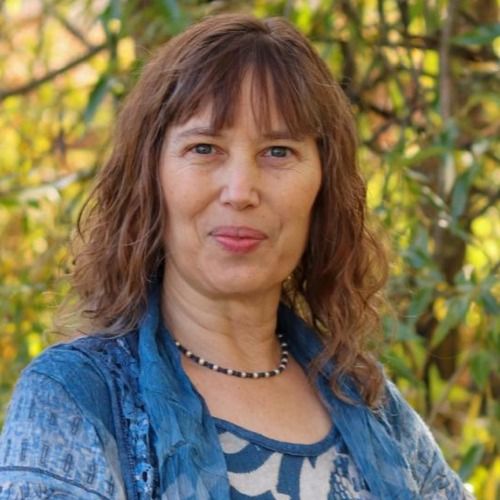
Dr. Jeffrey Knight joins us for a vibrant chat about the ins and outs of autism spectrum disorder and the holistic ways we can support our kiddos. Dr. Knight is not just your average chiropractor; he's on a heartfelt mission to bring hope and practical solutions to families navigating the complexities of autism. He kicks off the conversation by sharing his journey, which is as colorful as a box of crayons. From his unexpected dive into the world of autism to his personal experiences with family members on the spectrum, Dr. Knight paints a picture of empathy and understanding that resonates with parents everywhere.
Throughout the episode, we dive deep into the multifaceted approach to autism, exploring everything from gut health to proper nutrition. Dr. Knight breaks down how our body’s cellular health can impact our kiddos’ happiness and overall well-being. With a sprinkle of humor and a dash of personal anecdotes, he discusses the significance of a balanced diet, emphasizing the role of nutrients in shaping behavior and mood. The conversation takes a fun turn as we swap stories and laugh over the quirky things kids do, while also tackling the serious challenges many families face. This episode is packed with actionable insights for parents looking to enhance their children’s quality of life and navigate the autism journey with a little more confidence and a lot more love.
A gift from our guest: Free video training on Cellular Healing that is concise and helpful to describe more of my philosophy and how we serve families. You can access it at www.healthempoweredfamilies.com
Dr. Jeff Knight is on a mission to helping families find greater hope, freedom, peace of mind and confidence in helping their children that suffer from symptoms related to autism spectrum disorder (ASD). Knowing that there is no one “cure” to autism, Dr. Knight breaks down key topics and solutions to helping children with autism dealing with the myriad of obstacles related to cellular health and healing, gut and digestive health, proper nutrition, challenges with sleep (insomnia), detoxification of the brain and body, neurological, behavioral and social challenges and creating more awareness on treatment options that can help children become the happiest, healthiest versions of themselves. Dr. Knight lives in Utah with his wonderful wife, Ashley, and they are blessed to be parents to six wonderful children. He has been serving children on the Autism Spectrum since 2014.
Bringing Education Home is an educational podcast brought to you by Kristina and Herb Heagh-Avritt.
If you enjoy the show, we'd love for you to leave a rating or review on your favorite podcast app!
Please let your friends know they can listen for free on Apple Podcasts, Spotify or their preferred podcast app or online at Bringing Education Home.
Sponsored by Vibrant Family Education - creating Happy, Healthy and Successful kids
Follow us on these socials:
Facebook Group - The Family Learning Circle
Facebook Business Page: Vibrant Family Education
Support Bringing Education Home
Copyright 2026 Kristina & Herb Heagh-Avritt
This podcast is hosted by Captivate, try it yourself for free.
Transcript
I now have the pleasure of introducing Dr. Jeffrey Knight.
Dr. Knight is on a mission, helping families find greater hope, freedom, peace of mind, and confidence in helping their children that suffer from symptoms related to autism spectrum disorder. Knowing that there is no one cure to autism, Dr. Knight breaks down key topics and solutions to help children with autism.
Dealing with a myriad of obstacles related to cellular health and healing, gut and digestive health, proper nutrition, challenges with sleep, detoxification of the brain and body, neurological, behavioral, and social challenges, and creating more awareness on treatment options that can help children become the happiest, healthiest versions of themselves. Dr. Knight lives in Utah with his wonderful wife, Ashley, and they are blessed to be parents to six wonderful children.
on the autism spectrum since: Dr. Jeff Knight:Thank you. It's honored to be here with you both.
Kristina:It is so awesome. And in your. In your bio, it says doctor. So when we get going, clarify what kind of doctor that is for us, but also talk about your passion. Why.
Why this field? Why the autism spectrum? Why the parents and families that you help so much.
Dr. Jeff Knight:Yeah. Thank you. So it's a doctor of chiropractic. I did my schooling up in Portland, Oregon, so not far from where you guys live.
And as far as how I got into the world of autism, honestly, I would say a few things. Most importantly, number one, I just felt God calling me to this work.
It wasn't something I was expecting or planning when I went to chiropractic school. And I had this fascination for, of course, the musculoskeletal system, which is what chiropractors are mostly known for.
But I really enjoyed my physiology classes. I loved learning more about biochemistry and how things work internally.
And it really hit me recognizing that there's a lot we can do to help with chronic illness in this world. And it just prompted me to continue to learn and. And ultimately, you know, as far as autism goes, I've been around it for a long time.
I have two stepsisters that have sons on the autism spectrum. And then even growing up as a youth, my mother in our church, she was invited to help support youth and teenagers that were special needs.
And I remember as a young kid, I'd go to the Halloween parties and the Christmas parties with these special needs individuals.
And, you know, at first I. I didn't know how to respond or react because I. I hadn't been around people that were on, you know, on the spectrum or special needs for that matter. But it really allowed me to recognize, hey, these are people just like me.
They, they need love, they need attention, they need support, they need care, and they're wonderful individuals to serve.
And so, so I've been, been blessed to be able to be around that world for, for quite some time and just have a growing desire to continue to serve this population.
Kristina:That's so awesome and amazing because we also have son on the spectrum.
So it's one of those things that whenever we get to speak with someone who helps those families or somebody that we wish we would have had in our world when we were raising our son right. That it really helps us out helping other families. So thank you for being here again today.
Herb:Yeah. So now comes the out of the box right off the bat is because like when we had our son, autism was not nearly as prevalent as it is now.
And not only is it so much more prevalent now, but also everybody who wasn't autistic suddenly is. So from your point of view, what is, what is the trajectory? What's going on with that? Why is autism so like, popular for people to have right now?
And do you see a difference, really? Because I see a difference. There's. There are autistic people and then there are people who say they're autistic because they're just weird.
Dr. Jeff Knight:Sure, sure. No, there is a difference, for sure. And as far as I guess, to answer your question, clarify your question one more time for me.
Herb:So when, when we, we were parents and our child is like, I didn't really know a lot of autistic children growing up. I'm 55, born in 70, Gen X. It's like we're out there, we're playing. It's like this didn't come up now. It's like there are so many more children.
And as I had a child, it's like sometimes I can look and I can see in the way they hold themselves in their face. And sometimes just I don't know what it is, but it's like I've been around it long enough that I can kind of sense or see autistic in people.
And again, I think it's because I.
Kristina:Had a child increase as well. And.
Herb:But when I was a kid, it's like that wasn't. I remember watching movies about the one autistic kid in the United States and he like robbed. And now it's like everywhere what is going on.
Dr. Jeff Knight:So the, the frequency that as far as like the increased amount of autism, honestly, I think there's a Number of things. And there's definitely, you know, some unique studies that have been done.
Dr. Stephanie Seneff, she's an MIT professor, you know, this is more of a correlation, not a causation thing that she shares. But if, if you're familiar with the, with glyphosate, which is a, the number one ingredient in Roundup.
And there's our, our country is known for the Roundup ready crops and where Roundup gets sprayed on a lot of our, our food. And so the increased amount of glyphosate definitely has some unique correlation to the increased amount of diagnosed autism cases.
So it's a very toxic substance.
It actually creates other toxins, even more toxic because it can create more of a leaky barrier to your digestive tract as well as to the blood brain barrier. So that's one issue that I think is, is huge.
of a vaccination schedule in:Yeah, there was just hardly any compared to now. You've got over 70 different vaccines by the time you hit the age of 18.
In fact, one parent I was talking to the other day, he was saying how his daughter in the first 18 or 18 months or 24 months had like 10 or 12 different vaccines just in the first two years. He's like, I'm a shock that she's not, you know, she could be a lot worse than she is.
And so, and again, you, you look at the, the ingredients in the vaccines and it makes sense of why this can be neurotoxic, why it can be very highly inflammatory, and why it can trigger individuals in a certain way. Now, of course, we know there's a lot of people that have been vaccinated and they don't have any signs of autism. So, you know, it.
I think it just sometimes depends on the situation. It's kind of like, you know, I know people that have had multi.
Multiple individuals in a car accident and one person died and the other one walked away. And so it's like, you know, how did that happen? Right. So, so I think it's difficult to know for sure.
However, of course, some kids just through certain processes in their body can actually process things a little bit better. As far as, like, you know, if you've heard of methylation and things like that, some individuals I hurt my Head.
Herb:And through the process of recovery, I learned a lot.
Dr. Jeff Knight:So you've learned a lot.
Herb:Self. My digestion, my methylation. And so I also learned about the MTHFR gene and the acronym that everybody uses for it because of what it looks like.
It's like that messes. You know, that there's a. There's an aluminum sensitivity in that. And so many of our vaccines actually have aluminum in it to trigger reactions.
And so it's like if you. So not every person with autism has a defect in the MTHFR gene, but so many of them who are autistic have that MTHFR methylation defect.
Dr. Jeff Knight:Correct.
Herb:Aluminum. So, yes, correlation, not causation, but definitely a whole lot of stuff in there.
And I don't want to turn this into a bashing on vaccinations, which I totally could get into and get behind. But this is also a show about helping families. And so let's. Let's. Because, wow. I want to go down this route. I really do. Trust me.
Kristina:Let's get the positive.
Herb:Let's get to now towards actually helping families. So you got into chiropractic. There's all of this stuff going. Going on. You worked with.
So are any of your children on the spectrum or did you actually come through this without, like, that personal link? That direct personal link?
Dr. Jeff Knight:So I. Yeah, just the nephews. I do have a daughter that had really high sensory processing disorders as a young child. She was never diagnosed on the spectrum.
You could have potentially argued, if you really wanted to, that you could have maybe pushed her down that path, potentially. I was well aware of a lot of the things at that time. So she was like, probably five.
And honestly, I think she might have had pans or pandas, if you're familiar with that too, which can be a neurological reaction to either like a streptococcal infection or some other other type of infection that can actually really aggravate the nervous system. I think that might have been more similar to what she was dealing with. But fortunately, just with the.
The knowledge I had and the tools I had, we were able to help get her to a point where now the sensory processing thing is no longer evident and she's, you know, highly functioning in terms of her schoolwork and athletics and other things like that. So as far as, like, an actual autism diagnosis in my children, there is none, but just the ones through my stepsisters that there's their two sons.
Kristina:So one of the things that are a couple of things nearby was that you also talked about, like, gut Health and metals and things like that help our parents understand why do we want to look at those kinds of things just in general, but then also, if they have a kid that you're kind of suspecting is on the island, she.
Herb:Knew I was going there. She's jumped. She's stealing my question. She felt that coming from me because it's like, all right, so, yeah, so.
Dr. Jeff Knight:As far as, like, the gut health, I mean, you know, the. They. They call it the second brain for a reason. Right. You know, the. The gut is so critical because, honestly, it is.
If you really think about the digestive tract, it's actually part of the external world. It's a tube that goes from our mouth and then, of course, to our anus, and that's how we poop things out.
And so, but food going into us, it actually, you know, gets absorbed the nutrients and all that stuff. But if there is stress at the gut layer, then that can create, you know, like we said, leaky gut issues.
And if there is leaky gut, that means that things can get into the bloodstream.
And actually then it can create, like, an immune response to where the body will then start to react to those things and actually create antibodies against some things that might not even be a problem, but can be an issue. The body might look at it as a foreign object that's interfering with things, and it can attack it and.
And then create added inflammation in other parts of the body. So digestion is critical. You know, we need to make sure that we're able to absorb those nutrients.
Well, first of all, choose good food, digest the food well, absorb those nutrients, and then, of course, elimination. And so it's a.
It's such a critical piece because, you know, really there's so much health benefits that can happen, even cognitively, mental mood behavior. With good gut health, there's families that, you know, share all the time, seeing.
Seeing positive changes just by even changing the diet a little bit or removing certain ingredients in certain foods that maybe they were eating. That can be big as far as the heavy metals go.
You know, the big ones, of course, that a lot of families are concerned about when it comes to autism is. Is aluminum. Mercury is a big one, but I would even say arsenic is big, lead is big.
And then you've got a whole list of other ones like bismuth, beryllium, you know, tungsten, titanium, tin.
And so heavy metals can definitely create more inflammation on the digestive tract, but also it can get into the tissues and it can even affect the brain. In fact, there's some unique connections with even what we call. It's. It's called generational toxicity.
So even there can be toxins and metals that can be passed from mom to baby, and it can be passed up to four generations plus. I know there's some research that will say even longer than that, but there was an interesting study in Europe called the Drash Study, and it was.
They found a correlation to the number of silver fillings in the mother's mouth. So silver fillings, of course, 50% of those fillings are made of mercury.
And there was a correlation between the amount of mercury in the mother's mouth to the amount of mercury in her child's brain. And so, so we know there's some unique connections with that.
And of course, if an individual is being born with an added dose of toxicity, it does put them in a tough spot. And, and so the, the metals are critical because it is neurotoxic, it is highly inflammatory, and it's basically, you know, can be poisonous.
So it's kind of. I always found it funny when you think about the whole silver fillings and how some of that is, you know, heavily involves mercury.
You know, they, they consider it safe to put in the mouth, but the moment it comes out of the mouth, they actually have to treat it like, with, with great care and caution. And in fact, it's considered like a hazmat concern if it does somehow spill over or get, you know, out in some way.
So they have to use special procedures just in the waste removal of it. So kind of interesting. But that is a high. One of the. Another high way that people do get exposed to mercury is through dental work. So.
Kristina:That, that just blows me away because that was the standard of care for so long, silver fillings. And now they're trying to do the porcelain and the other ones, but yeah, like, oh my gosh.
Dr. Jeff Knight:So there's a. Yeah, just a lot of things. And you know, and of course, here's the thing. People are doing the best they can with the information they have.
Every parent out there wants the best for their children.
And this is more of a discussion of just being aware because sometimes you might not be aware and then you can be educated to make better decisions going forward. We're not going to change the past and that's okay. But we can take what we have and try to make the best with it. So.
Herb:Oh, so I've got so many out of the box things right now because so much of modern medicine and the allopathic crowd will not talk about what you're talking about. If you go in and you start talking about diet with your doctor, they're going to say, here, take this pill. Which is so counterintuitive.
So it's obvious why Carnegie had to get rid of all of the naturopaths and chiropractors and convinced everybody that you're quacks because you guys actually care.
Kristina:Look at the whole body.
Herb:Yeah. God. Into the methylation, into the glyphosate, into the ultra processed wheat, which is so small that the gut lining opens up.
And so many people who think their gluten allergy it might actually be the glyphosate, and then the brain issues and the gut issues. It's like, I have family members that, that have issues. And it's like, oh, is it bad enough that you're willing to change your diet yet?
Dr. Jeff Knight:And it's like, question.
Herb:Yeah, because that, that's one of the. It's like, oh, hey, you know, you're doing this, you're taking this. It's like, are, are you willing to change what you eat? No.
Okay, well, I'm just gonna back off. I'm not gonna try and help you at all. Because.
Dr. Jeff Knight:Yes.
Herb:We're not actually working on the problem. Right. How do you, it's like someone comes in, it's like, you know, they gotta go back. How, how do you take them into that?
Because inflammation is what you eat, it's what you put in your body. It's root. And so if you can't even help people change what they put in, how important is that?
Dr. Jeff Knight:You know, that's a great question and it is a tricky one.
So fortunately, I would say most of the individuals that I end up working with have already got to a point where they realize they, they do recognize they need to make some changes and they're a little bit more humble and receptive to some of the information that I share with them. At the same time, there are some that are stuck in some of their old habits and patterns that aren't helping them at all.
And, and that can be difficult. And so the only thing you can do is kind of similar to what you're saying, Herb, is, you know, invite them to consider, you know, making a change.
And then if they're unwilling, then honestly, you know, you and I, we can't force them. Right.
But, but if we can at least help educate them, help them understand and realize, you know, what really is happening and what the, either the foods, the beverages, the substances, whatever it is that they're, they're putting in their body what it's doing to them. That's. That's all we can do. And then hopefully they come to a point where they realize, okay, I'm ready to make a change. But.
But, yeah, I've had some patients that said, hey, I don't care what you tell me to do, I'll do whatever, but if you tell me to stop doing this, I'm not doing it. And I'm like, oh, well, this is going to be interesting. And we've got an uphill battle here. And I said, please? Yeah.
Herb:I went into a naturopath. I'm like, the only thing I can eat anymore is bread.
I squish it into tiny balls and I eat it, and I almost throw up every time, Please don't take bread away. And she just kind of chuckled. And after like an hour of like, you're going to take my bread away, aren't you? And she goes, you have a while.
I stopped eating bread that day, never to have it again. So I was that desperate. So I know that, that, that sometimes change takes being nearly dead, but hopefully people don't have to do that.
Dr. Jeff Knight:Exactly.
Kristina:And it doesn't mean that he doesn't fall off the wagon. All of us do. We've got to fight a little bit and then we build back up or whatever.
Dr. Jeff Knight:Yeah, no, it's. Yeah. To expect perfection is unrealistic, you know, to give ourselves grace.
And I think the key is, though, you know, even just if you use yourself as a science experiment and say, okay, you know what, I'm going to prove these guys wrong and I'm going to try eating.
Herb:Science experiment curiosity.
So this is where I was going to lead this, because I'm sure that when you're talking with autistic parents or the parents of autistic children, that diet is something that you definitely go into to help with mood regulation of autistic children. And they'll say that diet is very much, much. So as. As they change the diets of the children, do they correlate that back to themselves?
Or have you seen that? Am I just being optimistically hopeful there?
Dr. Jeff Knight:Yeah.
You know, there's a lot of families and parents that actually do recognize, like, hey, if we're going to do this change for our child, let's try to make this a family, you know, change and a lifestyle change at the same time.
I think there are some that the parents even still find that to be a struggle and where they're maybe willing to create a better scenario for their child. But for them and, and maybe their spouse or their other kids, it's, it's interesting. It really is interesting and it can be a challenge.
But I think once families really learn it and see the value, then it becomes more of that transformation and lifestyle change that really, they do own it and they appreciate it and then they, they don't, they don't turn back typically.
Herb:So, so, so I, I asked. So that is one of the cornerstones of what you work with is the.
Dr. Jeff Knight:Guy, oh yeah, food. Oh yeah, yeah, definitely. You can't ignore it. So it's, it's a critical piece.
And if, here's the thing, what I've learned is if you only focus on what you're eating and you know, digestion, unfortunately that's usually not enough.
Um, for a lot of kids, they do see big changes and they do see significant improvements, but they, the parents oftentimes still realize like, I know there's more that I need to do. And so, so the, the gut is absolutely critical.
You do have to improve, you know, improve upon that and, and strive to make that better with good, good wholesome foods. You know, as close to mother nature as possible. You know, I'm not necessarily a strong proponent that you have to eat a certain diet.
However, I do encourage, you know, again, like I said, close to mother nature as possible. There's a lot of studies and research that have shown, you know, gluten free, dairy free to be really effective for kids.
research from like the early:You know, and, and so, you know, for some families that might be the best thing. For other families, the keto diet might not be great.
But again, it's just like if we can keep it simple and just try to avoid a lot of the processed things and definitely avoid the food colors and all that stuff, you know, it's going to be huge.
And, and, and one of the things that I do for families to where I can help them start winning right away is I talk about a principle that I call is the exchange principle. So it, it helps them. So it's not like, oh, I gotta dramatically change everything. But it's like, no, you don't have to necessarily change everything.
Let's just make a few exchanges and replace this for that. And you can still maybe start there and then we'll slowly move into the next step.
So a lot of times we just meet People where they're at, make a few little adjustments, and those adjustments can go a long way to even starting to help with cellular healing. Reducing inflammation, improving gut health, you know, and all that stuff.
Herb:I. I am so envious of those gradual changers. I gotta jump in. Like, it's like walking into a cold pool. It's like you get. You get to do about the knees. It's like, I can't do it. You just.
You just got it. So.
Dr. Jeff Knight:Yeah. And I agree.
Herb:So sometimes some personalities can do that. My personality does not do that. So I'm a jumper. And.
Dr. Jeff Knight:And I think that's. If you can jump in, I encourage it. But I know there's just some individuals, it's like, I gotta.
I gotta meet them where they're at, you know, creep in.
Herb:Yeah.
Kristina:Talk a little bit more. Because you said it a couple of times about the cellular healing or cellular alignment. Tell us a little bit more about that.
Herb:Because it's not just about diet. Anybody can do diet. The chiropractic aspect of it. I'm. I'm interested in getting into that. Into what you do as well, because,.
Kristina:You know, talk about.
Dr. Jeff Knight:Yeah, yeah. As far as cellular healing. So if you think about it, our body's made up of trillions of cells. Each cell is kind of like a little human.
The cells, they have these little receptors, of course. Minerals, nutrients, vitamins, hormones attached to those cell receptors.
And then that creates a signal internally to the cell to where then the cell will actually utilize that information and convert it to energy or some kind of a message. And then it will take that information and it'll push it out into.
Out of the cell into what we call the extracellular matrix, which is where the lymphatic system will actually absorb that. And then it will pump the waste into our blood vessels, and then we'll actually pee out that waste.
So, like, when you think of like a swollen ankle, for example, where does all the swelling go once it starts to heal? It actually gets absorbed into the lymphatic system.
That lymphatic system has a unique pump, and it actually will pump right behind your collarbone into some blood vessels there. And then it gets filtered through the liver and kidneys, and then it goes out into the. Into the toilet. So cellular healing is critical because you.
You need to make sure that those cell receptors and that the cell membrane, so the wall of the cell is nice and healthy and strong. What happens, though, with cellular inflammation?
Things that can actually create more inflammation at the cell level, which then would impede and prevent Some of those good things getting into the cell that would be things like toxins, you know, like the heavy metals we talked about chemicals and environmental toxins, you know, that can even include hidden infections or even mold. You know, even certain stressors in life, like on an emotional level can even create cellular inflammation too.
So, you know, the sooner we can help create healing at the cellular level, we know that's going to create a ripple effect into other areas of the body. And so I, you know, one of the fascinating things about our body and I, and I know this has been discussed before by another guest that you had.
I was listening to one of your episodes not too long ago, but the, the good gentleman that talked about caffeine and how he was saying how our body ness basically is regenerating itself all the time. And so think of, think of an upgrade, you know, like, you know, you might.
Right now, currently, let's use a 0 to 10 scale because it's easy to quantify. Let's say my cellular health right now is a 5 out of 10, which isn't great, right?
And of course, I'm just using this as an example, but let's say it is a five out of ten. Well, guess what?
If my body's constantly regenerating itself, it's going to regenerate itself to another 5 out of 10 or potentially worse if I continue with the same bad habits, that could maybe lead me down to a four.
But if I start to make some changes and I start to do some things for my lifestyle with diet, digestion and starting to eliminate some of these toxins and chemicals and then try to surround myself with good positive environment, man, I could upgrade that five and go up to a seven. You know, I mean, I have patients of mine that have said, like, I've got a patient right now, she's 16, 62, I think she is.
She's like, I feel healthier now in my 50s and 60s than I did when I was in my 30s and 40s. Wow. And what changed?
It was honestly habits, intention, and then having the right support to help her navigate that path, to be able to get her to a place where she's now basically regenerating like seven and sevens and eights and eights, you know, versus like five and five, you know, so, so there's a lot of critical things you can do at that cellular level and there's a lot of important things. And so, so really good healthy fats is a really critical part of our cell, cell membrane.
And that's one of those Important things that a lot of people don't always realize. I know, you know, we've talked about being in the 80s, you know, when it was the fat free diet was the, the big thing.
And it's like, man, that was the worst thing that we could have done.
And that, yeah, created so much diabetes and so much insulin resistance that, you know, people replaced good, healthy fats for a lot more carbs and sugar basically.
Herb:So other countries actually call Alzheimer's stage three diabetes.
Dr. Jeff Knight:Yeah.
Herb:So it's, it's all related to the sugar.
ility. So our diet is so new.: Kristina: Yeah, we've already hit the: Dr. Jeff Knight:Yeah.
Herb: Yeah. Well I'm from:I'm like, so want to jump into rabbit holes here.
Kristina:But, but I love how you explain that, how the cellular part, you know, when you increase a little bit because it's all regenerating, it goes to that higher level if you keep working.
Herb:And that's why ketosis and the KET diet and the carnivore diet that we're currently on and then going into fasting, especially dry fast because that puts your body into autophagy. And autophagy is where your body starts dissolving, eating itself, but it eats stuff that the, the, the last in, first out.
So your scars are going to start going away.
Dr. Jeff Knight:Yep.
Herb:And then when you rebuild yourself, your scars won't be there. Some of your others, that, that.
Dr. Jeff Knight:So yeah, autophagy is amazing.
Herb:Yeah, but, but yeah, it, it, it, you're. The autophagy gets rid of some of the cells that would reproduce if you do it.
Dr. Jeff Knight:So yeah, it gets rid of the rubbish.
Herb:Yes.
Kristina:Yeah.
Herb:And so, yeah, people think I'm just doing it because it's like, I like, oh, you're gonna do a seven day dry fast. Like, well, I was a mess. I needed to. And afterwards it's like, wow, I feel really good. And so I keep doing it once in a while.
Dr. Jeff Knight:I know it's powerful. Yeah, fasting is powerful. Yeah, it's definitely something I've incorporated.
Herb:Lower the. Get rid of the stuff that's making you a five, even if you just get up to a six, then do it again.
Dr. Jeff Knight:Exactly, yep. Little, little by little, you know, it's a, it's a journey. Right.
Kristina:We know that most of these changes really need some help, either some coaching or some guidance or things like that.
But what's one thing our families who are listening right now could do that could even just start the process if they can't get to someone like you or they not quite ready to make that full big step, what's one thing that they could do that would just maybe help turn the corner?
Herb:So my first thought is, oh yeah, just stop eating sugar. Yeah, the hardest, most addictive substance. Just stop eating sugar. That's it. That is great advice, but also like nearly impossible.
So what's a real, what's a more easy first step for a lot of people?
Dr. Jeff Knight:So let's go back to that principle I talked about exchanges.
And so if you're using sugar as example, instead of using the refined sugar that a lot of people use, then replace that with raw honey or even organic maple syrup as your sweetener.
That could be a great thing you can use in, in cooking or baking or even if you just need a sweet treat, you know, put some, you know, put some honey over like, you know, maybe some apples or something like, not that you would need it. Apples already sweet. But, but you kind of get the idea. Another thing too is the type of oils you're cooking with.
So I would get rid of any vegetable oil, anything that says soybean or canola oil, any seed oil in general. Those are going to be very good.
Herb:Two great choices.
Dr. Jeff Knight:Which ones did you say coconut and avocado? Yes, I was going to say those along with olive oil and then real grass fed butter or ghee.
Those are other really good healthy options that are going to be very nourishing to your cells, to your brain, to the nerves and helping the gut as well. So those are just some easy, simple things. Again, it's exchanging. Right.
So switch those oil vegetable oils out for coconut, olive oil, avocado oil, use butter instead. That can be something you can start right away that can actually create some positive health benefits in your life.
In fact, we have a patient in our office.
He, the minute he stopped eating seed oils like this, chronic digestive stress, he had started going away and he'd been to a lot of doctors and done like different medications and he tried even some digestive enzymes and all those things which, which the digestive enzymes are still great and they can be helpful. But the minute he stopped the, the seed oils like it went away. So kind of crazy.
Herb:Yeah.
Dr. Jeff Knight:But not, but not really.
Kristina:Yeah. Yeah. Oh, wow. That that's amazing. And we're, you know, we're not sitting here saying, get rid of all your medications and everything. You definitely.
Dr. Jeff Knight:No, of course not.
Kristina:Carefully and slowly. But make these changes so you can hopefully maybe get rid of them, right? Yes.
Herb:What about some of the newer sugars that are coming out? Allulose, erythritol, monk fruit. They are becoming more processed, more readily available. But does the processing of the.
This is actually a thumb thing. I don't know.
Most of the questions I kind of already had an idea about, but this I have no idea because like allulose, one of the sweeteners we use was a monk fruit sweetener, and it recently changed from erythritol to allulose. And I looked it up and it was talking about the differences. Is there, is that not good?
Dr. Jeff Knight:I think it depends on the person. I'm not, I'm not a huge fan of the sugar alcohols.
I know a lot of people on keto like them because it basically is like a zero carb type thing or it cancels out some of the carbs. But I know that there are some, some concerns I have with that. I think the monk fruit is actually probably a safer option. The.
I know stevia can be a decent sweetener for some, but even that you, you know, for some people, you have to be careful with. And again, the processing of some of those other things, you know, there is, there is questions and concerns.
I don't have all the answers to exactly which ones are going to be the best out of those.
But the more I've, like, looked into it and the more I've studied from other individuals, I see them actually pushing back against the sugar alcohols like the xylitol and the erythritol, the allulose.
Again, I'm not too, too versed on, on the science behind that one, but I have heard and seen just from research and talking to other doctors and looking at what other individuals that I've followed for a long time, seems like monk fruit's a good option and you can be. Be safe with that.
Kristina:Awesome.
Then that's good to know because, you know, as we're coming into new things, until the studies have been done, until it's really been looked into, we kind of don't know. But I love, you know, the naturals. Maple sugar or maple syrup comes from a tree, honey comes from the bees, agave comes from a plant. So. Yeah.
Herb:And just before we went on to Carnivore, I found the best maple syrup in the world.
Dr. Jeff Knight:Now you can't have.
Kristina:It, so you can't have it now.
Herb:No, there was, it was, it was just aged in used bourbon barrels.
So they would take a bourbon barrel and fill it after they dump the bourbon out of it and fill it full of maple syrup and let it sit in there for two years and it was like, wow, okay. So, yeah, that was a lovely, A lovely syrup. No other thing added to it just aged in a bourbon barrels like, oh my gosh, fabulous.
Kristina:We could talk to you all afternoon. And you have been so amazing and helpful with all these different things.
Is there something that you were hoping that we would get to today that we didn't get to yet?
Dr. Jeff Knight:I think just understanding, like the process of the detoxification isn't as easy as people might think. I think there's some concerns that I have and maybe more of a warning for families.
I know there's a lot of products that get sold on social media and you know, in the Internet where it's like, hey, just take this. And you know, these are the outcomes you can expect. Now there's. I'm not saying that those products aren't necessarily bad.
I think a lot of those are actually really good products. But I think making sure you have someone that can help you guide you through the process is really critical.
And the reason I say that, I have parents that have said, like one mom I was talking to just this week, she was telling me how she bought a product that was designed to help with detoxification, but it created such a negative strong reaction in her daughter that it really was so bad that she ended up in the ER because it was so strong and just pushed her body way past what her body was capable of. But then if you go on and read reviews of other parents, they rave about that product and saying how great it was for their child. So. So again, it's.
It's kind of like you, you're taking a risk if you haven't done it the right way and if you haven't done it with the right support. Support. For example, like I, I really stressed and emphasize with the families that I work with that, that we do.
I call it a preparation phase or opening up the drainage funnel is another term people will use. Or another term is opening up the downstream detox pathways. It's a critical.
It's a critical thing because if you don't do this, then it's like when you start to detox someone from heavy metals or chemicals, you. You're basically like redistributing that toxin.
So it's going, like, from here, and it ends up over here in the body, and it's not getting out into the toilet, which is where you want it to be.
And so we really emphasize, you know, supporting the liver, supporting the kidneys, making sure that lymphatic system is functioning, pooping, you know, the kids that they're pooping regularly, and those are really necessary, important steps. And doing that alone, we.
We actually see a lot of positive changes just in the preparation, preparation phase, where we're seeing parents report back saying, man, my kid's actually more engaged. He's more relaxed, he's sleeping better, he doesn't have as many tantrums. He's actually using more words.
And that's just from doing the preparation piece. And then from there, then we start to get the body safe and stable, ready to detox.
Then we move into pulling toxins out, but doing it in a safe way to where the body feels supported and it's feeling secure to. To do it successfully. So that's definitely a key thing that.
Herb:I think this is where the jump in sometimes isn't the best way to do it, because I've done that. I've. I've done the suffering. I've. I've pushed through it. And it's like, yeah, let's try it again. So that.
That those products was like, yeah, you can do that. You can do this if you know what you've done and you've done it before. But if this is like the first time, it's like going into a hoarder's house.
It's like, oh, yeah, I'll just go. Or it's like, no, there's work that you got to do to clean that up first or think about it, like going to the gym.
It's like, you go to the gym the first time, it's like, okay, I'm going to sit down. Oh, look, I can do a whole wheel. Oh, look, I can put it. And you work and the next day you can't move.
Dr. Jeff Knight:Yes.
Herb:Don't ever want to go to the gym again. This is the same kind of a thing if you jump in.
Dr. Jeff Knight:Very true.
Herb:You could really hurt yourself. Helping.
Kristina:We're talking about our fragile little little ones, right?
Dr. Jeff Knight:Yes.
Herb:So gently if you do these is like, get help. Get somebody who knows what they're doing. Especially if you've been at it for a while and there's stuff built up. Because the first time, can. Can.
Can be a little different.
Dr. Jeff Knight:Yeah, exactly. No doubt. No, those are good Analogies. I like the. The hoarder house and going to the gym. Those are good.
Kristina:So, Dr. Jeffrey, would you please say out loud, everything is in the show notes. Of course I'm going to be able to find you and everything. But say out loud how parents can get a hold of you if this has resonated.
If they're like, no, I need to talk to him more about A, B.
Dr. Jeff Knight:Or C. Sure, yeah. The best way to reach me is through healthempoweredfamilies.com.
So that's healthempoweredfamilies.Com you can actually submit your name and email address. It will send you a free training that actually discusses more about cellular healing, and it will educate you and enlighten you.
As far as the way we go about helping kids on the spectrum with this approach, it's very complementary to what a lot of families are already doing with the different types of therapies, whether it's speech or OT or aba. So it's just going to add to what you're doing and go at it from the inside out, in a sense.
And so if it resonates with you, then I'd love to have an opportunity to chat with you. You'll have an opportunity, opportunity to set up a consultation if that's something you're interested in.
There's also, you know, other great resources. You know, we do have a Facebook page. If you just search up Dr. Jeff Knight, you'll find some other good resources there as well.
But anyways, those, those are some easy ways you can connect with us.
Kristina:Beautiful. Thank you so very, very much. And like I said, everything is down. The show knows. We just like to say it out loud as well.
This has been such an awesome conversation. Thank you so very, very much.
You know, as you, you know, continue working with families, if you come across something else, you know, in a couple of months, like, oh, I really want to talk to the families again. You're welcome back anytime.
Dr. Jeff Knight:Awesome.
Herb:For our families out there, it's like, I've been through a lot. I've been to a lot of chiropractors, a lot of doctors.
I know when someone knows what they're talking about and when someone's blowing smoke and this guy knows what he's talking about way down to the bottom, even getting into chiropractic. And the way, just, just the story of how he's done it, he's done it the right way and he knows what he's talking about.
So if this does interest you, you know, this is, this is someone that I can hear that you can trust as well.
Dr. Jeff Knight:And so I appreciate that. Thank you. Well, thank you so much. It's been such an honor and it's been a lot of fun engaging with both of you.
I admire you both and keep up the great work that you guys are doing.
Kristina:Yeah.
Herb:And again, thank you for being on our show. Thank you for being here.
Thank you for going into the quack medicine of chiropractic knowing that it is actually a truer path and actually goes to help people where so many people take the easy way out.
You're actually doing things the right way and then you're coming back to the community, to the town and you're sharing it and that's the hero's journey. You're out, you're doing the hard stuff and then you come back with the treasure and you share and you share it to make it easier for other people.
And so thank you for being a hero on our show today.
Dr. Jeff Knight:Well, thanks so much. I really appreciate it.
Kristina:Okay audience, you know the time. If you have heard something today that is interesting to you that says oh my gosh, I think this will actually help, please do it.
Don't just listen and sit. Make an action plan. Do take the next step. Do something today to help you and your family up level and become the best that they can be.
And until next time, make sure you check out vibrantfamilyeducation.com and we will talk to you all soon. Bye for now.