Episode 78
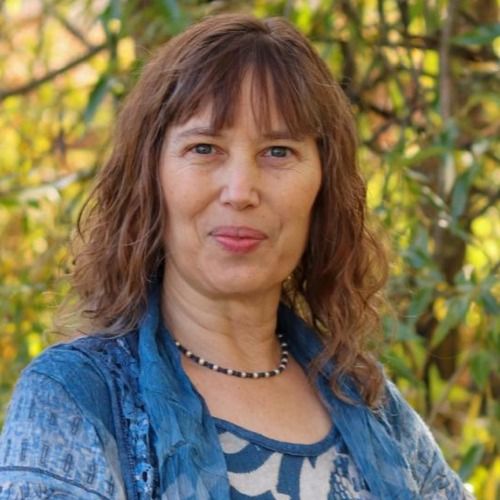
S2EP78-Heidi Rome-From Silence to Strength: The Journey of Non-Speaking Autistic Children
Today, we're diving deep into the heart of parenting and autism with the amazing Heidi Rome, an author and autism mindset coach. Her motto, "love doesn't fix," comes straight from her journey raising her non-speaking son, Ethan. In our chat, we explore how presuming competence in our children opens the door to stronger connections and allows their true gifts to shine. Heidi shares her experiences and insights on letting go of the pressure to control every outcome and instead fostering relationships built on love, trust, and curiosity. So grab a cozy seat, maybe a snack (because who doesn’t love snacks?), and let’s get ready to rethink how we support our kids on the spectrum!
Heidi Rome is a speaker, author, and autism mindset coach whose message—Love, Don’t Fix—grew from her journey parenting her nonspeaking son, Ethan. She helps parents and caregivers release the pressure to control or “get it right,” and instead connect through love, trust, and curiosity. She teaches a core principle: when we presume competence in our children—whether or not they can express it yet—we build stronger relationships, invite growth, and make space for their true gifts to emerge. Heidi is also the author of You Just Have to Love Me, and is now building a groundbreaking intentional community for autistic young adults centered on dignity, consciousness, and contribution.
Bringing Education Home is an educational podcast brought to you by Kristina and Herb Heagh-Avritt.
If you enjoy the show, we'd love for you to leave a rating or review on your favorite podcast app!
Please let your friends know they can listen for free on Apple Podcasts, Spotify or their preferred podcast app or online at Bringing Education Home.
Sponsored by Vibrant Family Education - creating Happy, Healthy and Successful kids
Follow us on these socials:
Facebook Group - The Family Learning Circle
Facebook Business Page: Vibrant Family Education
Support Bringing Education Home
Copyright 2026 Kristina & Herb Heagh-Avritt
This podcast is hosted by Captivate, try it yourself for free.
Transcript
I now have the pleasure of introducing Heidi Rome.
Speaker A:Heidi is a speaker, author and autism mindset coach whose message love don't fix grew from her journey parenting her non speaking son Ethan.
Speaker A:She helps parents and caregivers release the pressure to control, get it right, and instead connect through love, trust and curiosity.
Speaker A:She teaches a core principle.
Speaker A:When we presume competence in our children, whether or not they can express it, yet we build stronger relationships, invite growth and make space for their true gifts to emerge.
Speaker A:Heidi is also the author of you just have to love me and is now a groundbreaking intentional which is and is now building a groundbreaking intentional community for autistic young adults centered on dignity, code, consciousness and contribution.
Speaker A:Welcome, Heidi.
Speaker A:It is a pleasure to have you here today.
Speaker A:Thank you so much for joining us.
Speaker B:It is my pleasure to be here.
Speaker B:Thank you for having me.
Speaker C:When I met Heidi, it was one of those things like, oh my gosh, we really, really need to have her on the show because as parents of an autistic child ourselves, we come at it from one direction because we are on the high functioning end of the scale.
Speaker C:And then when we talk with Heidi, we'll find out about where her son lands.
Speaker C:But it's different directions, right?
Speaker C:And we had one person say, oh yeah, I have an autistic child.
Speaker C:We need to get our two children together.
Speaker C:And Herb and I both looked at each other and said, well, we can get them together, but there's no guarantee they're going to click.
Speaker C:Because each child within this spectrum, which is why it's called a spectrum, have their own things that they really relate to and get into.
Speaker C:So, Heidi, thank you again for being here to give us that other, another perspective on this whole parenting things of an autistic child.
Speaker C:And we have some very special things to talk about about when they get.
Speaker B:A little bit older.
Speaker C:So let's start with when did you find out that your son was on what I call the spectrum?
Speaker C:I know they're calling it different things now.
Speaker C:And when did you realize that, oh my gosh, I really need to do a little bit more to help support my child compared to what maybe other people were doing?
Speaker B:Well, Ethan pretty quickly was missing milestones very quickly.
Speaker B:My husband even noticed, gee, he's not making the same eye contact as his older brother.
Speaker B:And I, I hadn't picked up on that.
Speaker B:I thought, oh, he, you know, he's, he's thinking about deep thoughts here.
Speaker B:He's, you know, I, I didn't notice that he wasn't quite looking at us.
Speaker B:And the most obvious thing for him was, he was silent.
Speaker B:He never did the babbling, the ba, ba, ba, ma, ma, ma.
Speaker B:The normal things that kids do as they are developing language.
Speaker B:He never did that.
Speaker B:So there were many early signs.
Speaker B:There are many people with, with autism where they were progressing normally and then something happens and then they regress.
Speaker B:That was not Ethan.
Speaker B:Ethan was behind the eight ball almost from the very beginning.
Speaker C:Yeah, and see, that's our son.
Speaker C:He seemed to be developing and progressing normally, and then there was a sudden kind of like stop and regression.
Speaker C:So.
Speaker C:Yeah, I get that.
Speaker C:Yeah.
Speaker C:So from the very beginning then you knew or almost from the beginning, you're like, oh, I need to check into different services and things like that.
Speaker B:Yeah, yeah.
Speaker B:Well, in the beginning, I mean, I knew what autism was.
Speaker B:I think, I think I had heard about it, but it's always somebody else.
Speaker B:Yep, that's, that's somebody else's problem.
Speaker B:And the doctor had just said, gee, he's not, he couldn't sit up.
Speaker B:Unsupported at nine months.
Speaker B:And that concerned her.
Speaker B:So she said, okay, get him physical therapy, get him early intervention.
Speaker B:So that physical delay is what get got us into the system.
Speaker B:And we started doing that and it seemed to help.
Speaker B:He started to sit up and true, it was late to crawl.
Speaker B:She helped, she made him crawl because you're supposed to crawl.
Speaker B:And she had him do that.
Speaker B:And so I thought, oh, good, we've fixed it.
Speaker B:It's all good now.
Speaker B:We're good.
Speaker B:And yeah, he's quiet.
Speaker B:Oh, but he's a late bloomer.
Speaker B:I was a late bloomer.
Speaker B:Of course he's a late bloomer.
Speaker B:Oh, that's okay.
Speaker B:Because I was not able to even entertain the thought that there was anything more than that.
Speaker B:And the doctor was, go have him evaluated.
Speaker B:And ultimately we did get the autism diagnosis.
Speaker B:He was not even two years old yet.
Speaker B:He was very young for it.
Speaker B:But yeah, it was, that was hard.
Speaker B:That was a hard day.
Speaker A:So what does an autism diagnosis in a two year old look like?
Speaker A:Because a lot of times they use again, communication and interactions.
Speaker A:And so at 2 years old, that, that, that one's tough.
Speaker A:I, I, I, there's certain, there's certain other things that are a little easier to diagnose that young.
Speaker A:But autism, for me, I don't see it coming in that early.
Speaker A:So what were the signs in that early of an autism?
Speaker B:Well, the word autism wasn't actually used immediately before that had been PDD nos, which is pervasive developmental delay, not otherwise specified.
Speaker B:Where there's a delay overall, and we don't know why.
Speaker B:So we're going to give it this name.
Speaker B:And then as they get old, because we don't want to use the word autism too early, even if we think that's what it is.
Speaker B:He also had some of things that were clues that this was what was happening even before they attached the word.
Speaker B:For example, he would flap.
Speaker B:He would have.
Speaker B:He would give tones, vocalizations.
Speaker B:So while he had no words, he would just.
Speaker B:In the car, at certain points, I think when we would pass certain towers, the power tower, there must have been a tone that nobody could hear, but he heard it.
Speaker B:So whenever we would pass, he would.
Speaker B:Suddenly, it's like, okay, what was that?
Speaker B:So there were things like that that were odd, unusual things that were like, what's that?
Speaker B:So I think the doctor, in watching him during these evaluations, and mostly at that age, they're listening to the parent.
Speaker B:What have you observed?
Speaker B:And as we say, he, you know, will.
Speaker B:Will want to watch a video over and over and over again and line things up.
Speaker B:And there were certain things that were clues.
Speaker B:This kid is not developing typically.
Speaker A:Yeah.
Speaker A:See, when we.
Speaker A:Our child was developmentally or.
Speaker A:No, language development is how they initially diagnosed.
Speaker A:Diagnosed him.
Speaker B:Yeah.
Speaker A:And it was like, there's more to it than that.
Speaker A:But that was the only thing they could focus on.
Speaker C:So at the beginning.
Speaker C:Yeah.
Speaker C:And then later it went into the sensory issues and things like that.
Speaker C:And then once right into the classroom, how he couldn't play with the other kids the way he would parallel play.
Speaker C:That's the way the teacher described it.
Speaker C:Right.
Speaker C:Somebody would be here.
Speaker C:He'd be right beside them, doing the same thing, but not necessarily interacting with them.
Speaker C:So.
Speaker C:Yeah, those were the clues that we kind of ended up with on our.
Speaker C:Yes.
Speaker B:And then there were other things that would ultimately emerge beyond that where we would notice certain behaviors.
Speaker B:Like he would watch.
Speaker B:He'd want to watch TV from the top of the stairs and at an angle.
Speaker B:What?
Speaker B:We brought him to a vision therapist because it turned.
Speaker B:His eyes were normal.
Speaker B:Like, we had brought him to the ophthalmologist.
Speaker B:They're like, oh, he's.
Speaker B:His eyes are healthy.
Speaker B:Thank God.
Speaker B:They're normal.
Speaker B:That's wonderful.
Speaker B:But what happened was it turned out with him, and apparently this is not uncommon.
Speaker B:The brain and the eyes were not processing information together properly.
Speaker B:So he developed what.
Speaker B:He still has it.
Speaker B:It's called visual neglect, where he ignores all the visual information coming in from the right eye, so he watches everything from the left.
Speaker B:He'll tilt his head, he'll watch tv.
Speaker B:He'll use the computer.
Speaker B:All these things talk to you from the left.
Speaker B:And when we had brought him to the vision therapist, the doctor was examining him and bringing the flashlight closer and closer to his eye.
Speaker B:And when he went to the left eye, you know, he had the defensive backing away as it got closer.
Speaker B:But as the light approached the right eye, he didn't move.
Speaker B:And it was the scariest thing because I said, is he blind in his right eye?
Speaker B:And the doctor said, no.
Speaker B:But the brain doesn't know what to do with all this information because it's probably not matching up.
Speaker B:And the body is incredible.
Speaker B:So the brain's like, you know what?
Speaker B:I'm just going to ignore that.
Speaker B:I'm just going to focus on over here.
Speaker B:It's like, okay, my first thought on.
Speaker A:That is, did you patch his eye so that he started it was forced to use the other one.
Speaker A:So that was like, oh, just like start covering the other eye for a little bit.
Speaker A:Well, he immediately.
Speaker B:Well, by looking out of only one eye, he basically was patching the right.
Speaker A:No.
Speaker A:Could you patch the one that worked?
Speaker A:So forced him to look out the other one?
Speaker B:That's a good question.
Speaker B:We didn't do that.
Speaker B:We did what the doctor had suggested was a prism eyeglasses, which were meant to bring the images into alignment if one eye and you know, to get.
Speaker B:So that the brain would say, oh, it's one image.
Speaker B:I can use both eyes.
Speaker B:But we had started him.
Speaker B:He was never to answer your original question about public school, not public school.
Speaker B:He never went to the general public school because he was very high need from the beginning.
Speaker B:So he was in out of district placements right away.
Speaker B:And we sent him to a school.
Speaker B:We thought we won the lottery.
Speaker B:Little did we know it was a school focused on aba, which is Applied Behavioral analysis, which to this day is considered the way you're supposed to educate autistic people, Change their behavior, make them look normal.
Speaker B:They're not, but, you know, make them look good.
Speaker B:And because these prism eyeglasses looked different and plus they were tinted because these kids are sensitive to light and color and all these things, they were tinted yellow to try to control for that.
Speaker B:And because they were prisms, they didn't look typical.
Speaker B:Well, he didn't look like a typical kid because he wasn't.
Speaker B:But especially in these glasses.
Speaker B:And the school refused to allow him to wear them because they don't look good.
Speaker B:You know, you go out in public and people are gonna think, here you are with these kids and what's with this odd kid?
Speaker A:So they don't care what other people think.
Speaker A:That's kind of part of the problem.
Speaker A:So it's the parents, it's the school that would be embarrassed.
Speaker A:And that's, that's like, that's not for the benefit of the kid.
Speaker A:That's for the benefit of the people around them.
Speaker A:It's like, what a, what a weird mindset.
Speaker B:Well, welcome to the system.
Speaker B:Because they are looking at behavior and appearances and taking data.
Speaker B:They're successful and the program is successful.
Speaker B:If you make this kid conform and be the square peg in the round hole, he, he's behaving, he's quiet, he's doing the thing you said to do.
Speaker B:And we'll measure it and we'll take data and then call it science.
Speaker B:Don't get me started.
Speaker C:Yeah, we totally get that.
Speaker A:You know, I'm in some, I'm in some coaching groups and, and some of them talk about how the parents send their children off to therapy to make the kids better so that they behave the way the parents expect.
Speaker A:And to me it's, I've always heard that.
Speaker A:And it's like, well, what are the parents doing?
Speaker A:Because it's like, it's not the kid's problem, it's the parents problem.
Speaker B:100.
Speaker B:Yes.
Speaker B:Yes.
Speaker A:So it's like.
Speaker A:Yeah.
Speaker A:So again, I guess I can see how, how if the children aren't acting the way the parents expect, right, then the parents send them off to be fixed.
Speaker B:Well, but you know, that is the education system for typical kids.
Speaker B:It's rooted in the industrial revolution, and the education system is a result of that.
Speaker B:How can we create sufficient workers to go into a factory, give them the basic skills they need to work in the factory.
Speaker B:So reading, writing, basic math, those are what you need.
Speaker B:Learn how to sit quietly, sit at your station, do that work for 18 hours.
Speaker A:Which kid is typically able to do that?
Speaker A:Which typical kid are you talking about that's supposed to sit in that kind of environment any right now?
Speaker A:If you think about it, when we were a kid, autism was like 1 in 400 and now it's like 1 in 4.
Speaker A:So, so what is 1 in 12?
Speaker A:What is typical now?
Speaker A:Typical is not what it was.
Speaker B:Oh, oh, that, this, that statistic.
Speaker B:Absolutely not.
Speaker A:Typical now is, is almost non typical now.
Speaker B:Well, but you know, we know that the world seems to know that the statistics are out.
Speaker B:There was one.
Speaker B:It used to be, I think at the turn of the century, one in 100,000, right?
Speaker C:Yeah.
Speaker B:And now in New Jersey, I'm in New Jersey, in New Jersey, which is one of the highest rates for different reasons, But I think it's 1 in 29, even lower.
Speaker B:It's unbelievable that what's happening.
Speaker B:And if you just put aside for the moment, though, why is that happening?
Speaker B:And there are different theories about that.
Speaker B:The bottom line is that you have more and more and more and more of these people who started as kids, guess what?
Speaker B:They grow up.
Speaker B:And what's going to happen in society.
Speaker B:Not only the emerging, like my son emerging into adulthood.
Speaker B:Your son young adult.
Speaker B:He's already in young adulthood.
Speaker B:But there are people in their 30s, 40s, 50s, 60s, living with their aging parents because there's no place they closed the rightly.
Speaker B:So they closed institutions like Willowbrook in New York.
Speaker B:I mean, it was a.
Speaker B:A nightmare.
Speaker B:And.
Speaker B:And it became a national symbol.
Speaker B:You have to not allow that.
Speaker B:But they never replace.
Speaker B:You know, you can't just shut something down and not have.
Speaker B:Well, okay, great.
Speaker B:I'm glad you did that.
Speaker B:Well, what do you have instead?
Speaker A:What you have instead is a large homeless population.
Speaker B:Homeless.
Speaker B:Popular.
Speaker B:Prison.
Speaker B:Homeless.
Speaker B:Homeless on this.
Speaker B:Right.
Speaker B:And it's crazy that this is.
Speaker B:They never had.
Speaker B:Well, what they did was the system is.
Speaker B:Okay, big is bad.
Speaker B:I mean, it.
Speaker C:It.
Speaker B:Talk about simplistic.
Speaker B:Okay.
Speaker B:You know, hundreds of people bad.
Speaker B:So let's go the other extreme.
Speaker B:Let's have a house with four people.
Speaker B:Okay.
Speaker C:Again, how do we have that many houses available?
Speaker C:That many caregivers available?
Speaker B:Well, that's the key.
Speaker B:You can.
Speaker B:Even if you built it, which they don't build them, but even if you had that many houses, you can't staff that because it's not efficient.
Speaker B:It's not.
Speaker B:It's.
Speaker B:They threw the baby out with the bath water.
Speaker B:It's like, is it really institution or for people?
Speaker A:This is why education, too.
Speaker A:You used to have classrooms of 10 to 15 kids, and now there's 30 to 40 kids.
Speaker A:And it's like they're not learning anything, so they're cramming them in.
Speaker A:But anyway, let's get back to something that Christina wanted to talk about.
Speaker B:Yeah.
Speaker A:And that's about the.
Speaker A:The end.
Speaker A:The end of the parenting cycle, 18 to 21, when they're coming out of school.
Speaker A:Because you were talking about benefits and ending of benefits and the transition to them taking over their own stuff.
Speaker A:And you said a bunch of stuff that I didn't know already.
Speaker A:So let's bring that information to our parents, because right now it's like we're at the beginning of it.
Speaker A:And so many people's like, yeah, the beginning of it.
Speaker A:Is.
Speaker A:But.
Speaker A:And let's get into.
Speaker A:Into practical steps for what happens near.
Speaker C:The end when you have to take this child who's gone through the system and now what happens?
Speaker C:Yeah.
Speaker C:Where are you at with Ethan and.
Speaker B:Yeah.
Speaker C:What are you kind of looking at?
Speaker A:Because it's like one of the things that you said is you don't want an autistic kid to get a diploma at 18.
Speaker A:You want to wait till they're 21 so that they can continue to get services.
Speaker C:And that was as a child.
Speaker A:That was off camera.
Speaker A:They didn't hear that.
Speaker A:So I didn't.
Speaker A:So this is the kind of stuff we're talking about.
Speaker A:Why do you not want an autistic child to get a GED or.
Speaker C:Yeah.
Speaker B:Well, you don't want them to graduate unless they're in something that their needs are met.
Speaker B:Their.
Speaker B:If their needs are being met and you're.
Speaker B:And he's happy, they're happy, you're happy.
Speaker B:Great.
Speaker B:Then.
Speaker B:Then do it at this.
Speaker B:But what a lot of people don't realize, the school.
Speaker B:The school wants you out.
Speaker B:The school wants you to graduate because you're expensive, and that's a spot that they're paying for this kid to receive an education.
Speaker B:So they're gonna say, you're done.
Speaker B:Don't you want him to be with his class?
Speaker B:And.
Speaker B:And.
Speaker B:And a lot of parents go, yeah, I do.
Speaker B:I don't want him not with his class.
Speaker B:Rightly so.
Speaker B:However, don't do it, because if once they get that diploma benefits, he's no longer a child, he's graduated, and the school district is no longer responsible for delivering services.
Speaker B:And the way it's structured in the US Is that the school district is responsible to provide FAPE a free and appropriate public education, including special needs.
Speaker B:The idea, Individuals with Disabilities Education Act.
Speaker B:And so the federal law protects children, including special needs children, to get an appropriate education, whatever it takes to deliver that education.
Speaker B:So if they need support, so they just need some support, that's a 504 plan.
Speaker B:If they need a lot of support, they need an iep, an Individual Education plan, Individualized Education plan.
Speaker B:In either case, it's developed around that individual student.
Speaker B:And legally, that school district must provide the education for as long as that kid is in school, legally up through the age of 21.
Speaker B:Now, in that next question, too, and some states it's 22, but in general, 21.
Speaker B:So if.
Speaker B:If you want that kid to stay in the school district for as long as possible, because that's the maximum protection, he's a Protected child.
Speaker B:It's the rights are there hardwired into the system.
Speaker B:They are legally obliged to provide this under penalty of law, they must provide it.
Speaker B:Once the kid graduate, once they turn 21 or you graduate, the school district says goodbye.
Speaker B:You are now the responsibility of the state, the government.
Speaker B:But it is no longer a right, it is a privilege.
Speaker B:It is no longer hardwired for you to automatically get disability benefits, etc.
Speaker B:Etc.
Speaker A:Now, now I'm hearing parents thinking, oh, this doesn't apply to me because I'm homeschooling my kid.
Speaker A:So the.
Speaker A:And, and again, it's kind of weird because when you try and take your kid out to homeschool them, the schools like, no, you can't take your kids out of school.
Speaker A:You have to leave them with us because we're better educating your kids than you are, which totally not true.
Speaker B:We want the money.
Speaker A:Right, but now you're homeschooling your kids.
Speaker A:Do you, do you not, do you still get those same benefits till they're 21 if they don't graduate from homeschooling?
Speaker B:I, I don't know the answer to that.
Speaker B:I don't know what happens.
Speaker B:My.
Speaker B:And I would speak with an attorney.
Speaker B:There are special education attorneys.
Speaker B:Yes, that's a thing.
Speaker B:You want an attorney who is an expert in that.
Speaker B:My guess, and it's a guess, is that the law is the law until 21.
Speaker B:And if, if the kid has not graduated, the school district, I would think, is on the hook to make sure that through 21 he's going to get the education services that he needs now, the related services ot pt, speech, all the other things the school district actually will provide up to a point, because those that you would make the case, well, he needs those in order to be able to learn, in order to receive the education, he needs to be regulated in order to receive the education, he needs these certain basic daily life skills and therefore it's still the responsibility of the school, no matter what they say, to, to provide that to the child because it's necessary for them to receive an education.
Speaker B:But the homeschooling piece, I'm not your.
Speaker C:Expert about that and I really encourage parents to check into this.
Speaker C:What I've heard about that there is a personalized education plan that deals with kind of the same things as an IEP with the homeschool family, but it's not exactly the same.
Speaker C:And I am myself not completely versed on that, but we do need to have people look at it.
Speaker C:But the biggest thing that you're Saying that I really want to jump back to is that whenever your counselor or whatever comes to you, when they're close to 18, they're like, oh, you want them to graduate, don't you?
Speaker C:With their class?
Speaker C:Right.
Speaker C:If they are on the verge of being self sufficient, you need to really weigh and balance that.
Speaker C:Can they be self sufficient graduate?
Speaker C:Awesome, good to go.
Speaker C:If they can't, what services are there and they can continue until they're 21.
Speaker C:In Oregon they have something called a modified diploma and a regular diploma that's also something to check out in your states because one will allow services to continue.
Speaker C:So they quote, unquote, graduate with a class, but it's like a modified.
Speaker C:There's, they know there's more that needs to come and then if they have a regular, then you're right, those services are done.
Speaker C:And that's what happened to our son.
Speaker C:And he graduated with a regular diploma.
Speaker C:And all of a sudden we were up against, oh, wait a second, things stopped moving.
Speaker C:We have to do this a different way.
Speaker B:Yeah, right, right, yeah, that definitely find out and find out before 18 because.
Speaker B:And the same thing with guardianship.
Speaker B:I don't know if you cover those, but that's critical because when I forget the diploma for now, at 18, universally you're an adult, including.
Speaker B:And people don't realize that health, health decisions, big decisions and then all of a sudden financial decisions and then all of a sudden it's like, oh wait, I don't tell them what to do or the bank won't listen to me, or the hospital won't listen to me, or the.
Speaker B:And sudden you're like, oh my God, Yeah.
Speaker B:And at 18 it is too late.
Speaker B:This is something that if, if you have a child who requires guardianship and there are different levels of that too, but if you certainly if, if it's something where you feel you'll need to step in.
Speaker C:Sooner than later, it must.
Speaker B:Be that 18th birthday.
Speaker B:That's it.
Speaker B:You are now out of the picture.
Speaker B:Unless you've put it in place.
Speaker C:Exactly.
Speaker C:Yeah.
Speaker C:And just an example of that, our son, like I said, we graduated him at 18, not fully understanding everything.
Speaker C:And like I said, fortunate for us, he's on the high end of the scale.
Speaker C:He's, you know, fairly self sufficient etc and when we, he went to go to college, community college and do some classes, I had always gone with to guide and help him.
Speaker C:When I sat in that office about college classes, they're like, why are you here?
Speaker C:It's like, right, because I'm his mom and he feels better when I'm here and I help guide him.
Speaker C:They would not talk to me.
Speaker C:They looked directly at him and said, can she be here?
Speaker C:Is that okay?
Speaker C:Totally took him aback because he's like, wait, she's always, you know, and so until he specifically looked them in the eyes and said, yes, she can infer on this confidence.
Speaker C:Yes, she can.
Speaker C:You know, so those kinds of things, they get caught off guard.
Speaker C:And we know with our kiddos who are already.
Speaker C:Speech delayed processing delay that could have.
Speaker B:Thrown him big time.
Speaker C:They're caught off guard.
Speaker C:Yeah, exactly.
Speaker B:Yeah.
Speaker B:Yeah.
Speaker C:So what are you working on now?
Speaker C:So we know that you are in this space with Ethan, right.
Speaker C:He's getting close to aging out of the system.
Speaker C:You've been doing your homework.
Speaker C:You know that there are certain things that have to be in place.
Speaker C:But we also know that there's not the big institutions or even enough small institutions to help kiddos who need that specific help.
Speaker C:What are you working on and what is your dream?
Speaker C:What's, what's happening?
Speaker B:Wow.
Speaker B:Well, yeah, I.
Speaker B:There's a year he.
Speaker B:Ethan is at a residential school for kids with severe autism because he's, he's a non speaker.
Speaker B:You know, he, he has some language, but it's very unreliable.
Speaker B:A lot of it is echoing and he sadly, he often says the opposite of what he wants.
Speaker B:It's just like this thing that happens, however, through typing.
Speaker B:Thank goodness we were introduced to some, some of the typing technologies, the typing to communicate, spelling to communicate technologies.
Speaker B:And through that he has begun he can express himself.
Speaker B:And this was a kid when he was five years old.
Speaker B:I had brought him into New York for full evaluation.
Speaker B:You know, tell me his strengths, his weaknesses so that we can maximize his education and do all these enrichment things.
Speaker B:And I'll never forget this.
Speaker B:At the end of the week of testing, I got a binder.
Speaker B:I'm dating myself a binder paper, a binder with, with all the results.
Speaker B:But I only remember one line which was that at the age of 5 years old, Ethan has it said Ethan has the mental capacity of a five month old infant.
Speaker C:Not true.
Speaker A:So body capacity, that, that's way different than the mental capacity, language, how his brain interacts with his body.
Speaker B:That exactly.
Speaker A:What's up there?
Speaker A:They've proven that there are geniuses stuck behind the bodies that don't work.
Speaker B:Exactly.
Speaker B:You have just described apraxia, which is where the brain and the body are short circuited.
Speaker B:They're.
Speaker B:They're wired differently and they, they have to learn how to access the body that the.
Speaker B:You know, and it's still.
Speaker B:Ethan refers to it as my disobedient body.
Speaker B:You know, the body won't always do what he wants it to do where it'll do the opposite, or it'll react in a certain way because he's upset.
Speaker B:And then all of a sudden, he's flailing.
Speaker B:It's like, oh, my God, I'm a business owner.
Speaker A:There's a lot of things I can't get my body to do, like, go make phone calls, whatever.
Speaker B:You understand?
Speaker B:Then I understand.
Speaker A:I was like, why can't I make my body do this?
Speaker A:But no, joking aside, this is at a completely different level where you can't get your body to do what you want.
Speaker B:You really can't do it.
Speaker B:And that's why he has very high support needs.
Speaker B:He requires 24, 7 support to get up in the morning and go brush his teeth and shower, get dressed if someone's not there.
Speaker B:Prompting, guiding, do this, cohere, do that.
Speaker B:He's trapped in this flesh suit that he can't fully control.
Speaker B:And so it really requires tremendous support.
Speaker B:And.
Speaker B:And this is the reality of.
Speaker B:Of this population.
Speaker B:However, so I was told he had.
Speaker B:I cried for two weeks upon getting this news.
Speaker B:I mean, it was horrible.
Speaker B:And then after that, I just cried at night.
Speaker B:It was horrible.
Speaker B:And that was my belief.
Speaker B:The doctor said so.
Speaker B:Right.
Speaker B:So.
Speaker B:So he was five.
Speaker B:It was only when he was nine.
Speaker B:And we got him out of that ABA school because it was becoming not good, very not good.
Speaker B:We moved him into another school that had a very different philosophy.
Speaker B:It was not about change the behavior.
Speaker B:Their motto was presume competence.
Speaker A:And it was amazing what happens when that happens.
Speaker B:It is miraculous what happens when that happens.
Speaker B:And they.
Speaker B:Their philosophy was not change the behavior.
Speaker B:Their idea was behavior is communication, which is true for all living things, by the way.
Speaker B:Behavior is always communication.
Speaker B:There's a behavior because there's a need not being met.
Speaker B:As soon as the need is met, the behavior is not needed to communicate that a need is not being met and it goes away.
Speaker B:And they understood that.
Speaker B:They also understand that play is the foundation of all learning, all learning.
Speaker B:And humans and primates play is where it all happens.
Speaker B:Our kids are not wired for the kind of play that really educates.
Speaker B:So they need the support of the relationship, the individual relationship, because that calms the nervous system, as it does with all humans.
Speaker B:They're in connection, they're in community.
Speaker B:They're being supported, they're being loved, they belong.
Speaker B:These are very deep needs that are now getting Met.
Speaker B:They're not being judged.
Speaker B:They're not being angry.
Speaker B:You know, receiving anger and upset because they can't do the thing they're being told to do.
Speaker B:And so it was a whole different thing.
Speaker B:And they offered these alternative communication techniques.
Speaker B:And here's this kid who, you know, I was walking around with the pain of what they had written four years earlier.
Speaker B:He was now nine years old when we made this shift.
Speaker B:And his very first week at this new school, the teacher said to Ethan, ethan, you've been here a week now.
Speaker B:How do you like it?
Speaker B:And Remi, remember this.
Speaker B:Like, the other school did not presume competence.
Speaker B:The other school had said to me that these kids don't have their own thoughts and feelings.
Speaker B:And if they do, oh, my word.
Speaker B:If they were teaching an animal, they don't matter.
Speaker B:They don't matter.
Speaker A:They were teaching a dog.
Speaker B:Exactly.
Speaker B:Oh, that was.
Speaker B:Talk about salt in the wound, right?
Speaker A:Wow.
Speaker A:Yeah.
Speaker A:Yeah.
Speaker A:I'm.
Speaker A:I'm feeling a little hot.
Speaker A:Just.
Speaker A:It's like, oh, that shouldn't be those people.
Speaker B:That was the first.
Speaker B:That was the school that was the head of this.
Speaker B:Never mind.
Speaker B:Head of the school.
Speaker B:I didn't say that.
Speaker B:So he was at the news.
Speaker B:This new school, and where they actually ask questions.
Speaker B:How are you?
Speaker B:What's.
Speaker B:How do you.
Speaker B:So she's.
Speaker B:She asked, probably for the first time in his life, Right.
Speaker B:Presuming competence.
Speaker B:You're here a week.
Speaker B:How do you like it?
Speaker B:How do you feel?
Speaker B:I don't think Ethan had ever been asked that question ever in his life, including from me, because I did not presume competence either.
Speaker B:And so she thought.
Speaker B:She said, give me three words.
Speaker B:And we knew he knew the keyboard because the behavior school had taught the keyboard to copy things, copy lists of sight words for reading.
Speaker C:Okay?
Speaker B:So we knew he knew the Alphabet and the keyboard, but not for creative thinking.
Speaker A:And he said something to you.
Speaker B:Well, she said to him, how do you feel?
Speaker B:Give me these three words.
Speaker B:And she thought.
Speaker B:She told me after.
Speaker B:I wanted to keep it really easy because after the ABA extension experience, which is very, you know, in your face.
Speaker B:Touch your head.
Speaker B:Touch your head.
Speaker B:Touch your head.
Speaker B:Like, she was like, I didn't want to do that.
Speaker B:You know, I just wanted to be easy.
Speaker B:So I.
Speaker B:She said, whatever he type is fine.
Speaker B:I hate it.
Speaker B:I like it.
Speaker B:You know, whatever.
Speaker B:It's fine.
Speaker B:The reason she.
Speaker B:She called me, I almost had a heart attack.
Speaker B:She calls me the first week and, like, what is she calling me?
Speaker B:Oh, my God.
Speaker B:And she said, the reason I'm calling was I Didn't want to email this.
Speaker B:When she asked that question, the three words that Ethan.
Speaker B:Ethan typed in response.
Speaker B:Basking in joy.
Speaker B:Oh, wow.
Speaker B:I was like, what?
Speaker A:Basking?
Speaker A:How, how would a.
Speaker A:How would a non verbal.
Speaker A:8, 8, 9, 9.
Speaker A:No one basking.
Speaker B:Who talks like Shakespeare?
Speaker B:Who says this?
Speaker A:We had, we had a gentleman with a non verbal autistic person child on our show a couple of months ago.
Speaker B:I bet he had a similar story.
Speaker A:And I think the child was 17 when he finally got in there, got his words and within three years, I think he's now going to a major Ivy league College.
Speaker A:Because from 17 to 20, he's like, he's writing poetry.
Speaker C:He's proven his competence.
Speaker A:He's like, he knew all along.
Speaker A:He just didn't have a way to get it out.
Speaker B:He couldn't get it out.
Speaker B:They're locked in their body.
Speaker B:They can't get it out because we don't realize the apraxia.
Speaker B:You don't realize how many small muscles to speak.
Speaker A:He used to get in trouble at school because they were treating him like he was dumb and he would get frustrated so he would start acting out and so they would send him a home so they would stop making him do stupid stuff at school.
Speaker B:Oh yeah.
Speaker A:And it's like.
Speaker A:And he couldn't talk about it.
Speaker A:So it's like, what is the behavior is communication earlier?
Speaker B:Well, you know, it's interesting.
Speaker B:I mean there.
Speaker B:I have so many examples to share with about Ethan.
Speaker B:But this was a kid, not Ethan.
Speaker B:But to your point that the.
Speaker B:His mother actually saw it was the math lesson of the day.
Speaker B:He was, I think, 20.
Speaker B:The math lesson was the little red hen counts to 10.
Speaker B:So he was bored to death.
Speaker B:Bored to death.
Speaker B:The colors, the shapes that, you know, like preschool stuff.
Speaker B:They're still doing this at 8, 19.
Speaker B:Because it's babysitting.
Speaker B:It's not education because they don't presume competence.
Speaker B:So he was typing with his mother.
Speaker B:You know, they, they think I'm stupid.
Speaker B:Tell them I'm smart.
Speaker B:They think I'm stupid.
Speaker B:I understand.
Speaker B:You know, this little red hen counts to 10.
Speaker B:He's like, I understand math equations and they're giving me this baby stuff.
Speaker B:So she said, what do you mean you understand math equations?
Speaker B:Like what?
Speaker B:Because, like, they certainly weren't teaching him math equations.
Speaker B:What do you mean you understand math equations?
Speaker B:He types, you know, like the math equation that predicts how cancer moves through the body.
Speaker C:And we're like, what, what math equation is that?
Speaker C:That's not what I know.
Speaker C:Seriously.
Speaker B:But this is what's left.
Speaker B:Ethan, when he was.
Speaker B:How old was he?
Speaker B:Nine.
Speaker B:He had just started at the school and.
Speaker B:And I went in to work with him to do the typing.
Speaker B:It's practice because he sweats.
Speaker B:It's very hard work for him.
Speaker B:His.
Speaker B:His body is not wired for this.
Speaker B:It's practice.
Speaker B:Eye, hand, point.
Speaker B:You know, he can't focus his eyes.
Speaker B:Remember, he has trouble focusing his eyes.
Speaker B:Wait, where's the board?
Speaker B:What do I want to say?
Speaker B:Point.
Speaker B:It's a lot.
Speaker B:And he'll sweat and he'll sometimes have to lie down in the middle of a session to rest because it's so consuming for him.
Speaker B:So I go in and I'm typing with him, and the Lisa, the teacher says to him, this day, he was nine.
Speaker B:So 11 years ago.
Speaker B:Ethan, let's just type.
Speaker B:You know, what do you like to do every day?
Speaker B:Let's just type about familiar things to.
Speaker B:So I say, it was 11 years ago because he typed that he.
Speaker B:I knew he liked to watch the news.
Speaker B:Now, no one wants to watch the news.
Speaker B:But then he was, you know, I like to watch the news.
Speaker B:Oh.
Speaker B:So she says, mom says, you like to watch the news.
Speaker B:Let's type about that.
Speaker B:And she said, why do you like to watch the news?
Speaker B:And he types, I'm interested in global things.
Speaker C:9.
Speaker B:Okay, great.
Speaker B:She said, that's wonderful.
Speaker B:Fabulous.
Speaker B:Why are you interested in global things?
Speaker B:I'm interested in conflict.
Speaker B:So, Ms. Neurotic, I hear this and I'm thinking.
Speaker B:I don't say it, but I'm thinking.
Speaker B:And by the way, they're telepathic, but that's for another time.
Speaker B:The.
Speaker B:I'm thinking to myself,.
Speaker A:I was gonna ask that if you heard.
Speaker A:If you heard about that.
Speaker B:Yeah, hold that thought.
Speaker B:Hold that.
Speaker A:No, we're gonna run out of time before we go.
Speaker B:I know, I know.
Speaker A:I'll talk about that afterwards.
Speaker A:Yeah.
Speaker A:Like, is your kid psychic, too?
Speaker A:I was gonna.
Speaker B:Yeah, yeah.
Speaker B:Yes to all of it.
Speaker A:All of that.
Speaker B:All of that.
Speaker B:Yeah, yeah.
Speaker B:I'm thinking, why is he interested in conflict?
Speaker B:Is he a criminal?
Speaker B:What's this about?
Speaker B:Is he going to be manipulative?
Speaker B:Like, I start spinning, like, this is my problem, right?
Speaker B:It's not his.
Speaker B:I'm.
Speaker B:I'm spinning.
Speaker B:The teacher, though, is cool as anything.
Speaker B:That's why she can do what she does, type with thousands of kids.
Speaker B:She says, that's really interesting.
Speaker B:Why are you interested in conflict?
Speaker B:And Ethan types, I have ideas for peace.
Speaker B:Really?
Speaker B:She said, that's wonderful competence.
Speaker B:She said, can you give us an example?
Speaker B:And he types, let people make their own decisions.
Speaker B:Don't make them fight if they want peace.
Speaker A:And I remember hearing nine year old conservative, wow.
Speaker B:I don't know what that is.
Speaker B:A, a diplomat.
Speaker B:And I was like, wow.
Speaker B:If I had any doubt because you know there's a lot of pushback.
Speaker C:Yes.
Speaker B:That's not true.
Speaker B:You don't believe that they can do that, do you?
Speaker B:They're intellectually impaired.
Speaker B:You are just, you can't accept that he's intellectually impressed impaired.
Speaker B:You are in such grief that you're hallucinating and you're actually moving the board and you're moving his hand and you're forcing him or signaling him to type what you want him to type.
Speaker B:And that's what he's doing.
Speaker B:That's not him.
Speaker B:And when he typed that, I was like, I'm not that smart.
Speaker B:That never occurred to me, that idea.
Speaker B:I thought, that's him, that's not me, that's not the teacher.
Speaker B:We were all shocked at that.
Speaker B:So, yeah, wow.
Speaker B:There are a lot of gifts that are locked in there.
Speaker C:So, speaking of gifts, because you are a gift to all the parents, all the audience who is listening, let us know, let them know how they can get a hold of you.
Speaker C:Where they can get your book so that we, that they can continue this conversation if they have an interest is like, no, I really need to talk to Heidi Abs.
Speaker B:Well, I have a website, heidi rome.com and the book is.
Speaker B:Here's the book and it's on Amazon.
Speaker B:You just have to love me because when I had an amazing conversation in which Ethan typed about, I had asked him, what are your thoughts about God?
Speaker B:And it was an amazing conversation in which God is in my heart and he'll always protect me.
Speaker B:And it was a very beautiful conversation.
Speaker B:And in it that he chose to come here with challenges and why and all this stuff.
Speaker B:And then I said, what can we do to help you?
Speaker B:And first he said, I have to complete my journey as prescribed by God.
Speaker B:But that's not good enough.
Speaker B:It's like, sorry, but what can I do?
Speaker C:Like, yeah.
Speaker B:And that.
Speaker B:And then he responded, you just have to love me.
Speaker B:And that is your job.
Speaker B:The rest is my job to do.
Speaker A:I wish more people had had that understanding and understanding, you know, I, I kind of do.
Speaker A:And I've lost it.
Speaker A:And I've got it back and I lost it.
Speaker A:And when I hurt my head, it all went away.
Speaker A:And that was 20 years of darkness.
Speaker A:That was unbelievable.
Speaker A:And recently God's coming back into my life.
Speaker A:He's Never left.
Speaker A:But I actually turned and saw him again.
Speaker A:And so that has made an incredible difference.
Speaker A:So to, to be able to have that even at 20.
Speaker A:I had it at 20.
Speaker A:I lost it somewhere along the way.
Speaker A:But to, to be able to have that and to understand that at that level and you know, having people not talk him out of that for 20 years because they didn't know that's how he was thinking.
Speaker A:Because if people, if he had said that, people would have talked him out of that stuff.
Speaker A:Another, another blessing of the silence that allowed him to get that deep into life.
Speaker B:So, you know, we never, I'm, I'm even going to say to you, her, we don't lose it.
Speaker B:We happen to forget.
Speaker B:You know, then someone comes along and says, just remember it's all, it's still there.
Speaker A:The story of, of the.
Speaker A:There's only one set of footprints in the sand.
Speaker A:And I, I got mad and it's like.
Speaker A:And then when he put me down, it's like, oh, you were carrying me and.
Speaker A:Because he had to put me down before I could see it.
Speaker A:And so while you're in it and you're being carried, it's really difficult to understand that.
Speaker A:But, but he's carrying you and, and if you, if you don't have that right now, when, when you gain competence and he puts you down, take a look around and you'll see that he's been carrying you.
Speaker B:So that's right.
Speaker B:And Ethan with it, with it all that, that he always knew that and he always saw that.
Speaker B:And God is in my heart and will always protect me.
Speaker B:And I often repeat that to myself when I'm having a hard time.
Speaker B:Those words spoken, typed by someone who has a tough journey.
Speaker B:And yet he, he reassures me.
Speaker B:Recently someone asked him, Ethan, what's your purpose?
Speaker B:And he typed, didn't miss a beat.
Speaker B:To help others.
Speaker B:And I just, my heart overflowed.
Speaker B:I said, I am so proud of you.
Speaker B:You have such a hard path and your purpose is to help others.
Speaker B:Wow, you're amazing and I'm so proud of you.
Speaker B:And now as we move forward, we're going to create with Ethan and his community, deserve and need that place.
Speaker B:That loving support that honors them, understands behavior is communication and presumes competence for people like Ethan.
Speaker B:And they're all friends, they all belong.
Speaker B:And it will be a love based community that is for now and legacy.
Speaker C:Absolutely love that.
Speaker C:Oh my gosh.
Speaker C:And Heidi, when you have more details, I know we, unfortunately we have to go today, but you are going to get back on here.
Speaker C:We're going to talk about that community more.
Speaker C:And everybody, please reach out.
Speaker C:Right.
Speaker C:Assume competence.
Speaker C:Your child is trying to give you messages through their behavior.
Speaker C:It doesn't mean they're bad.
Speaker C:Assume that confidence and presume competence.
Speaker B:Does not mean.
Speaker B:We're not saying everyone's a genius.
Speaker B:Okay?
Speaker B:People get scared.
Speaker B:It just means they are capable of more than you believe right now.
Speaker B:But imagine if it's 1% more, 5% more, what a gift that is.
Speaker B:And it's yours for the taking when you presume confidence.
Speaker C:Thank you so much.
Speaker C:Audience like, share.
Speaker C:Tell everybody about this because these are important messages that every single parent of every single child needs to do.
Speaker C:Thank you for being here today, Heidi.
Speaker C:And we are going to definitely do a part two soon.
Speaker C:Be great.
Speaker B:Thank you.
Speaker A:Thank you for being here.
Speaker A:Your message is so important.
Speaker A:What you're doing is so incredible.
Speaker A:So many people get embarrassed by their kids.
Speaker A:They put them away.
Speaker A:They.
Speaker A:They end up not.
Speaker A:They end up treating them like they are pets, like they don't have that intelligence.
Speaker A:And you.
Speaker A:You came through that and you grew through that, and you went out and you fought that dragon, and now you're bringing that information back to share with the world.
Speaker A:And that's the hero's journey.
Speaker A:You go out, you fight your battle, and then you bring back the information to help the community.
Speaker A:So thank you for being on our show today.
Speaker A:Thank you for being a hero and.
Speaker A:And thank you for being a hero in your son's life as well.
Speaker A:Because we.
Speaker A:We all deserve to be able to be.
Speaker A:To be seen for what we can do.
Speaker A:Not.
Speaker A:Yeah.
Speaker A:Not for the stuff that just is visible, but for what we can really do inside.
Speaker A:So thank you for being here today.
Speaker C:Thank you.
Speaker C:All right, everybody, talk to you later.
Speaker A:Bye for now.
Speaker C:For now.