Episode 67
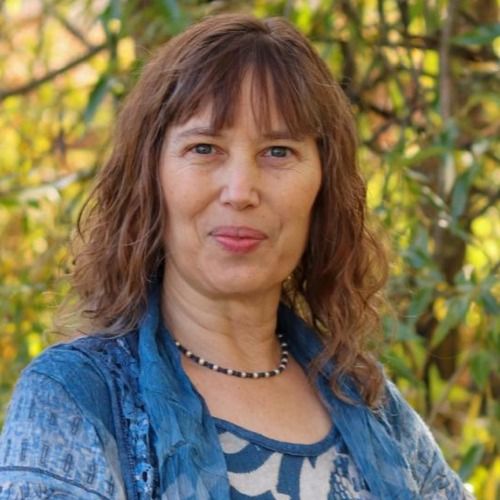
S2EP67-Deborah Rechnitz-Financial Fun for Families: Grandma Deb's Playful Approach to Money!
Imagine a world where money doesn't grow on trees, but instead, it's a magical concept that kids are just starting to grasp! In this lively chat with Grandma Deb, we dive into the wild world of financial literacy for children. With over 40 years of experience consulting for small businesses, Deb is on a mission to ensure that the next generation understands the value of money. She recounts a pivotal moment when she witnessed kids treating cash like candy, without a clue about its worth. Deb suggests that we start teaching our little ones about money in a fun and engaging way, beginning with the basics like piggy banks and the age-old phrase, 'money doesn’t grow on trees.' This episode is packed with practical tips for parents and educators to help kids learn about earning, saving, and spending wisely. From the importance of teaching values to using everyday moments—like grocery shopping—as learning opportunities, this conversation is a treasure trove of advice for cultivating financial savvy in the next generation. So grab your headphones and get ready to laugh, learn, and maybe even rethink your own relationship with money!
A gift from our guest: A FREE PDF coloring book for Billy and the Sweet Surprise. Just email me for a copy at drechnitz@gmail.com. Please mention Bringing Education Home podcast.
Professionally, Deborah has provided consulting services to privately owned, medium and small business owners for over forty years. Her work took her to 4 continents to share her knowledge and experience and to help businesses grow, improve profitability, and increase their value. Deborah wrote my first book “Success in Small Business” to share the experiences, hopes and dreams of hardworking business owners and their individual path to success. Now, Deborah is now able to spend time with her grandchildren and other young children and finds that our newest generation is missing out on a strong financial education. Kids see money as free (easy to come by), easy to spend (no thought to other options), and not much interest in learning more. In addition, parents find it hard to explain most financial principles. Grandma Deb was born (pen name for the 1st book in a series). Her slogan “Money - how to earn it, save it and spend it wisely” is her primary focus.
Bringing Education Home is an educational podcast brought to you by Kristina and Herb Heagh-Avritt.
If you enjoy the show, we'd love for you to leave a rating or review on your favorite podcast app!
Please let your friends know they can listen for free on Apple Podcasts, Spotify or their preferred podcast app or online at Bringing Education Home.
Sponsored by Vibrant Family Education - creating Happy, Healthy and Successful kids
Follow us on these socials:
Facebook Group - The Family Learning Circle
Facebook Business Page: Vibrant Family Education
Support Bringing Education Home
Copyright 2026 Kristina & Herb Heagh-Avritt
This podcast is hosted by Captivate, try it yourself for free.
Transcript
I now have the pleasure of introducing Deborah Recnix.
Speaker A:Deborah has provided consulting services to privately owned, medium and small businesses for over 40 years.
Speaker A:Her work, her work took her to four continents to share her knowledge and experience and help businesses grow, improve profitability and increase their value.
Speaker A:Deborah wrote her first book, Success in Small Business to share the experiences, hopes and dreams of hardworking business owners and their individual path to success.
Speaker A:Now Deborah is able to spend her time with her grandchildren and other young children and finds that our newest generation is missing out on strong financial education.
Speaker A:Kids see money as free, easy to come by, easy to spend, no thought to other options, and not much interest in learning more.
Speaker A:In addition, parents find it hard to explain most financial principles.
Speaker A:Grandma Deb was born a pen name for her first book in a series.
Speaker A:Her slogan, money, Money, how to earn it, spend it and save it Wisely is her primary focus.
Speaker A:Welcome Deborah, it is a pleasure to have you here today.
Speaker A:Thank you very much for being here.
Speaker A:And I do realize that I got the last two words in that title backwards, but it will be all in the show notes and it will be there.
Speaker A:So thank you very much for joining us today.
Speaker A:It is a pleasure to have you here today.
Speaker A:Money is such an important topic around the world, especially today.
Speaker A:We really do need to get our children more involved with it.
Speaker A:So thank you for being here today.
Speaker B:It's a pleasure to be here.
Speaker B:I'm very happy to be able to talk about this today.
Speaker C:So do we call you Deborah or do we call you Grandma Deb?
Speaker B:You know, I answer to most anything and since the last name is a bit hard, Deborah, Grandma Deb is just perfect.
Speaker C:Perfect.
Speaker C:Yes.
Speaker C:And like Herb was saying, you know, we really enjoy bringing on people like you who are focused on families and kids and really helping all of our families up level, like take that next step into their family adventure, whether it be a different kind of education, a different kind of movement forward like finances, nutrition, all those kinds of things.
Speaker C:So again, thank you for being here.
Speaker C:We want to start with the question of why this passion.
Speaker C:We know you have the corporate and this other business background and now your grandkids.
Speaker C:What was that pivotal point was like I really need to do something in this area.
Speaker B:Well, I, I have to tell you the story that was that pivotal point and what happened is a bunch of kids, the kids were all about 12 years old, they were given some money by their parents, like $5, $10 bills and they went to a store, they literally slapped the bill on the counter and said didn't ask and Said, just give me the candy that I can spend with this money.
Speaker B:So in their minds, there was no concept of how much does $5 buy, what has value.
Speaker B:It was basically, here it is and give me what I want.
Speaker B:And it took me so aback that that was common.
Speaker B:I mean, there were, there were lots of kids that were handling money that way.
Speaker B:And it was so frustrating.
Speaker B:And it isn't their fault.
Speaker B:I can't blame them.
Speaker B:That's not what we're doing here.
Speaker B:But I realized after digging a little bit that there is nothing in the educational system.
Speaker B:There's nothing, almost nothing in writing.
Speaker B:It's not in the formal system, it's not in the informal learning system.
Speaker B:For them to grasp these concepts and learn them before they need them.
Speaker B:And that was the moment for me.
Speaker B:I had to find some way to contribute for these kids education.
Speaker A:Yeah, I remember because I was in high school when they took out home economics from the curriculum because it's like, oh, that's cooking.
Speaker A:It's like, it's not just cooking.
Speaker A:There's like changing tires and, and how to, and, and balancing checkbooks and a budget.
Speaker A:So that was all part of it.
Speaker A:So I, I was one of the last classes that actually got to have that in high school.
Speaker A:And ever since then, it's like the generations just are less and less and less.
Speaker A:Especially now with how easy that buying on plastic is.
Speaker A:You just walk by and you swipe a card and it's just.
Speaker A:There's no physical exchange anymore.
Speaker B:And those were the issues I had to come to terms with is how do you explain what a debit card is?
Speaker B:It's pretty much magic.
Speaker B:It's just tap and go.
Speaker B:And so to explain to smaller children that, well, where does it come from and how do you use it and how do you know what happens to it?
Speaker B:All those are issues that never had to be discussed before.
Speaker B:These kids don't see dollar bills, they don't see co. See tap and go.
Speaker B:And so the whole thing is, is a very hard concept to talk about.
Speaker C:And you know, sometimes, and we were guilty of it as we were raising our boys is like sometimes when families are struggling with money, right, they try not to share all of those struggles with the kids because it might not be age appropriate.
Speaker A:We don't need to stress out the kids.
Speaker A:We don't want them to know.
Speaker A:We don't want them to know how poor we are.
Speaker A:We don't want that stigma over them while they're out with their friends.
Speaker A:We want to have them be as normal as possible.
Speaker A:So you know, but at the same
Speaker C:time, we're taking away that value of the learning.
Speaker C:You don't have to go into the stress of it, but you can go into, oh, we're watching our budget this month.
Speaker C:We're watching this because this didn't add up the same way it has in months past.
Speaker C:It's a knowledge base instead of a stress thing.
Speaker A:Yeah.
Speaker A:So to kids, Ma or money is magic, and we need to.
Speaker A:Magic take that away from them.
Speaker A:And like, no, it's not magic.
Speaker A:This is.
Speaker A:This is how it comes and why it takes.
Speaker B:It takes parents.
Speaker B:It's a very scary subject because that pressure is there every week, every month.
Speaker B:You got to pay the bills.
Speaker B:You don't want them to feel that stress, and yet they need to learn it at the level that they're ready for.
Speaker B:And that's.
Speaker B:That's the challenge, the tightrope that we end up walking.
Speaker B:But what you do realize is that the parents know all about finance.
Speaker B:Finance is a fancy term for money, for earning it, saving it, spending it.
Speaker B:And so they really know a lot more than they realize.
Speaker B:So it's just picking the subject, picking the time, and slowly feeding the education.
Speaker C:Yeah, exactly.
Speaker A:It's amazing because they also know a lot less than they think they do as well, because they think of currency as money.
Speaker A:And there is so many other ways to look at money than just what is in dollars.
Speaker A:And so then to add that extra layer on top of it, then you're going to, like, blow away almost like 90% of the rest of America.
Speaker C:So it's like we're doing basic finances.
Speaker A:Basic finances.
Speaker A:But again, it's like if you give them, like, something, like, substantial and then give them a dollar bill, they will say, this is something and this is nothing, and that is actually closer to what money is than.
Speaker A:Than anything else.
Speaker A:So, yeah, kids get it conceptually, and that's why it's hard when they're looking at.
Speaker A:At dollars and stuff, because it's not.
Speaker A:It's not real to them.
Speaker A:So it's not real.
Speaker A:Really, really confusing for kids, but.
Speaker A:But very, very important to at least get the understanding so they can grow into it.
Speaker B:That's right.
Speaker B:If we can get them the basics, then as new information comes, they're able to absorb it or learn it or put it in some framework that we've already given them, and they don't even have that framework to get started.
Speaker C:So going back to your story, were you able to help those kiddos understand a little bit, or was that just the impetus for everything else?
Speaker C:That you're doing.
Speaker B:I think those kids were already 12 and I decided to start with the 4 year olds.
Speaker B:4 to 8 year olds was my first target.
Speaker B:And that's where the book focuses.
Speaker B:And the next one is 8 to 12 year olds and that's where the debit card, credit cards, banks really start to.
Speaker B:You could talk about those things, but no, I started with the, the ones that still have a piggy bank.
Speaker C:Awesome.
Speaker C:So let's give that parent.
Speaker A:Yeah, that was going to be our question.
Speaker A:Yeah, how do we get started in that?
Speaker A:So how, how do we get parents to start learning the very first, like first step, like, oh man, we don't know.
Speaker A:We got to get started in this.
Speaker A:We have to get this under control.
Speaker A:Step one.
Speaker B:So I'll give you step one in, in just a moment.
Speaker B:The question is, how old is the child?
Speaker B:Because I, I found that the four to six year old counts the money and the six to eight year old collects the money.
Speaker B:And then the Next group, the 8 to 10 year old, is willing to wait for some money.
Speaker B:So counting really is the Piggy Bank.
Speaker B:It's 1, 2, 3.
Speaker B:But I don't think it's important to count quarters and nickels and dimes.
Speaker B:That's all very complicated.
Speaker B:But a piggy bank that has a window in it or just a glass jar allows me to count.
Speaker B:And the reason I, I struggled with a lot of the books talk about counting coins and counting.
Speaker B:And I thought realistically, in the next generation there won't be any.
Speaker B:A lot of countries there isn't any.
Speaker B:There's no checks, there's no coins, there are no bills.
Speaker B:What they need to understand is value.
Speaker B:What does it buy?
Speaker B:As you said before, Herb, So the piggy bank is step one.
Speaker B:Then, then they can start dealing with the value.
Speaker B:And that starts, goes into what's the very first discussion point?
Speaker B:And I chose money doesn't grow on trees because I have an editor for the book who is 8 years old now, he's 9.
Speaker B:And I asked him, he says, I don't know what that means.
Speaker B:So that's brilliant because he asked a question which means he might listen to the answer.
Speaker B:Money.
Speaker B:And I didn't realize, you know, adults have always heard money doesn't grow on trees.
Speaker A:Oh yeah.
Speaker B:But the kids, the kids don't have a clue what that means.
Speaker B:So it provides the opportunity.
Speaker B:Well, I can't just grab money and it's not a leaf and it's not off the tree and then go spend it.
Speaker B:I go to work and that's the explanation I give, I go to work, then I have to pay bills like that.
Speaker B:He will understand the gas because he goes to the gas station, and the groceries because he goes to groceries.
Speaker B:And so parents understand that.
Speaker B:They then understand money and can talk about money to the kids.
Speaker B:But money doesn't grow on trees.
Speaker B:That's why I go to work.
Speaker B:So that's where I start.
Speaker B:I start with, money doesn't grow on trees.
Speaker C:And I love that because it's a different take on that saying than what we grew up.
Speaker A:Oh, I hated that saying.
Speaker C:Yeah.
Speaker C:When we grew up as, like, you know, it wasn't easy to get or whatever.
Speaker C:That's what it meant for us.
Speaker C:But for you, you're changing the meaning of that a little bit.
Speaker C:It's like, no, it's something that we work towards that we can't just pick up like a leaf.
Speaker C:Right.
Speaker C:So I love that shift on that meaning.
Speaker A:And I also like how you talked about talking with children about value.
Speaker A:And.
Speaker A:And because then that does lead to another thing about what money is, is.
Speaker A:Money is a store of value.
Speaker A:It is not a valuable thing in and of itself.
Speaker A:It's like, I have eggs.
Speaker A:I want bread.
Speaker A:The guy who has the bread doesn't want eggs.
Speaker A:So instead of doing, like, five trades to get to the bread, there is this one thing in the middle that I can trade for and I can get that value, and then I can give that value to somebody else.
Speaker A:That's.
Speaker A:That is the money thing that even.
Speaker A:Even adults don't get because they all just come to the.
Speaker A:To the.
Speaker A:So, but.
Speaker A:So, yeah, getting that idea to kids through the barter system first, tremendously beneficial.
Speaker B:Yeah, yeah.
Speaker B:And they learn that and they remember it because it does have a bit of a slang to it.
Speaker B:Money doesn't grow on trees.
Speaker B:Everybody can say that.
Speaker B:So that.
Speaker B:That.
Speaker B:That's where I started.
Speaker C:I love that.
Speaker C:Yeah.
Speaker C:And then, like you said, as they're growing and maturing, they can finally start waiting for the money.
Speaker C:Right.
Speaker C:They want to buy something.
Speaker C:And you're able to explain, well, you don't have enough money for that yet.
Speaker C:What can you do to get the money?
Speaker C:Or can you wait until your next birthday to get the money, et cetera.
Speaker C:So go ahead and explain a little bit more around that.
Speaker B:That's exactly right.
Speaker B:So it's interesting that then can also work into a math program.
Speaker B:So if you're on an allowance, which some people are, it says, well, you want this?
Speaker B:It costs $10.
Speaker B:How many weeks do you have to wait in order to do your Chores get the money and then buy it.
Speaker B:And so that's their waiting period.
Speaker B:But they also know there's something at the end for them.
Speaker B:They're not just doing it for no good reason, they're doing it for something that they want.
Speaker B:So that becomes the issue of allowance.
Speaker B:Do you pay it?
Speaker B:Don't you pay it?
Speaker B:And there's a debate on both sides.
Speaker B:But what I find is if a family says, well, it's all family money and we spend it together, and so I'm not paying for chores, that's one solid argument.
Speaker B:It also means there should be some sharing in decision making, because if it's family money, I'm part of the family.
Speaker B:The other side of it is when the parent pays a child an allowance because they earned it, what is interesting is now they have to make a decision.
Speaker B:And the decisions can be giving it back to the family because they need to pay the bills.
Speaker B:And then there's another discussion point, or it's mine, I still have to make a decision.
Speaker B:What do I do with it?
Speaker B:What are my choices?
Speaker B:And then they start absorbing that and owning that decision, which I kind of like that, that approach.
Speaker B:They act totally different when it's their decision.
Speaker B:But we've.
Speaker B:I've got a.
Speaker B:There's a child, he.
Speaker B:He's got more money and his parents keep borrowing from him.
Speaker B:So now he's learning and he's 10.
Speaker B:He's learning about loans and maybe interest earned and all sorts of secondary issues that come with that.
Speaker B:So the whole thing becomes a game, which is great, but it's also a point of learning.
Speaker C:Yeah.
Speaker A:Yeah.
Speaker A:I remember when I started first working, it was like my first paycheck.
Speaker A:I went out and spent it all.
Speaker A:I actually, like took my whole family out to dinner and wiped it out.
Speaker A:Two weeks worth of work gone in one day.
Speaker A:And it was like, oh, that was interesting.
Speaker A:And then, then there was the, oh, I want this.
Speaker A:And it's like as, as I'm building towards that big thing is like, oh, there's this thing I want.
Speaker A:There's this thing and these.
Speaker A:And it kept taking up.
Speaker A:So there is this learning process.
Speaker A:And then by the time I got enough money to the thing that I wanted, I didn't even want it anymore.
Speaker B:Right, right.
Speaker A:So there is, there is so much learning in that, in value, in, oh, it's going to take me this time.
Speaker A:Oh, I. I have to do stuff.
Speaker A:It's not just there and then prioritizing.
Speaker A:That is.
Speaker A:That is incredibly valuable for a young mind to go through that process early.
Speaker B:And the nice part about early is there will be mistakes along the way, but nobody is badly hurt from those mistakes.
Speaker A:It costs a lot less when you're 10, when you're 20 or 30.
Speaker B:Exactly.
Speaker B:I wasted it all on candy and now I'm sad about that.
Speaker B:Well, that's okay.
Speaker B:That's how we learn and we can make those mistakes at those ages.
Speaker B:But I have to give them the opportunity to make that mistake and not give them my opinion saying, you know, this is really a bad idea.
Speaker B:Of course it's a bad idea.
Speaker B:But I'll keep my mouth shut and let them explore and experience that bad idea.
Speaker A:Let them get hurt responsibly when they're young.
Speaker B:Right.
Speaker A:And then it hurts less and they have ways to get around it when they're older.
Speaker A:35 year old who's got all the stuff he wants, the cars and the toys and suddenly stuff happens and, and have a job.
Speaker A:He doesn't have a job anymore.
Speaker A:Then, then.
Speaker A:So yeah, don't do that at 35, do that at 10, do that at 12 and then figure out.
Speaker A:And don't do that at 35.
Speaker B:Right, exactly.
Speaker B:Right.
Speaker C:So I actually had a question about the allowance, right.
Speaker C:Because when we were raising our boys, it was one of those things that.
Speaker C:No, it's family money.
Speaker C:We didn't believe in allowances just for allowance sake because that was very common at that time.
Speaker C:Oh, everybody gets, you know, $2 and 50 cents a week no matter what.
Speaker C:And we were like, no, no, no, no, that doesn't work.
Speaker C:If they're going to earn money, they're going to actually earn it by doing chores.
Speaker A:We didn't get allowances.
Speaker C:Yeah.
Speaker A:When we were growing, we were also a poverty mindset.
Speaker A:Our parents were really poor.
Speaker A:So that, that has a whole nother realm to it.
Speaker A:So the whole money is just always there.
Speaker A:That's, that's for only like 30% of the population.
Speaker A:There's another 30% that there is no money.
Speaker C:But, but.
Speaker C:So my question was going to be, where do you kind of come down on it?
Speaker C:Do you think that they should have chores where they can earn money or it should be like a family?
Speaker C:I don't know.
Speaker C:What, which side do you kind of come down on?
Speaker B:I'm not sure there's a right and wrong side, but I think both of them comes with responsibilities by the parents.
Speaker B:So if it's all family money, and frequently that's the case because there is not a lot of excess money, then I think that also needs to be shared because their friends might be Getting chores and might be getting an allowance.
Speaker B:And it's nice to know why you're not getting it.
Speaker B:And I think sharing it, as you say, without the stress, which is challenging, no question about it, is just fine if we can share it.
Speaker B:And one of the ways to do that is while parents pay bills, which is an interesting concept.
Speaker B:We usually pay bills at night after the kids go to sleep.
Speaker C:It's quieter.
Speaker B:It's quieter.
Speaker A:You know what?
Speaker A:Actually now most of it's all just handled once a year and you don't even have to look at it.
Speaker B:Well, that's true.
Speaker B:Unless it's tight, you see?
Speaker B:And when it's tight, you look at it every week or every month, depending on its tightness.
Speaker B:And so if a, if a parent can take just one issue or one week and do it a little differently and pick one topic, we're not going to pay this this week because.
Speaker B:Or I'm trying to save this much money, but I can't do it this week because.
Speaker B:And that discussion, then it becomes family money, family decisions.
Speaker B:And that's just fine if you do that instead of an allowance, but either way, I'm trying to build a moment in which to have those discussions.
Speaker B:Doesn't matter how you have those discussions.
Speaker C:Yeah, absolutely.
Speaker C:Love that.
Speaker C:You know, one of the things that we really try to help families think about is either a family meeting or a family get together where we discuss those kinds of things.
Speaker C:Right.
Speaker C:Is it, is it budgeting week?
Speaker C:Is it vacation planning week?
Speaker C:Is it, you know, change of schedules from winter schedule to a summer schedule kind of thing?
Speaker C:Having those meetings and having those discussions around your children and with your children really gives them that knowledge base, like you said, for later in life or later decisions.
Speaker B:And I really look for the teachable moments.
Speaker B:The, the meetings become probably multiple topics in discussion where if I fall into a teachable moment, somebody might be listening to me.
Speaker B:And the number one is the weekly grocery shopping, which is brilliant for money and choices and values.
Speaker B:So if the child is walking the.
Speaker B:The cheapest.
Speaker B:And cereal with the most sugar is usually at their level that they walk through in the grocery store.
Speaker B:And the, the cereal that I might want, which has the, the oats and some nutrition maybe is much higher on the shelf.
Speaker B:So they want the one on the bottom, I want the one on top.
Speaker B:Mine may be more expensive than theirs.
Speaker B:And so I have a teachable moment.
Speaker B:Why am I choosing the one on the top shelf?
Speaker A:Well, you got to start going into nutritional density and sugar and all that stuff.
Speaker A:That's a whole Nother conversation.
Speaker C:We'll have that discussion the next week.
Speaker B:It is, I only want to focus on the money and the value, perhaps.
Speaker B:And alternatively, if this box is twice as big as that box, but it's not twice as expensive, which one should we get?
Speaker B:That's their decision.
Speaker B:They're going to think it through.
Speaker B:It has a bit of math to it, but it's all about money and value.
Speaker B:And so the grocery store is great for that sort of moment.
Speaker A:It's also great because you could, you could put in an artificial budget.
Speaker A:Like today we're going to go spend this amount of money.
Speaker A:We're not going to go over that.
Speaker A:Even if you can set that amount and then start teaching the kids to prioritize what they get and then deal with the consequences for a week, let them deal with the consequences of their decisions.
Speaker A:And it's amazing how well that can actually start training in as well.
Speaker B:Yeah, that's perfect.
Speaker B:That's absolutely perfect.
Speaker B:And, and similarly, if they're making a list, whether it's a list that they want for their birthday or Christmas and holidays, they all seem to make lists.
Speaker B:And, and so they have no idea the value of those items on the list.
Speaker B:And these days those things cost a lot of money.
Speaker B:So if I said, well, you can have the number one item or you can have two and three because they don't cost nearly as much.
Speaker B:And we can certainly go online and price all this these days.
Speaker B:Now they have to think about it.
Speaker B:They have to make a choice.
Speaker B:And again, they're really talking about money all the time.
Speaker B:That way they just don't realize it and they don't have to talk about it and call it finance.
Speaker B:It's just making choices.
Speaker A:Yeah, we're just coming out of one of the worst money decision for children type stuff right now in the world.
Speaker A:Because children, children don't understand that.
Speaker A:And so how come Santa Claus brings that kid over there like a bicycle and I got a pair of socks.
Speaker A:So yeah, that, that conversation around money and Christmas time, that, that can be really brutal.
Speaker B:It can be.
Speaker B:Yes, exactly.
Speaker B:So if I pull them into wasn't nearly as painful.
Speaker B:I said, you realize this costs a thousand dollars and you know, whatever that means, it means that's a lot.
Speaker B:And this one costs a hundred dollars.
Speaker B:You can have 10 of those that I understand.
Speaker B:I can have 10 of those and one of those.
Speaker B:Which ones do I want?
Speaker A:And you asked for a doll and you asked for a phone.
Speaker A:You could have 5,000 of these for the price of one of these.
Speaker A:They're not equivalent.
Speaker B:It's, it's a perfect teaching moment.
Speaker B:Yeah, yeah, yeah.
Speaker C:And when you're talking about that list, the other thing that I always like to do a little bit was have the kids guess the price and then actually go look it up.
Speaker C:Because then all of a sudden like they're like, oh wait a minute, I'm way off.
Speaker C:You know, I thought, you know, I thought that toy was going to be like $5 and we go look it up and it's $55.
Speaker C:They also get to see those differences and learn that value a little bit more.
Speaker A:Oh, that happens to me all the time.
Speaker A:It's like, oh, I want one of these and I'll go look.
Speaker A:It's like, oh, I can make one of those myself.
Speaker B:Yeah, I don't need it that badly.
Speaker A:I don't need it that bad.
Speaker C:Exactly.
Speaker B:Oh, awesome.
Speaker C:So we cover that 4 year old to 10 year old kind of chunk and level.
Speaker C:And then you said the next one is kind of like that 10 to 12 or 12, 14ish age.
Speaker C:What's something that we can do for those parents?
Speaker B:So then we talk about banks.
Speaker B:Now that presumes that the children have a little bit of their own money.
Speaker B:And the question is, what is a bank good for?
Speaker B:Which actually I struggled with the answer to that.
Speaker A:Yeah, there's not a lot that her banks are good for.
Speaker B:Well, that's exactly right.
Speaker B:And that's what we need to tell parents because they, they're looking at it as well.
Speaker B:There's only really one thing that a bank offers today or, or businesses that are like banks and that's the debit card.
Speaker B:Because I need an account transactional ease that has money in it.
Speaker B:That's my money.
Speaker B:And then they give me a debit card.
Speaker B:And so I need to have a conversation of what is it, how is it used?
Speaker B:It's my money and I can only use it as long as I've got my money in the bank.
Speaker B:Right.
Speaker A:Debit cards are a little bit safer than credit cards in that way.
Speaker A:In the same way that checks used to be.
Speaker A:I still have checks, I still have money.
Speaker A:That's not true.
Speaker B:Well, I'm still looking for checks these days because those are going away as well.
Speaker B:It's interesting that credit cards are very difficult because in this country you have to be.
Speaker B:It's either 16 or 18 years old before they will give you your own credit card.
Speaker B:So for kids to understand the downsides to a credit card, they never have an opportunity to do so.
Speaker C:It's a family structure.
Speaker C:Yeah.
Speaker B:Not even as an independent until they're old enough to get into a lot of trouble, which explains why they get into so much trouble.
Speaker B:And, and that's the difficulty with a credit card.
Speaker B:They can get one on your account, which doesn't help them and it doesn't help you either.
Speaker B:So it has to just be discussed in theory, and that's then on the older child after they've used the debit card, and then to explain the differences, but it's all theoretical until they get into trouble.
Speaker A:And the hard part is, is our, our whole society is based on debt.
Speaker B:Yeah.
Speaker A:You know, we, we don't have a cash flow society.
Speaker A:We have, ours is based on debt.
Speaker A:So to not go into debt is actually hard in this country to stay cash flow positive because of, of how our system is actually designed.
Speaker A:So like the, the personal debt in this, in this country is astronomical.
Speaker A:It's in the, it's in the trillions of dollars of how much money is borrowed.
Speaker B:Right.
Speaker B:And, and if you borrow it on a credit card, understanding how expensive that is, and it's not only the interest, but then there's also fees, Associates say
Speaker A:payment over time and of the late, late amounts.
Speaker B:So it becomes, I can only do it with a discussion and an article.
Speaker B:And until they experience the debit cards, they can't really understand the credit card, which is sort of one level past that.
Speaker C:I remember going off to college and one of the very first things in the packet of papers when we got to college was your first credit card application.
Speaker C:And they would give us a credit card.
Speaker C:Like the first year of school, it's like, oh, well, you might need to help you buy some books or you might need to, you know, buy, buy some food if, if the commissary is closed.
Speaker A:Back then it was a $500 limit,
Speaker C:but it was a limit.
Speaker C:Right.
Speaker C:It didn't let us get into too much.
Speaker A:Tell you what, that $500, when I hit it, that caused me some problems.
Speaker A:Holy moly, did that cause problems.
Speaker A:$500, you're supposed to pay it back.
Speaker B:Nobody told you that.
Speaker C:They're just like.
Speaker C:Yeah, yeah, exactly.
Speaker B:And now we're so used to tap and go.
Speaker B:Well, you just tap and go, what's the difference?
Speaker B:And as you said, the cards look nearly identical.
Speaker B:They're all, mine are all blue, which annoys me to no end, but that's what it is.
Speaker B:And so not only do they act the same and they look the same, but they're, they're not the same.
Speaker B:So if a child has learned along the way they may also be listening to you when that credit card comes.
Speaker B:And that's the best we can hope for.
Speaker B:Yeah, we're trying to build that rapport and that discussion around money.
Speaker B:A lot of people grew up saying, well, talking about money is not something this family does.
Speaker C:Exactly.
Speaker B:And that was very, very common.
Speaker B:So then you can try to talk about it and you'll find, well, they're not really interested.
Speaker B:So I'm looking for these teachable moments where there's still not interest, but there might be enough interest in the cereals and in the toys and in the bike.
Speaker B:And so that's the discussion we have of something that interests the children so that they'll listen.
Speaker B:Best we can hope for.
Speaker A:I'm a kind of a weird guy.
Speaker A:Talked about it a little already, but there are times where, when I get into these teachable moments with kids, even sometimes when they're around their parents, is like, I'll.
Speaker A:I'll go into this, like, deep explanation, and then I'll look at the kids like, you have no idea what this means.
Speaker A:But just hearing this is going to plant a seed.
Speaker A:And now that information is in there somewhere, and when you need it, it might come out.
Speaker A:And the parents are like, yes, that.
Speaker A:So they don't mind when I do stuff like that.
Speaker A:Because.
Speaker A:Because again, it does if you hear it once, if you hear it twice, even as a kid, when it comes back later, that seed is there, that brain is there, and it's something to build on instead of, oh, I'm just hearing it for the first time.
Speaker A:Remembering a little bit is easier than learning from nothing.
Speaker B:Right, Right.
Speaker B:That's it.
Speaker A:Keep.
Speaker A:Keep poking at your kids, even if it's not like, yeah, right there all the time.
Speaker C:Formal.
Speaker B:Yeah, that's right.
Speaker C:Exactly.
Speaker C:Right.
Speaker C:Yeah.
Speaker C:I call it marinating.
Speaker C:And it's.
Speaker C:It's that exact same thing, you know, that idea of a little bit there, and then it grows and it grows as they hear it over and over.
Speaker C:And, you know, if we look into brain science, it takes at least seven times, and for some people, up to 100 times to actually learn a concept.
Speaker C:So it's not a horrible thing to repeat it several times.
Speaker B:Right, right.
Speaker A:Don't get mad.
Speaker A:I already told you this.
Speaker A:It's like, I'm reminding you of this.
Speaker A:I'm reminding you of this.
Speaker A:Hey, I'm reminding you of this.
Speaker B:Well, it happens every week.
Speaker B:We're going to the grocery store.
Speaker B:You've got the list.
Speaker B:Are we going to add to the list or not?
Speaker B:Is it in the Budget or is it not?
Speaker B:And adults think about it all the time.
Speaker A:Oh, wait, we forgot the list this week.
Speaker A:Do you remember what was on the list?
Speaker A:That's.
Speaker A:That happens with us.
Speaker C:We never forget the list.
Speaker B:Remember, it's on the phone.
Speaker B:Just like the.
Speaker B:The debit card is now on the phone.
Speaker B:They don't even see the card anymore.
Speaker B:So the next generation, it's.
Speaker B:All the cards are on the phone.
Speaker B:And so that has to be discussed.
Speaker C:How do you.
Speaker B:You.
Speaker B:You know, if the money doesn't grow on the trees, it must grow out of the phone.
Speaker B:Right.
Speaker B:So how does that.
Speaker B:How does that actually happen?
Speaker C:Yeah, the Apple wallet, the Google wall, all those.
Speaker A:And now there's these stores that don't even have people working in them.
Speaker A:And you just put stuff in the cart and the cameras watch you, and you walk out the door and it charges you.
Speaker A:It's just like, you walk in, you pick up your stuff and you leave.
Speaker A:There's no interactions and money is gone.
Speaker B:It's free.
Speaker B:Right?
Speaker B:It's all free that way.
Speaker B:So that really takes a point of discussion.
Speaker B:How did we do this?
Speaker B:Do you know how we did that?
Speaker B:And so asking those questions at least gets them thinking that if it's not free, how did we walk out of the store?
Speaker B:And we have all this food now.
Speaker B:I mean, to actually do it is a bit frightening.
Speaker B:I don't know if you've done it before, but the first time I did it was absolutely frightening.
Speaker B:I just walked out of the store with everything I grabbed off the counter and nobody said anything.
Speaker A:Looking around is like, oh, this feels wrong.
Speaker C:He's gonna chase me down the street.
Speaker B:No bells went off.
Speaker B:And, but to.
Speaker B:And I, I somewhat understand this, but to explain it to somebody that's smaller and younger is.
Speaker B:Is very challenging.
Speaker B:Or just.
Speaker A:And then they have somebody grab something off of the shelf and run, and people chase him and try and get it back and put them in a light with flashy cars.
Speaker A:And how come I can walk out of the store and they can.
Speaker B:That's exactly right.
Speaker B:So I show them the credit card statement, and there you go.
Speaker B:It shows that I actually walked out and paid for it.
Speaker B:But it just.
Speaker B:It takes that amount of time to explain those things to kids.
Speaker B:And you're right, they don't understand it the first time, and that's great.
Speaker B:Or the second or the third time, and we just keep at it.
Speaker C:Yeah.
Speaker C:And the biggest thing I want to pull out of that discussion that we just had is parents ask your child where they think or why they think what Just happened.
Speaker C:Happened.
Speaker C:So maybe it is walking out of the store.
Speaker C:Why were we able to take the stuff out of the store when we didn't really talk to anybody?
Speaker C:Right.
Speaker C:Ask that question.
Speaker C:Ask that process.
Speaker C:Whenever you're cooking something on the stove.
Speaker C:Why do you think that this part got hotter than this part?
Speaker C:Right.
Speaker C:You're asking those questions with curiosity and seeing what they're thinking and then you're able to correct the misunderstanding as you're having those conversations.
Speaker C:Don't just assume that they're absorbing it through osmosis because they were standing there beside you.
Speaker A:They are absorbing a lot through osmosis.
Speaker C:A lot.
Speaker C:And yes, point of discussions, right?
Speaker C:Yeah.
Speaker B:Not necessarily the correct answer.
Speaker B:The money flies through the air is the best experience explanation that I was able to come up with.
Speaker B:Because it does.
Speaker B:It flies from the bank and then of course it goes up to the satellite and back down.
Speaker B:And they understand satellites these days, right?
Speaker B:They do.
Speaker B:And it goes back down to the store and it misses me altogether.
Speaker B:And that's somewhat the explanation that we have for kids.
Speaker B:Something they can understand and we can sort of explain and not look, you know, too stupid about.
Speaker B:Right?
Speaker A:Yeah.
Speaker A:Talk about trust and honor in that as well.
Speaker C:Yeah, exactly.
Speaker A:Those kind of.
Speaker A:Those kind of stores can only exist in a trust and honor society where that is really high.
Speaker A:If you put that in somewhere where there's not trust and honor, then those stores get emptied really quick.
Speaker A:So.
Speaker B:Right.
Speaker A:Again, it's situational as well, and societal and area.
Speaker A:And there's all sorts of factors.
Speaker A:And all of this is so individual and still needs to be.
Speaker A:Talk to the kids and why it's like we are not all the same.
Speaker A:There's 6 billion people on this planet and every single one of them is different than every other one of them.
Speaker B:That's absolutely right.
Speaker B:And even talking about money, we have to decide are they ready for this discussion or are we still on that discussion?
Speaker B:And I think if we miss a few steps, then we have to go back and fix those as well.
Speaker B:So I have to start with the piggy bank and then I have to go to the list of things I want for presents and then I have to go to the next step of, well, you're.
Speaker B:You're working in the neighborhood, earning money.
Speaker B:What do you.
Speaker B:What do you want to use it for?
Speaker B:So that's the next step.
Speaker B:And interesting.
Speaker B:I get the answer of.
Speaker B:Yeah, I don't know.
Speaker B:I haven't actually got anything in mind.
Speaker B:Which is an interesting answer.
Speaker C:Then how do you save it?
Speaker C:Or how do you Donate it.
Speaker C:Right.
Speaker C:Because then we bring in the charity and helping other people as well.
Speaker B:Correct.
Speaker B:Because they have to do some work in the neighborhood for people who maybe won't pay them and learn what that feels like because it feels really good at the end of the day and realize that that was a really good thing to do.
Speaker B:And there'll always be other people who will maybe pay them for those activities, but there's people that can't.
Speaker B:And, and that works into the.
Speaker B:How else do you use your money rather than just spending it on yourself?
Speaker A:And, and one of the things that we really try and talk about is about giving value or, or getting, getting the value out of the effort in the work, not out of the reward.
Speaker A:So the money at the end isn't the prize, isn't the cherry, the doing the work, the doing it right, the feelings you get.
Speaker C:Right.
Speaker B:Right.
Speaker A:Because if you're going to do it, do it right, then the money becomes not the important thing, it's the work doing it right that you feel.
Speaker A:So.
Speaker A:Because if you're only doing it for money, then your life is going to go badly.
Speaker B:And they, and they get that feeling when they do that.
Speaker B:That's why they don't really have anything they're, they're working towards.
Speaker B:They just discover.
Speaker B:It's just, it's just kind of a fun thing to do.
Speaker B:You know, pick up the leaves for the neighbors and shovel the snow.
Speaker B:You don't get to do much of that but shovel the snow for the neighbors.
Speaker A:And then you get to build one of those things where the money just kind of keeps climbing and climbing and you just for the fun of it, not because it's money, but because that's right.
Speaker A:If you were collecting rocks, your rock collection would keep getting bigger.
Speaker A:And you're collecting money, your money collection keeps getting bigger.
Speaker B:Exactly.
Speaker B:But so.
Speaker B:And then they share it back with the family, which is also a very positive thing.
Speaker C:Yeah.
Speaker B:If they have that opportunity.
Speaker B:So it's, it's, it's a challenge, it's a work in process to watch all these kids and, and, and try and get the message out, which is what you're contributing to today.
Speaker C:Exactly.
Speaker C:Yeah.
Speaker C:This has been a great conversation.
Speaker C:Have you, did you have anything written down that we haven't been able to share that you really wanted to share today?
Speaker A:I usually talk about this.
Speaker A:I always get to this point.
Speaker A:Oh, I didn't get there today.
Speaker A:What is that?
Speaker B:No, I, I think what I wanted to share is that what we're trying to do with this book and the Next book is to distribute as many copies to as many people as we want as we can.
Speaker B:So today, for instance, we just got a grant for a housing, a low income housing community that has 800 residents.
Speaker B:They got 50 kids, we estimate under 8 years old, and they're all getting a book.
Speaker C:Awesome.
Speaker B:I know, I'm, I'm so excited about it.
Speaker B:It's in, it's in the state of Michigan.
Speaker B:I don't care where it is.
Speaker B:It could be anywhere at all.
Speaker B:And this book was, the first book was crowdfunded by people of like minds who simply wanted.
Speaker B:They bought 15 books each and distributed everywhere they could.
Speaker B:Boys and girls clubs and whatever.
Speaker B:And so.
Speaker B:And the other, the one part I probably didn't talk about is for the little, little kids, the parents read the book and then they'll say, oh, I didn't know that.
Speaker B:Oh yeah, that's really good.
Speaker B:And so parents who aren't terribly comfortable even talking about this by reading the book, they know this stuff, but they might not have been able to verbalize it quite or confidently even though they know all this stuff because they experience it every day, the frustrations and the anxieties and stress.
Speaker B:And so by reading the book, the little kids learn about it and the, the bigger kids and the adults just grow confident.
Speaker B:And so that's what we're trying to do with this book and, and the next one as well.
Speaker A:Yeah, because the words financial literacy, when you, when you hear those, it's like, oh, that's for rich people because poor people don't need it because they don't have any finances to be littered about.
Speaker A:That's the absolute wrong way to look at it.
Speaker C:It's everybody.
Speaker A:So going into the, into the disadvantaged neighborhoods, into the poorer neighborhoods and teaching them about financial literacy and how money works, that's, that's more important to, to society than teaching wealthy people how to do it better, teach poor people how to do it right in the first
Speaker C:and what you aspire towards.
Speaker C:I will be able to save money.
Speaker C:I will be able to do these kinds of things.
Speaker B:Yeah, absolutely.
Speaker B:And to gain some, some personal confidence and.
Speaker B:Yeah, just know you can do whatever Billy did in the book and, and make everybody happy.
Speaker B:And that's all we want to do, make some choices.
Speaker A:And we're not saying that we got it right.
Speaker A:We did a lot wrong.
Speaker A:We banged around a lot.
Speaker A:We've blown so much money.
Speaker A:We're also entrepreneurs and you know, you always, you don't do it this way.
Speaker A:Well, we did it that way and found out why not to do it that way.
Speaker A:Not to do it.
Speaker A:So you know, we started with bad financial literacy and and we've proven that we had bad financial literacy and we've gotten somewhat stable.
Speaker A:And so still, even at 55 years old, there are still because, because it was such a rough entry.
Speaker A:There's still things that we're learning.
Speaker B:We're always learning.
Speaker B:Absolutely.
Speaker B:So yeah.
Speaker C:So Grandma Deb, right now make sure you share.
Speaker C:How do people get a hold of you?
Speaker C:How do people get a hold of this book?
Speaker C:Say the name of the book one more time for us also, please.
Speaker B:Billy and the sweet surprise.
Speaker B:And if they send me an email, I will send them coloring book from the book.
Speaker B:Coloring pages that come directly from the book.
Speaker B:I'll just email and PDFs and they can download and color to their heart's content.
Speaker B:And my email is just the first letter of my first name D and my last name R, E, C H, n I t z mail.com recknets that's it.
Speaker B:That's it.
Speaker C:Beautiful.
Speaker C:And of course all of that is down in the show notes and it's there for you.
Speaker C:Families take advantage of this, right?
Speaker C:Every time one of our guests can comes on, they give value to you and strategies and tips as we're talking and then they always give or almost always give a gift at the end.
Speaker C:Connect with these experts.
Speaker C:Let them know that you that what they've given us is valuable and helpful to the family.
Speaker C:But also then take it and use it.
Speaker C:Right?
Speaker C:We say don't just pick up the gold nuggets and put them in your pocket.
Speaker C:Pick up the gold nuggets and get them out and look at them and use them and help your family grow and be happy, healthy and successful.
Speaker C:Deborah, thank you for joining us today.
Speaker C:It has been such a pleasure chatting with you and having these options and ideas for families to be able to, you know, get this discussion out there and really help their families.
Speaker C:So thank you so very, very much
Speaker B:for being here today and thank you for having me.
Speaker B:Appreciate it.
Speaker A:And I would like to thank you as well.
Speaker A:So many people do have problems and with finances and so many people have tried and usually when they get successful like oh, buy my book on how to do finances and that's about it.
Speaker A:But you are actually reaching out to the younger children to and giving away books at times and trying to improve financial literacy where it counts instead of trying to make money on the big outside of it.
Speaker A:And that is something that not a lot of people do and that makes you a hero.
Speaker A:You went out and you found a dragon.
Speaker A:You fought the dragon.
Speaker A:You got this information, you got your gold, and now you are bringing it back to the community and sharing it with the world.
Speaker A:That is the hero's journey.
Speaker A:And thank you for stepping into it.
Speaker A:Thank you for jumping out front and being willing to lead because so many people aren't willing.
Speaker A:So thank you for being here today.
Speaker A:And thank you.
Speaker B:Thank you, hero.
Speaker B:Thank you very much.
Speaker B:Take care.
Speaker C:All right, audience, you know what to do.
Speaker C:Make sure that you like, you review and you share, because every single one of these episodes at Bring the education home and is for you, the families, and to help you and all your children be happy, healthy and successful.
Speaker C:Until next time.
Speaker C:Bye for now.
Speaker A:For now.
Speaker B:Bye.