Episode 68
S2EP68-Leah Ellis-Entrepreneurship Starts Young: The Inspiring Story of Melody and Leah!
If you think entrepreneurship is just for grown-ups, think again! Leah and Melody Ellis are here to flip that notion on its head with their incredible initiative, the Society of Child Entrepreneurs (SoCE). In this episode, we explore how Leah's experience as a mother and educator led her to create a nurturing environment where children can thrive as leaders and entrepreneurs. With Melody, the youngest executive director you’ve ever met, they share their insights on how to cultivate a mindset of problem-solving in kids. From discussing the ‘SoCE Law’ that aims to support child entrepreneurs legally, to the nuts and bolts of teaching financial literacy to young minds, this episode is packed with inspiration! You’ll hear about the challenges of navigating regulations, how to foster creativity without fear of failure, and why it’s crucial to let kids experiment and learn from their mistakes. Get ready to be inspired by the stories of young entrepreneurs who are not just dreaming big but doing big!
A gift from our guest: Entrepreneurship Starter Kit Worksheets: https://www.canva.com/design/DAG9knpUcIk/RxxdFGhs27hAAmXZnYTeAw/view?utm_c
Join SoCe Circle here: https://www.skool.com/socecircle/about
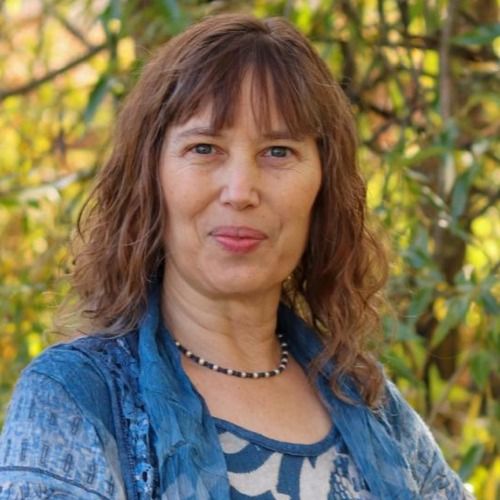
Leah Ellis is a mother of four and the founder of The Society of Child Entrepreneurs (SoCE), a nonprofit dedicated to helping children ages 6–17 build confidence, leadership, and real-world business skills through hands-on learning. Inspired by watching her own children turn everyday ideas into action, Leah created SoCE to prove that children are capable of meaningful leadership right now. Through business fairs, curriculum, and coaching, she helps children launch real ventures, learn financial literacy, and develop resilience through experience, not theory. At the heart of her work is the belief that when kids are trusted with responsibility and supported by community, they rise. Leah’s leadership is rooted in motherhood, creativity, and a commitment to building spaces where children and families can thrive.
@societyofchildentrepreneurs on Instagram
Bringing Education Home is an educational podcast brought to you by Kristina and Herb Heagh-Avritt.
If you enjoy the show, we'd love for you to leave a rating or review on your favorite podcast app!
Please let your friends know they can listen for free on Apple Podcasts, Spotify or their preferred podcast app or online at Bringing Education Home.
Sponsored by Vibrant Family Education - creating Happy, Healthy and Successful kids
Follow us on these socials:
Facebook Group - The Family Learning Circle
Facebook Business Page: Vibrant Family Education
Support Bringing Education Home
Copyright 2026 Kristina & Herb Heagh-Avritt
This podcast is hosted by Captivate, try it yourself for free.
Transcript
I now have the pleasure of introducing you to Leah and Melody Ellis.
Speaker A:Leah is a mother of four and the founder of the Society of Child Entrepreneurs, Sochi, a non profit dedicated to helping children ages 6 to 17 build confidence, leadership and real world business skills through hands on learning.
Speaker A:Inspired by watching her own children turn every idea, everyday ideas into action, Leah created Sochi to prove that children are capable of meaningful leadership right now.
Speaker A:Through business fairs, curriculum and coaching, she helps children launch real ventures, learn financial literacy and develop resilience through experience, not theory.
Speaker A:At the heart of her work is the belief that when kids are trusted with responsibility and supported by community, they rise.
Speaker A:Leah's leadership is rooted in motherhood, creativity and a commitment to building spaces where children and families can thrive.
Speaker A:Welcome Leah and Melody.
Speaker A:It is a pleasure to have you both here today.
Speaker A:Thank you so very much for joining us.
Speaker B:Thank you.
Speaker B:I feel bad, I should have written a bio for Melody too.
Speaker C:Well, would you like to give us a quick bio?
Speaker B:So, Melody Ellis, 10 year old junior executive director of the Society of Child Entrepreneurs, graphic designer, artist and business owner since the age of 4 4, who helps guide other children through entrepreneurship and leadership, including civic engagement and building their own businesses.
Speaker C:Welcome, Melody.
Speaker C:That is quite a bio.
Speaker C:I love that.
Speaker C:And we're gonna love talking to you about what that means and what you do to make all that stuff come true and all those kinds of things.
Speaker C:What I want to ask first though for you and mom both is why this group called Sochi, what was it, what part of your life kind of started and said, you know what, we are doing this thing and now we want to help other parents and children do this too.
Speaker A:You almost messed up Sochi, didn't you?
Speaker C:I did.
Speaker C:Don't tell.
Speaker B:So do you want to tell the story of before Sochi when it was just Melody, mom, and Serenity?
Speaker D:We can jump straight to the chase.
Speaker B:You want to go straight to Sochi?
Speaker D:Yeah, we can go straight to Sochi.
Speaker B:Okay.
Speaker B:So when Melody was four, she started her business and she was awesome at it.
Speaker B:Her little sister started a business at 4.
Speaker B:Then we moved and we had this group of kids.
Speaker B:We hosted our first children's business fair.
Speaker B:We didn't have an organization.
Speaker B:We had no idea that we wanted to have an organization.
Speaker B:And we pulled all these kids that we didn't know into a room.
Speaker B:We let them set up businesses and we opened it up to the community.
Speaker B:The kids were amazing.
Speaker B:They learned so much.
Speaker B:They had a great time.
Speaker B:They made an amazing impact on their community.
Speaker B:And then we sent them home and the educator in me was furious because we had this amazing captive audience of kids who really wanted to learn more about this amazing thing they were having fun doing.
Speaker B:And we sent them home.
Speaker B:Like who takes open minded children and doesn't teach them something?
Speaker B:No self respecting educator, that's who.
Speaker B:So I convinced my friends to let me start a nonprofit telling them have with them knowing Melody, that we needed to create peers for Melody.
Speaker B:We needed more kids who were willing to stand up the way Melody stands up and be leaders in their community.
Speaker B:And they agreed to let us found Sochi.
Speaker B:So Melody is a spokesperson, she's an activist.
Speaker B:She spoke at our Family night.
Speaker B:She does podcast appearances.
Speaker B:She is as much a part of Sochi as every adult that's involved in the society.
Speaker B:But it all started because she started a business at 4.
Speaker C:Melody.
Speaker C:What was that business?
Speaker C:What was business all about?
Speaker D:It's called Melody Paints.
Speaker D:Recently rebranded to Melody Creates.
Speaker D:And at first it was just about art, but when I rebranded I changed it to pretty much anything that I feel like creating, I can sell.
Speaker C:Beautiful.
Speaker C:I see.
Speaker C:So for you were very creative.
Speaker C:Started making things like I want to see what if people want to buy these things.
Speaker C:Right.
Speaker C:Of like that.
Speaker C:Yeah.
Speaker D:Yeah.
Speaker C:And I think part of your story that we haven't quite touched on yet, when that first happened, that's when you were homeschooling the girls.
Speaker B:Right.
Speaker B:So this was.
Speaker B:I honestly, I want to say that was even before we were homeschooling.
Speaker D:Oh yeah.
Speaker C:Before they aren't quite homeschooling yet.
Speaker C:Yeah.
Speaker B:So she.
Speaker A:Well that is homeschooling because homeschooling never really starts and never really stops.
Speaker C:So.
Speaker B:Right.
Speaker B:So she.
Speaker B:We had an in home daycare prior to Covid and I taught Museum of Science Boston's WE engineering curriculum to a bunch of three year old girls.
Speaker B:And it was amazing to get to teach this really hands on curriculum and really outside of the box thinking to these little girls.
Speaker B:But then my house had an electrical issue and that electrical issue uncovered 10 years worth of black mold in the walls of a house I had only owned for 18 months.
Speaker C:Oh no.
Speaker B:Yeah.
Speaker B:So that left us temporarily relocating to a hotel where we could not run our daycare and we had to shut it down.
Speaker B: st of: Speaker B: nd of: Speaker B: th of: Speaker B:And then we canceled our grand reopening because it was the day that the county of Los Angeles issued the stay at home order.
Speaker C:Oh my goodness.
Speaker B:So March 17th rolls around and we are no daycare.
Speaker B:Trapped at home, Dad's deployed.
Speaker B:It's just me, a 4 year old and an 18 month old at home.
Speaker C:Time to get creative.
Speaker B:Yeah, time to get creative.
Speaker B:So we thought this was going to be short term, not a big deal.
Speaker B:My husband and I were like, well, let's start, start a financial coaching company together.
Speaker B:It's something we're both interested in.
Speaker B:We like to be entrepreneurial.
Speaker B:And so I started watching business training videos on the living room TV so that I could supervise the girls playing while I was watching these videos.
Speaker B:Yeah.
Speaker B:And then at a certain point, Melody stopped playing while I was watching videos and started watching videos with me.
Speaker B:Which is why at four years old she was like, well, I want to start a business.
Speaker B:Because she had been watching all these training videos about what it's like to be a business owner.
Speaker B:Yeah.
Speaker B:And I of course was like, no way, you're four, you can't start a business.
Speaker B:And she asked like any four year old would, why not?
Speaker B:Right?
Speaker C:Why not?
Speaker A:Because I'm scared.
Speaker A:How do you tell your kid that you can't start a business?
Speaker A:Because I'm scared.
Speaker D:Right.
Speaker B:Because I don't know how to start a business for a four year old.
Speaker B:So you can't, you can't take that risk because I don't know what the next step is.
Speaker B:So I didn't have a good answer.
Speaker B:So I let her do it.
Speaker B:I asked her, what are you going to sell?
Speaker B:How are you going to do it?
Speaker B:She set up a poll in a women's business group on what to name her business.
Speaker B:Sold stuff for the very first time.
Speaker B:She, I thought, you know, she's just going to sell to grandparents and aunts and uncles, like, whatever.
Speaker B:It'll be a tiny thing with a Google form and a PayPal.
Speaker B:Yeah.
Speaker B:She ended up selling to strangers.
Speaker A:There's people doesn't know what she can't do.
Speaker A:This thing tells her that she can do it.
Speaker A:Her brain has none of that, that capacity at four years old, if you can't yet that doesn't develop until you're about 10.
Speaker A:So.
Speaker A:Yeah.
Speaker A:So starting a business before then, all of that, oh, I can't do that.
Speaker A:It's like, oh, how do I do that?
Speaker A:That's a whole different conversation.
Speaker B:Yes.
Speaker B:So we launched it and she loved it.
Speaker B:She still loves it.
Speaker B:Now she has a second business.
Speaker B:She Helps me run the society of child entrepreneurs.
Speaker D:Trying to start another one.
Speaker D:You're not hard.
Speaker B:You're not starting another business.
Speaker B:No more than two businesses per child there has.
Speaker D:You probably started that because I asked for another one at the age of like 7.
Speaker B:She's such a little activist too, though, that on top of these businesses, the non profits and everything else she's doing, she walked into my office last week and was like, I need to go speak to city council.
Speaker C:Okay.
Speaker B:I'm like, what?
Speaker B:Hi, we have Melody.
Speaker C:Tell us, Melody, what are you going to say?
Speaker B:Council.
Speaker D:So tonight I'm going to go to city council because we where I walk home from school and my school is about 10 minutes from my.
Speaker D:My mom's office.
Speaker D:And when I leave school, there's only one crosswalk that goes across the street and that's extremely close to my school.
Speaker D:So the traffic backs up and then eventually no one's stopping except for this person on one side of me.
Speaker D:And the person on that side gets tired of waiting in hawks and I'm just like, okay, let me go get run over so you're not inconvenienced any farther.
Speaker D:So I'm like, you need some more
Speaker C:crosswalks to keep you.
Speaker D:I'm gonna, I'm gonna try and get a crosswalk across the library to mom's office.
Speaker D:Yeah.
Speaker A:So here's a really good idea.
Speaker A:Ask them to make it a flashing crosswalk so that there's a button to push so that it starts flashing.
Speaker A:So not only is there a crosswalk, but there's a signal to make the people stop so that they don't have to just wait.
Speaker A:So if there's a button and things start flashing, then you can cross the street a lot easier.
Speaker A:So bring that up too.
Speaker A:That's a great idea.
Speaker C:And good, good job keeping yourself and other people safe.
Speaker C:Wow, that's great.
Speaker B:She.
Speaker B:Yeah.
Speaker B:So I'm like, she's a girl scout, She's a business owner.
Speaker B:She's a advocate for her community.
Speaker B:She's 10.
Speaker B:And all of that doesn't come from me standing next to her and saying, melody, go to this.
Speaker B:Melody, go to this.
Speaker B:Melody, go to this.
Speaker B:Melody, go to this.
Speaker B:It comes from me saying, melody, here are all of your options.
Speaker B:Where are you going next?
Speaker A:You know what?
Speaker A:I'm going to take it even back a step farther.
Speaker A:It goes from you becoming an entrepreneur and doing it in front of your children and modeling that behavior and your child, who at that age is like, mom is the most important person in my world.
Speaker A:And this is what she's doing.
Speaker A:This is what I want to be doing.
Speaker A:So you modeled that behavior before, and she picked it up.
Speaker A:And so I'm going to give that to you as much as the Melody, because she also has to step up and do that.
Speaker A:But you provided the template.
Speaker B:It's been really fun.
Speaker B:I was comparing notes with my brother earlier today about, like, what our childhood was like versus what Melody's childhood is like, because at 10 years old, I probably didn't even know that our city had a council, let alone went to go speak at it regularly, because she's been there three or four times.
Speaker D:It might as well be my living room.
Speaker B:So it's not a new concept to her.
Speaker B:She's lived in three cities.
Speaker B:She's met the mayor of all three cities.
Speaker B:Familiar with the mayor of all three cities isn't nervous.
Speaker D:Friends.
Speaker B:Where.
Speaker B:What did we do on December 31?
Speaker D:We were on a news.
Speaker D:We were on the morning news on December 31st.
Speaker B:And was it pre recorded or was it live?
Speaker D:It was a live recording.
Speaker B:And who was the most nervous to do it?
Speaker D:You were, of course,
Speaker C:the whole drive about that.
Speaker C:What was it about?
Speaker D:So it was about the same thing.
Speaker D:It was about the nonprofit.
Speaker D:And we were on the way, and she was like, melody, how are you feeling?
Speaker D:Melody, how are you feeling?
Speaker D:Melody, are you feeling okay?
Speaker D:And I was like, yes, yes, yes.
Speaker D:I think she's like, melody, are you okay?
Speaker D:And I'm like, yes, mom, stop.
Speaker D:I'm okay.
Speaker D:I've been.
Speaker A:Are you okay, Mom?
Speaker D:Yeah.
Speaker D:Are you a live podcast?
Speaker D:And the only difference between live podcasts and live news is the news.
Speaker D:You're sitting with the people in person.
Speaker D:The podcast, you're just sitting there.
Speaker D:Also, this news was smaller because it was really only showing in Wichita.
Speaker D:The podcast was shown live in Africa.
Speaker C:There you go.
Speaker C:Right?
Speaker B:Yeah.
Speaker B:She has so much confidence, and it comes from the fact that she goes and she does the things.
Speaker B:There is so much imposter syndrome that we have by the time we're 12 years old that Melody doesn't have, and
Speaker C:I hope she never develops it.
Speaker C:Melody, keep staying strong.
Speaker C:You've got this.
Speaker A:Yeah.
Speaker A:That's one of the reasons we really want more children to be at home longer, because this creativity, this drive, that brain openness, that tends to start to change around 7 years old.
Speaker A:When I hurt my head, I learned a lot about brain science.
Speaker A:So if you can keep them at home longer, if you can model that behavior, if you can show that that.
Speaker A:That launches their.
Speaker A:Their learning model for the rest of their life.
Speaker A:And she's doing so much better once she did go back to school or entered school.
Speaker A:So that, that, that kind of confidence, they, they take that away from you in school almost because it's like if everybody was that confident through school, nobody would get anything done.
Speaker C:They all be running around the class.
Speaker A:It would be, it would be chaos.
Speaker D:So, yes.
Speaker C:So let's jump into the society a little bit more.
Speaker C:What kind of things do.
Speaker C:Does the society provide?
Speaker C:How do you kind of teach?
Speaker C:Where does this grow to?
Speaker C:How do we parents either find a society like this or how do parents encourage their children to be entrepreneurs?
Speaker A:What if some, yeah, what if some kid hears this is like, I want to start a chapter of Sochi in my city.
Speaker A:And now that I've said that, they'll go, what does that mean, start a chapter?
Speaker B:I have fantastic news.
Speaker B:Since the last time you and I spoke, we launched an online community so people can join us online.
Speaker B:It's called the Sochi Circle.
Speaker B:It's a play on a Socratic circle.
Speaker B:Because everything we do is very open conversation.
Speaker B:Everybody's equal, everybody gives and takes from the conversation together.
Speaker B:And so we have an online community and it has a chat forum just for child entrepreneurs so the kids can get learning from each other as a forum for adult guides so that we can talk to each other on how do we support our kids.
Speaker B:And a forum where the adults and kids can talk with heavy moderation together to encourage and practice new things.
Speaker B:It has a starter kit which even has a quiz on like, is my kid ready to try entrepreneurship?
Speaker B:And for the kids, it has a workshop on a worksheet on what do I want to do as an entrepreneur so you can really get started.
Speaker B:And then as you progress through the programs and there's tiers and all that stuff, you know, you can even print my lesson plans.
Speaker B:And you can literally print that lesson plan and teach it in your home school, teach it with a co op, teach it at an after school program in a public school.
Speaker B:Those resources are all available.
Speaker B:Melody, in November, I went to her and said, this is the lesson plan I have written for our member night.
Speaker B:Because every month we have an in person get together for all of our members in our city.
Speaker B:We all get together and we have an in person Sochi circle.
Speaker B:And I said, this is the lesson plan I've written.
Speaker B:I'm very proud of it.
Speaker B:What do you think?
Speaker B:And Ms. Melody, what did you say?
Speaker D:Basically a short summary is nobody else's.
Speaker D:But what I said is also I had a different idea.
Speaker C:Tell us about that idea.
Speaker B:So what did we actually end up learning that month?
Speaker D:What to do if your business takes like an unexpected turn or something, like something interrupts your business or something changes it so that it's harder to run your business.
Speaker C:Okay.
Speaker C:Yeah.
Speaker B:And what do you do?
Speaker D:You start, pause, pivot, or partner.
Speaker D:Or you could choose multiple.
Speaker B:Yeah, you can pause, you can pivot, and you can partner.
Speaker B:You can do one, you can do all three.
Speaker D:Right.
Speaker C:Okay, describe pause for us real quick.
Speaker C:Make sure we're on the same page.
Speaker D:Pause is like, you don't like quit, but you may, like stop for a minute, like for a bit and try, like, figure out what happened or get what was in the way.
Speaker D:Finished, Wait it out.
Speaker D:Something like that.
Speaker C:Okay, and what's pivot?
Speaker C:What does that mean?
Speaker D:Pivot is when you change, like you change a little bit so it's not all the same as before.
Speaker D:It's like changes.
Speaker D:Or maybe you just focus on one of your products more than another.
Speaker B:So if I had a bakery and my oven broke and I chose pivot, what would that look like?
Speaker D:Maybe selling something frozen, like making homemade ice cream or something.
Speaker B:Or selling pre measured mixes or recipes so I can still create something even without an oven.
Speaker D:Yeah.
Speaker B:So that kind of problem solving.
Speaker D:I think the ice cream idea is better than ice cream, I realize.
Speaker C:Cake and ice cream.
Speaker C:Right.
Speaker C:So if they come looking for a cake, they might want ice cream instead.
Speaker C:Yeah.
Speaker A:We're actually looking at creating a healing center here where we're at.
Speaker A:And we're all, we're all thinking, you know what would be good up here would be an ice cream place.
Speaker A:Because there's no ice cream places up here.
Speaker A:Yeah, but that wouldn't be good for us, but it sure would be good for the community.
Speaker B:Tasty.
Speaker B:Be so tasty.
Speaker B:And so then what's the last option?
Speaker D:The last one was partner.
Speaker D:And you just partner with someone else, a business owner, a friend.
Speaker D:Someone else, and make like a partnership and they can help you.
Speaker D:But the thing with partnerships, they are volunteers.
Speaker D:You have to pay them.
Speaker C:I love that.
Speaker C:Yeah.
Speaker C:You have to make it worth it for both of you.
Speaker D:Right?
Speaker D:Yeah.
Speaker C:Yeah.
Speaker C:And that's what we want to do whenever we're in our society.
Speaker C:We want to have the give and take, the back and forth.
Speaker C:Exactly.
Speaker D:Yeah.
Speaker B:And the reason why Melody wanted to change our lesson plan is because just a few days before our class, she broke her wrist.
Speaker C:Oh.
Speaker B:She could not run her business with a broken wrist.
Speaker B:And she wanted to know what to do about it.
Speaker C:There we go.
Speaker C:Is your wrist all better?
Speaker D:Yes.
Speaker B:Oh, Good.
Speaker A:And that's how real life can influence what you need to learn about.
Speaker A:It's another beautiful pivot on what you wanted to do.
Speaker A:So you pivoted and you made progress.
Speaker A:That's perfect.
Speaker B:Melody's so much fun because she is 10 years old and she acts like a 10 year old.
Speaker B:She does silly things.
Speaker B:She has skipped children's business fairs to go to birthday parties.
Speaker B:She has fun, but she also has this business savvy of, wait a second, that's a problem that needs solved, how do I do it?
Speaker B:She's very rarely stuck on, that's a problem that needs solved.
Speaker B:How do I complain about it?
Speaker D:Yeah.
Speaker C:Yeah.
Speaker A:So you also hinted at another one of my, like, fun things to talk about is financial literacy.
Speaker A:And so I kind of actually go into money.
Speaker A:Do you actually like, teach what money is or do you more teach financing and budgeting?
Speaker D:So
Speaker B:I was a financial coach, as I mentioned earlier.
Speaker C:Yeah.
Speaker B:So we talk about what money is.
Speaker B:And the very high level definition is money is a tool that you use to achieve the things you want to achieve.
Speaker A:Yeah, that's the fungible, the transferable.
Speaker C:The high level.
Speaker B:Yeah.
Speaker D:Yep.
Speaker B:Very high level.
Speaker B:It's the tool you use to achieve the things you want to do.
Speaker B:And then we talk about when you have money, you have earned it, and now you have only three choices on how to use it.
Speaker B:And as grown ups, we like to give it all kinds of fancy names like investing and bonds and mutual funds and everything fancy.
Speaker B:But your only choices are spend, save or give.
Speaker B:And so I tell the kids, your business is the same way.
Speaker B:It can only spend money getting supplies, employees, things like that.
Speaker B:Save money through reserves and emergency funds, or give money through charitable contributions to the things that matter to you.
Speaker B:So whether it's personal or business money, you can still only spend, save or give.
Speaker B:And then we talk about in order to be healthy, you have to do all three, and in order to be sustainable, you have to not do more of those three things than you've done in earning.
Speaker C:Right.
Speaker B:And so that's kind of a the seven year old approach to what is financial literacy.
Speaker B:And then as the kids get older, they start asking more questions about buying cars and paying for college.
Speaker B: rote a curriculum for that in: Speaker C:Yeah.
Speaker B:Melody for her sister.
Speaker C:Yeah.
Speaker C:Melody, can you tell us a little bit about your structure?
Speaker C:Where where are some of the things that you spend for your business?
Speaker C:And where are some of the places you save for your business?
Speaker C:And do you give to a charity?
Speaker D:I sometimes I give to, like, Sochi.
Speaker D:I give some of my profit to Sochi, and I save for, like, college and cars and house.
Speaker D:And then I spend whatever I really want at that moment.
Speaker D:Like, I could be spending it on a Nintendo Switch or a cell phone or a bar of chocolate.
Speaker C:Okay.
Speaker C:Yeah.
Speaker C:But do you also have to spend for your business?
Speaker C:You have to buy some of the supplies and things for the things that you create.
Speaker B:Like the loan you had to pay.
Speaker D:Mostly that's loans.
Speaker D:Yeah.
Speaker D:And that's like paints and the paper for printing my graphic designs, canvases, beads, string.
Speaker B:There's a lot of supplies that go into Melody creates, huh?
Speaker B:Yeah, exactly.
Speaker C:Beautiful.
Speaker D:It's gonna be more like foam.
Speaker D:There's also gonna be some foam that goes into it.
Speaker C:Yeah.
Speaker C:Do you help mom teach some of those financial lessons as well, or does mom teach most of those?
Speaker D:She teaches it mostly, but sometimes I jump in and help.
Speaker C:I love that.
Speaker C:Yeah.
Speaker C:So when you're being a voice for Sochi, what kinds of things do you like to talk about?
Speaker C:How do you help parents understand that little boys and girls like you can actually run a business?
Speaker B:Go ahead.
Speaker D:I have one of my favorite stories that I like to tell.
Speaker D:It's.
Speaker D:It was one of our workshops that we were doing, and so we were working on.
Speaker D:Entrepreneurs usually solve problems.
Speaker D:So we were working on some problems you could solve and how to solve them.
Speaker D:So at the.
Speaker D:Pretty much the end of the lesson, we were solving the problem of porch pirate.
Speaker B:The first thing was, let's just put a lockbox on your porch.
Speaker D:But people.
Speaker D:But the people who.
Speaker D:The delivery men don't always put them in, so that's not going to be helpful.
Speaker D:So now the lockbox has extender arms.
Speaker D:The porch part's just going to steal a box and then crack the code when they get home.
Speaker D:Break it with an ax or something.
Speaker C:Right.
Speaker B:So then what?
Speaker D:So then it became a.
Speaker D:A robot that's bolted to your porch and has extender arms to grab the package and put it in its stomach.
Speaker D:And then when you come home, it has voice recognition, face recognition, and face recognition.
Speaker D:And it comes in three different colors.
Speaker C:What are the colors?
Speaker C:I gotta find out.
Speaker D:Pink, yellow, and green.
Speaker C:Okay.
Speaker B:And then I look at them, and this is three girls, 6, 9, and 11, sitting in this room.
Speaker B:They've invented this robot with extender arms, facial recognition software, the whole nine yards.
Speaker B:And I he looks at us and say to them, I think that this might be too complicated for you guys to program.
Speaker D:But the 11 year old Finley says, I'm in robotics club.
Speaker D:I'll figure it out.
Speaker D:Looking her dead in the eye.
Speaker C:Wow.
Speaker D:Mom had to remind us, remember, this was just practice.
Speaker B:We're not going to do this for real.
Speaker D:But she could be making it at this very second.
Speaker B:They were very confident.
Speaker B:And a lot of what Melody gets to do is talk to people as a business owner and tell them, I'm not going to tell you about how kids can be business owners.
Speaker B:I'm going to be a kid and talk to you like a business owner so that you can see it for yourself.
Speaker B:Over spring break last year, we went to this networking event for funders and people who were looking for funding.
Speaker B:And she's 47 inches tall with chin length green hair.
Speaker B:And people kind of look at her when she walks by and one guy stopped her and said, do you have a business?
Speaker D:Yes, I do.
Speaker B:And she answered instantaneously with her clap back of, actually, I have two.
Speaker B:But we're here to talk about my mom's nonprofit today.
Speaker C:Yes.
Speaker C:Good job.
Speaker B:Oh, my goodness.
Speaker C:So then I bet he wanted to know about the nonprofit and your business.
Speaker B:He did.
Speaker B:He wanted to know all about both of her businesses.
Speaker B:He wanted to know about the nonprofit, he wanted to know about her.
Speaker B:And so then that day is also the day that Melody had an impromptu lesson on social batteries and why it's okay to say no at an event and say, I'm tapping out early.
Speaker B:Okay.
Speaker B:Because she got a little overwhelmed by all the people in that room and everybody wanted to talk to the little
Speaker C:girl that knew what she was talking about.
Speaker D:And I, I spent half a day there.
Speaker C:Yeah.
Speaker B:Yeah, we spent like four hours there.
Speaker B:She.
Speaker B:She worked hard.
Speaker C:Yeah.
Speaker C:That is just so amazing.
Speaker C:Wow, Leah, this is so amazing.
Speaker C:And I'm.
Speaker C:What I'm really hoping that all of our audience, our parents who are listening is like, think about this.
Speaker C:When your children come to you and say, I want to try this, or I really want to express, explore this.
Speaker C:And they're so excited about it.
Speaker C:Guess what?
Speaker C:There's no homework issues because they're excited about it.
Speaker C:There's no worrying about, you know, them being sitting on the couch on technology all the time because they're interested in something else.
Speaker C:Right.
Speaker C:Let this creativity flow and find ways to help channel your child that direction.
Speaker B:Yeah, absolutely.
Speaker B:And I think the biggest thing and the hardest thing for parents is twofold.
Speaker B:One, don't let your fear stop them.
Speaker B:And two, don't let their failure make you take over.
Speaker B:It is really easy as a parent, and this is what people ask me all the time, like, what do you do?
Speaker B:Like, if your kid has an idea that's not going to be really successful and like, you let them try it.
Speaker B:And they're like, but if they're going to get.
Speaker B:They're going to be sad.
Speaker B:And I'm like, huh?
Speaker B:And then they're going to learn problem solving skills.
Speaker B:They're going to learn about reiteration.
Speaker B:We're going to learn about failing forward.
Speaker B:That is still necessary.
Speaker B:And so the.
Speaker B:One of the hardest things for parents is really, truly letting completely go of the reins and letting them do their own thing, for better or for worse.
Speaker A:That's also something that's so hard to learn if you've been through the school system, because anytime you do something wrong, somebody's right there to jump on you and correct it.
Speaker A:And, oh, you can't make these mistakes.
Speaker A:And here's how you have to do everything.
Speaker A:And so that creativity is gone.
Speaker A:And so like, well, what if I make a mistake?
Speaker A:It's like, if that isn't a problem for you, if mistakes are okay, then what if you do?
Speaker A:It's only really in school that mistakes become problems instead of learning opportunities.
Speaker A:So this is one of these things.
Speaker C:It's like, yeah, and it's one of these things.
Speaker C:Also, we encourage parents, like, let them make mistakes when they're little because you don't want them making the mistakes when they're older, teenager, or above, where it really impacts their life.
Speaker B:Right.
Speaker B:And we talk about so much with our kids on the risk of being a child entrepreneur is nil.
Speaker B:She has no risk.
Speaker B:If her business folded, she went bankrupt, she lost everything she ever made.
Speaker D:I only have a buck right now.
Speaker D:I'm fine.
Speaker C:What?
Speaker B:So what?
Speaker B:Like, she's fine.
Speaker B:There's no risk here, but the learning opportunities are just massive.
Speaker B:So I think it's silly not to encourage some entrepreneurship in your kid.
Speaker B:And then my favorite challenge for parents, because I firmly believe that listening to me talk about Melody is cool because I like bragging about my kid, but it's way more fun if you can go practice it with your own kid.
Speaker B:So go see.
Speaker B:Go see what your kids can do.
Speaker B:So my challenge is when you sit down at dinner with your kids or you're driving to practice, or whenever you have the opportunity to sit and talk to your kids, ask them, what's one problem that you have interacted with today and what would you do to Solve it and then let them tell you about the problem.
Speaker B:Don't interrupt, let them tell you about their solution, but only ask questions, don't finish sentences.
Speaker B:And then if it's something really feasible, go help them do it.
Speaker B:That's the start of entrepreneurship.
Speaker A:Help them.
Speaker A:Don't do it for them.
Speaker C:And this also so replaces that conversation that ends in, I don't know, all the time when your child comes home from school or you get that chance and it's like, how was your day today?
Speaker C:Nope.
Speaker C:That conversation usually doesn't go anywhere.
Speaker C:But framing it in the way you just did.
Speaker C:Yeah.
Speaker C:Helps that creation and that conversation really move forward.
Speaker C:Yeah.
Speaker B:Well, and they, they have noticed.
Speaker B:I mean, we are piloting, I'm writing a full 36 week curriculum for homeschool families to be able to eventually purchase so that when you're looking for those supplemental resources, you can just buy the
Speaker A:box they're sponging off your kids.
Speaker A:Kid, go start a business.
Speaker A:We need some money.
Speaker B:Exactly.
Speaker B:They'll be able to just print off those listen plans and go.
Speaker B:And we're piloting it now so that I can test it with kids who aren't already entrepreneurial.
Speaker B:And I sat in a room full of kids and I said, okay, we're going to practice today problem spotting.
Speaker B:We're not practicing problem solving.
Speaker B:We're not practicing complaining.
Speaker B:We're simply going to sit down, think about our day and write down some of the problems we notice, rank how important they are to our daily life and write down who they affect.
Speaker B:Like, that's the start.
Speaker A:Wow.
Speaker A:I'm doing that in my life right now.
Speaker B:Do, do some problem spotting.
Speaker B:What are.
Speaker B:And then don't use them as complaint fodder.
Speaker B:Use them as a way to generate problem solving.
Speaker D:I can make, I can do this.
Speaker D:Except it's not gonna.
Speaker D:It's problem.
Speaker D:I have spotted it's the crosswalk.
Speaker D:The problem is no crosswalk.
Speaker D:It affects the people who walk home and it rating and it's a very, it's pretty important.
Speaker A:Yeah, it's a safety issue.
Speaker D:There's, there's another crosswalk.
Speaker D:It's just not quite as safe.
Speaker D:So it's not incredibly important.
Speaker B:Give it like a four out of five.
Speaker D:Yeah, four out of five.
Speaker C:Yeah.
Speaker B:So.
Speaker B:And that's the first step.
Speaker B:And then step two is problem solving.
Speaker B:Okay, what can I do to solve this problem?
Speaker B:Go to city council and ask them to paint in a new sidewalk.
Speaker B:We have no traffic lights in our city, so it's like super easy.
Speaker B:Paint a traffic light or paint the crosswalk and be done, like super simple.
Speaker B:Or one of our students, they were like, you know, my.
Speaker B:My problem right now is I forget to turn off my bedroom fan every day when I leave for my.
Speaker B:Because they go to a homeschool co op every day when I leave for the co op, I forget to turn off the fan in my room.
Speaker B:And then my parents complain about the electric bill.
Speaker B:And so her next step is going to be problem solving.
Speaker B:What can she do to make sure that fan gets turned off?
Speaker B:How do we do it?
Speaker C:And they're little reminders, sticky notes, whatever.
Speaker B:Right, Exactly.
Speaker B:And then taking that step, I even told her I was like, you could put like a paperclip so the lights turn off together, so if you turn off your light, the fan automatically comes off.
Speaker B:You can find a way.
Speaker C:And she was like, oh,
Speaker D:I can start a business off the sticky note idea.
Speaker B:You're not.
Speaker B:No.
Speaker C:Come on, Mom.
Speaker C:I know Melody.
Speaker C:You might have to retire one business to start a new business.
Speaker C:Maybe that's what mom's actually saying.
Speaker C:Right, right.
Speaker B:Well, and she just rebranded from Melody Paints to Melody Creates so that she could extend.
Speaker B:Expand Melody Creates.
Speaker B:So I don't think she needs to launch a new business because if it doesn't fit under Melody Creates and it doesn't fit underneath the lemonade business, then now's probably not the time for it.
Speaker B:You have 70 to 80 more years of life.
Speaker D:What if Melody Creates is like Wild Ellis and it's just
Speaker B:I have an umbrella company.
Speaker C:Yes.
Speaker B:And so she's like, well, what if Melly Creates just becomes my umbrella company for all of my smaller business?
Speaker C:The other ones.
Speaker C:There we go.
Speaker C:See again, Modeling.
Speaker C:Right.
Speaker C:We talk about it so often in behaviors and problem solving and all these different things.
Speaker C:If parents are really watching how they're modeling how they react, how they solve problems, how they think things through, the kids pick up on it and they follow.
Speaker C:They do so, so much.
Speaker C:Yes.
Speaker B:For better or for worse.
Speaker C:Yes, exactly.
Speaker C:I just remembered, Leah, something we talked about in our pre chat, because I always do pre chat with.
Speaker C:With our guests.
Speaker C:And one of the things that you realize is there's something about an LLC that some kids need LLC and some kids don't.
Speaker C:Can you talk about that a little bit?
Speaker C:Because we talked that this was something super important for this episode.
Speaker B:Okay, so Colorado, Nebraska, Missouri, Oklahoma and Utah are the only five of our 50 states that have something called Eliminate Stand law.
Speaker B:And those are laws that protect children who want to practice entrepreneurship from having to follow the same rules as an adult entrepreneur.
Speaker B:All the other 45 states do not recognize child entrepreneurs as a different section of entrepreneurship as adult entrepreneurs.
Speaker B:So, for instance, in the state of Kansas, if Mellody wants to participate in sales more than two times per calendar year, she has to register as an LLC with the Secretary of State.
Speaker B:She has to be able to collect her sales tax, pay her federal income taxes, all of those things.
Speaker B:And that's one thing that I don't like, because it hampers their ability to experiment.
Speaker B:How is she supposed to experiment with entrepreneurship if she can only legally sell things two times per year?
Speaker D:Then I only have, like, one chance to fail.
Speaker D:Otherwise it has to succeed.
Speaker D:Otherwise I don't get any money that year.
Speaker B:Right.
Speaker B:So it's robbing them of so much opportunity.
Speaker B:So we have been working on something that we call to the Sochi Law, which is lemonade stand law for the state of Kansas that allows children to have up to six opportunities to sell per year, earn up to $6,000, and protects the kids 10,000.
Speaker B:Getting there allows the kids to have 25% of their income max that their parents are allowed to take for administrative costs.
Speaker B:And 15% has to go into a locked trust for when they reach 21 years of age so that the kids are protected while they're practicing this entrepreneurship.
Speaker B:We were fortunate.
Speaker B:About three months ago, both a member of the Kansas Senate and a member of the Kansas House of Representatives both agreed to sponsor bills to move this forward.
Speaker B:And so just last week, we got the rough current draft of an actual law.
Speaker B:It's an act that allows child entrepreneurs the opportunity to earn up to $10,000, not have to pay sales taxes and sell up to six times per year with online platforms.
Speaker B:Not counting as one of those times that will be current should be this year getting passed in both our House and Senate.
Speaker B:So that would be law in Kansas.
Speaker B:And I have some other nonprofit owners that I work with that do similar but different things for me in South Carolina and Arkansas who are working on having identical laws passed in both of their states.
Speaker B:So we will almost double the number of states that are allowing our child entrepreneurship.
Speaker B:And now that we have the Sochi Circle, where people from around the nation can join us, I'm hoping to see more groups and more states creating this advocacy so that kids can actually go do this stuff.
Speaker C:Yeah, Yeah.
Speaker C:I mean, you know, most parents don't even think about that, and that's why usually they're fine, because nobody really thinks about it.
Speaker C:But if you are in a place, if something happened, you don't want your child to be in trouble or for you to be in trouble.
Speaker C:So that's why I want to bring this to just awareness.
Speaker C:Don't freak out about it and just be aware, just in case.
Speaker B:Yeah, exactly.
Speaker B:It's one of those laws where it's not heavily enforced, but if it is enforced, the liability is very large.
Speaker C:Yeah.
Speaker B:So I'm excited that we've made so much progress on the Sochi law here in Kansas, and I'm excited to see it pass in more places now, especially now that we have this draft language the other states can literally just copy and paste into their own state House and Senate.
Speaker C:Yeah.
Speaker C:That's amazing.
Speaker C:All right, Melody, as we're beginning to wrap up here, we're about ready to finish our conversation.
Speaker C:Is there something that you wanted to tell our parents and our kids who are listening that you haven't been able to say yet?
Speaker C:Is there something burning inside?
Speaker C:He's like, I really need to tell them this about me or my business or Sochi.
Speaker C:Go ahead.
Speaker D:There is one more story.
Speaker D:It's.
Speaker D:It's referred to as the Banana Club story.
Speaker D:And before we had Sochi, we were random.
Speaker D:Random.
Speaker D:It just came up on Facebook.
Speaker D:Reminders.
Speaker D:We were sitting in the hotel room and in a hotel cafeteria room where we were eating breakfast, and we just decided to randomly have a family pitch contest.
Speaker D:So we all were pitching the same thing.
Speaker D:It was a company called Banana Club, and it was like a monthly thing.
Speaker D:You'd get a package once a month.
Speaker D:Once a month.
Speaker D:And we'd decide what was in, and the person who was pitching would decide what was in that package and what made them best.
Speaker D:So.
Speaker D:And so we had a lot of difference.
Speaker D:The winner was the youngest in the family, and his was two bananas, two oranges, and a dollar, I believe, for five dollars.
Speaker B:We just.
Speaker B:Way before we ever knew Sochi was going to be a thing, we were bored at home and had a Banana of the Month Club pitch contest, where at the time, our three children.
Speaker B:Because the fourth wasn't born yet, our three children and I had to pitch Banana of the Month programs to their dad to see who would win his business.
Speaker C:Creativity.
Speaker C:Yes, that.
Speaker B:Well, it got really silly because my second daughter, her pitch was, for $5 a month, you get unlimited oranges.
Speaker B:This is Banana of the month club.
Speaker B:For $5 a month, you get unlimited oranges, a free gift up to an 18 value, and some stickers.
Speaker C:Okay.
Speaker B:There were no bananas.
Speaker D:Maybe the stickers were bananas.
Speaker C:We're banana stickers.
Speaker C:Right.
Speaker B:And then my son's the baby.
Speaker B:He was 2 at the time.
Speaker B:And so he needed a lot of questions to get it out of him.
Speaker B:But his pitch was $5 a month and you get $2 back.
Speaker B:Two bananas and an orange.
Speaker C:There we go.
Speaker C:All right, Leah, same question to you as we're beginning to wrap up.
Speaker C:Is there something that you haven't been able to touch on that were in your notes?
Speaker C:Like, I really want to say this when I'm on the podcast.
Speaker B:I think the biggest thing for me every time is it blows people away.
Speaker B:My biggest mind shift for you guys today is children are not the future.
Speaker B:They are capable, vibrant leaders right now.
Speaker B:And so we as adults need to stop holding them back and start allowing them the opportunity to lead.
Speaker C:Yeah.
Speaker B:Do you want to tell them your life?
Speaker C:Any ideas?
Speaker D:I like to end.
Speaker D:Kids, if you see a problem, go out, change it.
Speaker D:As long as you're not breaking a household rule.
Speaker D:And adults don't start a business as a dumb household rule.
Speaker D:Unless your child already has two businesses.
Speaker C:I love it.
Speaker C:Leah, tell our audience how they can get a hold of you and find out more about Sochi, please.
Speaker B:So the easiest thing you can do is go to sochiict.org so it's s o c e ict.org that's a shortcut.
Speaker B:And it'll take you to our website.
Speaker B:And then the navigation bar has how to get involved on the Sochi law, how to join the Sochi circle, how to buy merchandise, all those fancy things, you know, that we have to have.
Speaker B:And then you can also find our book, which we didn't even talk about, my book.
Speaker B:You can get the Astra and Zeke book from Sparks to Stars on Amazon, Barnes and Noble, bookshop.org and that is our first book book into teaching entrepreneurship to kids by allowing two kids who are very dissimilar to show up at a children's business fair, make each other better and launch a business, a business coaching company so that they can teach more kids how to be business owners.
Speaker A:Nice.
Speaker C:I absolutely love it.
Speaker C:Any other questions from you?
Speaker A:No.
Speaker A:I would just like to thank you both for being here today.
Speaker A:It was a pleasure to have you.
Speaker A:It's one of the first times we've had a young guest on and.
Speaker A:And her poise and.
Speaker A:And your poise and your presence today was very much, greatly appreciated.
Speaker A:Melody, thank you for being here and thank you as well, Leah.
Speaker A:It's been an inspiration and I love talking to you and.
Speaker A:And you model very well and it comes across so.
Speaker A:So thank you for.
Speaker A:For being here and bringing your family and showing how that all works.
Speaker A:In in real life and we're looking
Speaker C:forward to an update in the future.
Speaker C:Right.
Speaker C:So we'll bring her back around and share how things have been going in the near future.
Speaker C:So thank you so much Leah.
Speaker C:Thank you so much Melody, thank you
Speaker B:And I will see you guys on the 31st.
Speaker C:Yes.
Speaker C:And she is hinting at our summits that we do empowering families and rethinking education that is a three time a year event that vibrant family education puts on.
Speaker C:So you'll be able to visit our website and find out when the next one is going to be and yeah how you can participate and join us and find out more about all the amazing experts that come and join us.
Speaker C:So thank you so very very much like share and review our podcast so that more and more people can get
Speaker B:a hold of it.
Speaker C:Until next time everybody thank you so much for everything and bye for now.
Speaker A:A wonderful night.
Speaker A:Bye for now.