Episode 66
S2EP66-Rooster &Rachael Loucks-Ride into Hope: How Horses are Changing Lives for Veterans
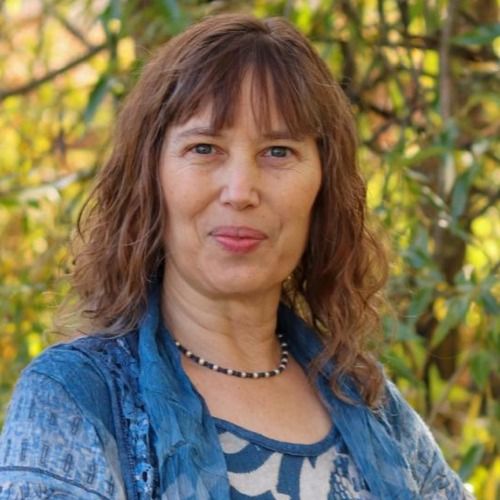
Let’s talk about a special initiative that’s galloping into our hearts! Operation Horses Heal is not just a nonprofit; it’s a beautiful sanctuary where veterans and their families can find peace and healing through the gentle presence of horses and donkeys. Rooster and Rachael Loucks, the dynamic duo behind this heartfelt organization, share their inspiring journey of how personal loss turned into a powerful mission to support others. They emphasize the importance of community and connection, highlighting stories of veterans who have found joy and solace in their programs. This isn’t your typical therapy; it’s about creating a space where people can learn, share, and grow at their own pace—sometimes even while chopping wood or sharing a laugh around a campfire! They break down the barriers of traditional therapy and show how being surrounded by nature and animals can provide a sense of belonging that’s often missing in the lives of service members. Tune in to hear how you can support this amazing cause, whether through donations or simply spreading the word. Because every little bit helps keep the wheels (or hooves) turning at Operation Horses Heal!
We are pleased to be presenting this special episode as part of Podcasthon 2026. Visit https://podcasthon.org to listen to other podcasts featuring other charities like Operation Horses Heal.
Guest Bio - Rooster and Rachael Loucks are the co-founders of Operation Horses Heal, a 501(c)(3) nonprofit in Westboro, WI dedicated to supporting Veterans, active service members, and their immediate families through connection with horses and donkeys. Operation Horses Heal offers equine-assisted activities designed to foster connection, rejuvenation, and personal growth in a peaceful, inclusive outdoor setting—always free for military families.
Motivated by a shared belief in the supportive power of animals and community, Rooster and Rachael started the organization in 2021 to create a welcoming space where those who have served could relax, belong, and build meaningful skills and relationships beyond traditional services. Their vision is to enrich lives, reduce isolation, and honor military service one person at a time.
Operation Horses Heal’s programs range from individual equine-learning sessions to community events, retreats, and gatherings that strengthen wellbeing and connection for Veterans and their families.
Current Major Funding Priorities: Mobile Outreach- Mobile outreach allows Operation Horses Heal to meet Veterans and military families where they are—reducing barriers created by distance, transportation, or mobility limitations. By taking select equine-assisted activities, educational programming, and community engagement opportunities off-site, we can reach rural and underserved areas while expanding awareness of our services. This initiative strengthens partnerships, increases accessibility, and ensures that geography is never a reason someone is unable to participate.
Tracked Wheelchair Accessibility- Our tracked wheelchair is essential for inclusive access across our farm and natural terrain. Traditional wheelchairs limit participation on gravel, grass, and uneven ground, creating unintentional barriers. The tracked wheelchair allows participants with mobility challenges to safely engage alongside peers during equine interactions, outdoor activities, and community events. This investment directly supports dignity, independence, and full participation for all who come to Operation Horses Heal.
Land Expansion Project- Expanding our land ensures the long-term sustainability of Operation Horses Heal. Additional acreage will allow for safer animal rotation, improved infrastructure, and the development of dedicated spaces for programming, shelter, and accessibility improvements. Moving away from reliance on rented land strengthens operational stability, protects animal welfare, and supports responsible growth—ensuring we can serve current and future generations without interruption.
@operationhorsesheal on Instagram
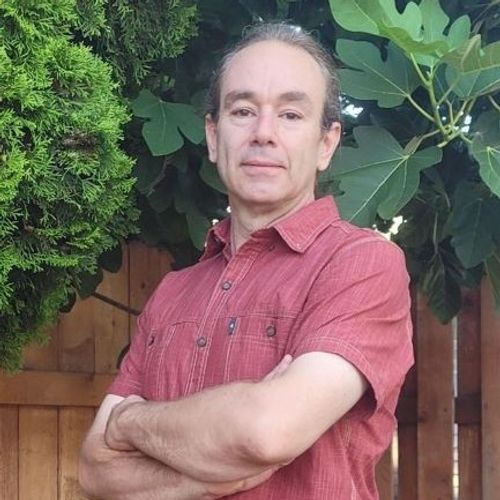
Bringing Education Home is an educational podcast brought to you by Kristina and Herb Heagh-Avritt.
If you enjoy the show, we'd love for you to leave a rating or review on your favorite podcast app!
Please let your friends know they can listen for free on Apple Podcasts, Spotify or their preferred podcast app or online at Bringing Education Home.
Sponsored by Vibrant Family Education - creating Happy, Healthy and Successful kids
Follow us on these socials:
Facebook Group - The Family Learning Circle
Facebook Business Page: Vibrant Family Education
Support Bringing Education Home
Copyright 2026 Kristina & Herb Heagh-Avritt
This podcast is hosted by Captivate, try it yourself for free.
Transcript
Their equine assistant programs offer a peaceful, welcoming space for military families to relax, rebuild connection, and experience personal growth, always at no cost to them. We're grateful to share their work with you today and would love your support in helping spread the word about this incredible mission.
Welcome, Rachel and Rooster. It is a pleasure to have you here today. Now I kind of understand why everybody is surprised when there's two of us, because now we have two of you.
Welcome, welcome. Thank you for being here today.
Rachel Loucks:Thanks for having us.
Rooster Loucks:Yeah, thank you.
Kristina:This came, as you know, dear to my heart.
We know that bringing education home is all about families, all about education, and sometimes we need to step out of the child education box into another education space. And with the podcast a thon, it was one of those things, like, awesome.
We get to step into this other space that we really, really love, which is supporting our veter, our service members.
So thank you very much for doing what you're doing and for supporting this special group as well as their families and the members of everything that happens at your Operation Horses heal. Yeah. So first question is why? What is the passion? What is the drive behind this mission that you're on?
Rooster Loucks:Rooster, you want to take this one? Because I think your why and my why are a little bit good.
Kristina:We can hear both of them different,
Rooster Loucks:similar,
Rachel Loucks:spark plug number one for wanting to start it. Well, the motivation, way back when my Uncle John was in the Korean War and he came home, he was a medic, so you can imagine what he dealt with.
And he came home and he was supposed to go to college down in University of Madison Christmas weekend. And my dad was only 12 years old and came home and found that he did not decide to be with us anymore.
ow, it resonates. And then in:And then we, Rachel had found an ad for another veterans group down in the southwest part of Wisconsin that was looking for Donations and needed help getting hay for their horse program. So we said, well, we're just a small truck. I am an over the road driver. Small trucking company at that time, still very small.
And we said, well, let's get a donation together and I'll donate. The delivery came out. They we worked our way down there, visited them a few times.
We started attending regular events kind of and I think it was a second, even third. I don't even know if it was that long into it.
I realized by talking to couples and other veterans that were there that there was veterans driving from the UP of Michigan and northwest Minnesota. So this is like a full day trip to get their two hours or if they could make it stick for two whole days.
And so on a return trip where we're, we were a four hour drive, four and a half hours, which you know, you just know you get what you get out of a program. It's awesome. And I looked at Rachel on the way home and I said, do you think we could do something like this with our horses?
We had horses and you know, they were just our pleasure horses. And she says I, I'll have to do some digging.
And next thing you know, my wonderful wife is looking into certifications that are supported by the VA and just steamrolling. And after about the second year, we finally became an official with a donation from a local bar charity.
Said, hey, we're going to donate your 501c cost. And here we are five years later growing and I think we're kind of nationwide known now.
Kristina:That's awesome. Oh, wow. Yeah. Thank you for sharing that story. I know it's tough sometimes, Rachel, a little bit.
Rachel Loucks:Oh, I'm gonna back up just a touch. I was an Army National Guard. This is the another huge. I have the biggest regret.
I was in the National Guard and after my dad's passing because I got in a wonderful fight the two days before he passed away with my dad at whatever age and I was out of this world. I was not a part of this world mentally, physically, correctly. And every day I was ready to die and welcoming it. And I threw away my military career.
I walked away at the wrong time. I wish I'd have gone full time. I was boredish kinda. And my unit deployed eight months after I had gotten out.
And I know I have a lot of people that won't even talk to me from my own unit now. That type of stuff, it's. I guess they call it battle buddy syndrome in a way.
But I also know a lot of Guys from my basic and EIT that are not here because of the. They're not here.
Kristina:Yeah.
Rachel Loucks:I really wish I, I wish I really could have got my head straight and really stepped up back then, but I guess today is the day.
Kristina:Yeah, but now look what you're doing. You know, you're doing something else wonderful because of where you are right now. So. Yeah. Rachel, tell us a little bit more. Why.
Why did you decide to step up behind this big old mission?
Rooster Loucks:So I had always been a horse girl. Was a horse girl through and through.
Did 4H showing, had neighbors scraping together to haul me to events because it was just not, like, in the budget with my family. And went to college. And very abruptly, I, I, I had been showing on the college writing team.
I had started out as a, as an equine science major, very abruptly quit doing things with horses. And a lot of that came after my mom's passing.
So my mom passed when I was a freshman in college, and I just had kind of stopped doing horse things after that for a while, in fact, I had not done anything with a horse. It was probably 15 years.
I just, like, kind of walked away from the industry and said, I think I'm going to change my major, change my major to education.
Taught for Head Start for a number of years, was a Head Start disabilities and mental health specialist for a while, and then worked for a bit in higher education teaching people who were going to be early childhood teachers and home visitors. Head Start was very, very much like a huge part of my life for a long time. And I always knew there was something missing.
Like, I knew that I really wanted to try and get back to horses again. And when he and I, when he and I started dating, so we dated in high school years and years and years ago. Years ago.
And then found each other again as adults. And when he and I started dating, I think he was a little bit surprised that I was not doing anything with horses at the time.
But slowly I said, oh, maybe I would like to get a horse again. Maybe I would. And, you know, one turns into another one, and then that turns into another one.
And, and along the way I started thinking, well, maybe there's a way to combine what I've learned about horses along the way and what we, what he and I have learned about horses along the way and my education career. And then we did this thing where, you know, it was sort of like rolling around.
And in my head, he and I had talked about it a little bit, especially after the visit down to the program where we were helping with hay, and then we did some other, like, fence cleanup and some other projects down there with them.
I really started to take his idea seriously and started looking and said, well, you know, okay, if we're going to do this, I've got to be certified because I'm an educator at heart. Like, we're not just going to, I don't know, bring people out to the horses.
I need to have, like, some sort of theoretical foundation behind what we're doing. Like, I need, like, the educator in me just kind of needs that. I need to know the why, I need to know the research.
I need to know, like, the evidence.
Kristina:Yeah.
Rooster Loucks:And so I found an organization called the Herd Institute, which. It really spoke to my heart because it's very experiential in nature.
So it's really rooted in experiential education, which, as somebody who worked in the early childhood industry, that's very typical for how we work with young children. So it was a natural fit for me. Like, it was very close to my teaching style.
It was very close to this idea that when we have people out on the farm, we're not there as an educator where there is a facilitator. We're creating a space for learning. And something about that really spoke to me.
Rachel Loucks:So
Rooster Loucks:I went through the certification program. I was still teaching at the college. He and I were still like, okay, is can we really make a go of this? We started a.
Kristina:A.
Rooster Loucks:A business that serves the civilian community. And that was for me, kind of our tester to see. Like, okay, we live in rural Wisconsin. Lots of people have horses in this area.
Is this even something that people are going to be interested in? I just. I was just really curious because I'm interested in it, he's interested in it.
We both really enjoy being out with horses and being out in nature and whatnot, but we didn't know if the community was really going to be interested in it. And I was able to quit my job at the college probably. What were we, maybe a two years? Were we two years into the business?
Rachel Loucks:I think it was, actually. I was shortly after the first year. Even out of the first year.
Rooster Loucks:Yeah, it wasn't. It wasn't very long. And so, like, now we have a wait list over a year for our civilian programming.
Rachel Loucks:Yeah.
Herb:The thing about lots of people having horses is lots of people don't have horses.
And all of those people that don't have horses don't know how to talk to the people that do have horses to get access, because we live In a place where lots of people have horses and she's always driving. I was like, wow, I would like horses. I wonder how we. I wonder how we get a hold of those people and we don't know.
So we get to see them all the time, we get to talk about them all time, but we don't get to play with them. Lots of people have horses. Yeah, lots of us don't.
Rooster Loucks:That's really true. That's really a good point.
And then, like he said, yeah, there was a local business who heard about what we were wanting to start for the veterans program, and basically they said, hey, we're gonna do a fundraiser. We did not even know that this was happening. We. We got a phone call or an email. I don't even know because they're like,
Herb:hey, we like horses. We want to go see horses. All those.
Kristina:Those.
Herb:A lot of people, we don't have horses.
Rachel Loucks:See y. Yep.
Herb:I'm funny. I'm sorry. Keep going, keep going.
Kristina:And here we are.
Rooster Loucks:Here we are.
Kristina:So awesome.
So one of the things I did want to ask you because when we did our pre call and talked a little bit about this, it's not the typical equine therapy or equine sessions that a lot of people think of. Can you talk about how Operation Horses Heel works so that people can get a clearer picture of what.
What happens when a veteran or the family or whoever comes out and works with you? Yeah, sure.
Rooster Loucks:Rooster, you want to feel this one? You want me to feel this one? Do we want to field it together?
Rachel Loucks:You go on your side first.
Rooster Loucks:Okay. The reason why I'm two parting this is because.
So Rooster and I co founded this organization, but the way that we go about things with participants in some ways is really different. We have different approaches. And. And some of that, I think, is because he's. He served.
Kristina:He.
Rooster Loucks:He resonates with our participants in. In a way than I differently would. So. So yeah, we're. We're a little bit different in that. Number one, we're not a therapy program.
So what we offer is a equine assisted services. We're really focusing on building skills that are going to. That are going to help in your relationships.
So really, relationship with yourself, relationship with other people, relationship, you know, with your colleagues, your co workers, your friends, your spouse, your kids. And relationships are a really important part to. To wellness as a whole.
So even though we're not a therapy program, our overall big aim is that we want to reduce loneliness and build connection, and we want to connect with the Veterans and the military personnel and their families, we want to meet them where they are. So everything is really participant led out here.
And that means sometimes it's something very facilitated where they will come out with the horses and donkeys and we'll work on specific goals or things like that, and they'll do that with me. And sometimes it's more about the connection with another veteran. So it might be coming out to a campfire, coming out to.
We do a big barbecue in the summer that's very family oriented. And it might be cutting wood. So Rooster does a ton of cutting wood and then donating the wood to veterans who use a wood stove to heat their home.
And he gets quite a crew of people to come and cut wood with him. So, you know, some folks want to do something really physical. They don't want to talk. They don't want to talk to me about goal setting.
They don't want to talk, you know, they don't want to work through something that direct. Some of our work with the horses and donkeys looks just like observation. So we're just observing. We're just noticing some of it is really hands on.
But one of the things that makes us different is that, well, number one, our participants don't get assigned like a specific horse or donkey. When they, when they come out, they have the opportunity to really meet with the horses and donkeys on the horse and donkey level.
Rachel Loucks:So
Rooster Loucks:we go out into the herd, we're within the herd of horses and donkeys, and we're really interacting with them in a way where the horses and donkeys have choice about whether they're going to come to us or not come to us, whether they want to engage with people or not engage with people.
And it's really interesting because once we started creating opportunities for the horses and donkeys to have more choices in their life, we really started to see their individual personalities come out and sort of see who really likes to hang out with people, who. Who's not so interested or who has a specific sort of person that maybe they want to hang out with.
We have a little mini horse named Princess, and she. She very much has a demographic. Her demographic is. Is like slow moving, quiet, chill when the energy gets too, too active, namely young children.
She's not really interested in hanging out with young children. She. She makes a choice about where she'd like to be. And in the past, she wouldn't have done that in the past.
She would have just stayed because she would have been trained that if a human is asking you to be here. You're going to be here whether you like it or not. So it's been really neat to kind of see their personalities come out. I want to be really clear.
Just because the horses and donkeys have choices, it doesn't mean that we're sacrificing safety.
Kristina:Right.
Rooster Loucks:So safety is paramount. Interacting with the herd is paramount. And we teach our participants how to be within the.
Be within the herd and interact with the horses and donkeys in a way that's going to keep them safe and. And also allow for. For choice from the participant and. And from the horses and donkeys. We have some participants who never want to go in.
Like, they're not interested in going in at all. They're interested in engaging in some of the other things on the farm.
Herb:One of the big things that I heard you say was about the relationship, because when I was most hurt, I felt really broken and unstable, and I didn't want to be seen because I. I felt unreliable and. And again, I couldn't control my emotions. So I shortened my life. I was like.
I got down to the point where there was only like two or three people in my life, and that left me only with myself. And then what can you do as you can think and. And things are hurt, and so these thoughts circle and they're not complete and they're broken.
And when I finally started reaching out to a community and I could talk and let some of that out, that. And so it's not. Yeah. So that is such an important part. And to be able to.
To focus on a horse instead of having to look at somebody else in the eye, it's like those are things that. It's like I got to the point, like, I couldn't look at people and. And so, yeah, to be able to be around people. So to thank you for. For creating that.
And I would have. I would have gone anywhere for that kind of hope when it got so dark. But also at the.
At the time, it was so hard to reach out and look for that hope as well. So we are absolutely thrilled to be here spreading your message to. To let people know that that community, talking about it.
There are ways where you can get help without having to go into all of the problems you can. Just being around people.
Kristina:You don't have to sit down and talk therapy in a little office in a cubicle.
Herb:Right.
Rooster Loucks:You can do it.
Herb:Chop wood. It is amazing how therapeutic banging on wood can be.
Kristina:Yeah. Rooster, tell us a little bit more about what people do with you.
Rachel Loucks:Well, like Rachel Said she always does the more teaching type part.
And I kind of go off of what I know as I'm boots on the ground grunt in the military, anybody you're taught to listen to who you is going to tell you what to do. And they kind of got to come from that side of it and say, okay, idle hands are your worst enemy.
Especially if you have something that's really bothering you inside, whether you want to show it or not. And you're. And you're taught to never show, you know, and it's the same with some of our horses who we've had for a while.
So that's why it's such a great connection, because it's. It's the same playing field there. It's just a matter of introducing it. And then like I said, we got 29 acres currently. Big dreams to expand.
And some of that ball is rolling and like disappear on the trails, make the firewood work on the fence, or just wander around it. You know, some people don't have, like you said earlier about you don't have horses.
Some people don't have more than a yard in town, you know, and it's just a little bit of getting out and then you start to talk, you start to open up a little bit. Well, then we can start seeing which way you want to go. Or like Rachel said earlier too, is some of our veterans never even go outside the fence.
Some of them are there because their wife loves horses or their husband loves horses, and they've never been one their whole life.
They wanted to meet a horse, and then they come out and you just see the happiness of the spouse that they just made their spouse happy together through.
Herb:I went whale watching. Why would I want to see a whale?
Kristina:I wanted to see the whale.
Rachel Loucks:Right, right.
Herb:All the whale. I was having a lot of fun watching her watch. Watch a fish.
Rachel Loucks:Yep, yep, I get it.
Kristina:Exactly. Oh, my gosh. So usually we wait towards the end, but I don't want to. I want to get this in a little bit more.
If people are really super like, oh my gosh, I want to help these guys, what's the best way to get a hold of you and help you right now? Of course, everything is in the show notes too. And we'll say it again later.
But what's the best way right now to get a hold of you and give you some help?
Rooster Loucks:If they want to give monetary help, we have our Zafi page, which has. It has all of our different specific projects that we're working on. So we have Like a few main fundraising projects right now.
So one is our tracked wheelchair, one is we need a bit.
We're almost all the way funded for our mobile outreach project, which is our project that will allow us to reach veterans who can't come to the farm, will bring horses and donkeys to them, to their house if they're homebound, if they're in a veterans home, if they're in a nursing home, we will take this show on the road. So we're almost funded for that. We've got our truck and we had a trailer.
Without going into a whole lot of detail, unfortunately, the sale of that fell through and it was quite a bit less money than what trailers are typically going for right now. So now we've got a bit of a funding gap in that area. And then our third biggie is our land expansion project.
Right now we're on space that is not our own.
And in order to create a program that's more accessible and has the opportunity for us to work indoors in the wintertime, we need our own space to be able to build. And so our Zesty page is the best way to donate. They can also go to our website, www.operation horseshoe.org. we're on several social media avenues.
We're on Facebook, Instagram and Tick Tock. And believe it or not, our highest level of veteran engagement is on Tick Tock. Really?
Rachel Loucks:Wow, that's funny.
Herb:I will not download that app. I will not have it anywhere in my house. If people ask to hook up to my wi fi, do you have Tick Tock? No, you can't hook up to my wi fi.
Rachel Loucks:So
Herb:I'm not really that paranoid. It's, it's only, it's only slight, it's only a little bit, it's only, it's actually quite a lot true. But it's, yeah, I'm not quite that bad.
Rooster Loucks:We, we actually had, were not going to do TikTok and we found that there is a thriving, a thriving veteran community out there where veterans are connecting with other veterans and offering like instant on the go support and connection.
I, I was surprised and we never thought about it until another non profit that we collaborate with, their director at the time said, hey, you guys should get on TikTok. You wouldn't believe what's happening over there. And so we've tried it.
I'm still like, we're still kind of learning how TikTok works, but it's really interesting. A lot of our veterans that we reach outside the state of Wisconsin have come through TikTok Wow.
Kristina:Yeah. So that's what that was a question I wanted to ask. How far away has a veteran come. How far away have people traveled to do your program?
Rooster Loucks:I have to really think about that. How far away were the veterans that you ran into at the campsite or at the spring that came to the.
Rachel Loucks:They were. Oh, they were up in our area, but they were from honestly Arkansas. And I know we were supposed to have some come from Tennessee. Tennessee, Indiana.
And we know we actually have a board member who is living. Is lives in Texas.
Kristina:Okay.
Rachel Loucks:And hopefully we. I'm pretty sure she's coming to visit us this year actually during our barbecue.
She just had a baby, so it's a little bit iffy, but so we got two veterans for sure coming then.
Kristina:Nice.
Herb:And you're expanding out reach, so. Lovely, lovely.
Kristina:Maybe we'll have. Maybe we'll have to visit from Oregon. Give me my horse fixed.
Herb:Yeah. Then. Then I guess the farthest next away would have to be like Hawaii or Alaska, right? Exactly.
Kristina:Something like that.
Herb:Get some visitors from Hawaii to get to make it really far away.
Rooster Loucks:There you go. Well, we do, we do have a volunteer whose husband served and they did live in Alaska for a period of time. Wow. They visit Alaska on a regular basis.
Rachel Loucks:Being a trucker, my word of advice is you can go anywhere in America in two days. That's not even flying.
Kristina:Yeah.
Rachel Loucks:You gotta be dedicated, but you can get there in two days.
Kristina:We actually traveled around the United States in nine weeks one summer with the boys. That was pretty amazing.
Herb:Yeah, I put in some 12 and 13 hour driving days and I, I don't think I could make it across. Well, yeah, I would have to take a lot of caffeine and not go. Not. I would have to go well above the speed limit too.
We aren't gonna go Cannonball Run it.
Kristina:Yeah, there you go. So share with us.
Think about some of the visitors and especially if you can think about maybe a family that came out and what were some of the connections? What are some of the things that you saw happen during that visit or that experience?
Rooster Loucks:Oh God.
Rachel Loucks:I have to say the one is like we were talking about the spouse loves horses and we've got a Vietnam veteran who we help a lot with. He's got mobility issues. I mean, and we borrowed a track chair from another kids hunting organization to have it on the farm for another veteran.
And then we had it happen to have it at our barbecue, which is basically. That's our Veterans Day.
That's where everybody comes out and eats and there's bounce house for the kids and leather crafting, and we have, Gosh, I'm blanking on the VA people, but they have to have been veterans who served. And, you know, it's not just people that are coming to cram some paperwork down your throat or whatever.
You know, that's kind of what I think of it sometimes. But anyway, this veteran got. He was barely.
He, you know, he was kind of a veteran that if he got out of the vehicle when he went somewhere, he drove his wife to all her appointments, she's in dialysis three times a week, and she got to spend the time with the donkeys. And I have never seen this guy comment and joke and laugh, and he just had that glow. I mean, he's a Vietnam veteran.
He looked like he was 12 that day. As excited as he was to see his wife that happy. It was so awesome.
Kristina:That's. That's beautiful. Yeah.
Herb:Yeah, I understand that. I, I, He.
Kristina:Yeah, we said mission earlier.
Herb:The whale watching here, again, it's also kind of part of the darkness, is because this, this is the person who kept me alive through all of that.
And I know I made her miserable through a lot of it, and, and it was something that I didn't necessarily have control of, so thank God she meant it when she said for better or for worse. So I went whale watching, and I love to see her happy. And every time that boat stopped moving, everything else inside of me did.
It was not a fun time for me, but every time she was, like, giggling, and I was. Yeah, it was. It was a shining in the darkness. And so absolutely 100% agree that bringing someone along that wants to see that can.
Can give you a reason to keep going.
Rooster Loucks:We also had a family come out one time, and the husband, the wife was the. The veteran, and the husband found us at a. We were at, like, a veteran resource fair event, and he. He brought his wife and son out to visit.
Wife, who is the veteran? I don't think it was her, like, her gig necessarily, but the son, it was a big deal for him.
Kristina:He. He.
Rooster Loucks:He was, like, ready to try everything. He. He was like, I want to take a horse for a walk. I, I mean, like, this kid had no fear. He wanted to play with the dogs.
He wanted to take a horse for a walk. He wanted to go for a walk in the woods. I mean, he just wanted to try everything. And it. It was quite a.
Quite a day for him, and I think quite a day for the spouse, too, because he was really trying to Support his wife and get his, you know, wife connected with some different, different resources and things and trying some things out. And, and we also know that like not everybody that comes out like this may not be everybody's thing. And we really believe in like no wrong door.
So if, if hanging out with horses and donkeys or hanging out on a farm is not, not your specific, what helps you learn best or what helps you feel most grounded. And we'll try and connect you with, with other resources. And so we really try step.
Herb:And they tried and so they can take another step. This one didn't quite work. Let's adjust a little bit. Let's take a step that, that's, that's life. That's.
And some, and some people forget about it and can't see. See that. So again, come and check it out. And if it doesn't work, hey, let's, let's try this.
Rooster Loucks:Absolutely. Absolutely. And we really want to be like good players in the non profit space in our area. So we really, we, we do not believe in operating in silos.
So we think within the veteran community, particularly in organizations that serve the veteran community, it can get really like territorial about funding and who's doing what and who's offering what and whose client is this and whose participant is that and, and we just don't play that way. We really want to connect with lots of organizations.
We really believe that collaboration makes this work better because we all have the same like goal and mission. We all want to support the veteran community and we don't have to, you know, do it in isolation.
Herb:Yeah, money's nice, but when it becomes about the money instead of the people, there's something missing there. And it happens. It really does it. And the longer you go because it's like, oh man, we need more money. We.
And it suddenly sometimes becomes the thing and it's a, it can be a progression and something that people need to watch out for. So I'm glad that you're recognizing that and keeping on, on top of that as well. That's something that, that we also think about quite a bit.
Kristina:And I also just want to mention that, you know, the two, two, two, the two of them here with us is so dedicated that you can see if on your, if you're not on, if you're not on video, you can't tell that they're not in the same space.
So right now they are so dedicated to this, to this that not only is Rachel still running the operation stuff, Rooster is doing what you're on the road. Right. Helping to provide as well.
So, I mean, this is a couple that is working regular jobs as well as running the nonprofit, as well as helping some of our most vulnerable people out there. So think about what might happen if you can help support them in some way.
And so for that question, right, and we've kind of answered it a little bit, but because this is a special podcast, a THON episode focused on raising awareness for those charities, what would you most want your. Our listeners to understand about the needs of the military families and how can they best support you?
Rooster Loucks:What do you think? Rooster.
Kristina:And I threw this question at them. They didn't know it was coming. So we'll let them think a little bit. Speak from the heart. It's okay. Just let it out there.
Rachel Loucks:To me, it's to spread the word. I mean, we're gonna grow. I'm not a beggar by any means, so asking for money is like, crazy to me. I mean, it's. It's. That's tough for me.
But to spread the word and find people that, you know or have met somewhere, and you're like, you know, maybe this could help them. Just. And then pay attention to other veterans programs and just. See, I don't know. You got me stumped on this one. I think I'm straying.
Kristina:Yeah, no, you're not. You're right.
Herb:And you kind of brought it up earlier. It's like the. The official statistics when I kind of started this was there are 22 veterans a day who are leaving, and it's actually above 30.
I think it's actually closer to 40 a day. And these are the people that are out there who join, who are serving the country. Now, what the political people do with them, that's not up to them.
But they are there to serve the country, and they are there for us. And they might be there for them, too, but they are there for us.
Kristina:And.
Herb:And we are so abandoning them in so many ways that 40 a day are leaving unexpectedly, and that's not acceptable.
And so anything that we can do, that you can do that, that can bring awareness to that community, talking to people, even if it's not the horses, if they go and never actually touch one, they're there in with people, and they're going to be able to see life and talk and get stuff out, and that can help for a day, for a week, and sometimes just for a moment. And that moment can be the one that's the most important for the rest of their life. And so, you know, we have to get this message out.
This really is that important. And the rest of your.
Kristina:Right on there. Rachel, you want to add to that? I do.
Rooster Loucks:And I actually something that you said reminded me of another individual who came out that I. I just want to take a moment and, and share a bit about that individual. So we had a veteran and his girlfriend. I think it was his girlfriend who came out and he came out for a veterans.
At that time we were running something called a veterans horsemanship group. He came out to one, he. And they drove a considerable distance. I want to say it was four or five hours. They drove up. The group was two hours.
They drove up and then went back home that same day.
And part of our practice in improving our programming is occasionally sending out like surveys or just like a quick little text message just kind of asking a few little questions. We keep it short. We really try and keep paperwork minimal for our participants.
Yes, there's paperwork bits that we have to do, like for liability and that sort of thing, but we really try and keep it minimal for our participants. And so one of the things that this veteran had shared with us is that he had been really using his resources.
He was connected to the va, he was seeing a therapist. There were all sorts of things happening.
He disclosed to us that in the two to three hour session that he had out with the horses with us, his brain felt more calm in that time than the entire three years that he had been actively pursuing traditional therapy. And you know, he. He was on a really regimented treatment plan.
And, and all of those things didn't make the same amount of difference in really like quieting his brain as what spending time with. With the horses did. And this was not like a super facilitated session. It wasn't like I was really facilitating a lot of.
Of goal setting things for this particular individual.
It was really about engaging with the horses and donkeys and the environment on a very sensory basis sort of experience like the, the smells and the sounds and touching the horses and just, you know, kind of being right there. He was really injured. Him and his girlfriend spent time. They wanted to like brush every single horse and donkey.
And so yeah, he had said that that was the first time that his brain had. Had been that there wasn't noise.
Kristina:Yeah.
Rooster Loucks:Happening for him.
Herb:Getting back in touch with life with. With the smells, with. With reality instead of.
Kristina:That's beautiful.
Herb:Instead of the fakeness that's out in the world. Yeah.
Rachel Loucks:Yep. And you had mentioned the 22 number and I'd heard it had doubled to the 44 and it's too many.
Herb:Whatever it is.
Rachel Loucks:We get a lot of, like, when Rachel's writing grants and stuff, and they want to hear numbers, how many visit you and how many come here? How many did you affect this year? And it's like, if I get. Yep. If I get one and I. I call it kind of like you're. You're coming home.
Like, when they're out there and you just. You could just see that face change.
Kristina:Yeah.
Rachel Loucks:Or all of a sudden, they'll just look at something. They'll look at something at the farm different. Because I'll go back to, like, when we were helping down at the other farm.
That's when I knew that it was a program that would made sense. As we were down there shortly after our friend had passed away. Oh, boy.
And we were down there working on the fence, I was watching the other veterans do their thing, and some of them don't talk to anybody. And all of a sudden I was just like. I looked at events post. I said, I understand. No, Joe, I understand. It works. And it's just.
I see that now when I'm at it. That's when I know I'm doing the right thing. It's worth it. I struggle with making things work, happy.
I always want it to be perfect and all this stuff. I mean, I'm. I'm not perfect, but I'm a perfectionist. And then when I see that, it's just like, holy, man. We're doing this for him. It's working.
Kristina:Thank you. Thank you for everything.
Rooster Loucks:Yeah.
Kristina:Oh, all right. So we promised we would give you kind of the last word.
Is there something that we haven't talked about yet that you kind of wanted to or something else that kind of popped in there?
Herb:Yeah. Now that we've got through all this, it's like, oh, yeah, man, now I remember. I wanted to say.
Or, oh, I should have said, oh, those guys are dumb, man. I should tell them something different, right?
Rachel Loucks:Oh,
Rooster Loucks:Well, I think something that we didn't say is that, you know, if somebody out there is really interested in accessing our services, and they're like, Wisconsin is way too far for us. There is. That's just. That's not accessible to us.
I still really encourage them to reach out because it's our practice to basically write in every grant request transportation assistance. We do not want transportation or lodging to be a barrier to.
And because oftentimes, like, there are lots of retreat programs, and oftentimes it's at the veterans, you know, at their cost. At Their expense.
But if we can help get somebody out here by supporting their transportation expenses or their lodging expenses, we can't promise it for everybody. We don't always have the funding for everybody, but we will try. I. We don't. We don't want somebody to say, that seems really far. I can't do that.
There's no way my family can afford that. We will try and get the assistance. We have a couple of.
There are a couple of Airbnbs in the area who have indicated that they will work with us so that we can get the stay covered. If someone's driving, we can, you know, support them by getting fuel cards and things to help them along the way or if they're flying.
I have not been super successful in getting airlines to cover airfare for anybody. I've tried a couple times, but it may be something that. That we could. That we can write into a grant and cover the cost of. So
Kristina:reach out.
Rooster Loucks:Don't want somebody to say, oh, Westboro, Wisconsin, that's too far away.
Kristina:It's one of those things that. I almost did the same thing. We live in Oregon, right. I'm like, oh, why, why? Why am I going to work with.
Why am I going to have this couple on our show that is so far away? But it's because of that.
Because I saw that you were working really hard to make sure that people had the opportunity if they really needed or wanted it, or that you were giving support.
And one thing that popped into my head as you were saying that is I want people to remember, if you choose to donate, check with your company, check with the people you work for. Because many times there's matching grant funds available, right? So if you donate 200, your company might come up with another 200.
And then, guess what? Now you've donated $400, and that could buy a plane ticket for somebody. Right? So really, please think about checking into that.
Also check into your local churches and synagogues and things like that, because guess what? Sometimes they help other nonprofits for special projects kind of like this.
Rooster Loucks:Absolutely, absolutely. And so, like, we estimate it. It costs our organization approximately $100 per veteran that we serve.
So, you know, sometimes people want to quantify, like, well, what is my money getting me? So $50. You're helping half a veteran.
Kristina:There we go. Yeah.
Rooster Loucks:A hundred dollars. You know, that's supporting a veteran in accessing our services for free. We never charge.
We don't do any sort of, you know, pay what you can, anything like that. Every. Everything is at no cost to them.
Kristina:And then think of this. Horses are hungry.
Rooster Loucks:They need food. They are.
Kristina:So they need. Hey, they need people to help clean their stalls. There's a lot of other support that needs to go into these big animals.
So, yeah, just kind of think about that. Oh, my gosh, Rachel and Rooster, this has been amazing. Thank you for being here.
Thank you for being so open and so vulnerable and sharing those beautiful, beautiful stories. I am so glad that we chose you to support during this special thing called Podcast Upon.
So please, audience, you know, you might see this the week of that it's happening. But remember that these non profits, they're welcoming donations, they're helping people all year round for years into the future.
Look in the show notes, make sure that you're helping them the best that you can.
Herb:All right?
Kristina:Yeah.
Herb:You want me to read this?
Kristina:Yes, please. We have a special closing for today because it is a special show. We usually don't read from a script, but this I thought was important that
Herb:we actually kind of covers kind of a lot of the stuff we've already talked about.
Kristina:So let's do it.
Herb:As we wrap up this special podcast a thon episode, we want to remind you that Operation Horses Heel is doing meaningful life giving work for veterans, active service members and their families, providing connection, restoration and belonging through the powerful presence of horses and community. Their programs are always offered free to military families, which mean their mission depends on awareness, generosity and people who care.
If today's conversation moved you, we invite you to take one simple step. Visit their website Share this episode where to go Share this episode Follow their work or consider making a donation.
Every action helps extend their reach and impact. Podcastathon is about shining a light on charities making a difference worldwide. Today you've met one of them.
Let's help Operation Horses Heel continue honoring service members and strengthening families. One life, one connection, one moment at a time. And my thank you. Thank you so much for doing this.
There are so many people out there that know this is a problem and they talk about it and they don't actually do anything. But you put yourself out there. You are facing that dragon.
This is not easy, but you are fighting the fight and then you are coming back and sharing it with the community and trying to get out. And that is the hero's journey. And that is what you are doing. You are, you are heroes.
What you are doing is amazing work and you should be celebrated. And I hope so many more people watch and find out and help you because what you are doing is amazing. And so thank you very much for being here today.
Rachel Loucks:Thanks for sharing us.
Kristina:Yeah.
Rooster Loucks:Thank you. Thank you. Thanks for finding us.
Kristina:Absolutely. All right, audience, you know what to do. Definitely. Like, share and subscribe.
Find out how to help and encourage others as well, because this is a family thing, not just a veterans thing. It's an everything thing. Right.
It's like what we what we want to do for our whole world is bring people together and let them know that they're cared for.
Herb:And everybody knows somebody who's hurting. Everybody's probably lost somebody at 44 a day, you know, and. And it hurts every time. And so let's start bringing that number down.
Kristina:All right, audience, until next time. Bye for now.
Herb:Bye for now.