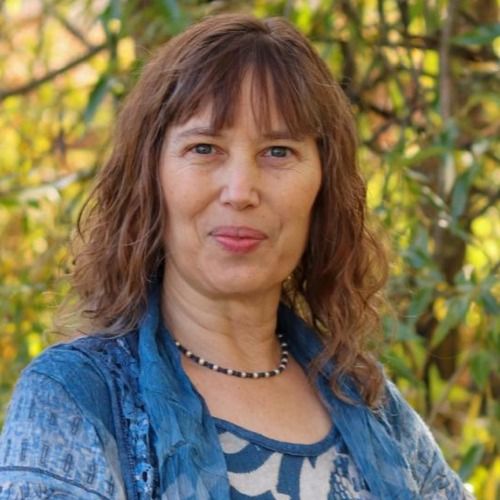
Episode 2
S3EP2-Mila Johansen-From Dreams to Pages: How to Ignite Your Child's Writing Passion
Mila Johansen, a powerhouse in the world of writing, publishing, and public speaking coaching, joins us for a lively chat that feels like catching up with an old friend over coffee. With a whopping 12 bestselling books under her belt, she's here to sprinkle some joy and wisdom on aspiring writers everywhere, especially those little ones who might be too cool for school when it comes to writing. Mila’s passion for helping kids become published authors is infectious, and she’s got some killer strategies up her sleeve to turn that dreaded ‘I hate writing’ into ‘Wow, I just wrote a book!’ Imagine this: your kid sits down with a notebook, maybe a glass of chocolate milk, and suddenly they’re the star of their own story! Mila’s approach is all about tricking kids into writing – yes, you heard that right! She shares how her mother got her to write by suggesting she simply pen a single sentence a day. And guess what? That little trick turned into pages of inspiration! She suggests starting small, like a daily sentence or even a fun letter to a favorite character. A sprinkle of creativity and a whole lot of encouragement can turn that frown upside down, making writing a blast instead of a chore. Plus, with Amazon’s free publishing program, getting that story out into the world has never been easier. As we dive deeper into her homeschooling journey, Mila shares heartfelt anecdotes that resonate with any parent navigating the wild world of education. She talks about how crucial it is to keep things playful and engaging, emphasizing that writing doesn’t have to be a sit-at-the-desk-and-sweat type of deal. Instead, let’s get those kids moving! Whether it’s through theater, reading their favorite books, or even telling stories to their stuffed animals over Zoom, there are endless ways to spark that writing flame. So, if you're a parent, grandparent, or even a cool aunt or uncle, grab a pen, get those kiddos excited about storytelling, and let’s create some literary magic together!
To join Mila's summit that was discussed in the show, please reigister here:
https://go.eventraptor.com/summit/cinderella-summit-2609/kristinaavritt
Gifts from our guest:
A PDF of Mila's short book to help your book be discovered.
https://milajohansen.influencersoft.com/101-surprising-tips-summit
Here is a real activity to do with your kids. Write a Short Book; 5 Steps to Jumpstart your Book.
https://milajohansen.influencersoft.com/5steps_6437017
Mila Johansen is a writing, publishing, and public speaking coach She is the best-selling author of twelve books. She has developed “The Short Book” concept, giving people worldwide permission to write and publish their “short book” first. She loves helping people realize their dreams of becoming published authors in any genre. She homeschooled her daughter through 8th grade and encourages young people of any age to become published authors. It's never been easier or more accessible through Amazon's FREE publishing program.
Bringing Education Home is an educational podcast brought to you by Kristina and Herb Heagh-Avritt.
If you enjoy the show, we'd love for you to leave a rating or review on your favorite podcast app!
Please let your friends know they can listen for free on Apple Podcasts, Spotify or their preferred podcast app or online at Bringing Education Home.
Sponsored by Vibrant Family Education - creating Happy, Healthy and Successful kids
Follow us on these socials:
Facebook Group - The Family Learning Circle
Facebook Business Page: Vibrant Family Education
Support Bringing Education Home
Copyright 2026 Kristina & Herb Heagh-Avritt
This podcast is hosted by Captivate, try it yourself for free.
Transcript
I now have the pleasure of introducing Mila Johansson.
Speaker A:Mila is a writing, publishing and public speaking speaking coach.
Speaker A:She is the best selling author of 12 books.
Speaker A:She has developed the short book concept giving people worldwide permission to write and publish their short books first.
Speaker A:She loves helping people realizing their dreams of becoming published authors in any genre.
Speaker A:She homeschooled her daughter through the eighth grade and encourages young people of any age to become published authors.
Speaker A:It's never been easier or more accessible through Amazon's free publishing program.
Speaker A:Welcome, Mila.
Speaker A:It is a pleasure to have you here today.
Speaker A:Thank you so much for joining us.
Speaker B:Yeah, I'm so excited to be here.
Speaker B:Thanks for asking.
Speaker C:We absolutely love Mila.
Speaker C:It's one of these things that we have been in the same circles, the same group, for several years now.
Speaker C:And she always comes with a smile on her face and some great new information.
Speaker C:And today we really wanted to dig into her homeschool journey a bit and how to help you parents, grandparents, et cetera, to help your child become a published author, if that's what they want.
Speaker C:How do we get them to write?
Speaker C:Because lots of kids are like, I hate to write, this is no fun, et cetera.
Speaker C:So we're going to dive into some of those kinds of things today as we talk to Mila.
Speaker C:So, Mila, the first question is, why this passion?
Speaker C:What is it about writing that makes you not only want to help teach about it, but publish and all the other things?
Speaker B:Writing, well, it's a funny story.
Speaker B:When I was eight, you know, sometimes you find out what you want to be and then you are later.
Speaker B:And I, I went to see Mary Poppins, which dates me the first one.
Speaker B:And I came home and I shut the door in my bedroom and I did some chalk drawings and they weren't very good because I can't even draw stick people now.
Speaker B:But there they were, you know, big paper.
Speaker B:And I shut the door and I closed my eyes and I jumped in, thinking it would transport me to the world of merry go rounds and penguins and FL hours.
Speaker B:And it didn't.
Speaker B:And I tried like eight times and it didn't.
Speaker B:I still believe it can though, because I manifested so many other things.
Speaker B:And.
Speaker B:And then I thought, well, if I can't do it that way, I'll start writing a novel because I, my mother had read to me all the Oz books and then when I got older, I read all the Oz books because she had the real thick ones from childhood.
Speaker B:And then I read them to my daughter and then I wrote three of them into major Musicals.
Speaker B:I got the Buzzard of Wiz right over here.
Speaker B:All these musicals behind me I've written.
Speaker B:And so she.
Speaker B:Anyway, so then I started writing a novel and I wrote a page and a half and I quit because I was eight.
Speaker B:But I knew then I wanted to be a writer.
Speaker C:I absolutely love that because I mean age 8 was a magical age for me as well.
Speaker C:That's when I told my second grade teacher, I'm going to be a teacher and I'm going to come take your job.
Speaker C:And lo and behold, I ended up in the classroom near her.
Speaker A:So 8 years old, that's when we moved from California to Oregon.
Speaker A:That was a very traumatic time for me.
Speaker B:Things happen at 8.
Speaker B:You know.
Speaker B:Another thing that happened was we were driving down the freeway and it was this a frame home and it was like a cabin home, but two story.
Speaker B:I have a picture of one over here and, and we're driving down and I was eight and I go, mom, I want you to stop and look at the house.
Speaker B:And one day there was an open house.
Speaker B:So she stopped and ran through the house and I came back on the porch and go, I'm going to get this house.
Speaker B:So I thought I could go home and mow lawns or do stuff.
Speaker B:I didn't even know how to mow lawns.
Speaker B:And I would get, I would get it.
Speaker B:I knew I could have that house.
Speaker B:Well, of course I didn't get it then, but sometimes you have to wait 40 or 50 years.
Speaker B:And then my father in law helped us build a home here about 15 years ago.
Speaker B:He, and he paid for most of it.
Speaker B:And one day I went down to pick lavender below the house and I looked back at it.
Speaker B:It's a huge home.
Speaker B:And I went, oh my God.
Speaker B:Because there was this a frame.
Speaker B:That's the.
Speaker B:A frame home, but twice as big, three times as big.
Speaker B:I got it eventually.
Speaker B:So that's me.
Speaker B:I didn't realize I was good at manifesting until then.
Speaker B:And now I'm like really honing in.
Speaker A:On manifesting Law of attraction and vision boards.
Speaker A:They, they really do, they really do work.
Speaker A:And I, I have so much resistance to so much of that.
Speaker A:It's.
Speaker A:It's weird that I don't do more of that because it's like I've seen it work, I've had it work in my life and I think it scares me.
Speaker A:So do more.
Speaker A:It's weird.
Speaker B:Do more and then you won't be afraid.
Speaker B:It will be right.
Speaker B:I have them all over.
Speaker B:I have vision boards all over my office.
Speaker C:That is awesome.
Speaker C:So how do we get our kids to vision themselves as published authors or liking to write?
Speaker C:Because that is just one thing.
Speaker C:No matter which parent I've talked to, even myself, I went through a long period of times, like, I really don't like to write.
Speaker C:I know I can, but it's not something that's fun for me.
Speaker C:It's not something I just do on my own.
Speaker C:Help our parents get into that mode of how can we encourage our kids and help our kids become writers?
Speaker B:Well, you know, my mother tricked me into becoming a writer.
Speaker B:I was 18.
Speaker B:But it goes to this.
Speaker B:And she said, mila, she's a teacher.
Speaker B:Why don't you write one sentence a day?
Speaker B:And she goes, I know you want to be a writer.
Speaker B:I go, oh, I could write one sentence a day.
Speaker B:But you can't.
Speaker B:It's like potato chips.
Speaker B:You end up writing more.
Speaker B:So I was writing a page and a page and a half, two pages.
Speaker B:By the end of the 30 days, I was a writer.
Speaker B:And so I trick people now.
Speaker B:I go, you guys, we're not doing this big old 2 hour, 5 hour writing thing anymore.
Speaker B:20 Minutes a day is all we ask on the street.
Speaker B:So what if the kids sat down and just dumped.
Speaker B:Wrote for five minutes a day, Maybe even one sentence a day, like my grandma, my mother did.
Speaker B:And pretty soon they start feeling like, oh, I can do this because she tricked me.
Speaker B:Now people come back to me and they go, mila, you told me five minutes a day, but you tricked me because I write more than five minutes a day.
Speaker B:So I'm tricking all of you.
Speaker B:Let's say one sentence a day, five minutes a day.
Speaker B:And then also here's another way is have them read other books that children have written.
Speaker B:I had a mentor in the beginning.
Speaker B:Covid hit, and I had to reinvent myself.
Speaker B:And I'd been doing books forever, but they had to put it all online.
Speaker B:And this one woman, she was my mentor.
Speaker B:And she travels the world.
Speaker B:She.
Speaker B:They.
Speaker B:They homeschool, and they house it all over the world.
Speaker B:And her kids at 8 and 10 had each written two books already.
Speaker B:So you don't have to wait.
Speaker B:It's free to do on Amazon.
Speaker B:Anybody any age can do it, because they may have to do it on their parents prime account, because you have to have an Amazon account.
Speaker B:And this is one thing to remember.
Speaker B:This is a little tricky, but you'll have your Amazon account and your KDP account, two different websites, okay?
Speaker B:Same password, and they have to be the same email and the same name.
Speaker B:So you just have to remember all that.
Speaker B:And then.
Speaker B:But I.
Speaker B:So I taught lots to kids and got them to do it.
Speaker B:And one thing I did was you could take them and have them, like, rewrite a fairy tale they already know.
Speaker B:I used to teach writing by teaching fairy tales because they're already written and the plot is there.
Speaker B:Most people have trouble with the plot, but I just found this book again.
Speaker B:It's so exciting.
Speaker B:I was teaching a class to kids and there.
Speaker B:Have you ever read the book Dear Peter Rabbit?
Speaker C:No, I haven't read that one.
Speaker B:It's the most amazing book.
Speaker B:All these little letters from, like, Mopsy to Flopsy and then someone to McGregor and then McGregor to the rabbits.
Speaker B:And it's the cutest book I read to my daughter when she was little.
Speaker B:So I said, you guys, I read the book to the class.
Speaker B:It was about 12 kids, and I said, let's each write a letter to someone in Peter Rabbit.
Speaker B:So one of them wrote like, Dear Mr. McGregor, I don't like that.
Speaker B:You're always trying to kill the rabbit.
Speaker B:Stop it.
Speaker B:You know?
Speaker B:And then another one is, Dear Benjamin Bunny, this past week, I went to a party at the last person's house.
Speaker B:I would have expected Mr. McGregor's.
Speaker B:So they wrote all these little things to each other, but as if they were the animals.
Speaker B:And then we published it.
Speaker B:This was a anthology, which is another thing that parents and teachers can do with kids, is anthologies.
Speaker B:But this is a darling, darling anthology that we put together.
Speaker B:And I'm.
Speaker B:What I'm going is get my book person to copy it, and we're going to publish it on Amazon, which we didn't have the option before when I did this 20, 30 years ago.
Speaker C:Right.
Speaker C:That.
Speaker C:Yeah.
Speaker C:And then it just makes so much sense, right?
Speaker C:Because if your child is excited about something, then have them do the writing on that thing.
Speaker C:Right.
Speaker C:We sometimes get so caught up in the structure and the grammar and all the different things that really bring them down.
Speaker C:But if they're writing to one of their favorite characters or they're writing about the sharks that they were just learning about, if they're writing, you know, to their favorite grandparent, whatever it is, that it really also helps them get the writing done.
Speaker C:And like you said, the.
Speaker C:The short spurts, right?
Speaker A:We talk about how that helps them reading.
Speaker A:Make them.
Speaker A:Let them read stuff that they're really interested in.
Speaker A:So, yeah, if they.
Speaker A:If you want them to get to.
Speaker B:Writing, maybe they could find other children,.
Speaker A:Help them create a story around something they're interested in and say, wow, Wouldn't that be a good thing to have on paper?
Speaker A:Why don't you write?
Speaker B:And the parents could start doing these anthologies of different things and then.
Speaker B:But they loved it.
Speaker B:These kids had a great time and they had no trouble writing after I got them going.
Speaker B:But here's another idea is they could do a cookbook.
Speaker B:And this is for adults.
Speaker B:I mean these people, these women did this and everything and I did this cookbook for them.
Speaker B:But what if a parent took it on who had low graphic art and the kids each put one recipe or five recipes in the book.
Speaker B:It could just be, you know, smashing their favorite nuts together in peanut butter.
Speaker B:We don't know.
Speaker B:But, but they do a cookbook and then everybody feels this self esteem from having this book in their hand.
Speaker A:I still have a cookbook that I did in grade school.
Speaker B:Really?
Speaker B:Oh, I'd like to see that.
Speaker A:I'm not exactly sure where it is, but I've seen it in the last year, so I know it's still around here.
Speaker B:Let's get it published on Amazon.
Speaker B:Like I'm going to take this one and put it right on, right on there.
Speaker C:Perfect.
Speaker C:Awesome.
Speaker C:Yeah.
Speaker C:So what, how much writing does the child have to do and can the parent help?
Speaker C:So for example, I know sometimes when kiddos get stuck, they dictate to me and I write it for them for a little while.
Speaker C:Is there something like that that might be able to help parents as well?
Speaker B:Well, I think try to get them to write because it would be good if they could get that hand eye coordination.
Speaker B:Right now they're saying in public school they're not teaching cursive.
Speaker B:And what is that going to do brainwise to our society?
Speaker B:Is it going to dumb everyone down?
Speaker B:And I, I'm very worried about that myself.
Speaker B:So.
Speaker B:But what if, okay, we try the writing?
Speaker B:They do some, you know, even if they did a little, they've done some like me writing the page and a half and I never wrote again till I was older.
Speaker B:Right, right.
Speaker B:So that's okay.
Speaker B:Whatever they do is okay.
Speaker B:But what if they knew they could be published?
Speaker B:It might be more incentive that it will be interesting that they could do that.
Speaker B:But what if also we try the writing and it doesn't qu.
Speaker B:So we do what I was talking to you both about before we got on here.
Speaker B:Have them dictate it on zoom and tell their story and then they get their transcript and the transcript is a mess when it comes out of zoom, but you can fix it.
Speaker B:It's your words and they're gold and the other thing about that is that they could be interviewed and then they could start a YouTube channel, too.
Speaker B:So once they get going and they're seeing, like, real things happen, that's what kids need.
Speaker B:I used to teach children's theater for years and years and years in big theater, and the children loved it.
Speaker B:A lot of the parents said they learned to read on the scripts because they were.
Speaker B:They were homeschooled and they weren't as good a readers, or maybe they were Waldorf and they're supposed to read till nine.
Speaker B:And so maybe doing little playlists with them and having them read those and then maybe have them write their own play, which does need guidance if you do that with kids, because they can go way off.
Speaker B:But there's a lot of ways you can do it.
Speaker B:You know, I think even just speaking on Zoom and telling their story, maybe writing, like you said, about the grandparents first, because they love what's their favorite grandmother's recipe.
Speaker B:I mean.
Speaker B:I mean, there's a lot of ways of doing it.
Speaker B:Think of it as smaller increments than we think of writing.
Speaker B:Maybe smaller.
Speaker B:Like, we're going to the gym now.
Speaker B:I go to the gym, and I only have 20 minutes.
Speaker B:I'm in my outfit, my.
Speaker B:My suit and everything.
Speaker B:I just walk on the treadmill, 20 minutes and walk out.
Speaker B:I don't have time to change my clothes.
Speaker B:So we're not doing these long stints anymore.
Speaker B:You know what I mean?
Speaker B:We can, but we don't have to.
Speaker C:Yeah, And I love that because it really fits into the child's space.
Speaker C:And that's one of the things we talk about with parents a lot, is like, you know, follow your child's lead.
Speaker C:If they aren't ready for a whole bunch of big stuff, start out small or encourage them, do little, and then take the break or come back at it later.
Speaker A:And I love the Zoom idea because a lot of kids like to see themselves on camera and like to tell stories.
Speaker A:So have them bring out their rabbits and tell a story to their rabbits on Zoom.
Speaker A:And then you can start catching their words and showing.
Speaker A:Reading their stories back to them and showing them what they're actually writing.
Speaker B:But my daughter did something really interesting.
Speaker B:Another kid had a magazine, so she wanted to have a magazine, so she did a magazine.
Speaker B:And I could never have told her to do the magazine or got her to do the magazine, but I never stopped her.
Speaker B:And so I didn't let her do.
Speaker B:I didn't make her do any other homeschooling things at all, except for the Magazine.
Speaker B:She did subscript subscription, $6 a month.
Speaker B:Everybody got a little copy of Scribbles and Words.
Speaker B:How about a magazine?
Speaker C:Yeah, yeah, whatever catches their interest.
Speaker C:And right now, the.
Speaker C:A lot of the comics are really big, right?
Speaker C:So if your child wants to do a comic, then they're drawing and writing at the same time.
Speaker A:Graphic novels.
Speaker A:Lots of.
Speaker A:Lots of story, few words.
Speaker B:Those are big right now, too.
Speaker B:Graphic novels.
Speaker B:And they can make their own.
Speaker B:What they can do is look at somebody else's and then try to emulate it.
Speaker B:And don't.
Speaker B:Don't ever be critical.
Speaker B:I know people say we should be, but I never was.
Speaker B:I was always praising.
Speaker B:And one time, my.
Speaker B:My daughter and my niece, I was homeschooling both of them.
Speaker B:There was a knock on the door, and there they were with a mop and a broom in their hand, and they wanted to come in and clean the house, like the housekeeper.
Speaker B:And they were only six and seven years old.
Speaker B:And I said, oh, come on in.
Speaker B:I'm so glad you arrived.
Speaker B:My house really needs it.
Speaker B:Well, they made a huge mess.
Speaker B:Streaks on the windows and everything.
Speaker B:I never said one word.
Speaker B:I was like, I am so glad I had housekeepers today.
Speaker B:Thank you so much.
Speaker B:And they left out the front door, you know.
Speaker C:Yeah, exactly.
Speaker C:Yeah.
Speaker C:I mean, sometimes we just go.
Speaker C:We just need to play along.
Speaker C:Right.
Speaker C:And yes, there are times that we need to, like, you know, knuckle down a little bit and say really correct and stuff.
Speaker C:But most of the time, let it be playful, let it be fun.
Speaker C:Whenever I was teaching writing, it's like, you don't correct every mistake on the page.
Speaker C:You pick one or two and make a little point, and then you let the rest stop.
Speaker B:I think that's a good idea.
Speaker C:Yeah.
Speaker C:So tell us a little bit more about your homeschooling journey.
Speaker C:Why did you just start homeschooling?
Speaker C:What was it all about?
Speaker C:What happened there?
Speaker A:And why after eighth grade, did they go back to public school?
Speaker C:Yeah.
Speaker B:Yeah.
Speaker B:Well, that's.
Speaker B:Yeah.
Speaker B:Well.
Speaker B:Well, first of all, I. I taught this theater program for years and years, and one third of them were homeschoolers because it was their activity.
Speaker B:And I wanted one of those because they were concentrated.
Speaker B:They were great kids.
Speaker B:They were smart, and they were playing the game.
Speaker B:Right.
Speaker B:Once while a kid would go, why?
Speaker B:No one tells me what to do at home.
Speaker A:Well, okay.
Speaker B:But in theater, they do.
Speaker B:And so they.
Speaker B:They all learn to cooperate, and they learn to take direction.
Speaker B:Even with this book, the 101 Theater Games helps the classroom take direction.
Speaker B:And listen to the teacher, it's actually really good for listening skills.
Speaker B:But anyway, that, and I taught this games at the beginning of every class I ever taught with, with the kids.
Speaker B:And so I wanted one of them.
Speaker B:I, I thought, that's what I want.
Speaker B:And so I, I had my daughter late in life, 38 years old, and, and I knew I was going to homeschool.
Speaker B:And I learned from all the people.
Speaker B:I listened to whatever they said.
Speaker B:You know, one mother said now, when they're teenagers, just shut up and listen and I'll tell you everything.
Speaker B:She told me that when My daughter was 6.
Speaker B:And I did that, and I still do that.
Speaker B:She's 32.
Speaker B:So anyway, I know.
Speaker B:So, anyway, so, so I started when she was born, you know, playing games and taking her to the theater.
Speaker B:She was on my hip.
Speaker B:She was always in the theater.
Speaker B:And as a baby, someone carried her on a little fairy outfit in Midsummer Night's Dream.
Speaker B:We had a lot of Shakespeare and, and then she, and then she got older and we were homeschooling and from the beginning.
Speaker B:But what I learned was not to sit too long with your kid.
Speaker B:I'm writing a book about homeschooling to not sit longer than an hour so your kids don't hate you.
Speaker B:So what happened is we would start every day with art.
Speaker B:Now, the days we started with art, both of them, I had both of them for years and years, and I had to save my niece.
Speaker B:But the days I had, I started with art were good days or blocks.
Speaker B:You know, Marie Montessori, I read at that time by accident, said the three things kids should do to put their brain cells together is play with blocks, play in sand, and cut with scissors.
Speaker B:And so we would, they would cut out all this stuff and we would do art.
Speaker B:I had a whole little art room in the back garage.
Speaker B:And, and then I, I, we, I have blocks out.
Speaker B:They come play with the blocks.
Speaker B:Now, the few days I didn't do those, when we had to, like, go somewhere early, we had bad days, like, really the art set up the day and, and whatever it was.
Speaker B:And I would, I would cut out letters and let them decorate them.
Speaker B:I did all kinds of, like, fun things I do in classrooms down here.
Speaker B:I still have all the science books, a whole, a whole shelf full of science books.
Speaker B:Because we would do a science experiment too.
Speaker B:So we did fun things like that.
Speaker B:Then we go to the park.
Speaker B:But mainly we went out and did things like we went to this labyrinth that was a special garden in our area.
Speaker B:We went to outdoor concerts all the Time swam in the river, we went to.
Speaker B:Oh, and then I did.
Speaker B:One more thing is in our area, we had more homeschools than almost anywhere in America per capita.
Speaker B:And so they had a lot of classes.
Speaker B:I taught a lot of them.
Speaker B:I taught drama to the homeschool and we would put on real plays and I would take them to all the classes I can.
Speaker B:Like it was almost like mini college.
Speaker B:I took them to the music teacher and then I took them to gymnastics and ballet and all of that.
Speaker B:And at that time I read a book about Princess Diana.
Speaker B:And in England they teach kids to do everything.
Speaker B:They don't get a choice.
Speaker B:You don't say to a five year old, hey, do you want to go gymnastics?
Speaker B:They don't know what it is now I don't want to go.
Speaker B:So my niece was like that.
Speaker B:So every time I give her a beanie Baby because bribery works.
Speaker B:And then she loved gymnastics and she was better than my daughter.
Speaker B:So I learned that from that book is that teach them everything and then later on they can choose.
Speaker B:So my daughter turned out in college to be a joiner.
Speaker B:She joined the film crew and got hired from them after college.
Speaker B:I mean, so.
Speaker B:So you don't want to ask a little tiny kid, 2 and 3 and 4 if they want to do something, just take them, have them do it.
Speaker B:In my opinion, I think they need to be educated.
Speaker B:And so we, we did everything.
Speaker B:We did every activity there was and hardly any sitting, hardly any at all.
Speaker B:And then I took her to Kuman Math, which taught.
Speaker B:She was really good at math because of it.
Speaker B:I took it to a science teacher eight years, he taught her all the science.
Speaker B:And then, so it was like mini college.
Speaker B:I didn't do it.
Speaker B:What I couldn't teach was math, so I didn't try to teach math, you know.
Speaker B:And then, and then when she got to be eighth grade, she was done being home.
Speaker B:She, she was kind of tired.
Speaker B:A lot of the homeschoolers I know did that.
Speaker B:Another one, they stayed home the whole time, all the time.
Speaker B:They never went out and did things like we did.
Speaker B:One of them was chosen by the Joffre Ballet in New York at freshman, which I'm glad didn't happen to my daughter.
Speaker B:They took her to New York to be in the Joffrey Ballet away from home for four years.
Speaker B:The second daughter went and joined Circus Olay right away at sophomore year, they were gone.
Speaker B:And so I learned that, you know, you want to be careful not to leave them home too much, like take them out to do things or they're going to want to leave early.
Speaker B:And I'm glad my daughter didn't.
Speaker B:She went to four year college at Santa Cruz, did fantastic.
Speaker B:Now she is an emt, a search and rescue.
Speaker B:She let search and rescue today and she also sells $1,000 a week on eBay and Etsy because at 12 for homeschool, I let her start ebay shop and an Etsy shop and now she makes a thousand a week just selling on those things.
Speaker B:It's business.
Speaker B:That's what I thought.
Speaker B:You know, we did real things, as many real things as we could do.
Speaker B:Not too much sitting.
Speaker C:There's two things that you were just talking about that I really want to point out to parents.
Speaker C:The first thing was that you didn't teach it all yourself and you didn't feel the compulsion, the comp to say I have to teach it all.
Speaker C:You went to other tutors, other co ops, other teachers to teach the things that you weren't confident at.
Speaker C:And that's one of the things that a myth that we talk about a lot with homeschool families is that I can't be my child's teacher because I don't know how to do it all.
Speaker C:You don't have to.
Speaker C:And especially since that thing called Covid happened, right.
Speaker C:There are so many more online programs, online groups, different groups built in the community.
Speaker C:You really, really don't have to teach at all.
Speaker C:You just have to be curious and be willing to try out different things.
Speaker C:And the second thing I really wanted to point out there was that you didn't just stay home, right.
Speaker C:You had them involved in different activities and things like that.
Speaker C:Because that's the other big myth that a lot of homeschool parents say, oh, they won't be socialized, they won't know how to do this or do that.
Speaker C:Well, if you're taking them out and giving them experiences and classes and things like that, then that's absolutely not a problem.
Speaker C:It sounds like your daughter and your niece, I think you said.
Speaker C:Yeah, they, they turned out just fine.
Speaker A:Yeah.
Speaker A:And it sounded like you kind of learned this one the hard way.
Speaker A:But most parents think that they have to replicate school and teach their kids for six, seven, eight hours a day.
Speaker A:And seriously, the academic portion is depending on age for anywhere from 45 minutes to two hours in a day, even in a full classroom, the eight hours that they're between lunches and breaks and getting them, there's little, there's only an hour, hour and a half of education in a real school a day as well.
Speaker A:So when you said I made them do everything, that's the one thing I didn't quite agree with you about, because boredom is really, really good for children.
Speaker A:And you said that you didn't let them sit.
Speaker A:And so it's like we went from here to here to here to here.
Speaker A:And one of the things that parents nowadays are doing is they're over activating their children.
Speaker A:So they, they put them up to like 60, 70 hours a week in doing stuff, in activities.
Speaker A:It's like, oh, we have to do this, we have to do.
Speaker A:It's like, bring that back a little bit.
Speaker A:So we didn't do that.
Speaker B:We did meet Medium.
Speaker B:Yeah.
Speaker A:Okay.
Speaker C:Okay.
Speaker A:Because it's like, oh, because we didn't let him sit, you said.
Speaker A:And it's like, you gotta let them, you gotta let them get bored sometimes.
Speaker A:Because the.
Speaker A:What they can come up with in their imagination when they get bored.
Speaker A:Incredibly critical.
Speaker B:Well, and I think, I think it wasn't that I had them not sitting, I meant sitting at a table with me teaching for eight hours.
Speaker C:Oh, yeah.
Speaker B:They had plenty of board time.
Speaker B:And I've noticed that with kids, like when they were, when they were young, college kids, they really grew.
Speaker B:And I think being bored is really important.
Speaker B:I think.
Speaker B:God, you're exactly right.
Speaker C:Yeah, yeah.
Speaker A:Boredom is critical.
Speaker A:It's a, it's an absolutely essential part of life.
Speaker A:It really is.
Speaker C:More people should be bored.
Speaker B:Well, what I really sit for eight hours and do the school thing.
Speaker B:That's really what I, what I was trying to say.
Speaker C:Yeah, yeah, absolutely.
Speaker C:Cool.
Speaker C:So then weave into the writing part.
Speaker C:Right.
Speaker C:Did you.
Speaker C:Some of the things that you talked about earlier?
Speaker C:Is that what you did with your daughter and stuff to help get them into the writing and working on them?
Speaker A:Because I was never a good writer.
Speaker A:Part of it was I couldn't write fast enough to keep up with my head.
Speaker A:So I, I would write and it's like, that's not what I want to say.
Speaker A:And it never turned out to be what I wanted to say.
Speaker A:And it's like, oh, I've got to write this two sentences.
Speaker A:And then eight paragraphs later, it still doesn't say what I wanted to say.
Speaker A:So I, Yeah, I, I, When I write stuff, it's like I end up deleting like five times more than I actually write.
Speaker A:It's really weird.
Speaker C:Or send to somebody.
Speaker B:Yeah, that's why, that's why the zoom.
Speaker B:For you.
Speaker B:For you.
Speaker B:It'd be really good.
Speaker B:Yeah.
Speaker B:You know what?
Speaker B:Neither one of mine turned out to be writers.
Speaker B:But the thing is, my daughter did enter a few contests.
Speaker B:Like PBS had a contest, and she did a picture with one sentence, and it was about her cat she found at our ranch.
Speaker B:And.
Speaker B:And she, you know, she didn't win or anything, or anything.
Speaker B:But.
Speaker B:But I still have the little magazine somewhere up here.
Speaker B:I keep everything she ever did.
Speaker C:Yeah.
Speaker B:And.
Speaker B:And then.
Speaker B:And so.
Speaker B:And then I told her, because she had all these experiences, and in college, she lived in a Jewish fraternity in a closet because it was cheaper.
Speaker B:And she didn't like living with girls because they complained too much.
Speaker B:So.
Speaker B:So I've told her that.
Speaker B:Make a great book.
Speaker B:I'll never write a book.
Speaker B:But, you know, someday she might.
Speaker B:I go, when you get older, honey, you'll.
Speaker B:You'll probably want to write a book.
Speaker B:And.
Speaker B:And, you know, I was not a good writer either.
Speaker B:I was the worst writer.
Speaker B:And I didn't know any spelling or grammar, but I wrote anyway.
Speaker B:And then I had people fix it.
Speaker B:And.
Speaker B:And then from editing all the books I edit, now I can't read books anymore because I'm always reading manuscripts.
Speaker B:I become a really good editor.
Speaker B:And that's really weird because, I mean, no teacher would ever suspected that I was the worst.
Speaker B:So here's another thing.
Speaker B:I was the worst student in the world.
Speaker B:I had to sit through school for 12 years.
Speaker C:Yeah.
Speaker B:And my head was always out in the clouds, imagining.
Speaker B:And that's why all the things I imagined came true.
Speaker B:Probably.
Speaker B:But I was doing my exact training to become a writer using my imagination.
Speaker B:And Einstein says, imagination is more important than knowledge.
Speaker B:Yeah.
Speaker A:Yeah.
Speaker A:I would.
Speaker A:I would sit in the back of the class and read books all day because I was super bored.
Speaker A:Super bored in school.
Speaker A:Oh, me too.
Speaker A:And I scared the teachers because I would be sitting in the back of the class reading my book, and they're always reading.
Speaker A:He's not paying attention.
Speaker A:They would call on me and I'd pop up and look at their question, and then I would answer their question and answer the next three questions they were going to ask that they hadn't even asked yet.
Speaker A:And then I'd go back to reading my book.
Speaker A:And.
Speaker A:And so, yeah, they.
Speaker A:They all left me alone after that because it's like if I'm.
Speaker A:If I was watching what they were doing, I couldn't remember anything that they said.
Speaker A:But if I was reading a book, I was able to absorb everything that happened in the classroom.
Speaker A:Very, very weird.
Speaker A:But if I'm, like, watching, that's why I have to keep forcing myself to, like, turn back and look because when people are talking to me, I look around, because if I'm looking at them, I'm taking them too much information and I can't hear what they're saying.
Speaker A:So if I, like, am looking around and not paying attention to them, then I can hear more what they're saying because I'm not distracted by them.
Speaker B:That is so interesting, because I wrote a poetry book against add, against the overdosing of our children in the name of add.
Speaker B:And it goes against the whole thing.
Speaker B:Like, I wish I had it here.
Speaker B:I have it somewhere, and I.
Speaker B:It's on a.
Speaker B:It's on.
Speaker B:It's called Sit still.
Speaker B:And it's like there was this poem, sit still or we'll give you the drug.
Speaker B:You know?
Speaker C:Yeah.
Speaker B:And it's like.
Speaker B:It's like a lot of those kids, they should be out fishing and they should be out doing things, and like Tom Sawyer and.
Speaker B:And.
Speaker B:And.
Speaker B:And this one very wise principal said, we're overdosing our kids in the name of ADD.
Speaker B:He said 20%, but maybe 2% had it.
Speaker B:When I taught this.
Speaker B:This theater for years and years, there were two kids that I finally had to say to their mom because they were getting violent.
Speaker B:You may have to put your kid on the drug again or take them out for ice cream or do something, and the mother wasn't hanging out with the kid enough.
Speaker B:That's really what the kids want.
Speaker B:They just want you, your time.
Speaker B:And you better do it while they're young, because when they turn older, they kind of push away.
Speaker B:And that's the natural, as, you know, theme of things.
Speaker B:But we can't judge kids by, like, what you just said is a very interesting thing, because I have trouble when I teach classes and people aren't looking at me as a teacher.
Speaker B:It's hard, but I'm getting used to it.
Speaker B:And, you know, if I'm looking at.
Speaker A:You, I'm not paying attention.
Speaker B:I love that.
Speaker B:I love that you said that.
Speaker B:You understand it better than.
Speaker B:Yeah.
Speaker A:Because there are times even.
Speaker A:Even when we're doing a podcast, it's.
Speaker A:I keep.
Speaker A:I spend a lot of time.
Speaker A:You'll see me turning and looking because it's easier for me to hear you when I'm not.
Speaker A:But there's times where it's like I'm watching the person and I'm looking at the camera, and then it's my turn to say something, and I have no idea what's been said for the last couple of minutes.
Speaker A:I haven't heard.
Speaker B:I love that you said that.
Speaker B:You know, that will help a lot of parents accept their children the way they are.
Speaker A:But by looking over here and it, it's distracting enough of something that's right in front of me that I'm able to go deeper with what I'm listening to.
Speaker B:You're a certain kind of Mensa, I think.
Speaker B:You know, my husband is, he's, he's left and right handed and he's so brilliant that he's kind.
Speaker B:And nobody kind of realizes how brilliant he is because he's not a bragger, you know?
Speaker B:Yeah, yeah.
Speaker A:I used to, I used to tell people I would rather be a good singer than as smart as I am because I, I, and, and again, I, I would rather brag because singing, it's something every.
Speaker A:Oh, but I'm like really super smart.
Speaker A:And beverage like, oh, I wish I could be super smart.
Speaker A:It's like, really?
Speaker A:No, you don't.
Speaker B:You know, you know, people who, people who have trouble snoring, they go to.
Speaker B:Men are going to singing lessons all the time for that right now because it develops the chords area.
Speaker B:I wrote, I wrote several musicals, 10 musicals with some musicians.
Speaker B:And I, I, and see, I didn't know anything, you guys.
Speaker B:I didn't know music.
Speaker B:I didn't know how to write.
Speaker B:I just started and now I've got these 22 plays of music musicals behind me that circle the globe.
Speaker B:So you don't.
Speaker B:Nothing can stop you.
Speaker B:We all have our little, our thing we're doing.
Speaker B:You know, Einstein always said, they said to Einstein, what's the theory of relativity?
Speaker B:He goes, I don't know.
Speaker B:It's in a book.
Speaker B:I leave my mind open for new ideas.
Speaker B:So I'm kind of the same way.
Speaker B:I learned that from him.
Speaker B:My desk is a huge wreck.
Speaker B:And over there it says, a cluttered desk is a sign of genius.
Speaker B:Einstein.
Speaker B:And you get a picture.
Speaker B:And no one can walk in my office until they see a picture of Einstein's desk the day he died on my phone.
Speaker B:And Tina Fey as well.
Speaker B:Tina Fey, same thing.
Speaker B:So the thing is, we don't, we can't judge people by.
Speaker B:I was at a writing group one time and they all to their house and showed us their little desks with nothing on them but the computer and the pen.
Speaker B:And then they came to my house the fourth time I go, well, I want you to see a different kind of desk.
Speaker B:But I write more than them.
Speaker B:And I've written, you know, dozens more things than them.
Speaker B:Because if I stop to clean my desk, I won't write the next thing.
Speaker B:So I Don't.
Speaker B:That's just how I am.
Speaker C:Yeah.
Speaker A:When I, when I had a job, when I, when I worked, I worked at Intel, Small, small electronic firm here in Oregon.
Speaker C:Yeah, just a small.
Speaker A:Might have heard of Intel.
Speaker A:But anyway, when I worked at intel, what we were just talking about.
Speaker C:Cluttered desk, clutter desk.
Speaker A:My, my work desk at intel was austere.
Speaker A:It's like I had like one little small picture, one little thing.
Speaker A:My work desk was austere.
Speaker A:It was like, but man, come home.
Speaker A:My work desk at home, where I'm comfortable, it's not even, not even close.
Speaker A:So it's like, yeah, I completely understand.
Speaker A:But when I was at work, when I was being professional, it was, it was pretty spotless.
Speaker A:But cannot do that at home.
Speaker A:Cannot do that at home.
Speaker B:When I'm helping people write and publish the books, which I just helped eight people publish their books in six weeks.
Speaker B:I am very on it.
Speaker B:Like I'm, I'm like a drill sergeant almost.
Speaker B:But when otherwise I'm just sort of a fly by night person, you know, in a way.
Speaker B:But when it comes to my work, I'm.
Speaker B:But that's because, you know, when I was young, I think I really trained to be who I am today.
Speaker B:I really, I really do.
Speaker B:But no, who could train me?
Speaker B:Who could have trained Einstein?
Speaker B:Who could have trained Disney?
Speaker B:You know what I'm saying?
Speaker C:Yeah, exactly.
Speaker C:Yeah.
Speaker C:So we talked a lot about movement and writing and homeschooling and things like that.
Speaker C:Let's go back into that movement space.
Speaker C:What are some of the things that you did with these in the theater or not theater?
Speaker C:What are some of the things that you did to help encourage that movement as well as the settling when it was time to settle and learn?
Speaker B:You mean like physical movement?
Speaker B:Yeah.
Speaker B:Well, let's see.
Speaker B:Swimming.
Speaker B:We swim.
Speaker B:We have a beautiful river here where it's, it's like 100 Olympic sized pools that you see the bottom with polar ice cap, granite.
Speaker B:And we swim all the time.
Speaker B:We went, oh, here's what we did.
Speaker B:That was very, very good.
Speaker B:I'm putting it in the book.
Speaker B:We went on trips, 10 trips a year.
Speaker B:And you know how people do science camp?
Speaker B:Well, we'd go make our own science camp, go to the beach and camp out.
Speaker B:And we camped everywhere.
Speaker B:And we did sort of our quarter.
Speaker B:We went Northern California to Southern California to Tahoe, June Lake, over to the ocean.
Speaker B:And so we did things all the time.
Speaker B:I mean, we, we went and swimming, hiking or a lot of hiking and, and sports.
Speaker B:Let's see, did they do any sports.
Speaker B:They should.
Speaker B:All the other homeschoolers I did did sports because, you know, you need that.
Speaker B:A lot of people who did the theater didn't do sports, but they needed some outlet like that.
Speaker B:My.
Speaker B:Oh, yeah, they did gymnastics and ballet.
Speaker B:What am I saying?
Speaker B:Their whole life, gymnastics and ballet and anything I put them in, I put them in.
Speaker B:I mean, you know, and.
Speaker B:And I got them there.
Speaker B:And they'd end up liking it in the end.
Speaker B:Like I said, my niece would always Bach, but she'd be better than my daughter.
Speaker C:Yeah, but that integration of movement is so critical whenever we're learning and teaching and doing all of those things because they have to have their studious time, but then they have to have their outlet.
Speaker C:Like you said, how do they get the energy out so they can get studious again?
Speaker C:Back and forth.
Speaker B:What do you suggest for the movement.
Speaker A:For a boy?
Speaker A:Hell, just let him run around the house.
Speaker C:Yeah.
Speaker A:Literally around the house.
Speaker A:Come back.
Speaker A:Are you calm?
Speaker A:Three more laps.
Speaker A:Go, go.
Speaker C:Yeah.
Speaker A:Boys, boys.
Speaker A:You just run or.
Speaker C:Or play soccer, whatever.
Speaker C:Right.
Speaker A:Give them an ax and have them go.
Speaker B:Okay, great.
Speaker A:Work them out.
Speaker A:You also said something a little while ago that I found super interesting, and I wanna.
Speaker A:You said that you were doing theater and you were working with kids and the homeschool kids were different, and you wanted one of those.
Speaker B:Yeah.
Speaker A:What were you seeing as the difference between homeschooled kids in your groups and the public education kids in your groups that made you think, make the homeschool kids got it seem a little more put together?
Speaker B:Focus and.
Speaker B:And they minded pretty well too, but more focus and team playing and.
Speaker B:And a lot some of them came though as egomaniacs.
Speaker B:I didn't teach kids till they were eight.
Speaker B:And there's a reason between seven and eight, as you know, it's a big shift, and boys, it's eight to nine.
Speaker B:And.
Speaker B:And one time this teacher.
Speaker B:This teacher's aide came to me and said, so focus was the answer.
Speaker B:But the teacher came to me and said, mila said, I know you don't take seven year olds, but there's a little girl, my class, that's always in trouble, and she needs to be with you.
Speaker B:And I said, no, I don't take kids till they're a. I just don't do it because they're egomaniacs till then, you know, and team players.
Speaker B:And so what happened was she finally.
Speaker B:I said, okay, okay, bring her in.
Speaker B:She turned out to be the most amazing performer.
Speaker B:She played harp with this harpist in town, and her.
Speaker B:When she was, was 8, 9, 10.
Speaker B:When she was young, she played Pamina in the Magic Flute.
Speaker B:I cut Magic Flute down to, you know, bite size.
Speaker B:And she sat on these top boxes and strum the harp and sang Pamina's aria, the shortened version of it.
Speaker B:And.
Speaker B:And my mother, who had worked in Shakespeare and the Pasadena Playhouse saw her and went, that is a Shakespearean actor.
Speaker B:Later she played Helena and Midsummer Night's Dream.
Speaker B:And when best actress and.
Speaker B:And then she became a very famous, world famous harpist.
Speaker B:And she was funny because she was always a little in trouble and when.
Speaker B:I hope she doesn't hear me.
Speaker B:But when she became a harpist, she lives in Hollywood, a very famous actor now and in Charlie Chaplin's house.
Speaker B:And so she.
Speaker B:But when she became an harpist, she made such odd music, you almost couldn't listen to it.
Speaker B:But that was her being her revolutionary.
Speaker B:And I said to all my friends, she will, she will probably conform later and make some music that we will love too.
Speaker B:And.
Speaker B:But she was so famous girls.
Speaker B:I looked on the Internet and little girls were going, I love, I don't want to say her name.
Speaker B:But she was so worshiped by people from being so avant garde.
Speaker B:And that's how she came to me.
Speaker B:So I.
Speaker B:There's different kids.
Speaker B:I mean so many kids came to me.
Speaker B:Some came as like I could tell they were just men's as they were just like in their head they would do the valedictorian later and they were always my best actors.
Speaker B:But then I had great.
Speaker B:Oh, and families.
Speaker B:Here's important.
Speaker B:This is the most important thing.
Speaker B:A mother would come to me and say, my out.
Speaker B:I'm sending you my outgoing kid because they need to be in theater.
Speaker B:I go, no, no, no, no, no, send me the other kid too.
Speaker B:I need the shy kid because they'll become the Shakespearean actor.
Speaker B:And so that would happen.
Speaker B:And I've noticed in every family I've ever taught, my husband pointed out to me when we had two dogs that were complete opposite.
Speaker B:He read this article that usually in every family, and you probably know this, they have the opposite kid.
Speaker B:They have the outgoing kid and the shire kid.
Speaker B:And sometimes the outgoing kid will even sometimes be the housekeeper.
Speaker B:But not usually, not usually.
Speaker B:They get in little trouble.
Speaker B:So.
Speaker B:So I would always say, no, no, send me the shy kid too.
Speaker B:I want the Shakespearean actor.
Speaker B:And it always proved true that that shy kid would come and be the deep actor, you know what I mean?
Speaker B:So you need both.
Speaker B:You need the I'm here actor and you need the Deep actor.
Speaker C:Right.
Speaker C:I love that.
Speaker C:And you know.
Speaker C:Yeah.
Speaker C:It just goes to show, again, the difference between kiddos.
Speaker C:Right.
Speaker C:And when we talk with our homeschool families and stuff, for some kids, homeschool is the, the perfect fit.
Speaker C:For other kids, the public school actually is the perfect fit.
Speaker C:You just have to be aware of what's happening out there.
Speaker C:But, you know, you, that's part of what we talk about so much, is that, that great fit education.
Speaker C:What does the child need to blossom and bloom and grow?
Speaker C:And it's okay if not every kid in your family is the same thing.
Speaker C:They're not all going to be soccer players.
Speaker C:They're not all going to be swimmers.
Speaker C:They're not all going to be artists.
Speaker C:Right.
Speaker C:Help them dive into their education in their strong suit.
Speaker C:Like you help them dive into their sports or extracurricular activities in their strong suit.
Speaker B:Yeah.
Speaker B:Theater sometimes would be the place the kids who didn't fit into school fit in.
Speaker B:And then one kid who came and he was home school and he couldn't read.
Speaker B:He's the one who, his mom said he learned to read on the scripts and she would help him memorize his line.
Speaker B:But he was my lead right from the beginning.
Speaker B:He was the lead all the time because he was so out there and he could really do a lot.
Speaker B:So when he went to high school, he was shorter than all the other people and he would have been the type to be put in a dumpster.
Speaker B:But right away he was cast.
Speaker B:Most people, most times, they didn't cast freshmen in high school.
Speaker B:They cast him as Peter.
Speaker B:Peter Pan?
Speaker B:No, as the little boy in Peter Pan.
Speaker C:Okay.
Speaker B:He was so good on stage that he was worshiped that he wasn't put in the dumpster.
Speaker B:You know what I'm saying?
Speaker C:Yeah.
Speaker C:He didn't get teased and bullied because he had.
Speaker C:He found his strong suit and was able to be there in it.
Speaker C:Yeah.
Speaker C:Amazing.
Speaker A:Yeah.
Speaker A:My sister was the.
Speaker A:I'm in drama.
Speaker A:I'm the play person.
Speaker A:And she was out there.
Speaker A:And because she was like that, I didn't want to.
Speaker A:But in high school, I did a play because it was had to.
Speaker A:And in college, I signed up for a class for, for an elective class.
Speaker A:And the, the, the professor was so angry at me that I didn't keep coming back because I was apparently really good at it.
Speaker A:It had had a lot of fun, but it wasn't necessarily my interest.
Speaker A:And my sister did it.
Speaker A:I'm not going to do something.
Speaker A:My sister.
Speaker A:So, yeah, I, I, looking back at that, that is one of those things that's, that's kind of back there's like, man, I, I should have followed up with that a little bit more because I had a lot of fun with it.
Speaker A:I was pretty good at it.
Speaker B:I have things like that too.
Speaker B:We, that we should have finished.
Speaker B:You know, I regrets, I still regret some things, but we shouldn't have regrets because here we are today doing this, you know, and I had one family where they came and the, the father came and said, I gotta put my son in here because he's not a sports guy, my daughter's a sports person.
Speaker B:And then he, his son came and played all the leads after a while.
Speaker B:Oh, another kid, he came in, is really shy all the whole time and he was sort of a bigger kid and he lost his mom during the shows and we became like his surrogate mothers, me and my team.
Speaker B:I have a nice team.
Speaker B:And, and then he, and, and he was good.
Speaker B:He met a friend who helped him and they did who's on first and he got some chutzpah.
Speaker B:And then not with me, but he ended up being in the choir at our high school, which is a world class choir that wins all these awards with great music and so.
Speaker B:But he ended up doing that.
Speaker B:I didn't see him perform during that.
Speaker B:But then later on he wrote me that he was at Harvard and he was on the Gilbert because we did a lot of Gilbert and Sullivan, you know, Pirates of Pin songs and stuff.
Speaker B:He, he was on the Gilbert and Sullivan performance team singing.
Speaker C:That is so cool.
Speaker C:Oh my gosh.
Speaker C:So time has completely flown.
Speaker C:I just looked at the clock and like, oh my gosh.
Speaker C:We could keep going on and on and on, but we don't want to stay too long today because of course we want parents to listen and get there.
Speaker C:But right now I need you to give them how to contact you if they want to either A, publish a book, B, get some tips for helping their child publish a book, etc.
Speaker A:And yes, and also you've recently published a book book.
Speaker A:And there was something.
Speaker A:Yes, and there's something coming out with that very recently as well.
Speaker A:So go ahead and tell us about all about that.
Speaker B:So, well, this is an anthology which you could do with your kids in classrooms.
Speaker B:And.
Speaker B:And you know, people can pay to be in it or just do them for free because you're the teacher or the parent.
Speaker B:And then this is when we just did for celebrating the 250th anniversary of USA because you know what, you guys, we live in a country with running Water and toilets.
Speaker B:I used to teach Shakespeare for years, and when a kid complained, I go, excuse me, do you have a toilet?
Speaker B:And they go, yeah.
Speaker B:I go, how many in your house?
Speaker B:3.
Speaker B:I never want to hear you complain again.
Speaker B:So this is, you know, this book is a little bit about appreciating where we live, but also stories of women escaping occult and all kinds of stuff.
Speaker B:But anyway, so this came up last week.
Speaker B:We had our lunch today, and we're doing the Cinderella Celebration Summit in September.
Speaker B:And everybody's invited.
Speaker B:You know, I think kids, even everybody would love coming to that.
Speaker B:We're going to give out prizes, trips, all kinds of things.
Speaker B:And I gave you the information if you want to.
Speaker B:Yeah, put it in later.
Speaker C:It'll be in the show notes.
Speaker B:Yeah.
Speaker A:So we're recording this in August.
Speaker A:Your.
Speaker A:Your thing is in September.
Speaker A: This will: Speaker A:2026.
Speaker A:This might be coming out a little bit after that.
Speaker C:No, I have our schedule.
Speaker A:Oh, perfect.
Speaker C:Perfect.
Speaker A:So Today is the August 8th.
Speaker A:And your book launched today.
Speaker B:Today.
Speaker B:It launched today.
Speaker B:We published it this week.
Speaker B:And this is part of my thing I teach everybody.
Speaker B:Publish your book a week ahead because you want to make sure there's no problems before you get to the launch.
Speaker B:I had a couple problems that I had to go back and fix them, and so that'.
Speaker B:And.
Speaker B:But there's.
Speaker B:I have a whole schedule.
Speaker B:Like, I, I have it down.
Speaker B:Probably know more about publishing on Amazon than almost anyone.
Speaker B:As far as these little tiny layers that help your book get discovered, you can meet.
Speaker C:How do people get a hold of you?
Speaker B:Yeah.
Speaker B:Mila Johansson.com okay.
Speaker B:Also, my email is best if you put it up later.
Speaker B:Johansenmila Gmail.com But Johan Milajohansen.com Or Johansenmila Gmail.com Beautiful.
Speaker A:And that will all be in the notes.
Speaker C:So one last tip, one last final words of wisdom for our parents who want their kids to write.
Speaker C:Maybe they're struggling or maybe they're a little reluctant.
Speaker B:Just have them start.
Speaker B:Whether they put their fingers on the keyboard or pen on paper or they dictate to zoom, just start.
Speaker B:You know, it's all about just starting.
Speaker B:Every article ever written about me, after they talk to me, they always title it Just start or Just do it.
Speaker C:It just start.
Speaker C:Just do it.
Speaker C:Awesome.
Speaker C:I love it.
Speaker C:Thank you so very, very much, Mila, for being here on our show.
Speaker C:Thank you for all the tips and the talking about a homeschool journey might look like and hopefully inspiring.
Speaker C:I bet it did inspire other families to jump in and do it.
Speaker A:Yep.
Speaker A:Thank you for being here.
Speaker A:Your stories are so vibrant and full of life.
Speaker A:They.
Speaker A:I could listen to you all day long and still just want to keep going because you're just so full of love and joy and so many people out there nowadays, it's like they're burying their head in the sand and they're not reaching out.
Speaker A:And they see these problems and they just complain about it.
Speaker A:And you're out there, you're not only helping, but you're helping with our children.
Speaker A:And the children are our future.
Speaker A:And that is so, so very important.
Speaker A:And your stories just show that shout that I'm a hero.
Speaker A:I'm a hero in my own story.
Speaker A:And look at all these amazing people that I've helped through life.
Speaker A:So you have a big role ripple in this world.
Speaker A:Thank you for being here.
Speaker A:Thank you for doing what you do.
Speaker A:Thank you for making this world a better place, but by the people that you touch, it's been amazing.
Speaker B:Thank you, guys.
Speaker B:I appreciate it.
Speaker C:You are so very, very welcome.
Speaker C:Audience, you know what to do.
Speaker C:It is time to review and like and share.
Speaker C:If anything that Mila said to you today sparks and you into writing or into publishing or helping your child be a better writer, take that gold nugget and share it around.
Speaker C:Share this show.
Speaker C:Share other shows that really resonate with the family wherever they are.
Speaker C:They might be in their challenge spot.
Speaker C:They might be in their high spot right now.
Speaker C:Whatever it is, help every child be happy, healthy, and successful.
Speaker A:And contact Mila if you want to work with her.
Speaker A:The reason she's out here is we're trying to get more people to come and help us.
Speaker A:So if you think, oh, no, she's too good, she's too busy for me, drop that, give her a call, check her out.
Speaker A:Your kids are going to love her.
Speaker A:You're going to love her.
Speaker A:She's just so heartfelt and awesome.
Speaker A:So thank you for being here today.
Speaker C:And bye for now, audience.
Speaker A:Bye for now.