Episode 56
S2EP56-Elizabeth Kipp-Addiction Recovery and Family Dynamics: A Chat with Elizabeth Kipp
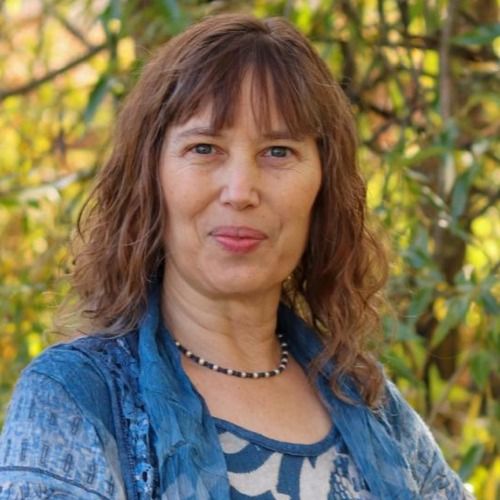
When it comes to healing from trauma and addiction, Elizabeth Kipp brings a wealth of experience and insight to the table, and boy, does she deliver in this episode! Buckle up because we're diving into the nitty-gritty of how our past shapes our present, and let me tell you, it’s not all sunshine and rainbows. Elizabeth shares her journey of overcoming 40 years of chronic pain, anxiety, and addiction, illustrating the power of vulnerability and the necessity of addressing historical trauma. She emphasizes the importance of having open conversations within families about addiction and recovery, challenging the old 'we don’t talk about that' mantra that many of us were raised with. This episode is not just a conversation; it’s a call to action for families to break the cycle of silence and shame. Elizabeth's insights on family dynamics and the way addiction impacts not just the individual but the entire family unit are eye-opening. She encourages parents to engage their children in these conversations, fostering a deeper understanding of emotions and the struggles that come with them. So, if you're ready to laugh, cry, and learn how to create a more supportive family environment, stick around!
A gift from our guest: 5 Ways to Relieve Stress, Anxiety, & Fear
https://bit.ly/5WaysToRelieveStress
• Suffering from stress, anxiety, and fear in your life can lead to chronic pain. But it doesn’t have to be that way!
• In fact, you’ll be amazed at the positive impact shifting your awareness around your experience with chronic pain has on shifting your physical well-being and your life as a whole.
• Over five days, Elizabeth shares powerful, effective, and easy-to-implement tools she has used to unleash the body's healing power, calm the mind, and live a more peaceful and fulfilled life.
Elizabeth Kipp is a Stress Management Specialist, Historical Trauma Specialist, and Addiction Recovery and Betrayal Trauma Coach who utilizes post-betrayal transformation methods, Trauma-Trained and Yoga-Informed Addiction Recovery Coaching, Compassionate Inquiry, and ancestral clearing to support individuals in their healing process. Elizabeth healed from over 40 years of chronic pain, including betrayal trauma, anxiety, panic attacks, and addiction. Now, in long-term recovery, she helps others tap into their healing potential, discover freedom from suffering, and lead a thriving life. She is the international best-selling author of “The Way Through Chronic Pain: Tools to Reclaim Your Healing Power.”
Bringing Education Home is an educational podcast brought to you by Kristina and Herb Heagh-Avritt.
If you enjoy the show, we'd love for you to leave a rating or review on your favorite podcast app!
Please let your friends know they can listen for free on Apple Podcasts, Spotify or their preferred podcast app or online at Bringing Education Home.
Sponsored by Vibrant Family Education - creating Happy, Healthy and Successful kids
Follow us on these socials:
Facebook Group - The Family Learning Circle
Facebook Business Page: Vibrant Family Education
Support Bringing Education Home
Copyright 2026 Kristina & Herb Heagh-Avritt
This podcast is hosted by Captivate, try it yourself for free.
Transcript
I now have the pleasure of introducing Elizabeth Kipp.
Elizabeth is a stress management specialist, historical trauma specialist and addiction recovery and betrayal trauma coach who utilizes post betrayal transformational methods, trauma trained and yoga informed addiction recovery coaching, compassionate inquiry and ancestral clearing to support individuals in their healing process. Elizabeth Elizabeth healed from over 40 years of chronic pain including betrayal, trauma, anxiety, panic attacks and addiction.
Now in long term recovery, she helps others tap into their healing potential, discover freedom from suffering and lead a thriving life. She's an international best selling author of the Way through chronic Pain Tools to reclaim your healing power. Welcome Elizabeth.
It is a pleasure to have you here today. Thank you so much for being on our show.
Elizabeth Kipp:Well, thanks so much Herb and thanks Christina for inviting me on. I'm so thrilled to be here.
Kristina:You are very welcome. We, I was so excited whenever we were doing our pre chat and everything, talking about, you know, getting excited about helping families.
And this is a tough topic because a lot of parents and families don't want to either admit that they are going through like addiction recovery or having those big, big changes in their lives or their, you know, kind of ashamed of it.
And that's one of the things I really want to make sure that as we're talking with our audience and our parents is like everybody goes through stuff, right?
But let's dig a little bit deeper and when it's appropriate, maybe even talk to your children and show your children about what's going on and how you healed and changed so that there's more understanding in the world and more understanding behind between the families. So thank you again for being here and let's jump in with that passion question.
I mean partially it was in your bio about your own self healing and things like that. But so what is it about helping parents mostly, but then layering it down to families that really brought you to this point of where you are today?
Elizabeth Kipp:Well, I grew up in a dysfunctional family and our mantra was we don't talk about that. So you know, my brother and I kind of walked around on eggshells at home.
Because we knew we were going to get it, we just didn't know when and nobody wanted to hear about, wanted to hear from us. So it was kind of sit down, be quiet, we don't want to see you emote and we don't want to hear from you. And I just asked you a question, answer me.
So. This, you can see the dysfunction just there.
But the thing was is that not only that was there, but my mother was undiagnosed, untreated bipolar Disorder and she self treated with alcohol. She also had, she was a golfer and she had low back issues. And she couldn't take pain medicine. Not supposed to mix those things anyway.
And she just, you know, she just. Alcohol was her, was the way she coped now. So I, and I had my own issues with being on pain medicine for a long time.
And when I went to, I went to the Betty Ford center for treatment and into their pain management program. And that was in the afternoon. There's 100 patients on, on, on campus there.
And 20 of us were in the pain track, the chronic pain track, and the other 80 were really not. They were just kind of in the normal population of people that were healing from alcoholism of some sort or drug addiction.
And so I went to Paintrack every afternoon with the rest of the other 20 people. And everybody else. All the other 80 went to relapse school. And I wasn't getting any help and I was getting classes and training in relapse.
So I asked my counselor one day, well, what about relapse school? How am I going to. What's the plan there? And she said, there's an 80% relapse rate in the first year. And I kind of. She stopped me. That was her answer.
There's an 80% relapse rate. And I started, and I thought to myself, when I heard the odds, I was like, well, I'm doomed. And the second thing I thought was.
Because I started as a social scientist in, in college. What's wrong with this model if the best we can do is 20% success rate? Right? There's, we gotta, we gotta do better than that.
So I, so I, most, for most.
Herb:Kind of treatments is actually pretty good. So.
Elizabeth Kipp:Yeah, well, that's actually on the high.
Herb:Yeah, but, but I, but the thing that went through my mind when she said that is, oh, you'll get that training the next time you come through here. So when she, so when you said that, my, oh, she's gonna say, yeah, you'll get that training the next time you come through.
So I'm sorry, I just wanted to throw that.
Elizabeth Kipp:That's hilarious. Fortunately, I didn't have to go back, but I did vow in that moment.
Once I got my own sea legs in my recovery, that I would do what I could to help move that needle on the relapse rate. And so I worked hard on my own recovery and I learned what I could and. I ended up doing the addiction recovery coach training. And.
Part of that was really understanding. Family dynamics and codependency. And, you know, there's. There's a lot going on there. There's.
First of all, it's like I was just talking to somebody the other day who works with young moms who's also in recovery. And she was describing the. The ads out there for young moms and alcohol. Oh, you've had a long day and you're working so hard.
Here's some wine or here's some beer. Here's some whatever. And they make it sound so. Innocuous and inviting. And to the uneducated, you know, we're walking right into the dragon's lair.
Right. So. And what does that mean? You know, you get a drink under you, and now you've.
You've created a veil between you and your other family members, your kids, your spouse. And now you're not present. And not even getting into the health part of it. But I'm just talking about kind of what it can do to family dynamics.
You're not. You're not present, you're not able to hear. Right. And you're not maybe able to. Reply. In a helpful way.
So mostly for me, as a kid, I just got a lot of uncontrolled emotions thrown at me. So that was just kind of. And so what did I do? My brother and I, we learned to just squash them all.
So we're both in recovery and our recovery, and I'm 11 years in recovery, and our recovery is unwinding that. Right. Getting the issues out of the tissues, because they go right in there. Yeah. So that's one aspect.
Another aspect is two other things I want to talk about. One is. We'Re all one unit. Right? We're. We're. Yes. I'm a person, and I exist in a unit. And we all. You know, what happens to one happens to all.
So it's not. It's just like. And. And also in our neighborhood and in our city and in our state and in the country and in the world, this.
This kind of underlying understanding on a deep level, like even a somatic level. That we're not separate.
And when you see that and really get that now, you begin to understand why family dynamics are so important and why it's so important to speak up. The other point. So that's three prongs. One, the outside world is coming in and tempting in unhealthy ways. The other one is we're all connected.
And the third one is. All biological systems. Their tendency, their movement is always towards homeostasis. We're always trying to get towards balance. So. Addiction Is a.
Is an attempt by the nervous system to find safety, to find balance. It's just not able to do it. And there's a very interesting model that Jane. Jane Winal is. She's felt sense.
Polyvagal model, talks about how there's a trauma loop. And we get in the trauma loop. We get. So in a trauma loop, we don't feel safe. And the nervous system's trying to get to safety, but it can't.
And so the default is, now I'm going to try and fight or run. And you're going to stay like. Get defensive and stay like that. But we can't. The nervous system can't sustain that. For very long.
So then it flips to the other option, which is shut down, which is depression, fawning. Hiding, isolation. And it can't sustain that for very long. So it flips back to this excited state. So you're going between this. We call it.
Dorsal and sympathetic. You're flipping, but there's no ventral. Is that balanced state? But there's no. There's no ventral. So it's. It's.
Anyway, that's kind of polyvagal language. But the point is, you're either super activated or you're shut down. And neither of those is really safe.
But it's the closest that the nervous system can do to approximate safety when it actually can't find safety. So we don't talk about that as a mantra in a family. Is not creating safety. It's. It's hiding. Right?
Herb:Yeah. One of the ways that. That we explained it or that a simple way to explain that is. Is addiction is not the problem.
Addiction is somebody's answer to a problem that they have because they don't know any better. That's like, I have this big hole in my life. I'm trying to fill it. Ooh. This substance distracts me from it.
Makes me feel something that I don't normally or makes me not care.
But anyway, whatever that substance is, whether it's a food, whether it's a drug, whatever it is that you're addicted to, it fills in that little hole for a minute or makes it a little less. And so the drug is just the solution to that. So the treatment for that is to try and figure out how to fill that hole with something meaningful. So.
Because once that. Once you fill that hole, then there's no room for that substance to take that away. And so that. That's the dance that I go through with people.
Elizabeth Kipp:Beautiful. Beautifully stated, Dr. Gabor. Mate talked about. Don'T ask why the addiction, asks why the pain is, you'll find. Now I suffered chronic pain.
But before the chronic pain, I had unresolved trauma.
And my solution to dealing with unresolved trauma and the, and the, and the dysregulation that it created, the chronic pain it created in my body was this addictive cycle because I had no. I had. All I had was my wits and, and what, what was available to. To me out there. I had no. This is the other thing about addiction.
We're looking out there for a solution to actually something that's here, and we just don't have the tools.
Herb:And that's another, I'm going to say a big, huge problem with our medical system right now is because they want to give you drugs to treat the pain, drugs to do this. Are they giving in drugs to treat the depression? But they're not ever actually trying to fix what's wrong with the people and give them meaning.
And so it's, it's this weird vicious circle. So diet, exercise, it's like, oh, my back hurts here. Okay, well, let's strengthen the body in this ways.
Work it opposite, and then we can resolve that naturally instead of doing the work when it hurts. Like, oh, here's a pill.
Kristina:Oh, here's a muscle relaxer.
Herb:Here's a muscle relaxer. And so you build up these things that stay inside of your body instead of work doing. Doing the work when it's necessary. You put it off.
I did for years. I'm not saying you. I'm saying me. I did for years. And now the work that I have to do because of what I didn't know is a lot bigger.
Elizabeth Kipp:Yeah. I remember when I, when I went to treatment, I went to treatment with a torn rotator cuff and, you know, kind of suffering with that.
And once I got detoxed enough so that I could actually go to strong enough so that I could actually go to physical fitness class. I walked in and talked to the, you know, person there, and I got this rotator cuff thing, and it was so cool. Now, nobody around me at the time.
I mean, I got diagnosed torn rotator cuff. But no, we'll put you into, you know, we'll put you into physical therapy and do this thing.
I didn't get that for whatever reason, I get into this physical fitness and, and, and, and the guy there exercises all the muscles around the tear. And the tear healed by itself.
Kristina:Yes.
Elizabeth Kipp:And I was like, that's genius. Right. But, you know, also I had, you know, I had plenty of Water on board. And I was getting well fed and all, you know, all the things. But.
Herb:And it wasn't. It wasn't one thing. It wasn't like, oh, it was to rebuild. That probably took months.
Elizabeth Kipp:It took a lot less, actually.
Herb:How long?
Elizabeth Kipp:Yeah, well, I was in. I was in treatment for 52 days, and by the time I got out of there, I was in no pain. And I was in a detox bed for 12. So probably about a month.
It probably took about a month to heal that. So it may have been well on its way, but. But it was. It was amazing to me. What. How simple the solution was. And I was like that.
You know, I studied to be a research scientist. I got. That was my training as a plant. Plant biologist and ecosystems. And the simplest, you know, the KISS principle was very important.
The simple solution, simplest solution is usually the one. Right. So I loved Gabor's thing because he talked about, well, don't ask why the addiction, asks why the pain. You're asking, like, what's the.
What's the question that you want to ask? This is this. This is another thing I learned in. In research science is like, be careful about the questions you ask. Right.
And the other thing here that I got to give families credit for, and I. My own family is an example of it. We don't know what. We don't know. We had. We just didn't have education.
And in my family, my mother's behavior was considered eccentric. Right?
Kristina:Yeah. They didn't know that there was actually an underlying something going on.
Elizabeth Kipp:And she wasn't. We did have a Delaware mental facility, but she wasn't. She wasn't deemed by the family as needing that. So I don't know.
I don't know what they would have. What their. I don't know what their bar was for that, but. But I'm just saying, when we were.
Herb:Growing up, children were supposed to be seen and not heard. And I'll give you something to cry about and.
Elizabeth Kipp:Yeah, exactly.
Herb:And so it's like, yeah, we were. We didn't have. We weren't shown how to deal with emotions. We just had to. Whatever worked. Right? And so it's like, yeah, that's.
That's how we both grew up on different side, you know, not even close to each other, so.
Kristina:Which is part of the reason why this podcast is here, right?
By having these discussions and having our younger generations hear these and listen to these, it gives them a little bit of an insight into their parents and grandparents, but it also gives them the permission to have these discussions, because that's what we're saying is like, yes, if these discussions could have happened, if this curiosity would have grown, if you give your children permission to ask questions, you know, then these things are going to be less and less and we have less people in trauma.
Herb:And I was going to say I sometimes threw those statements out at my kids, but it was way more of a. As a joke.
Kristina:Yeah.
Herb:It was never. It was like. Because something would be happening, and I would be jokingly say that, but it was never like a serious thing.
So we changed our parenting style from what our parents did because we didn't necessarily like it, and our whole generation did that, but none of us knew what we were doing, and we were all doing it our own ways.
Elizabeth Kipp:That's right.
Herb:Some of them worked well, some of them not so well. There's. There's a lot of really unkempt kids in the next couple of generations.
Elizabeth Kipp:I'll give you an example.
Herb:We didn't know what we were doing. Now with the Internet coming in with this right here, right now, what we're doing, it's like, we don't want the next couple generations.
So it's like we have the, the technologies, we have the tools. So it's like, let's get this information out now so that we can share what works.
And so for all of us trauma grandparents and trauma parents that are trying to make a difference, what is something that actually works that. That is proven Brain science. I know you've. You've gone through a lot of training and stuff.
It's like, instead of trying stuff that, oh, let's try this. Give us, give us something that we know. Brain science, all of your years of experience actually works well.
Elizabeth Kipp:I'll give you a great example of how my husband and I did things differently. And. But we didn't know why. We just kind of intuitively knew. And this is brain science. When our children are 7, under 7 years old, they're not.
They don't have the capacity to regulate their emotions. So when my son was crying for whatever reason, you know, I would have gotten yelled at and, you know, go out of the room.
I mean, that would have been like that. It would have been, you know, get away from me.
But what we did with my son was we just, we just held him and we just kept holding him and holding him and holding him. And that's called co regulation. So your child doesn't know how. The child at that age depends on the caretaker to regulate for them.
And so we're doing this kind of thing. And we're actually sitting with a dysregulated. Little one. But we're regulated. And because we're regulated, which means we've.
We'Ve got, we're calm and we've got, you know, we've, we connect, we've got awareness and we're, we're purposeful in the moment. Their nervous system now is learning how to regulate because we're teaching them.
This was not part of my program, but my husband and I knew instinctively, God help us, we were, you know, we were really fortunate. That was very helpful.
Now, what wasn't helpful that we did just as an example was that we got a puppy for our son when he was maybe five or six, maybe seven something. And, and we had for couple of weeks, so enough, long enough time for bonding and stuff. And there was an accident. That puppy died.
And my husband and I really had no. We had no understanding of how to handle that. The grief and the emotion.
And because we were all told to don't emote, we had no, I mean, we just hadn't had enough education to, to understand that crying was okay because it was not okay for me. Like, none of that was okay. Right. So it's really important that. The point I'm trying to make here is we messed up there.
We did really great at the other. But the point is, is that our children have, we all have emotions and there's nothing bad about them. They are part of the human journey.
So, so let's embrace them and, and, and teach our children through example. How to navigate that and that they're not scary and that you don't have to hide them and all that.
Herb:I actually think that they're the most important part of the human journey. We, we don't come onto this planet to, to go to school. We don't come onto this planet to get a job.
We don't come on this planet to have to pay mortgages. That's all. So we come on this planet to have relationships, to, to connect with people, to have connection and to have life, to have these feelings.
And when these feelings are happening, it's like, I'm alive. It's like, wow, when you get into the depths of grief, it's like, you know, you're alive because you don't want to be.
When you are ecstatic and it's like, oh my God, I'm happy to be alive. So, so at the, at the, at the break edges of these emotions, it's like, that's, you know, life in those moments.
And so to be able to take the smaller emotions and find your life in those, that this is. This is so much more of what being human is instead of being society. And so that's, that's part of what we teach.
Because if we can get kids that information at a younger age, that they're not wrong. Wow. That they won't have to try and unwind this for. You're at 11 years. Years now. Are you close to having it unwound all the way yet?
Elizabeth Kipp:Oh, I'm. I'm much better, Much better. I.
Herb:It's gonna be a while, right? I've. I've been unwound.
Elizabeth Kipp:I have. I have parts of me that are like, hell no. And I'm like, I see you. So, you know, so it's. It.
This is what Nikki Myers, who's a beautiful recovery coach, coaching through. Why 12 SR. The yoga of a 12 step recovery. She talks about. The lost self and discovery of the lost self.
And these parts that Richard Schwartz talks about in Internal family Systems, there are all these. We get fractured. From all of this and it's all about integrating. Right. And one.
I remember being at an event with Nikki over Thanksgiving, years ago, and. And I had this experience where. And I was so confused early in my recovery. I had this experience where I was really sad.
Really grateful and longing for, For. For my. For my. For. For connection. For. To a very specific person, my family. And I had all those feelings all at once. And I was.
I had no idea what to do with any of it. So I just didn't do anything. I just felt. I just allowed all of it. And I. And I had that the evening before. The next day, I. I go, I go.
We went into the event and. And Nikki starts talking about all these different things. We can feel them all at once. And I'm like, well, that's exactly what just happened to me.
And I. Because I felt, just because of my own training, I felt there must be something wrong with me. Right. Because nobody talks about this stuff.
And if nobody talks about it now, I think there's something wrong with me just because that's where I go.
Herb:We need to get again this information down to the children's level in ways that they can understand it so that they know that there's nothing wrong with them.
Kristina:Yeah. So as adults and as parents, as you're going through these emotions, you're finding these split emotions all at the same time.
It's like, you know, if, if you can either right then or a little bit later when you're aware. Express that out loud. So your children here. Wow, I can't believe what just happened to me.
I was feeling happy and sad and really it, you know, confused all at the same time. And this is kind of how I thought about it. But again, if they don't hear it, if it's not expressed to them, they don't understand it.
They'll never get it. So. Yeah.
Herb:Okay.
And one more thing I'm going to pop in because it's a little funny thing, little, a little plug is you said that boys don't really learn the emotional regulation until they're about 7 years old.
Elizabeth Kipp:Children, boys and girls.
Herb:Boys and girls. So having them sit in little rows and desks and for eight hours a day is ridiculous.
Your children shouldn't even start, start going to school until they can emotionally co regulate in the seven or eight year old range. So there we go. Get your kid. Don't send your kids to school until they're seven or eight.
They will catch up probably quicker because they will be able to emotionally regulate.
Kristina:And the thing that popped in for me there is that, you know, we, we have a group of parents right now that they're like, oh well, I'm going to let my children kind of develop and see who they are.
And so for those critical years of one through seven, they're not giving a lot of direction, they're not doing a lot of helping with emotional control. And then we're wondering why our kids are kind of confused when they're older.
It's like no, your job as a parent is to help them understand these emotions like you said, to help co regulate because they can't do it themselves until they're aware enough they can't really be making their own decisions. So you really need to be guiding and helping them along the way way.
Elizabeth Kipp:You know, I love that you said that and I'd like to just add a little bit of nuance.
Kristina:Yeah.
Elizabeth Kipp:Because. Of the work that I, that I've done around codependency. And which is really an unhealthy kind of attachment to another person.
Like, like, like I'm, you know, in order for me if I want you to like me. So I'm going to change my behavior. That's kind of a, kind of a quick and dirty example of what that is.
Part of that was that I didn't know what a healthy boundary was and I, and I actually did codependent work with a group of recovery coaches right out of our training for about a year and a half. We Worked with pumaldes, work on, on, on codependence.
And we taught each other what a healthy boundary looks like because we had no examples in our own life. So. And I don't remember a lot of my childhood because I kind of blocked it out.
But, but what I do remember is feeling invaded as a child, like my space invaded. And so although I wasn't allowed to do it back, you know what I'm saying? So there was this very unequal.
Kind of I gotta honor them, but they're not honoring me kind of thing and that's very confusing.
Herb:And justice, having the concept of justice at that age is very confusing. So.
Elizabeth Kipp:Yeah, well it's also. I made it about there's something wrong with me if I feel bad. So it's hard on the self esteem.
So I'm not saying I'm not, I'm just bringing this into awareness so that parents maybe kind of look into what would, what would it be like to teach my child healthy boundaries and what would that look like in our family dynamics? So that, so that, that I just feel like that would be, be really helpful.
Kristina:Oh yeah, I completely agree with that. Yeah.
I mean it's just one of those things that if, yeah, again, if they don't know, if they haven't been modeled, if they haven't been explained to, if they don't have some way of understanding or getting that information, then yeah, it's going to be really.
Herb:And from the personality standpoint, there are a lot of introverts. This is very, very, this would be very, very helpful information. Information because.
I, I fit the classic of a wounded healer because I, I had serious trouble setting boundaries. People would come to me with problems and I would shoulder the burden instead of being able to say this is me, that's your, that's your problem.
I can help you, but I'm not going to carry that, that, that distinction for some people. Took me 40 plus years to figure that out.
And to be able to teach children that, especially of again, the quiet, introverted, highly sensitive children, that, that, that gets taken advantage of and, and you can lead a much more productive life if you can learn to set those boundaries and act as a child.
Elizabeth Kipp:Wow.
Herb:I wish I had learned that.
Elizabeth Kipp:Yeah. Yeah. I think we, I think we learned them kind of with each other, in school, with our friends.
But the thing was, is that the adults weren't modeling that. So we kind of made our own rules up and sometimes it worked and sometimes it didn't. And, and yeah, you talk about the, the. Different personalities.
By the way, when you look at biological ecosystems, the more diversity there, the better, the healthier the ecosystem. So you could say the same thing about all these, our neurodiversity, the diversity of the, of the human nervous system and the brains.
The more diversity that there is, the, the healthier the population is. But this is not the way that our, our current paradigm sees things. I'm, I'm just putting that in there because I think it's really important.
Kristina:So one thing I wanted to ask you specifically because of your background in the addiction recovery and things like that is if a parent is going through that and they have children around them, what's one way that they can either explain what's happening or share at age appropriate levels what's happening? How can they really kind of start. Yeah. Letting the kids know and then kind of making amends?
Because usually if they're in addiction recovery, there's been some harms and some hurts along the way.
Elizabeth Kipp:Well, that, that's kind of an, on a case by case basis, I, I give you an example of how it could be a problem. You don't want to put the child in a position where they're, where they have to grow up faster than.
And, and that happened to me where my, my dad would take me inside and say, oh, you know, I'm having this problem. And, and, and, and like, like I was supposed to solve the problem.
Kristina:Right. Yeah.
Elizabeth Kipp:So that's not a helpful approach because now I, now I miss my childhood. You know what I'm saying?
So you, you want to kind of meet them where they are, and if you're having the problem with, if you're trying to get clear clean with, I, I would bring a third party in to help moderate that conversation.
Kristina:Yeah.
Elizabeth Kipp:You know, like a professional.
Kristina:One of the ways I kind of tried to explain it in one of the talks that I gave is that, you know, you don't have to share everything with your child, but at least share with them that you're working on something. Right. So that they don't. Like you said, they don't take it on themselves. Oh, mom and dad are upset. I'm, I did something wrong.
Elizabeth Kipp:Yeah.
Kristina:That are having a rough time. I need to do better to let you know. And that kind of level, talk to them and say, hey, yeah, this isn't about you, this is about me.
Elizabeth Kipp:And so, yeah, that, yeah, I would have loved if that had happened in our household. But that distinction was. They just didn't have the capacity for that. They just, they just didn't have the tools, but we do today.
Kristina:We do today.
Elizabeth Kipp:This is the. This is the. This is the. Just the. The best news.
Kristina:Exactly.
Herb:And, you know, if. If you have an addiction to the point where you're actually seeking coaching, counseling, help to. To get through it, your children already know.
So this is 100. Like, oh, hey, by the way, guess what? I'm an addict. It's like, your kids know.
Elizabeth Kipp:We knew that, Mom.
Herb:This is a. This is a conversation that needs to happen to say, hey, look, okay, I'm going through recovery now. I'm working on it. I'm gonna relapse.
It's part of recovery. I'm gonna do my best, and we're gonna get through it.
And when I do fall out, we're gonna try and figure out how to take the next steps and get back here. So it's like. It's not intentional, but stuff happens. So how do we move forward? That.
That conversation needs to be age appropriate and probably at the younger age somehow. I wouldn't even know how to start.
Elizabeth Kipp:And I would also ask the. The child, how can we support you during this time? Right. Because it's not about. It's not about me as the parent.
It's about the family, and it's about. You're not just informing them. Ask them how they. How what. What their needs are and how. How they can be supportive.
And keep asking that question through the process so that they. They really feel included, because they are. I mean, this is part of living the model, that. Of the oneness, of the. We're all connected.
It's part of living that.
Herb:Yeah. And keep asking that question because it can change day by day.
Elizabeth Kipp:That's right. That's right. Now for me, I just have to say, since we're talking about what are our needs?
When I first got asked that question, I didn't know what the answer was.
Kristina:Right.
Elizabeth Kipp:It's like, needs. What are those? Like, I don't even know what that is.
Herb:I'm alive. I have everything.
Elizabeth Kipp:Like, so. So let's get wrong. Let's. Let's get that sorted out so that. So that then the child is able to actually ask for what they need. Right. Yeah. Yeah.
Kristina:I really. I really love the. You know, the.
When you come back around, a lot of therapists and counselors and stuff really talk about, you know, either making amends or apologizing.
You know, when you do fall off and you do have your bad day, whatever, you talk with your children, you say, yeah, I blew it yesterday, and I apologize. And you know what?
Can we do to, you know, build our relationship back or help you understand what just happened so that maybe the next time, you know, we understand it a little bit more?
Herb:Again, age appropriate, those. Those conversations are. Are different at way different ages.
Kristina:Yes, they are.
Elizabeth Kipp:And it might be helpful to ask them how is it affecting them? You know, oh, I fell off the wagon. I'm. I'm. I'm climbing back on. You know, I'm. I'm trying to do better. How is that affecting you? And.
And how can I support you so that we're not making it just about us? It's. Again, it's a family thing. It's a family affair. Yeah.
Kristina:And I love that. Yeah.
Herb:Yeah. Because one of the things, again, that we say is, like, I'm me and she is her, and we're both individuals, but there is also a we.
And this we is an entity into itself. And so. And. And then the greater family is an entity. I think that's what you were talking about earlier as well. So, yeah, I'm me. I'm an individual.
I can leave. But. But this is a thing. So when we are. Are a thing as well. And so the family.
So it's like, if I have a problem and I'm recovering, she needs to be part of that because she's hurt as well.
Elizabeth Kipp:That's right. Yeah. And who knows what kind of journey they're going through, the other person's going.
Herb:Through, you know, shameful. But including your family can help all of that and alleviate some of that.
Because, you know, one of the things you find out is a lot of people are going through the same things. It's like.
Elizabeth Kipp:That's right.
Herb:The stories, the circumstances, the, the, the, the. The. Yeah, the.
The circumstances of what happened might be different, but the feelings that you have inside are gonna be the same, you know, because if you hit your hand, it hurts. If, if somebody does this to you, it hurts. And it might not be exactly the same way that it happened to you, but it's the same pain.
Elizabeth Kipp:That's right.
Herb:And just different ways of combinations of getting to it.
And so by sharing that and you realizing other people have those feelings, have those issues, have that same stuff going on inside of them, it can help relieve you a little bit by that co regulation, by knowing, oh, someone else is here and we can come down together.
Elizabeth Kipp:Yeah, for sure. And the shame piece that's associated with addiction, in my view is a. It's a massive misunderstanding because as we started, the.
Every organism, every biological system and organism is trying to get Back to balance. And so the addictive cycle is the system's best, the human's best effort in the moment to get back to balance. There's no shame in that. The.
Our machinery is acting exactly as designed.
Herb:Yes.
Elizabeth Kipp:So. But. But we have to. This is a paradigm shift in the psyche, in the population, and. And we just have to keep pounding that point until people get it.
There's.
Herb:In that darkness. It's. It's easy to know that up here, but it's not easy to know that in your heart. So some of these things, it's like, oh, yeah, the. The shame.
There's no reason to be shamed because it's like it did. It was something that kept you alive. It. It saved you from something else. And there is no reason to be ashamed. But when you're in that, those.
Those feelings and thoughts, they. They aren't heard. Is. Is easily. So it does take work, it does take help.
It does take a coach to help you through it and to keep reminding you and to keep you on that path and let you know that you're worth it. So recovery is completely worth it. Your life becomes better. It does get better.
Elizabeth Kipp:You know, I love that you said that about the heart and the mind. And I, I would. I would flip that and say that it's not. It's the mind that's the culprit. And it's the heart that closes.
And the recovery process is learning to. Kind of calm the mind, clear the mind. Balance the mind so it doesn't have a negative thinking problem, which is a whole addiction all by itself.
So that we can now find. And we move from the mind being the boss to the heart beginning to open. We can hear the heart. And it's because.
Knows that there's no shame with addiction.
Herb:Yeah, that's what I was just.
Elizabeth Kipp:The. The mind is like, we need that.
Herb:Information from the head and bring it down here.
Elizabeth Kipp:Yeah.
Herb:Because it's like I can know something, but then once it's. Once it's. It's like, oh, I. Once I know it in my heart.
Elizabeth Kipp:Yeah. Then the whole system changes.
Herb:Yeah. So knowing something in your head is like, oh, I've got lots of stuff in my head.
But then when that knowledge comes into the heart, that knowledge comes into experience and it settles in. That's. That's the kind of knowledge that. That's really helpful. So again, that same thing for me for years I knew.
I knew it was all up in my head, but then when it came into my heart and I finally knew then that, that made all of the difference.
Elizabeth Kipp:That's right. Yeah. Well, you know, we, we, we have a, we have a ways to go really, in society to kind of understand this stuff, but we have a path.
The good news is there's a, there's a path. And, and, and there, there are plenty of people that have tread it before us and there are people that will do it after us.
And, and we can, we can do this thing together.
Herb:Yes.
Kristina:What other messages do you have for your family?
Because I know when we kind of talk our pre chat, you're like, you know, there's a couple of different things that I really want to make sure I say to the families. Have we covered the ones that you wanted or was there another message that you really wanted our families to hear today?
Elizabeth Kipp:Well, I, I, you know, the shame piece is a huge piece and that we don't talk about. That is a huge piece. And. I would also, I know this is kind of a blatant thing to say, but I would also. Encourage people to get some training in.
To the extent that they can in.
Suicide prevention, just learning like what the signs are and not taking matters into their own hand, but knowing kind of when these are the signs and these are the resources that I can tap when I see them. This is one of those things in the, in the world of addiction that, that's kind of a corner that people don't like to talk about.
I just did a panel on it this morning, so it's kind of fresh on my plate. And, and also, you know, we have, have that, that's something we've had in my own family. So, and again, we don't talk about that.
And the fallout from someone deciding that that's the way that they were going to solve their solution, that's their strategy to solving their problem. The fallout in the family from that. I can't actually measure it. And you know, I love measurements and data.
The fallout is so on every level in the family. And, and it's like we don't talk about it because we don't even know what to do with it. Right.
And, and somebody on the panel said we have to normalize the conversation around this. And I was like, I love that. And before we normalize it, we have to have a conversation in the first place. Right.
Herb:Especially if someone in your family has, has committed suicide because that increases the likelihood of somebody else in your, in your family doing that more than any other thing. So if someone in your family has already committed suicide, get together with the other people in Your family follow through.
Make sure because and in even yourself because it's like that. That is huge. So again, normalizing the conversation.
Elizabeth Kipp:Yeah, gotta have the conversation first.
Kristina:People point to, you know, we have so much more teen and young teen. Not, not, not 17, 18 year old teen. We're having it all the way down to the tweens, the twelves.
It's like, oh my gosh, why in the world would a 12 year old think that there's no more to live for? Right. So yeah, have those conversations. Make sure it just brings out part of a dear little family that's in our community.
The dad decided that was it's time to his time to leave and now there's two little kiddos living with the grandparent because.
Elizabeth Kipp:Wow.
Kristina:Yeah. Yeah.
Elizabeth Kipp:Oh man. There's going to be, you know, so much work to do around.
Hopefully they've got all the support that they need and they will continue to have the support that they need.
Herb:We live in a really, really small town. There's only 600 people that live here.
Elizabeth Kipp:Wow.
Herb: d, and that's only about like: Elizabeth Kipp:And supportive. Hopefully you all talk to one another and there's no, we don't talk about that going on in the, in the town.
Kristina:It comes and goes. Here and interacting more and more. We're trying to help people really, you know, not do that. It's like, no, let's talk about what's going on.
Elizabeth Kipp:Let's.
Herb:So I, I grew up here, lots of trauma, never wanted to move back. My mom here gave up her license and didn't want to leave and so she would have had to move somewhere and she wouldn't have come stayed with us.
So we came to stay with here to spend more time with my mom to put the family time in and, and it's amazing being back here how much healing I'm going through in this place that caused me so much trauma that I ran screaming as quick as I could. Now I'm back and I'm healing from, from the stuff that hurt me and it's.
Elizabeth Kipp:That's beautiful.
Herb:Really, really weird transition to help heal the community through this. We're getting very involved in the community and again it's a small community.
So wonderful bringing life back to it and we're hoping to, to make it more pleasant, more.
Elizabeth Kipp:That's just wonderful.
Kristina:So Elizabeth, let our audience know how they can get a hold of you because this has been a beautiful Conversation. And a lot of great nuggets and gems have been dropped here. And if someone's like, you know what?
Elizabeth is speaking my language, she's the one I really need to get a hold of and find out more and see how either we can work together or I know someone that she needs to get a hold of. Let them know how to get a hold of you, please.
Elizabeth Kipp:Sure. You can find me at my website, which is my name, Elizabeth Kip, with a dash between the Elizabeth and the Kip.
Elizabeth-kip.com I have all my social medias there. You can contact me through email there. There's lots of information there, blogs and all, all kinds of free resources. So just find me.
There's a little Elizabeth Kip Central. Elizabeth-Kip.com. thanks for asking.
Kristina:Oh, you're very, very welcome. And thank you. Right.
Having conversations with beautiful souls like you, people who are really trying to help our families and our world, you know, fight these things that are tearing us apart is so important. So thank you for being here today, and thank you for sharing your wisdom and your passion with us.
Elizabeth Kipp:Thank you so much. Christina and Herb, great to see you.
Herb:And thank you for being here. It was such a pleasure being this kind of. These kind of conversations are my out of the box. Love this stuff.
And, you know, so many people who have gone through this, they. They crumble or they crush or if they do make it, they just go around living their life.
Kristina:And.
Herb:And you came back and you not only are telling your story, but you're helping other people through that. So you went out, you fought the dragon. You. You made it your own, and then you bring it back to help other people. And that is the hero's journey.
And you, dear miss Kip, are a hero. Thank you for being on our podcast today, and thank you for making the world a better place.
Elizabeth Kipp:Thank you so much. Have a great day.
Kristina:Thank you. All right, audience, you know what time it is. It is time to, like, share, review, give this to someone else who, you know is.
Might be going through something and might need just that little extra support, because we are here at Bringing Education Home to help raise healthy, happy and successful children, which means that they need a healthy, happy, and successful family. So do your part, help share us around and make sure that all these messages are getting out to the people who need them. Until next time. Bye for now.
Herb:Bye for now.