Episode 55
S2EP55-Julie Diamond-Why Education is More Than Just Academics: Insights from Julie Diamond!
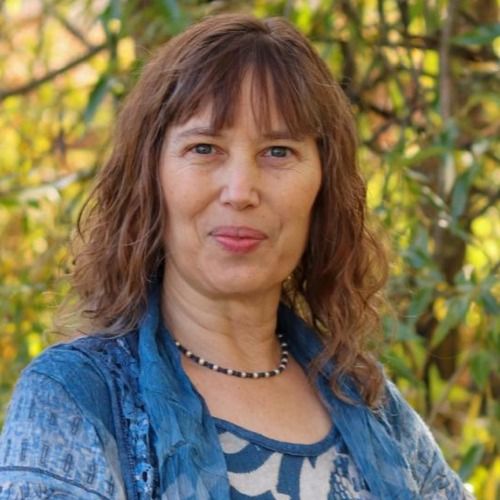
Julie Diamond, the founder of Diamond Teachers Group, takes us on an enlightening journey through the world of online tutoring and educational empowerment. With over 15 years of teaching experience, Julie passionately discusses the challenges faced by students in traditional classrooms, particularly when it comes to personalized support. She highlights the critical need for tailored educational approaches, especially for those with unique learning needs. As a certified teacher in both British Columbia and Ontario, Julie emphasizes the value of one-on-one tutoring, which offers a nurturing environment for students to thrive. She also shares her experiences as a member of the Toronto District School Board's special education advisory committee, advocating for families with children on the autism spectrum. Beyond education, listeners get a glimpse into her personal life, including her love for yoga and cooking, which round out her approach to a balanced and fulfilling lifestyle. This episode not only inspires educators but also provides practical insights for parents looking to navigate the complexities of their child's learning journey.
Julie Diamond started an online tutoring company called Diamond Teachers Group (formerly Teachers to Go) in 2011. She is a certified teacher in both BC and Ontario, Canada, with 15 years of teaching experience, and she is really passionate about helping students feel empowered and confident in themselves. She also served as a member of the Toronto District School Board’s Special Education Advisory Committee (SEAC), supporting families with children on the Autism Spectrum. Outside of work, Julie enjoys practicing yoga and cooking new recipes. She also loves spending time hiking with her partner, her 9 year old stepson, and their two dogs.
@diamondteachersgroup on Instagram
Bringing Education Home is an educational podcast brought to you by Kristina and Herb Heagh-Avritt.
If you enjoy the show, we'd love for you to leave a rating or review on your favorite podcast app!
Please let your friends know they can listen for free on Apple Podcasts, Spotify or their preferred podcast app or online at Bringing Education Home.
Sponsored by Vibrant Family Education - creating Happy, Healthy and Successful kids
Follow us on these socials:
Facebook Group - The Family Learning Circle
Facebook Business Page: Vibrant Family Education
Support Bringing Education Home
Copyright 2026 Kristina & Herb Heagh-Avritt
This podcast is hosted by Captivate, try it yourself for free.
Takeaways:
- Julie Diamond's journey from classroom teacher to founder of Diamond Teachers Group highlights the need for personalized education.
- The podcast emphasizes the importance of creating a supportive learning environment that nurtures children's interests and needs.
- Parents are encouraged to engage with their children's education by facilitating open conversations about learning struggles.
- Effective tutoring can bridge gaps in education by focusing on individual student needs, especially for those on the autism spectrum.
Transcript
and Ontario, Canada with 15 years of teaching experience and she and she is really passionate about helping students feel empowered and confident in themselves.
She also served as a member of the Toronto District School Board's special education advisory committee supporting families with children on the autism spectrum. Outside of work, Julie enjoys practicing yoga and cooking new recipes.
She also loves spending time with her partner and her nine year old stepson and their two dogs. Welcome Julie. It is a pleasure to have you here. Thank you for joining us today.
Julie Diamond:Thank you for having me.
Kristina:One of the things I love about our podcast is that we get to be international. So not only do we get our Canadian friends from up, up north of us, but we also have spoken with people like in Spain and Israel and the uk. Yeah.
So we love having our international friends come and talk about education because something we've learned is that, you know, education might be different according to the rules, but. But when you talk about real education for a child and real education for a family, it's pretty much the same across the nation.
So thank you for being here today and thank you for what you do to help kids.
Julie Diamond:Yeah, yeah.
It's always nice to meet people in similar industry and see how we have similarities and then learn from each other's differences as well to better support families.
Herb:So how did you go from being a teacher in the system to starting your own business Tutoring?
Julie Diamond:Yes, I would say after some time in class, in the classroom, I realized that there was a big need in providing students with support tailored to their specific needs as well as just having them learn how they learn. And there was a real gap in the system and it was really hard to support individual students when you have 35 plus kids in a class.
I found that I gravitated towards supporting kids one on one small groups and thought that if I can bring that expertise as a teacher with other fellow teachers to give that environment of that one on one support and it would really help kids a lot more.
So that's kind of where I gravitated, you know, beyond the classroom walls and developed a team of teachers who tutor in order to help kids in a smaller and smaller kind of one on one setting, that.
Kristina:Yeah, and it's so important because you did see a need, right? You saw something that was outside of what you usually do.
And you know, a lot of teachers do, they work during the day and then they tutor after school or they work for someone like you and tutor, you know, weekends or whatever. Partially. Sometimes because of monetary need. Right.
And other times because they still want to give back and be in that one on one situation because it is so different than a classroom. Yeah. One of the things in your bio said though, that you also are still an advisor for your local or your nearby school district.
What does yes kind of look like? Yeah.
Julie Diamond:So they have community members that, you know, work with the school board on a volunteer basis. And we meet once a month to hear the.
Any programs that are being introduced for kids, in my case, kids on the spectrum, autism spectrum, making sure that things are in place to better support the kids within the school district. So we give our feedback, we advise what we feel could be changed or have any questions about what's going on, what's happening.
So it just kind of keeps the school district accountable for what they are implementing.
Herb:So I like that. I hear that. But wow, there's a whole lot of resistance I. I have to that.
So you, you recognize that as you lower the student teacher ratio, even down to one to one, is where you. But our teachers are, our administrations are pumping the classrooms fuller and fuller.
Like when she was in second grade teacher, when she started, there was 20 students in her classroom and that was kind of a lot, but it was doable. When she left, she would sometimes get up to 35.
So we talk, you talk about how the school district listens and tries to do stuff, but then they keep increasing the class sizes, lowering the number of teachers, bringing in assistants instead of bringing in teachers to lower class sizes. So it's like, are they really listening or.
Because would your job really be necessary if the school districts were doing what was best for the children?
Julie Diamond:Oh, I completely agree. I think there's also just a disconnect as well, because while we are advising the school district, they're still funded by the province here. Right.
And so they have a budget that they have to adhere to, that they are restricted by in a lot of cases because there is a deficit. And so while they are listening and while they are doing some great things, there is still a lot of pushback that we get.
And you know, our role is advising. They can take it. They. They just have to kind of show us.
And again, because we're community members, it's just a way of keeping things in ba, like the balance in check. But it's still not like there's. There's a lot of kind of discussion and resistance that we have, you know, Month to month.
So it's hard when you're getting funded and that budget is decided by the province. But we are then advising the school district how to use that money. So, yeah, there's. I agree.
There's a lot of frustration that comes with, with the meetings, for sure.
Kristina:What I want to say here is that, you know, that role is super important because otherwise they wouldn't hear the concerns. And that's why we, as a company, when we talk about parents, is like, parents, go talk to your special education teacher.
Go talk to your regular education teacher. If you have a child on the spectrum, go express their needs and wants and do see what the district can do. They won't always comply.
They won't always do everything. But as long as they know it and is documented, then there's a little bit of leverage there if things kind of go off the rails. Right.
Like, I already talked to you about this. This is kind of what we told you is going to happen. Let's see if we can kind of fix this again if you have to stay in the public schools.
Julie Diamond:And that's true. Like, I, you know, hear from a lot of families who are just like, okay, we're hitting walls here. Who can we talk to?
And I can direct them and guide them on, okay, the last family that I helped with, you know, a similar situation, this is who I directed them to. So it's just kind of helping clear some paths for them to talk to the right person, to be knocking on the door of the right person.
Because a lot of families, they don't know where to begin. And even getting, you know, having a child diagnosed with, you know, a learning difference is very overwhelming, and you don't know where to start.
So that's how we can kind of help bridge the gap between something that.
Herb:We do, too, is we help. Is we help people who are still within the school systems. Like, I'm having this kind of a problem. How do I get help?
It's like, okay, you talk to this person. This is how you say it. You talk to this person. This is how you say it. This is what.
This is the kind of documentation you need to bring to be able to even get in the door. Once you get in the door, here's how you then start making them do what they said they were going to do.
Yeah, it's not a, hey, I'm going to go talk to my teacher. You have to be involved and you have to push the system because the system is. But.
And so that's where I really appreciate what you are doing because children are getting left behind. In America, less than half of our graduating seniors can read at or above a sixth grade level. So our kids are being left behind.
And so tutors like you stepping up, creating a whole industry around the failures of our school system. Good on you. We need more people doing this.
Julie Diamond:Thanks. Yeah, it's really rewarding, I find.
You know, even if I, because I've stepped back from the tutoring part, I primarily, you know, work on business development and, but just seeing a part of making that connection between the family and the tutor that I know would be a great match for their child's profile. I just think that it's so nice to know that these kids are feeling empowered, feeling confident.
And it's in large part because I had a hand in, you know, making that initial connection for the family. And it's also just giving peace of mind to families. I don't know if you guys feel that way.
It's just they come to you and you have that initial call and they're just so lost and they're feeling so frustrated and overwhelmed. And it's just so nice to have that follow up call where you're just like, I'm, I should, I wish I would have met you sooner.
Herb:You know, and really amazing thing about that is they're usually doing all of the right things. They usually getting it right, they're just doing a little too much.
And so they just need to learn to slow down, keep a pace and just relax a little bit. And once they get their permission to, I don't have to be this perfect school replacement, then just the settling in and then the learning blossoms.
So it's like you get the parents to calm and center and then the children just, just flourish.
Julie Diamond:Well, kids feed off that, right? If they're seeing their, their parents feeling overwhelmed and anxious, then you, they, they're sponges. They tend to go, okay, well you're anxious.
So I need to be anxious, you know, because I don't know, you don't know what you're doing and I can feel that, you know, but once the parent, like you said, can just calm and believe in themselves and know they don't have to be this perfect replacement.
And also, you know, reaching out to external providers who can, like yourself, like our company, like, we can help them, we can, you know, just support them, give them the confidence and empower them as the educators at home.
Herb:And you know, the hardest part is when they come in and it's like, I couldn't do it. They Feel bad about themselves. There's an embarrassment, there's a shame that I couldn't do it. And I said I was going to.
And so breaking past that, you know, put that away. These are your children. Drop your ego. You need help. You know, we're coaches. We get coaching help from other coaches.
Teachers have continuing education. Don't think that, that as a parent you're just going to get it. You know, teachers keep getting continuing education. We have coaches.
It's like, get help. It's going to, it's just going to be easier.
Julie Diamond:I agree.
Kristina:So let's jump into some strategies and some ideas.
When would a family know that maybe it is time to talk to a tutor, talk to a company and find out, you know, where that maybe some needs are or what they need to do to get there?
Julie Diamond:I would say starting with talking to your child about how they feel around, learning how they feel around school.
Because I find that once you start to realize that your child's quickly losing their confidence in themselves and they use words like I can't do this or I hate this. I think definitely reaching out, whether it's it be to a tutor or starting just with your child and seeing, okay, let's do this.
You don't have to have all the answers. Mistakes are part of learning.
And just having that conversation about building their confidence, once it goes beyond that and maybe you're getting some resistance because you are the parent and they can't see, see you as anything else.
I would say then you would reach out to perhaps somebody else just to kind of have that third party step in and help them kind of feel more comfortable.
Because a lot of the time I find kids, even if they have parents who are teachers and they're calling us going, Julie, like I'm a teacher, I should be able to teach my own kid. You know, it's not about you and all these, you know, things.
You may know the curriculum and you may know your kid, but it really comes down to they can't see you as anything else but your their parent. And they may feel embarrassed. And that's where the shame comes in. Right? Because they want you to see them a certain way.
So if they're making mistakes around you and they don't feel comfortable to make mistakes, then they're not going to get any learning done.
So a third person can kind of step in and be that safe person for them that, oh, well, I can make mistakes because, you know, my tutor or my teacher, like that's fine. So it's, it really is about starting with talking to your child first and seeing where they're at and going from.
Herb:There and starting off sometimes with, with. With our homeschooling parents, one of the things that we have them do is dischool, not unschool deschooling.
So when you first take them out of school, it's like, don't do anything for two or three months. Even if you take them out in the middle of the year, it's like, don't do anything for two or three months. One, two or three, whatever.
But you get the school system out of them because you're not.
And because so many parents, when they, when they take their kids out of the school, they immediately try and replicate school at home instead of creating a learning environment. So we, we have them d school. So stop the schooling and then pick it up in, in a different kind of a way.
Instead of trying to recreate a school system, you create a learning environment.
Julie Diamond:Yes. I, I think a lot of the time, whenever we have families come to us and say, there seems to be a disconnect.
And my child doesn't like math, my child doesn't like going to school. I always say, okay, what's going on?
Because there's usually a deeper issue that has to do with social, you know, whether it's emotional, social, there's some sort of disconnect there that we need to break through, that we need to. And so our tutors always focus on, you know, it may not be a month, but it'll be the first few sessions. Let's just create that relationship.
Let's have some fun. They're still doing learning. Right. But in a fun, more game gamified way where they're creating that relationship that get to know you.
And it's amazing what some kids will share with their tutors as soon as they start to feel safe with them. And it's like, oh, it's. Your parents just recently got separated.
That's why you've been struggling in math, you know, or, oh, your best friend is no longer speaking to you. That's why you're not wanting to go to school. So there seems to be a lot more than the curriculum or the understanding of curriculum.
So I like your suggestion of, you know, kind of getting that deschooling out because you need to figure out where what was going on and kind of having that understanding of let's. This is going to be a different experience at home. This isn't school, this is learning.
Herb:Yeah, yeah, that's, that's a big difference. Yeah, it's education instead of learning.
Julie Diamond:Yeah, I like that.
Kristina:Yeah. And when we talk about education, a lot of people think education means academics. For us though, education is everything. It's the whole child.
It's how to communicate with others, how to be in the world, how to self regulate all of those different.
Herb:How to budget, how to clean your room, how to keep a house, how to, how to grocery shop and plan a meal. It's like all of that stuff is like there's some life skills. Yeah.
Who get out of high school or sometimes even get out of college and then they're like thrust out in the real world. Like I don't know what to do. You know, you go into some of these young families houses and you look at their oven and it's never been used.
It's still got plastic wrap on it because they don't know how to cook. So. Yeah. That's.
Julie Diamond:Oh yes.
Herb:So bringing people back to, to humanity, to being, to stuff that you have to have to live. And so our education system is like going so far over. It's like teach us how to be in this world instead of just all of this facts and information.
Julie Diamond:Yeah, no, I agree.
And I think that's, you know, Christina, when you and I had initially connected, that was a huge thing that you and I saw eye to eye was it's about educating the whole child. Education is about focusing on the whole child. You need to prepare them for the real world.
And it's really is about, you know, math isn't just sit down and do this worksheet that's not going to work for most kids. It's about. And some tips I, you know in our blogs that I suggest to families is involve them in budgeting for groceries that week.
You know, show them how credit cards work and you know, if you have a teen at home, show them look at the different credit cards and how, what credit cards mean, what does credit mean? What does a debit card mean? Like showing them your bank account and how you budget for certain things, how much you should put away.
So it's, it really is involving them in the day to day. That's where literacy is. That's where numeracy is.
Kristina:So they get so interested in reading and stuff when they're reading out something they're interested in. So if you think about story time, right.
When you have plenty of books around you and your family to read whenever it's quiet time or whatever, bedtime and they get to pick out that book, they're excited because they're pointing out, oh, this part they understand and this part they understand. They know this word and they want to share with this word. And just really brings them into the learning instead of pushing the learning. Right.
We want them drawing the learning, pulling the learning, understanding real life.
And, you know, those connections like you were talking about, like family budget and grocery shopping and stuff, cooking, that's also super important just for the family dynamics. Right. Because you want your, you and your child to have common language, conversation, and a connection over what's happening in the family.
Julie Diamond:And that, that's what I say to my stepson. He's nine, and I say, you know, he says, oh, you know, he likes to. He's learned to use a knife safely and he loves cutting now.
So he'll sit there and cut the cucumbers or cut the vegetables for. For dinner. And sometimes when he's, you know, not really feeling up to it. Oh, why do I have to? And it's like, bud, we are part of a team.
The more that you do to help us out, the more energy we'll have to play after dinner together. Right. So it's, it's really about having them understand and think critically about.
Okay, I'm not going to give you chores, but if you look around the house, do you see this needs to be picked up and folded? Maybe. Do you think you see the dishwasher needs to be unloaded?
I want you to look around the house and see what needs to be done rather than these are the things you need to have done before you can get this reward. No, like, this is us being part of a team, and I want you to look around and be a problem solver.
And that's, I think, is a huge life skill to have and to give your kids, is look around a house and see what needs to be done and then you can do that. Yeah.
Kristina:Okay. So the perfect learning environment is to have the pencil all lined up on the table just right. Little bucket of markers just right.
The books on the shelf just right. The posters on the right. That's the perfect learning volume, right?
Julie Diamond:No, no way. I would say, while it's suggestions, because.
Kristina:I know you've written some blogs and things about how to help.
Julie Diamond:Yeah.
Kristina:So make sure that learning environment looks great. Or.
Julie Diamond:Yeah, like, I mean, it doesn't. I would say that yes, an organized learning environment is helpful. I would say a decluttered learning environment is nice. That all doesn't really.
It helps in the sense of being organized and having a clear mind. But it's a small piece of the pie. Right. It's a small piece of the puzzle. You really want to have that consistency for kids, I would say.
And having that kind of like structure in the sense of they know where they're learning.
I would say, I always like to say to families, have a set area in the house where okay, this is like has all your supplies, has your tools, has you know, a comfortable area where the kids know when we're at the table, this is what we're doing or when we're in this like a beanbag chair. I love differentiated seating is like my, my favorite thing because I am not one that sits at a table, you know, with my feet on the floor.
I am a beanbag feed up, you know, with the computer in my lap kind of person. And that's where I think best. So I like to give that to my kiddos too. Is that option if you want to be at a standing desk, no problem.
But just so it's somewhere they're comfortable. But it really is about giving them the independence and the choice in their learning. Like, kind of like what you said earlier.
So have them know, okay, this is the time of day that I feel most focused. This is the time of day where I would like to do the learning.
Maybe it's 9 to 12, maybe it's in the mid afternoon where they feel they're, you know, switched on enough. Not everyone is a morning person. So giving them some say in when they're learning what they're learning. I want to start with math. I want to do this.
So giving them kind of that those choices I think gives them the buy in when you're starting. So that's what I would say definitely is the organized to an extent. I would say designated area more so than organized.
And then giving your child the independence.
Herb:I watched a TED talk on a guy who won the memorization Olympics.
So it's like the people who like sit with 10 decks of cards and, and shuffle them and then can memorize 10 decks of cards which each cards like when they're doing that it's like they turn everything off. They sometimes put on glasses that just have little pinholes so that the only thing that they can see is the card. And so it's that kind of a focus.
So the clean area space is for an intensely focused purpose. But other than that it's like you're not going to run into that. I learn best when I'm fidgeting.
If I'm in a classroom and people are talking, I can't look at the person. So it's kind of.
This is an interesting thing because I actually sit here and look at you and I'm a coach and I look at the person and I get out of my way when I'm doing that. But when I'm learning, when it's for me, I have to be like looking and fidgeting with something and I'm hearing it and I'm absorbing it.
But if I'm focusing on you, there's too much information coming in and I start losing it. So some kids have to fidget when they learn.
Kristina:They have.
Herb:To me, it's like if I sit in focus, then, then what's going even as I'm doing this is like, you can't tell. But I am constantly moving my hands because of stuff going on.
Because if I'm not, then what's happening in my body takes over my mind and I can't focus on anything. So it's like some people have to fidget, some people clean environment.
I learned best in kind of a rough environment where I have to get more stuff done because it's weird. But one of the things that we're also. I'm going to change the subject now.
Kristina:Okay.
Herb:That's just kind of an aside in there. In your bio, you talked about creating study habits. I, I was a super smart kid.
I never had any when I got to college and I actually had to start studying and writing. Very, very difficult for me.
And even in later life, project work, if I can't do it within a day, if I have to like schedule, it gets really difficult for me. So how do you start creating those kind, those kind of habits is, you know, especially for smart kids.
Kristina:How young?
Herb:Especially for smart kids because it's like smart kids get left behind so much in this stuff because so much of these conversations are on working with disabled or disadvantaged kids that people like me who never learned how to study, who pass tests like, like breathing in water. It's just, it was never a challenge for me. So then when it finally came time to be challenged, I had no idea how to deal with it.
Julie Diamond:And I think a lot of kids really struggle with study skills or executive functioning skills.
So the ability to, you know, look at something, break things down into smaller steps, knowing how to set down and, or I mean, some kids really do well when they're pacing and having someone scribe for them. So it's, it's really about just knowing your child too. But when it comes to study skills, I would say the earlier, the better.
It really, it's Age appropriate.
So even if you want to Talk to your 5 year old where it's like, okay, so how would, if we're going to do this word problem or if we're going to figure out this, you know, how much we need, how much money we need for, you know, groceries this week, how would we, what's the first thing we would do? So getting them to really start from as early age as possible, I would say is key.
But what they can start with is I would say chunks of focus time on any task. And you can do this with any age, I think starting with, you know, I like to say one minute per year that the kid is.
So with your 5 year old, start with 5 minutes of focus time. Okay, we're going to just, you're going to work on this Lego and I'm going to set a timer and then increasing it as your kid does.
Well, because I think the biggest problem, and I don't know if Christina, if you found this is kids inability to focus is. And I think a lot of that has to do with screen time. But I mean it is a problem.
So I think the best thing you can do is and it is a study skill to be able to focus on a task, focus for, you know, a set amount of time and you don't have to do something ridiculous. It's just that's why I like to do one minute per year that your child is and then increase from there.
Herb:So one thing I would like to say real quick there is, is children who can't focus. I think, I think we should change that to focusing on something they don't want to do.
Julie Diamond:Yep.
Herb:Because if they get into something they can be focused in and do their own thing and makes no sense to you, but they've got this thing and they spend two or three hours intensely focused on it. So they can. But it's focusing on stuff that they don't necessarily want to do in that moment.
So that I think that's the skill there and there as well. Because like your kids can focus and how do we get them to focus on what we think is important or.
Kristina:What life thinks is important. Right.
Julie Diamond:That's true, that's true. And I think that. Yeah, no, I mean that's, that's a good point.
Because I'm thinking of all the kids, even with adhd, when you get them to do something that they are in, interested in. I mean I just like to say aside from screens, one of our punishments.
Herb:For our son was to take his books away. It's like, you have to stop reading. Your, your punishment is you can't read for an hour.
Kristina:Well, he would read and he would read in class and he wouldn't pay attention. He wouldn't pass the test in, in school school because he had a book and we had the teachers. It's like, take his books away. They're like.
But it's like, okay, do you want him to read or do you want them to pay attention?
Herb:Reading is not his problem. He will. He reads all day long. It's like, take the books away.
Kristina:Yeah, so, yeah, I love hearing that.
Herb:Take books away.
Kristina:Yeah.
And her son's on the spectrum, so it's one of those things that, you know, when he would get into something, he perseverate on it, he'd really be into it, etc. You know, it the, the normal kind of like, oh, the lines from the movies, right.
He'll watch a movie and two weeks later he'll pop off with the line is like, wait, that happened? Yeah, all that kind of stuff of him.
So, yeah, so that's what I was gonna say about the screen time too, is because they think, oh, well, but they can't focus because they're so into this video game for so long. But there's so much going on that they aren't really focusing. And especially the bigger programs now like Roblox, I didn't realize.
But there's like a hundred games inside, so they're not really focusing. They're bouncing from game to game to game to game without completing anything. So yeah, the focus question or the focus idea is something different.
All right, so we get.
Herb:Well, that can't happen for me. I have to finish something. Oh my gosh. Starting a game and not.
Kristina:I'm not finishing. That's you.
Herb:No, you can't, you can't walk away in the middle. That's not right.
Kristina:Yeah.
All right, so to get better at focusing, what's another one of those study skills or study executive functioning things that we need to kind of peek at?
Julie Diamond:I would say. I, I love making to do lists. So that's kind of like the breaking down tools. But you can do that at any age, you know, looking at what you need to do.
And I don't know about you guys, but it is so satisfying when you are crossing something off your to do list. And I, you know, pencil, paper, or there's also, you know, apps online. Asana is another one I love. There's, there's.
When you cross something off, I would say teaching your kids how to do that, like prioritizing what needs to be done today, what can wait tomorrow, and figuring that out with them because it also helps with that focus piece because you can do these two things and then you can have a break, and then you can do these two things and then have a break. So I would say that is also a helpful study skill to be able to teach your child at any age as well.
Kristina:Yeah. And that really goes back a lot to the sequencing as well. Whenever they're very, very young, we're talking about the sequences.
First we do this, then we do this, then we do this.
Julie Diamond:Yes.
Kristina:And we're talking that to them and helping them see it as little itty bitties. Then as they get older, then they can start breaking things down again.
Julie Diamond:Right, exactly. First, and then, you know, first do this, then you do this, then you get a break.
First you do this and then you do that, and then having your littles see you model that yourself is like you said, Christina, very helpful because then they'll start going, oh, first, then this.
Herb:Brain science studies, if somewhere in that you can start getting to, to appreciate the work in the middle of it instead of appreciating the completion of it.
Kristina:The break.
Herb:Yes, that is going to be so much more important. So if they can find the fulfillment inside of the work instead of doing it for a reward at the end.
Because if you do it for the reward at the end, then eventually that creates structures in your brain that's going to make it so if you don't get the reward, it's not worth the effort. Where you have to figure out somehow where the effort is the prize, not the end result.
And so that teaching that to children, just getting that, understanding that seed in their brain, that, yeah, that is so important because, you know, they've done studies where it's like a kid loved to draw.
And so the teacher started giving them a star every time they, they finished a drawing and then they stopped giving them a star and the kids stopped drawing because it wasn't about the drawing anymore, it was about the star. So you also have to be, be careful about rewarding.
Julie Diamond:Yes, I, I think I, I, I love that because it is important. It's, it's focusing. I, I say a lot of the times to families, don't focus on the grade, focus on the efforts.
Like, oh, wow, I saw that you really struggled with that, but you kept going. Yeah, and, and give that, oh, not just oh, you're so smart or oh, you're so great.
It's really giving those specific Compliments about their effort and praising their effort.
Herb:That would have been nice. I got the. You're so smart. You have so much potential. You can do anything you want. It's like, well, what I'm getting, I'm getting A's.
I'm getting all the answers right. What more do you want me to do? And nobody could push me or tell me, so it was never a thing for me.
So when I did get to college, it was like, oh, what do I do now?
Kristina:Luckily, luckily, that change in speaking to students came around while I was teaching. Yeah, yeah, I know. It really is something really, really helpful for me.
Herb:Yeah.
Kristina:Yeah.
Julie Diamond:Well, you have to check yourself as a teacher because. And even as a parent or step parent, like, you have to check yourself where it's like, oh, you know, oh, you're so great.
Well, it's like, what are they hearing? You're so great. They're just hearing that generic statement, and it's not really, oh, look, you got an A. It's like, well, okay, what does that mean?
What does an A mean? You know? And it's like, if, oh, I saw that you didn't give up. You give those specific compliments.
They're like, oh, okay, I'm getting praised for keeping going for that grit. And it's like, oh, I'm praised for this specifically. Then they'll know, moving forward, this is what is good.
Kristina:Exactly. And it's the same way with, you know, emotion and compassion is like, oh, wow. When you. When you help that little girl pick her things up.
That was very kind when you did this. That was showed caring of that person.
So they get the understanding of what caring and kindness means by what they've done and what they're being acknowledged for.
Julie Diamond:Or else they're just words.
Kristina:Right.
Julie Diamond:It's like, oh, you're so kind. Okay, but why am I kind? What makes me kind?
Kristina:Yep, exactly. Yeah. Yeah. So, Julie, is there anything that we haven't talked about today that you really were hoping that we could bring out?
I think we've kind of hit the learning environment and the study skills and stuff. But what else? Is there something else that you wanted to make sure our parents knew today?
Julie Diamond:I would just say, you know, going back to what you.
You both said is to parents who are homeschooling or deciding to homeschool your children is just being gentle on yourself and knowing you can't have all the answers and that it's okay to reach out, and I think it makes you more equipped to support your child, is it takes A village to raise a child.
And understanding that different views and different support systems is only going to better prepare your child for the world and be, you know, helping them be a more well rounded learner and person.
So I think that just kind of knowing that you don't have to have all the answers and to reach out to, you know, whoever you feel would be best suited to help your child.
Herb:Succeed, even if they're not best suited, they might be able to help you get closer. So make a decision, move forward, and then adjust your course.
So just because you're doing this and it's like, oh, I'm going to do it this way, you don't have to continue to do it that way. The beautiful thing working. The beautiful thing is you can pivot, you can change. It's like, oh, this isn't working for my child.
I can do this in school. Oh, this isn't working for my child. It's like, oh, that's okay. This is what we're doing. Get a tutor if at home.
It's like, oh, this isn't working for my child. Oh, let's figure this out. She works with an autistic child that really likes tractors. You know how many things you can learn around tractors?
There's math, there's, there's geometry, there's colors. Tractors around the world. What kind of tractors do they have in. This child is learning so much about the world just from his interest in tractors.
Now in school, he's like, oh, tractors, tractors, tractors. Eventually the teachers are gonna shut up about the tractors.
Kristina:It's like, we do have to move on because there's other kids with other interests.
Herb:So. Yeah, so one, if you get a child that's. You find that interest and it's like, suddenly they want to know everything, then get out of the way. And.
And your teaching is just, oh, that's being interested, being excited with them. And then they're learning and you're not teaching. And that's.
And that's one of the joys of homeschooling, because that can be dance, that can be sports, that can be tractors, that can be dinosaurs, they can be bats. Whatever your kid is interested in. It's like there is so much on that one subject.
You could create an entire curriculum around tractors or whatever you want to do.
Julie Diamond:And so it's like, oh, I love it. I love the creativity and just tailoring it to the child because that's.
I'm even thinking of another student of ours who her love was, and she's on the spectrum as well. Her love is dogs, everything about dogs.
And it's amazing what the tutor could put together for this, you know, this cross curricular learning experience about dogs.
Herb:You know, how many dogs around the world are there? What, where did this dog come from? Why did they breed it this way for that area of the country?
You get into geography, you get into history, you get into, into human dynamics. It's like, it's incredible. I mean, dogs, it really is huge. Breeding, genetics, all sorts of stuff.
Why does this dog look like this and this dog look like this? So, yeah, you get your children interested and after a while it's like you, it's like, okay, I know enough about.
Kristina:Dogs, time to change something.
Herb:But you just, you just keep going because it's like they're learning so much and they don't even know how much they're learning that they can suddenly like, oh, I learned this about dogs. And hey, that actually applies over here. Now. Don't, don't crush that. Let that go.
Julie Diamond:Oh, and I guess another thing I would say to families, especially if they have multiple, like more than one child, is that it doesn't have to. Maybe your homeschooling approach doesn't have to look the same for both kids or multiple kids.
It's really about, you know, if you're taking this opportunity for homeschooling, tailor it to, you know, each of your kids and they. And try not to compare. Oh, you know, my one child was reading at this age or, you know, they're doing this, it's, it's going to look different.
And that is a. Okay, so one of the, one of.
Herb:The things from people who have multiple kids is they think, oh, same genetics, same mom and dad. Kids are going to be the same. They're products of us. No, that, that never happens.
Your children come into this world with their own personality, their own agenda, their own course for life that has absolutely nothing to do with you except for you started it and you get to guide them for a few years. So three kids, three completely different learning styles, three completely different people.
And yeah, you, you don't, your kids aren't, aren't carbon copies, never will be. Gotta know.
Julie Diamond:And so even if they're twins.
Kristina:Yeah, even if they're twins. Yeah.
Herb:The evil twin. Yeah. You never heard the stories about the evil twin.
Julie Diamond:Right.
Kristina:But that's also one thing that we try to remind parents of is that, you know, and that's why sometimes there's learning clashes, because you're learning style, your teaching style doesn't match your Child's learning style. That's when people like Julie and tutors and things come into play as well to help ease those spaces out. Right.
Herb:And that's where my out of the box comes in. Because I'll start talking about. They have like the MBTI for children now, the Meyer Briggs type index.
So you take that for an adult, you take that for children, and then there's programs that'll say, oh, you're this, you're a ES fj, and this is an intj. Well, this is how you need to talk to each other to be able to communicate. Because this person thinks like this and this person thinks like this.
And so some of these psychological tools is like, oh, that's just. They really, really help. So just, just to learn how to talk to the other person, like, because they.
Kristina:Yeah.
Herb:You're not your parents there.
Julie Diamond:Yes.
Herb:Yeah. So it's all different.
Kristina:Great. So, Julie, I wanted to thank you for being here again today.
This has been a great conversation and you've given our parents some strategies and some ideas of what to do, what to look for, and I really, really appreciate that. Would you also tell them how to get a hold of you? So if this is sparked up, oh, my gosh, I need to get a hold of Julie and ask about this.
Or I'm really thinking I need a tutor now. How do they get a hold of you? Sure.
Julie Diamond:So they can reach us. They can check out our website. So it's DiamondTeachers Group CA.
There are ways to connect with me via email through the website, as well as sending a text directly to us, and we can hop on a call and have a chat.
Kristina:Perfect. And of course, all of that stuff is down in the show notes as well. So if you can't write it down fast enough. Good.
Just go click on the link and open it up and the links are there. Awesome. Thank you so very, very much.
We really appreciate your time today and helping us share with families about ways to really increase, improve that study and that learning and helping our child be happy, healthy and successful. Yes.
Julie Diamond:Thank you so much.
Herb:Yeah. Thank you for being here. In this day and age, there are so many teachers who are just complaining about it and not actually doing anything about it.
They're struggling and their heads are down. And you took that struggle and you put your head up and looked around and saw how you could help other people.
And you went out and you fought that dragon, and now you're making a difference for the kids. And that is the hero's journey. You. You went out into the world.
You fought your dragon and you came back and you're sharing your story to help other people. Thank you for being a hero in this.
Julie Diamond:Thank you. And you guys too. You're doing great things as well and I just love that we've connected and we're able to have this chat today.
Herb:Thank you.
Kristina:Thank you. All right, audience, you know what time it is. It is time to like and subscribe and review and share.
If this message hit home with you, there's another family out there who's looking for some similar information. So share and remember to look back at the previous episodes as well.
There's tons of topics and lots of things all curated and all explored for you through the podcast. So make sure you're liking share and reviewing Bringing Education Home. All right, everyone take care and we'll talk to you next time. Bye for now.
Herb:Bye for now. Bye.