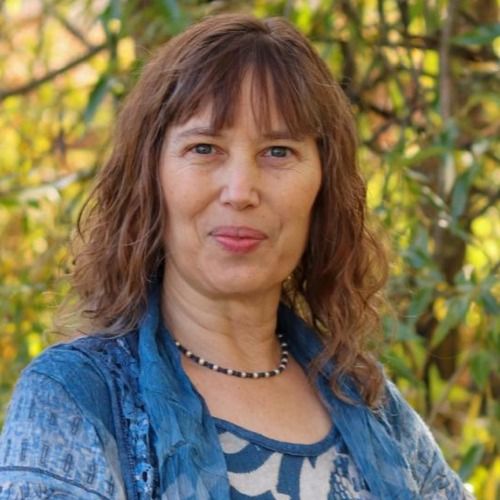
Episode 6
S3EP6-Barb Varcl Smith-I Stopped Asking “Are You Okay?” — How I Use L.O.V.E. to Get Kids to Actually Tell the Truth
Trauma isn't what happened to us—it's the survival responses we keep holding onto long after the danger's gone. I'm Barb Barkle Smith and we dive into how those stuck responses calcify into anxiety, relationship landmines, parenting traps and even physical illness, and why the big headline is: you are not broken, you adapted. I explain the Ascendance Method, a systems-y but practical map built around five pillars (inner strength, self‑love, wisdom, purpose and the stabilizing center) that helps you recognize patterns, release the buried charge, and restore a functional, fulfilled self. We give parents actual tools — L.O.V.A. (Listen, Observe, Validate, Express), stop pacifying curiosity with a literal or metaphorical “dummy,” teach responsibility instead of robotic obedience, and do your own healing first so your inner child stops parenting your kids. We bust the forgiveness myth too: forgiveness is a state you land in when the emotional energy is released, not a forced handshake with the past, and memories can remain without the body flinching. Expect anecdotal case stories, pressure‑cooker metaphors, practical steps and a cheeky, human take on dismantling generational trauma—if this lights something up, go to your-steps.co.uk and let’s actually do the work together.
Guest Bio - Barb Varcl Smith is a Trauma Recovery Educator, Speaker, Therapist, and Creator of The Ascendance Method™, a practical framework for understanding trauma, recovery, and personal transformation.
Drawing on over two decades of professional experience and a unique systems-thinking background, Barb is known for making complex trauma concepts easy to understand and apply. Her work helps people recognise the hidden survival patterns that continue influencing thoughts, emotions, relationships, parenting, and decision-making long after the original experiences have passed.
She is the creator of the Steps of Ascendance™ framework, the concept of Fake Resilience™, host of the podcast Way Out of Childhood Trauma, and author of the upcoming book Purposeful Parenting: How to raise a healthy mind - Applying the Ascendance Method™ to Family Life.
Barb's mission is to transform how we understand trauma by helping people see that they are not broken—they adapted. Through education, speaking, practitioner training, and transformational client work, she helps individuals reconnect with their inner strength, create lasting change, and break generational patterns. Her guiding principle is simple:
“Trauma is not an excuse. Trauma is an explanation.”
Bringing Education Home is an educational podcast brought to you by Kristina and Herb Heagh-Avritt.
If you enjoy the show, we'd love for you to leave a rating or review on your favorite podcast app!
Please let your friends know they can listen for free on Apple Podcasts, Spotify or their preferred podcast app or online at Bringing Education Home.
Sponsored by Vibrant Family Education - creating Happy, Healthy and Successful kids
Follow us on these socials:
Facebook Group - The Family Learning Circle
Facebook Business Page: Vibrant Family Education
Support Bringing Education Home
Copyright 2026 Kristina & Herb Heagh-Avritt
This podcast is hosted by Captivate, try it yourself for free.
Transcript
I now have the pleasure of introducing Bar Barb Barkle Smith.
Speaker A:Barb is a trauma recover, recovery educator, speaker, therapist and creator of the Ascendance Method, a practical framework for understanding trauma recovery and personal transformation.
Speaker A:Drawing on over two decades of professional experience and a unique systems thinking background, Barb is known for making complex trauma concepts easy to understand and apply.
Speaker A:Her work helps people recognize that hidden survival pattern help people recognize the hidden survival patterns that continue influencing thoughts, emotions, relationships, parenting and decision making long after the original experiences have passed.
Speaker A:She is the creator of the steps of Ascendance Framework, the Concept of Fake Resilience, host of the podcast Way out of Childhood Trauma and author of the upcoming book which we are going to be talking about.
Speaker A:Purposeful Parenting how to Raise a Healthy Mind Applying the Ascendance Method to Family Life.
Speaker A:Barb's mission is to transform how we understand trauma by helping people see that they are not broken.
Speaker A:They adapted through education, speaking, practitioner training and transformational client work.
Speaker A:She helps individuals reconnect with their inner strength, create lasting change, and break generational patterns.
Speaker A:Her guiding principle is simple Trauma is not an excuse.
Speaker A:Trauma is an explanation.
Speaker A:Welcome Barb.
Speaker A:It is a pleasure to have you here today.
Speaker A:That is a beautiful bio.
Speaker A:I am looking forward to this conversation today.
Speaker B:Thank you for having me.
Speaker B:I'm very happy to be here.
Speaker C:I am also so very, very glad that you are here.
Speaker C:Not only are we going to have a wonderful conversation with but I love that we get to talk about parenting not just from the United States, but from all around the world.
Speaker C:Do you mind sharing where you're coming in from?
Speaker B:So I'm living in Scotland Northeast.
Speaker B:So very.
Speaker B:As you see, I have the sweater on me.
Speaker B:Even if you have the summer, we have our summer already passed.
Speaker B:We are back to our average of what would be 53 Fahrenheit, 12 degrees Celsius and I'm originally from the Czech Republic, from the central of the Europe,.
Speaker C:So we have international speakers again which just warms my heart because as we talked about in our pre show, parenting is parenting world round.
Speaker C:Granted there's different rules and things like that in different countries, but we are all parents looking to make the best life we can for our kids.
Speaker C:And so I love it when we get different perspectives from around the world.
Speaker C:So why this passion about reducing trauma and really helping families know that there's a way to fix it to make it better so we don't pass it down to our kids?
Speaker C:What's this all about?
Speaker B:No, it started with me and with my own childhood trauma and it wasn't because my parents wasn't loving but because they did their best.
Speaker B:But it wasn't just enough for situation we grew up in.
Speaker B:If it was because my parents were dissident and and you know how environment suppressing our family living in poverty living three children in one bedroom flat.
Speaker B:My have accident and be a lot of in hospital or when she was home quite often she was bedridden and all that.
Speaker B:So.
Speaker B:And I developed childhood trauma reaction physical reactions.
Speaker B:And in the end when I was 17 I just break down.
Speaker B:I was diagnosed with the chronic fatigue syndrome and was told learn to live with that.
Speaker B:But that would mean that I gave up on my life because it's actually very painful condition.
Speaker B:And I find in that time guidance or accident silver methods of mind control.
Speaker B:And I learn that it's all about mindset and it's all about mind and body connection.
Speaker B:And I was able to switch off my pain in one day and in six months I was able to get out of it, finish high school, start working and you know, go on with the life.
Speaker B:But that really was kind of that switching moment for me to realize like you know what this is?
Speaker B:This is not just about this, it's about like how we actually function.
Speaker B:So I will start learning about everything and start seeing these patterns of behaviors we creating as a reaction on our childhood.
Speaker B:And because I'm IT software architect, I'm thinking in the systems I start looking on the patterns and kind of like I would say re engineering trauma like you know, looking back like how we actually get there and from that get to that that we need to stop it because we if we don't we just growing another generations which will need trauma therapist.
Speaker B:But a trauma manifesting in the adulthood as domestic violence, as poverty, as drug abuse, as anorexia, bulimia, issues in relationship, addictions to all kinds, lack of changing the jobs because you cannot go with environment and many things and or we can go and keep going and then we end up in the burnout.
Speaker B:So none of the results are really what we want in the life.
Speaker B:And so we need to start breaking that cycle of passing it on and start growing the generation of children which will be actually fully functional adults as they supposed to be.
Speaker A:So what is your concept of trauma?
Speaker A:Because the same thing can happen to one person and they can walk through it with no problem and then it happens to another person and it's traumatic.
Speaker A:So.
Speaker A:So it's not about what happens, it's kind of about how it happens to that person.
Speaker A:So what is trauma?
Speaker A:And it.
Speaker A:Because it's not, it's not.
Speaker A:This is trauma.
Speaker A:It's like we can't say this happens, this is the result.
Speaker A:What is trauma?
Speaker B:Trauma is not what happened to us, but how we started acting to it.
Speaker B:Yeah.
Speaker B:So.
Speaker B:And also how much we already accumulated.
Speaker B:And it's about that we start actually be traumatized in very early age, actually before we are even born.
Speaker B:Then we have the trauma of the childbirth and then we, we have the big trauma when we are children and our parents give us dummy and tell us like hold it all in and we start actually developing trauma and we start suppressing who we are.
Speaker B:We start suppressing our emotions.
Speaker B:So then it's like torture by thousand cuts.
Speaker B:You know, it's like small amounts which accumulating, accumulating.
Speaker B:And then it comes some bigger traumatic event.
Speaker B:It just start overflowing.
Speaker B:It just start with too much.
Speaker B:So depending on how much that person accumulated, how much they reacting, which trauma response they might choose as the coping mechanism, they would have the different reaction.
Speaker B:And those who learn to process it, who learn to express how they sell, they can live in the authentic resilience.
Speaker B:Traumatic events will come, but they will manage through it.
Speaker B:They will, they will just realize that they have emotions and they will move on from it.
Speaker A:So.
Speaker A:So trauma is a.
Speaker A:Is a response that you hold on to instead of letting it go after the reason for the response is done.
Speaker B:Yeah.
Speaker B:And it's about that that we teaching our children and we are told a society to actually hold it in.
Speaker B:Yeah, I really think that it's starting with the dummy, which is pacifier.
Speaker B:That's a real name.
Speaker B:So it means like we pacifying our children to like be quiet.
Speaker B:Don't express that you are angry, don't express that you are tired, that you are hungry, you know, anything.
Speaker B:Hold it in and start learn to hold it in.
Speaker B:Then they go to school and they are so like, you need to sit down, you need to suppress that, you need to go to toilet, you need to suppress that.
Speaker B:You are thirsty, you need to suppress that you want to express yourself.
Speaker B:Quite often they are told to suppress that.
Speaker B:They have the questions and the curiosity and the creativity and how we suppressing it, we taking our power off from ourselves.
Speaker B:But it's the one part of ourselves we are born with which is called inner strength.
Speaker B:It's actually not just some inner power, it's also like real energy of us around ourselves and we start pushing it in and it's supposed to be about us or 2 meters almost and we holding it in.
Speaker B:And that's take a lot of energy and we developing illnesses.
Speaker B:It's why children have so many like fevers or running nose quite often because that's like how the body trying to get out of that stored emotions out, you know, or they would have like skin issues, eczemas, you know, again, like it's trying to get it out through the skin and we just learning it.
Speaker B:So then when comes some big events, it can be just like pressure cooker.
Speaker B:It will just blow off.
Speaker B:Like if you put the beans to the pressure cooker.
Speaker C:That makes a lot more sense to me the way you described it.
Speaker C:Because as a teacher for so many years, sometimes children would come into our classroom and the counselors would say things like, oh, this child has a really traumatic early childhood.
Speaker C:And so be really careful with them and.
Speaker C:And don't do this and don't do that.
Speaker C:But that yet the child seemed fine to me.
Speaker C:And so I kept asking the question, when do we stop being careful around them?
Speaker C:When they seem like they've gone past it or like they've dealt with it.
Speaker C:And it seemed like sometimes we kept reintroducing the trauma because we kept asking them, are you okay?
Speaker C:Are you okay?
Speaker C:And so the way you just explained it is how they react to it and hold on to it or release it.
Speaker C:If they've released it, then we need to release it so they can just keep going and feeling good again.
Speaker C:Right?
Speaker B:Yeah.
Speaker B:I think that it's.
Speaker B:Is it very important question that if we ask are you okay?
Speaker B:Natural reaction will be yes, because they learn to suppress it.
Speaker B:So for example, in this case, like we need to really change the questions.
Speaker B:How would we really ask them?
Speaker B:Yeah, and I my kind of like framework which I also have in my book it's Love L O V A which is listen, observe, validate and express.
Speaker B:And we need to actually allow children to say what they feel and listen to what voice they're using.
Speaker B:Are they like kind of whisper or are they angry and.
Speaker B:And then observe how they behave because we can see from their behavior, like are they avoiding that question?
Speaker B:Are they, you know, hold their hands or put that.
Speaker B:Put their two pockets?
Speaker B:Are they shifting their eyes?
Speaker B:Are they, you know, what voice they using?
Speaker B:Is it long sentence?
Speaker B:Is it short sentence?
Speaker B:Are they even say how they feel and then validate it and tell them like, yeah, I see that you are angry.
Speaker B:I see that you are afraid.
Speaker B:I see you, I hear it.
Speaker B:And the very important thing is to.
Speaker B:To allow children to feel because it's we not allowing them feel.
Speaker B:We not we're Telling them their emotions are wrong, that they are not allowed to be angry, that they shouldn't be frustrated, that they shouldn't know express those type of emotions.
Speaker B:But very important thing is that mind doesn't recognizing different emotions.
Speaker B:Emotions are all just information.
Speaker B:They're not positive or negative.
Speaker B:They're all neutral.
Speaker B:It's just telling us something.
Speaker B:So when we teaching our mind to suppressing, we also suppressing all these what we could.
Speaker B:So positive joy, excitement, motivation, they are also gone because we just numb.
Speaker B:And then when it's when they stop able to numbing they would have meltdown.
Speaker B:They would like start or they will start be kind of aggressive and they will just starting outside or they will get to escape to books and.
Speaker B:And games and just put themselves out of the world and just try to hide themselves.
Speaker B:So we can, we can see it.
Speaker B:And when we start to validating it then they will realize like yeah, I am allowed to feel and they can get it out.
Speaker B:And a very important is that the last one expressed.
Speaker B:Which is not just about letting them to express how they feel, but allow ourselves as parents to express how they feel.
Speaker B:Because that they actually giving them that proper role model of that.
Speaker B:And I have like simple example for every parents.
Speaker B:No.
Speaker B:Almost everybody has a moment that children is lost.
Speaker C:Yeah.
Speaker B:Somewhere in the house, in the car park, in the mall, you know, in the supermarket.
Speaker B:You know, children just do what the children supposed to do is be curious and they just go and they wander.
Speaker C:Off and they're like where are they?
Speaker B:Exactly.
Speaker B:Where are they?
Speaker B:Yeah.
Speaker B:And what's actually happening in us is that we are afraid.
Speaker B:We are afraid that something will happen to them.
Speaker B:But with every, every fear will come anger.
Speaker B:Because the anger is protective emotion.
Speaker B:Anger is that like which make us moving and you know, searching and doing things.
Speaker B:And when we find a child, the, the most of the parents like put that anger on the child.
Speaker B:Like how dare you walk away.
Speaker B:How you know, like what are you doing?
Speaker B:I told you to stay here.
Speaker B:Or like that sometimes even like you know, put them one on the bum instead of actually express that real feeling they have.
Speaker B:Is that like oh my God, I was so afraid that something happened to you.
Speaker B:I'm so happy that I found you.
Speaker B:Yeah.
Speaker B:And that you are safe.
Speaker B:And it's okay.
Speaker B:Because when we express our real feeling, that fear, I can tell you they will not wonder again.
Speaker B:They don't want us to feel fear.
Speaker B:They will stay in our distance and they will understand why we're telling them like I need to see you.
Speaker B:But if we actually progress for example, that anger on them, we telling them curiosity is wrong.
Speaker B:They, they are confused like why?
Speaker B:I'm punished by why for being curious like what it is about.
Speaker A:I confused now as a 56 year old man sitting here who's had kids, who's grown up, who's watched all of this, who's now learned so much, I can go, oh yeah, that is so on point.
Speaker A:As a 22 year old parent, okay, when would I as a 27 year, 6 year old parent, when my kids are in that 4, 3, because my first kid was at 21.
Speaker A:So I'm 25.
Speaker A:26.
Speaker A:Okay.
Speaker A:The brain is going through its last major developmental change which allows you to look back on life and have this sense of regret before that this stuff doesn't come up with parents.
Speaker A:I'm not going to be as I'm 22 years old going to be thinking, oh, I need to listen to my kids, I need to observe them.
Speaker A:I need to validate their existence because I can barely do that for myself at 25.
Speaker A:Okay.
Speaker A:So this is the problem that all coaches have who are working with families because it's like we see this and it's like, wow, guys, if you would just do this.
Speaker A:But young parents, their brains aren't all there yet.
Speaker A:They're seriously.
Speaker A:Because 25 to 30 is that last major brain change that, that maturing.
Speaker A:So how do we get this to our parents?
Speaker A:How do you reach them?
Speaker A:Because really they don't want to hear from us quite yet.
Speaker A:In a couple more years they're going to want to.
Speaker A:But at that stage.
Speaker B:Yeah, yeah, absolutely.
Speaker B:You know, I was just trying to live.
Speaker A:I didn't, I didn't have a thought for how my kids were going to live.
Speaker A:I was just trying to make it myself.
Speaker B:Yeah, I absolutely get that.
Speaker B:And it's actually why writing that book?
Speaker B:Because that's not about how you supposed to pardon.
Speaker B:That was one example of like learning.
Speaker B:But the, my book is really about that like process yourself first.
Speaker B:You know, you need to get to be actually adult.
Speaker B:And it's about that, that when we have unprocessed childhood trauma, we have kind of inner children, which I see in different way.
Speaker B:We have this little part so that you get stuck in some age and they can be very triggered in the moment when we have children.
Speaker B:Especially you know, when we didn't process it because it's almost like inside living like 4, 7 years old girl and have the child and then wow, how I supposed to have this responsibility?
Speaker B:I am seven years old and you want me to change the diapers and keep the control over them and keep them, keep them safe and alive.
Speaker B:And I'm not managing and postnatal depression is here or like I'm losing it.
Speaker B:I don't know what to do.
Speaker B:Is why we see the highest percentage of divorces in the first three years of the children are born because it's actually become the children raising the children.
Speaker B:And they are totally.
Speaker B:Parents are totally triggered.
Speaker B:So that my book, it's not so much about parenting.
Speaker B:Yeah, there are tip and tricks like how to parent the good way.
Speaker B:And it's about that, like, yeah, children are coming with manual.
Speaker B:So like give you a little one you can study little, but also actually about that.
Speaker B:You need to look yourself like where you are and process it and actually get to that.
Speaker B:Like when you are 20, 21, you should be adult.
Speaker B:So like, are you actually acting as the adult Process that your childhood.
Speaker B:And in that age, it's actually very quick because it's still in the development mind.
Speaker B:The neuroplasticity is still very high.
Speaker B:And they not holding 40 years of it.
Speaker C:They.
Speaker B:They holding 20 years of it so they can get it out very quickly.
Speaker B:So my experience is that they are able to like shift like nothing, you know, like it's take them, you know, two, three months and they, they become this amazing people who, who are adults, fully functional and able, do this emotional support for their children and observe them and validate because they, they learn to do it for themselves and then they naturally start doing it for their children.
Speaker C:And that's cool.
Speaker C:And that's another reason why we have this podcast, why we have you here talking about it, because hopefully enough people are finally hearing that, you know, as parents, even young parents, older parents, we want to listen to podcasts, we want to read books, we want to do things to improve our parenting skills.
Speaker C:And so by having this out there, you know, just hearing it will hopefully trigger and let them know that, yeah, here are some things that you can do to make sure that it's helping.
Speaker A:And here's where that 25 to 30 age really helps.
Speaker A:Because that brain part that I'm talking about, that's where you can look back at your parents and say, oh, you didn't know.
Speaker A:I don't know any better.
Speaker A:I'm treating my kids like that.
Speaker A:You don't know any better.
Speaker A:That's how you treated me.
Speaker A:It's like, so I can give a little grace there and hopefully I can change a little bit here.
Speaker A:So that's, that's, that's how we Remove what's called generational trauma.
Speaker A:It's like your kid, your parents weren't mean to you on purpose.
Speaker A:They didn't cause you trauma on purpose.
Speaker A:They were doing the best that they.
Speaker C:Can with what they have.
Speaker A:Just like hopefully you're doing the best that you can.
Speaker A:And most parents know that they could probably be doing a little better.
Speaker A:They feel a little guilty about that and probably your parents did too.
Speaker A:Because your parents are not the.
Speaker A:Because your parents are the only perfect parents in the world.
Speaker A:And they did everything right and everything that.
Speaker A:And so everything is your fault.
Speaker A:Right.
Speaker A:And it's no no, no.
Speaker A: So that that fit: Speaker A:So if you can introduce that maybe a little earlier Free prime outcome I.
Speaker B:Think that it's very important to understand that we are maybe not all parents but we are all children.
Speaker B:And so we have some role models as we saw it, as we.
Speaker B:As we left to it as we look around as we see it in the TV and we comparing and then.
Speaker B:And we can be.
Speaker B:We can end up in the healthy middle and you know, find a good way forward and looking what working and not working and you know, trial error.
Speaker B:It's fine.
Speaker B:It's.
Speaker B:It's so all learning life is learning.
Speaker B:Or we can end up in the two extreme position which is one is like I cannot achieve the quality of my parents.
Speaker B:You know, they were so amazing parents.
Speaker B:Like I cannot be so good parent as they are and, and living in that comparison.
Speaker B:And second extreme is like I desperately don't want to be as my parents because they definitely like failed.
Speaker B:You know, there was maybe use alcohol or there was divorce or you know, there was issues and I desperately don't want to be as themselves but also don't know how to do it because that so but what I'm introducing as the part of the Ascendance method is that when we do understand how we as the humans supposed to function, how we are born, what are functional parts of our mind and how they are influenced with our behavior so that then we can find our way.
Speaker B:Because when we do understand what causing what then we can find a way.
Speaker B:We are all human.
Speaker B:We are very creative in.
Speaker B:In things and very important is to start understanding that as we are all unique, our children are all unique and and start questioning everything when we call normal.
Speaker B:Because even like just two people coming together be parents and each have different parents.
Speaker B:So each have different role models, different expectations.
Speaker B:But people expect that other person it's telepathic and read Their mind.
Speaker B:The one thing which I think that still 99% of population doesn't manage and secondly is that how they grew up, they count as normal.
Speaker B:But normal doesn't exist is what I always telling the people.
Speaker B:Like forgot the word normal.
Speaker B:Normal doesn't exist.
Speaker A:Yeah, there's only, there's only one person who's normal.
Speaker A:Yeah, there's.
Speaker A:Yeah, because.
Speaker A:Because mathematically it's like normal is like a mathematical thing and half the people are below it and half the people are above it.
Speaker A:So there can only be one normal person.
Speaker A:And so.
Speaker A:Yeah, that.
Speaker A:What does that actually mean?
Speaker A:So what, what is normal?
Speaker C:Yeah, and we both came from small towns, but his small town was definitely different than my small town.
Speaker C:My small town was more agriculture, his small town was more.
Speaker A:I don't consider her small town a small town.
Speaker C:No, because this was even smaller than my small town, but it was really a small town.
Speaker C:So.
Speaker C:Yeah, I mean even though we have similar growing up experiences, we had completely different growing up experiences.
Speaker C:Yeah.
Speaker C:And when those parents come together, it's something about definitely talking about because we did the same things like.
Speaker C:Oh well I don't.
Speaker C:Don't you parent like this?
Speaker C:This is the way I thought I was going to parent.
Speaker A:Yeah.
Speaker A:And so, so so many of the things and so many of the people that we come back onto it.
Speaker A:It's like so much of it comes back to we're human beings, we have to be human in what we're doing and we get so caught up in all of the stuff that we forget that this is a human being as well.
Speaker A:So let's, so you mentioned it and we talked about it in your bio.
Speaker A:Let's get into the Ascension method.
Speaker A:What Ascendance Method.
Speaker A:Yeah, what is that?
Speaker A:What is, what is the framework of that?
Speaker A:Tell us a little bit about that and then, and then we can move into how you're doing that with families.
Speaker B:So, so Ascendance method is really framework about getting back to how we supposed to function.
Speaker B:So actually starting with a definition how we supposed to function and then what everything influen us.
Speaker B:So how we can reverse it and get back to that what we.
Speaker B:So we are all born with what I call five pillars of self.
Speaker B:And in the center and holding it all together, it's inner strengths which defining our boundaries, defining our energy, defining our posture, defining our voice and actually feeling us safe.
Speaker B:But also it's a very necessary function for for example our intuition because that's kind of creating almost like this bubble with osmosis membrane when we can intuition Connect to it and feel it correctly.
Speaker B:What's happening around us.
Speaker B:And so nothing happening.
Speaker B:We are safe, we are calm.
Speaker B:Something happening.
Speaker B:You know, we get that correct reactions.
Speaker B:Then we have the self love which is that part of us which knows what we need.
Speaker B:Which knows what we like and what is good to to eat for us.
Speaker B:What how we need to sleep, what colors we like, what food we like, what activities we like.
Speaker B:And defining also part of like our future self.
Speaker B:Then we have the wisdom which is the ability to transfer the knowledge to wisdom to the application how we and recognizing together with the self love and intuition which is right and wrong for us.
Speaker B:Because there's no right and wrong in the world.
Speaker B:But what is working for us how and understanding the world.
Speaker B:And then we have the last one which is the purpose.
Speaker B:And that's about how we fit into community.
Speaker B:Which what.
Speaker B:How we applying to the community in the way that we are satisfied inside.
Speaker B:So what it is what we doing without need for being appreciated.
Speaker B:And then we will just do it because we.
Speaker B:We feel satisfied that we do.
Speaker C:Yeah yeah.
Speaker B:And this is the.
Speaker B:The five things which you are born with.
Speaker B:But in childhood or if we start suppressing that inner strengths every single disbalance.
Speaker B:You know, like we could have enormous knowledge but we are not able to apply for us we could feel all.
Speaker B:Almost all the time unsafe because our intuition not functioning because we suppress the boundary.
Speaker B:We don't know where it is.
Speaker B:So everything feel afraid.
Speaker B:You know, we can have anxiety, can have so to struggle to speak up or.
Speaker B:Or we going too much.
Speaker A:We.
Speaker B:You know, we get aggression because we don't know where the boundary is.
Speaker B:So we rather keep people, you know far away.
Speaker B:And we don't take care of ourselves in the right way.
Speaker B:We.
Speaker B:We.
Speaker B:We don't know what is really what we like.
Speaker B:We don't know who we really are.
Speaker B:And most of time we don't live our purpose.
Speaker B:But when we reverse that what happened to us when we expanded.
Speaker B:When we.
Speaker B:When we stop limiting it.
Speaker B:When we release all that stuck emotions of fear and sadness and anger and all that what we keep in and we release it and we restore it.
Speaker B:We ascend.
Speaker B:We really going through.
Speaker B:Through that.
Speaker B:So.
Speaker B:So it's about the four stages.
Speaker B:I call it step of ascendance.
Speaker B:With the first is reading recognize what all these patterns we created.
Speaker B:What is really happened to us.
Speaker B:How we really react to it.
Speaker B:And getting to the stage of awareness.
Speaker B:And it's opening us really that gate.
Speaker B:Like now I know so now I can do something with that.
Speaker B:That is the next stage, which.
Speaker B:Which is release, we can use many different ways, how to release from the body, from the mind, and we can get to the point of absolution, which is from the Latin word absolutus, means set free.
Speaker B:We can be finally, like, stop reacting from that past and be now and here and realizing, like, okay, now I'm here.
Speaker B:The next stage is I want to be.
Speaker C:Yeah, I really want to work on myself and be in that space, because that just sounds amazing, where all of those things are balanced.
Speaker C:When you were describing it, I saw it kind of like a top, right.
Speaker C:And if part of the top is off balance, then the whole thing, like, wobbles, but it is all balanced.
Speaker C:It's just sitting there spinning and being amazing and.
Speaker C:And loving, and I want to be in that space.
Speaker A:So what I heard in that.
Speaker A:You probably don't know my story, but I suffered a series of traumatic brain injuries, and.
Speaker A:And during that time, I took several big personal hits in my life.
Speaker A:When you were describing those pillars, it's like mine were shattered.
Speaker A:It's not that.
Speaker A:That I became off balance.
Speaker A:It's that with the brain damage, with.
Speaker A:It's like I'm kind of rebuilding mine.
Speaker A:I.
Speaker A:They're not there.
Speaker A:So.
Speaker A:So when I was working with Chad, and it told me that I had a shattered identity or a broken identity, so you helped me understand that in a different way as well.
Speaker A:And it's like.
Speaker A:Because, let me tell you, when.
Speaker A:When.
Speaker A:If those are out of balance, it's bad.
Speaker A:If those are shattered and crushed, you are living in absolute darkness, and I was.
Speaker A:And so I've crawled a long way out of that darkness, and if you're there, it's like, I. I feel for you.
Speaker A:It's like.
Speaker A:It's.
Speaker A:It's horrible.
Speaker A:Reach out.
Speaker A:I can help you.
Speaker A:She can help you any.
Speaker A:Reach out to anybody.
Speaker A:But, yeah, because.
Speaker A:Because trying to put those back together, if you.
Speaker A:If they've got to the point where they're absolutely crushed, it's like, there's a lot of work there.
Speaker A:The sooner you can get at those and stabilize those, the better.
Speaker B:No, and it's.
Speaker B:It's.
Speaker B:Why create this method?
Speaker B:When I put together, like, what I learned over 30 years to find, like, what is most effective, like, you know, to actually speed it up for people, make it easier, make it, like, functional in the way.
Speaker B:So when we know how it's supposed to function, we know which tools will work to get it there.
Speaker B:Yeah.
Speaker B:So it's.
Speaker B:Combo is many different things.
Speaker B:I'm also teaching it to other coaches.
Speaker B:And therapists to, you know, because you can use many different tools.
Speaker B:It's not about tools but you need to understand what's need to happen in each that stage.
Speaker B:But I think that is also one part which people don't realizing and quite often get stuck on when they.
Speaker B:When they.
Speaker B:On this journey and.
Speaker B:And especially parents, then they can get to that moment which can be very hard for them.
Speaker B:And that's a regret and grief because when they get to that moment that they are present now, they look back on their life and they see it in completely different way.
Speaker B:They see it like different movie.
Speaker B:They start seeing like wow, this all I did right.
Speaker B:These choices I made this how my behavior affect people around me.
Speaker B:Probably it could hurt him or.
Speaker B:Or I wasn't there for them or even like for themselves.
Speaker B:I didn't go to university, I wanted.
Speaker B:I didn't get the job I wanted.
Speaker B:I didn't have the partner, you know what.
Speaker B:And all this I need to go through that process of realization, that process of regret and grieving to.
Speaker B:To get to that acceptance that get to that like okay, what it is what I wanted and process that sadness to.
Speaker B:To kind of lessen what it is what you want actually.
Speaker B:Because the.
Speaker B:The grieving actually teaching us what it is what we want in life.
Speaker B:And that's an opening as door to the last stage of ascendance which is going to ascendance by rediscovery.
Speaker B:And as you said, when it's shuttered, when it's disbalanced.
Speaker C:Yeah.
Speaker B:People.
Speaker B:If there are people in the trauma responses and ask you who you are.
Speaker B:I usually don't know what do you like?
Speaker B:Don't know who you want to be.
Speaker B:Don't know what virtues you want to work on.
Speaker B:Don't know because you're just surviving.
Speaker B:You're just like living on daily marathon like just gets through the day.
Speaker B:But when you get to that point of here I am, I accept my past, I process that emotions, they are not there anymore.
Speaker B:I feel light, I feel free.
Speaker B:You really get into that point of freedom.
Speaker B:And for that's what ascendance is for me.
Speaker B:The freedom to be yourself.
Speaker B:Freedom to express, freedom to choose and actually find yourself who you are because that's your best version which the world's needs.
Speaker B:Then you can be purposeful, content and happy.
Speaker A:And I find where so many people get stuck in that is they think that the memories have to go away.
Speaker A:That it's like because if I still have all these traumatic memories, it's still going to.
Speaker A:It's like that's not really it.
Speaker A:What you have to do is you have to release the energy out of the memories so you can still remember.
Speaker A:But when you remember, you have to not feel it.
Speaker C:If you, your body doesn't tense up.
Speaker A:Anymore, if you feel it, that, that, that's, that's what you have to release.
Speaker A:You have to be able to think about it as like, yeah, that happened, you know.
Speaker A:But if you think about it and you go, oh yeah, that happened.
Speaker A:That is the stuff that's stuck in your body.
Speaker A:That's the, that when she's talked about is like you were told not to express it.
Speaker A:How do you not express it?
Speaker A:You go like this and you hold it in and then what happens is when you're on, you go, oh, that was.
Speaker A:And it's so this, that, that internal.
Speaker A:That's the stuff that you have to let go of.
Speaker A:That's the stuff that all the.
Speaker A:It's.
Speaker A:That's the hardest stuff to explain how to let go of.
Speaker A:Because you have to do it.
Speaker A:And I don't know how to tell you how to do that.
Speaker A:There are so many tools, but people think that they have to forget about it and they have to.
Speaker A:It's like, no, you still have the memory.
Speaker A:You just have to let go of that energy behind it.
Speaker B:I think that the one thing is that people believe that they have to forgive.
Speaker B:So as part of my ascendance method, we don't really speak about forgiveness respectively about that that forgiveness is not necessary because the forgiveness is not act.
Speaker B:Forgiveness is the state to which you get when you release that emotions from that memories because they will stop bothering you.
Speaker B:And a lot of people believe that if they will stop having that emotions, they will.
Speaker B:They agree with that.
Speaker B:They condone that behavior or they have to like actively say I forgiving that person.
Speaker B:And the most important thing is like you don't have to do any solve that.
Speaker A:If they're not mad at it, then then that means they're okay with it.
Speaker A:And it's like, no, you can be not okay with it, but not mad either.
Speaker B:Yeah, so.
Speaker B:So it's about that forgiveness is something.
Speaker A:That, that helps you has nothing to do with the person that you're forgiving.
Speaker A:Yeah, it has to do with the relief.
Speaker A:That's.
Speaker A:Forgiveness is releasing that energy out of you.
Speaker A:It doesn't have anything.
Speaker A:They might not ever even know.
Speaker A:It'll never affect them.
Speaker C:And that was one thing I was going to ask is that, you know, if you do realize that, you know, you were a pretty rotten person, it doesn't relieve you of the responsibility.
Speaker C:I mean, you still maybe need to try to make amends or you still maybe need to try to make it right if you can.
Speaker C:But you come to a place where I did what I did and now I'm going to take responsibility, I'm going to be better, I'm going to make amends if I can.
Speaker C:But then you move forward.
Speaker C:You don't again hold that energy and make your yourself miserable because of it.
Speaker C:Is that kind of what I'm hearing?
Speaker B:Yeah, no, absolutely.
Speaker B:Because we could do things which we didn't want to.
Speaker B:You know, like you can have unhealthy coping mechanisms like you know, every Friday have the drink or every damn night and have the drink just to, you know, drown that emotions.
Speaker B:And alcohol is depressant so it's been just like numbing it off.
Speaker B:Or they have the outbursts of anger.
Speaker B:You know, you could have the mums which you know, don't know from where it's coming and they will start screaming and yelling or their children or they can be one of another parents be controlling because they feel actually very insecure inside and just that feeling of control making them not losing it and but when, when you get out of it and you get to that acceptance life happened, this happened to me and take that responsibility then you also understand why you did it.
Speaker B:And that's actually allowing to do that step of ask and say I'm sorry.
Speaker B:I do realize that I wasn't able to and I want to know how did you feel?
Speaker B:I, I, I am able to give you that space to express it.
Speaker B:And children of any age from they are born until they die actually wants to have the good relationship with their parents.
Speaker B:We have this born which is almost physical.
Speaker B:We can see it in energies.
Speaker B:They want that function, that bone because without that is really actually hard for them.
Speaker B:And, and then they cannot connect with their ancestors properly if they, if they don't have it.
Speaker B:So it's a natural.
Speaker B:We want that.
Speaker B:And so with any age, you know, if, if parents and children can reconnect can get the trauma from that bond is very important.
Speaker B:But for that parents need to get to that point to be able to say like yeah, I am sorry and I mean it and I do realize how I affect you and I'm willing to take that responsibility.
Speaker B:Tell me what you do.
Speaker B:And you mentioned like how I working with family.
Speaker B:So for example, one of the things I usually working with the parents, one or both to help them process by themselves or I'm working with their Children and then they be inviting the parents and the children kind of get to that.
Speaker B:Or young adults usually, you know, get to that point like, you know what, help me to speak with my parents and tell them actually how I feel.
Speaker B:And we get into that, to that circle about like, okay, you need to be willing to make that space for them and you need to be willing to listen to what they actually telling you.
Speaker B:An example can be like I had the one, you know, the twins.
Speaker B:And when, when they sit all together then with the parents, they told them like, dad, we love you.
Speaker B:You're amazing.
Speaker B:You know, we love you, you know, but when you going, when we going to visit the grandparents, it's like you, you become different person.
Speaker B:You, you completely change your behavior.
Speaker B:You stop, you start ignoring us.
Speaker B:You will start like taking us like that.
Speaker B:We don't have right to have opinion or we don't have right to choose what we want to eat.
Speaker B:But when we are home, it's fine, it's okay, you have time for us.
Speaker B:But when we go to the grandparents, you become a completely different person.
Speaker B:And he was like, no, I'm always saying like, no, you are not.
Speaker B:You know, like in a moment when, when your parents are in vision, you start, you, you switching to people pleasing to like they are always right, you know, they are that.
Speaker B:And his children felt very, you know, hurt by that because he decided to married the foreign person.
Speaker B:His parents didn't agree with that.
Speaker B:And he said like, can you accept that we, when we saying that we don't want to go there, that you will allow us not to go there.
Speaker B:Why we need to face this hatred every single time when we going there.
Speaker B:And he was shocked, but they was processed through it.
Speaker B:And he actually started realizing how much he's influenced by his parents and his behavior and even that he stood up for themselves and he married the woman he loves.
Speaker B:But he still have the desire to have that good relationship with the, with his parents.
Speaker B:And so he's keep going there and keep trying to change that, actually hurting his children so much.
Speaker B:So it's really about that, that in any stage of life we can, we can change that if we, if we work on ourselves and, and recover ourselves.
Speaker B:And it's, it's have a ripple effect on our families and our companies.
Speaker C:That's really, really interesting because my youngest.
Speaker A:Son hasn't talked to me in about 10 years, maybe longer.
Speaker A:I.
Speaker A:Time is weird for me, but he won't talk to me.
Speaker A:So there's no getting better, there's no getting around it.
Speaker A:And so it's.
Speaker A:It's kind of rough because I'm not sure really what happened or where it went wrong.
Speaker A:So yeah, just went south and he left.
Speaker B:You know, I find out that that's usually sign that there was something what was missing for something how felt not to be listened to or heard to or that.
Speaker B:And it's about that we sometimes don't realizing that our children have very different needs from us ours.
Speaker B:That if you don't ask them what their needs actually are, we can really mess up on it.
Speaker B:And my example is that I'm early bird.
Speaker B:I wake up after 4 o' clock in the morning.
Speaker B:Naturally.
Speaker B:My son is night owl.
Speaker B:He was born an owl.
Speaker B:He was awake until almost midnight since day he was born and he's still like that.
Speaker C:Oh wow.
Speaker B:It's not easy combo if somebody who's feeling like in 8 o' clock going to the bed to have the child which you know, you force to the bed in 10 o' clock in the evening or when he become milk after 10, he just going by himself.
Speaker B:But it's about that understanding that forcing him to do that, trying to get him to the bed in 8 o' clock or 7 o' clock in evening.
Speaker B:It's just impossible because it's just going so much against his biorhythm that it's painful for him.
Speaker B:He just cannot do that.
Speaker B:And I actually have experience of the young girl, young adult and she actually was happy that she was taking to the foster care for behavior.
Speaker B:And she kind of realized that she become that the rebel and.
Speaker B:And making causing the issues subconsciously for that to get out of the family which forcing her that she has to go to the bed in 8 o' clock in the evening because the parents are early birds.
Speaker B:And you know, in 8 o' clock it's switching off everything off.
Speaker B:And you need to go to bed and you need to sleep and you cannot be on computer, you cannot be on the phone.
Speaker B:No, you have to, you know, everything switch off reasons to be completely quiet and you need to sleep.
Speaker B:And her reaction was that first day when she was taken away and was put into the foster care.
Speaker B:She was happy because she was allowed to go to the bed when she wants to go to the bed.
Speaker B:And that's so sad story because there are many things which we don't realizing that are actually painful for children.
Speaker B:It could be the way we learning we are all different.
Speaker B:Somebody reading, somebody need to do it, somebody listen to it, somebody need to speak about that.
Speaker B:We have different food preferences.
Speaker B:So not everything Working for all I'm.
Speaker B:When my son was living together I would even cook sometimes three dinners or varieties because my husband if it's not potatoes on the plate he take it as punishment.
Speaker B:He's Scottish farmer, potatoes is in every, every meal.
Speaker B:You know my son doesn't like potatoes so for him staple is pasta and I like rice.
Speaker B:So you know you can make the chicken with something and you can just make the three different, you know, varieties of it because it's a, it's a love language eating what is making you, making you good.
Speaker B:It's about what we wearing.
Speaker B:You know, if it's the making children wear the uniforms in school and make them that which supposed to be about prevent comparison which actually does not is it anyway but it's just taking from.
Speaker B:From that the ability to express who they really are and make school.
Speaker A:School was eventually was originally designed using the Prussian military model to create factory workers.
Speaker A:They didn't want individuals, they wanted people all lined up wearing the same clothes, doing the same thing.
Speaker A:And one of the things you talked about night owls, morning kids, it's like this is one of the things that one of the reasons we talk about homeschooling so much is because there are some kids who thrive in the morning and that's when they should be doing their school.
Speaker A:There's some kids who thrive in the evening and that's when they should be doing their school.
Speaker A:And so you cannot get that in a one size fits all public education.
Speaker A:The only way you can get that individualized love of learning is by having your children at home and teaching to their strengths and then filling in their weaknesses once they get good at at their strengths.
Speaker C:So it's like or you need to.
Speaker B:Kind of work around it.
Speaker B:But very important is to like acknowledge that because when you acknowledge that needs you, you can work around that.
Speaker B:So like my son was going to school.
Speaker B:Yeah, he was much better enduring during coven pandemic.
Speaker B:He really enjoyed to be not going to school school and and be home.
Speaker B:But, but acceptance of that that he will come from the school and he will just fall flat back on the bed and sleep for one and a half hour or two before his energy will rise up and he will be like super creative and super able to do everything in the evening.
Speaker B:But making him wake up in 7 o', clock, be 7:15 on the bus, get to the school like that was like wow for him.
Speaker B:Very hard things to do.
Speaker B:But yeah it's, it's about that.
Speaker B:And I think that one more thing.
Speaker B:If we have a little More time.
Speaker B:It's very important about it.
Speaker B:We need children responsibility, not obedience.
Speaker B:And a lot of parents are still kind of grew up in obedience.
Speaker B:Like my rules, like that's like.
Speaker B:I think the parents, the first thing you can tell your children is my house, my rules.
Speaker B:Yeah, no, no, it's your house, all yours.
Speaker B:It's your children also.
Speaker B:They are same human.
Speaker B:They are equal with you.
Speaker B:They are just human in the small form.
Speaker B:You know, they have right to decide about their life since they are little.
Speaker B:Children are able to decide about their clothes when they are little.
Speaker B:They are giving them choices.
Speaker B:They are able to learn and manage their money since they are like two years old.
Speaker B:They are able to choose their food.
Speaker B:They are able to take care of themselves if we, you know, allow them to choices and help them to.
Speaker B:But, but we.
Speaker B:That's growing to responsibility.
Speaker B:So then when they actually turning that 18, 19, 20, go to uni or they find, you know, go to life, they are capable.
Speaker B:They know they can take it out.
Speaker B:They care about themselves.
Speaker B:They can.
Speaker B:They know the war.
Speaker B:They understand money, they understand food, they understand taxis, they understand, you know, how they need to cope with themselves.
Speaker C:Yeah, yeah.
Speaker B:If they, if we teach them obedience, they would get lost.
Speaker B:They would realize like, oh my goodness, I don't know what to do.
Speaker C:Yeah.
Speaker B:And they will realize how much they don't know.
Speaker B:And also they would tend to end up in the wrong companion because they will lean to somebody who giving them orders.
Speaker B:So is that the stories of the good girls and good boys ending up the gangs or ending of the drugs or ending up in the terrible relationships because they are told that they supposed to follow the orders and they will just go to somebody else who give them the order.
Speaker C:Oh my gosh, Barb, this has been an amazing discussion and some insights and different things and thank you for explaining the method, the framework, all these different things.
Speaker C:I look forward to when your book is out because I think it will help quite a few people.
Speaker C:And thank you for being with us today.
Speaker C:Tell people how they can get a hold of you though because they're like, oh my gosh, I love this discussion too.
Speaker C:I want to know more from Barb.
Speaker C:Give us your website or whatever.
Speaker C:How did they get a hold of you?
Speaker B:Yeah, this is in my website, which is the your-steps.co.uk because it's all about your steps you're taking.
Speaker B:So your steps too.
Speaker B:Go ahead and.
Speaker B:Or by my name if you're searching, you will find my Facebook or my YouTube channel.
Speaker B:And yeah, reach out or watch my Other, you know, talks and my podcast so you can learn more and maybe find a way for yourself or reach out and I can help you.
Speaker C:Beautiful.
Speaker C:Thank you so very, very much.
Speaker A:Yes, thank you for being here.
Speaker A:This message, so many people are saying it in so many different ways because so many people aren't hearing it yet and more people need to hear it.
Speaker A:So if you've heard this, it was like, yeah, that's just like everybody else.
Speaker A:Yes.
Speaker A:Because that needs to be out there.
Speaker A:But if it resonated with you, if the way she is speaking you hear her, then go ahead and talk to her.
Speaker A:Because again, this is the kind of information that human beings need to hear to remember to be human.
Speaker A:And so thank you for being here, Barb.
Speaker A:Thank you for reaching out.
Speaker A:Thank you for stepping into this world and trying also to make your voice be heard.
Speaker A:Because again, so many people aren't hearing this message.
Speaker A:And to the ones that are going to hear you, bless you and thank you for, for doing what you do because you are making the world a better place.
Speaker A:One person at a time with every person that you help.
Speaker A:So thank you for being here.
Speaker A:Thank you for being a hero.
Speaker B:Thank you for having me.
Speaker B:I'm very glad for this opportunity.
Speaker B:Really appreciate it.
Speaker C:You are very, very welcome.
Speaker C:Audience.
Speaker C:It is time to make sure that you are sharing with other people, bringing education home, Vibrant family.
Speaker C:Education is here for you and your family.
Speaker C:We're supporting you in the way that you need to be supported.
Speaker C:We're trying to give you information that will help you raise happy, healthy and successful children.
Speaker C:And no matter where you are in the world, if you care about a child, do the next step to help them be happy and healthy.
Speaker A:And if you are going to share this, do it by leaving a comment and putting an at with the name of the person you want to share it to.
Speaker A:That way you are sharing it, but it increases the.
Speaker A:Whatever the thing that creates the algorithm interaction.
Speaker A:So it makes, it makes like, oh, more people are playing with this.
Speaker A:Let's let more people see it.
Speaker A:So if you find this was helpful, send it to your kids, send it to your neighbor, send it to your.
Speaker C:Husband, just your cousin.
Speaker A:And that will get it to more people randomly if you send it to somebody that you know.
Speaker A:So make sure to send it to somebody just to get it out there because more people need to hear this kind of information.
Speaker C:So thank you again, Barb.
Speaker C:Thank you again, audience, for hanging out with us.
Speaker C:And until next time, bye for now.
Speaker B:Bye.