Episode 24
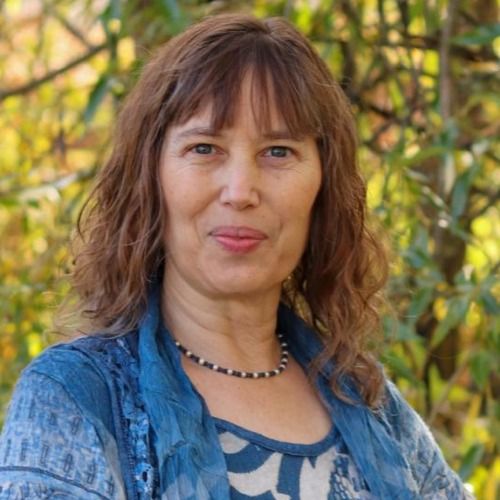
S3EP24-Elyssa Schneider-Heavy Metal, Heavy Feelings: Elyssa Schneider’s Journey Back to Hope
Content note: This episode includes open conversation about depression and thoughts of suicide. Please listen with care. If you or someone you love is struggling, you’re not alone. In the US, you can call or text 988 to reach the Suicide & Crisis Lifeline. What if persistent depression, anxiety, or brain fog had a physical cause no one had thought to look for? Elyssa Schneider joins us to share her 28-year journey with depression and how discovering high levels of lead and mercury in her body finally gave her an answer. Elyssa’s sadness began when she was just nine years old and deepened through her teens and twenties. She tried therapy after therapy without relief until a clinic ran a type of heavy metal test no one had offered her before. She explains why, in her experience, standard blood tests can miss long-term exposure, how the testing she received works, and what changed for her after treatment. She has since watched family members and friends from across the country go through the same process. We also talk about everyday sources of exposure, from old paint and pipes to contaminated food products, and the symptoms she believes parents should watch for, including trouble concentrating, ongoing anxiety, and fatigue that doesn’t add up. Elyssa and Kristina both stress that detoxing should only happen under medical supervision, especially with children who may not be able to explain how they’re feeling. Kristina also encourages parents to trust their gut and keep asking questions when something doesn’t seem right, just as a deeper vision exam can uncover why a child is struggling to read. Elyssa closes with words of encouragement for anyone who is struggling and for those who love them: sometimes the most powerful thing we can say is, “I see you, and I’m here with you.”
A gift from our guest: If you’ve ever struggled with depression, unexplained symptoms, or simply felt like something wasn’t adding up, I created a short 11-minute video that may give you a different perspective to consider. It shares more on the journey that changed the way I looked at mental health. https://youtu.be/VJ0HPt7AN48?is=gQsqRc5Uar8vToBQ
Elyssa Schneider is a health advocate and educator focused on raising awareness about the connection between environmental toxicity and mental health. Her work grew out of her own 28-year struggle with depression and her experience addressing mercury and lead exposure as part of her personal health journey. After seeing profound changes in her own life, Elyssa began supporting others who were searching for answers to persistent symptoms and witnessed meaningful transformations as they explored and addressed heavy metal exposure. Today, she helps individuals and families become more informed, ask better questions, navigate available testing and professional resources, and feel less alone in the process. Elyssa combines personal experience, ongoing education, holistic health principles, and a faith-based perspective to encourage people to take a more proactive role in understanding their health.
@elyssa.schneider.speaks on Instagram
Bringing Education Home is an educational podcast brought to you by Kristina and Herb Heagh-Avritt.
If you enjoy the show, we'd love for you to leave a rating or review on your favorite podcast app!
Please let your friends know they can listen for free on Apple Podcasts, Spotify or their preferred podcast app or online at Bringing Education Home.
Sponsored by Vibrant Family Education - creating Happy, Healthy and Successful kids
Follow us on these socials:
Facebook Group - The Family Learning Circle
Facebook Business Page: Vibrant Family Education
Support Bringing Education Home
Copyright 2026 Kristina & Herb Heagh-Avritt
This podcast is hosted by Captivate, try it yourself for free.
Transcript
I now have the pleasure of introducing Elyssa Schneider.
Elyssa is a health advocate and educator focused on raising awareness about the connection between environmental toxicity and mental health.
Her work grew out of her own 28 year struggle with depression and her experience addressing mercury and lead exposure as part of her personal health journey.
After seeing profound changes in her own life, Elyssa began supporting others who were searching for answers to persistent symptoms and witnessed meaningful transformations as they explored and addressed the heavy metal exposure.
Today, she helps individuals and families become more informed, ask better questions, navigate available testing and professional resources, and feel less alone in the process.
Elyssa combines personal experience, ongoing education, holistic health principles and a faith based perspective to encourage people to take more proactive role in understanding their health.
Welcome Elyssa.
It is a pleasure to have you here today.
Thank you so much for joining us.
Elyssa Schneider:Thank you so much.
Herb and Christina, it's so exciting to be here with you today.
Kristina:I am so glad that you are here because this is something that unless you know about it, unless you've had some experience or something, lots of times people aren't even aware that this is a possibility.
And, and your bio explained beautifully why you're, you know, impassioned about this, that you really want people to know about this.
But was there a certain turning point?
Was there something along your journey, something somebody said that finally is like, you know what, not only am I dealing with it, but I want to help other people and I want to make sure I'm going on podcasts and talking about this out loud in other spaces.
Elyssa Schneider:Absolutely.
I remember the journey started when I was 9 years old and I could hear my mom.
She was in the living room playing the piano.
And some part of me just, I just, I needed, I needed a hug.
And so I go running into the living room and I say, I say, mommy, mommy, I'm crying, but I don't know why.
And of course she gives me a big hug.
She's like, come here, it's okay.
You know, she's comforting me.
But what none of us knew at that point is that this was going to turn into a decades long struggle.
And my mom had no idea how many hugs she would have to give me.
Because as I grew older, that feeling of sadness and eventually it turned into just deep, deep pain and sorrow and feeling alone and feeling like every day was just difficult, every day hard to get out of bed.
It just kept on growing and the older I got, the worse it got.
And none of us, none of us knew that that was going to happen.
But I think having struggled with it from such an early age, it has.
I tell people it has stolen so many years of my life having to go through that it turned me into a shell of a person of who I can be and who I am, because I didn't even know.
We didn't even know anything about, you know, causes of depression.
And so being on that journey has been a huge reason to try to help other people.
Kristina:And for you to be so vivid, right, that you can think back that it even started at 9 years old.
Because usually when we're thinking about kids and their life and everything, it's play, it's fun, it's, you know, there's ups and down times with the family.
But to have that deep feeling so early and so young and to not know where it's coming from, just amazing.
Whenever a parent looks at a child and there's that switch, there's something that changes that, something that's different.
This is where I say, parents, follow your guts.
You know, you know, your doctors might say things are fine, but inside, you know something's wrong.
Keep exploring, keep asking, because our little ones shouldn't have this deep, deep feeling like that.
Herb:So how.
How did you learn that at 9 years old that it was toxic environmental exposure?
Because it's like you did years.
What was.
What was it that set it off in your house or in your environment at 9 years old?
Did you ever figure that out?
Elyssa Schneider:Yes, Herb, that's a story right there.
But to take you back a little bit, even as a child growing up, first I had to go through that transition of actually realizing that, oh, this feeling that I have is called depression.
That.
That was a whole layer in and of itself.
And what.
The reason I started learning and understanding more about myself is because my dad talked about it.
He started having depression himself, and I would hear him describe what it felt like.
And over time, I realized that I had that feeling as well.
And so I learned to put a label on that.
I'm like, oh, I think that's.
That's what dad talks about.
This is called depression.
But, Herb, it wasn't until years and years later, most years really, after hitting so many dead ends, that we were able to discover what happened.
And I don't know if this is like giving away the ending to the story, but people.
So first of all, it's a whole journey.
But as the bio mentioned, the fact that heavy metal toxicity, lead and mercury can cause depression is something that no one is really talking about.
I spent years searching.
I went all over the place.
I tried every kind of possible therapy that you can think of, because as I got older, by the time I was about 23, it was really bad.
And I really hit this moment in my life where it's like, I can't keep doing this.
I can't keep living like this.
I kept giving myself hope.
It was like, oh, well, I just feel depressed because we've moved to a new place and I don't have any friends here.
And oh, I just feel depressed because I don't have my dream job right now or I haven't met, you know, I don't have a boyfriend.
And so I kept connecting all these different reasons why I was depressed.
But there came a point when I was 23 and it was a breaking point.
And I remember it was so bad, I said to my parents, please, please, like, I can't do this anymore.
Take me to the hospital.
And.
And we went and I couldn't believe that this moment was, was happening.
It's like, how is this so bad that I, like, like, am I just ridiculous?
Am I crazy?
Like I can't believe that I'm in this moment.
We're driving to the hospital and we get to the doctor's office and we're sitting there and he, this 70 year old man walks in with his white coat and he takes one look at me and I tell him what's going on.
And he says, what you need, you're so young.
What you need is a boyfriend.
And I just felt like the sinking feeling like this guy has no idea how bad this is, how dark this is.
He doesn't know what to do with it.
He told me, he's like, well, if you want, you know, I'll just write you a prescription, but you're fine.
And it's like, you don't understand.
I'm at the edge of a cliff here and I want to take one step forward and be done.
That's how bad this is.
And so I tried, you know, I tried the medication.
It worked a little bit, but it wasn't great.
And then, you know, I went on to try so many other therapies.
I mean, diets and exercise.
I went to this one place, we did this, this hot, cold plunge.
So you get into the Jacuzzi and you're like, you know, for 10 minutes and you're steaming and then you go into this, this cold tub with ice water and you do that for two or three minutes.
And then that's supposed to like shock your body and get you feeling better.
I mean, when I say I tried it All.
I mean, I tried it all, and the pain just got worse and worse.
And I just.
Coming back to one of your questions earlier, I remember.
I remember thinking, what if I just stop?
What if I just give up?
Like, right.
Like, because I'm.
I'm doing everything.
Everybody's like, oh, don't quit.
Oh, life is so beautiful.
And I'm like, but I've been trying for years.
I've been trying for years.
I've done everything they told me to do, and it hasn't worked.
What if I.
What if I just really.
What if I just take that step forward?
And I remember I was at the airport, and I was supposed to board this flight, but all I could think was I could just take my carry on right now.
I could walk out those airport doors and I could end it.
And just then my phone rings, and it's.
It's one of my friends who'd also struggled with depression.
And he says, you know, he says, elisa, I. I don't.
I don't know how much longer I can keep going.
And it's like, wow, I'm struggling, he's struggling.
We're in this place, this dark place.
No one can help us out.
Like, what's going on?
And I told him.
I was like, sam, we have to keep on fighting.
But inside, I was like, I don't know how to keep on fighting.
And hearing his voice and hearing his desperation, which was the same as my own, I realized it's not just about me.
It's about Sam and I.
And I. I'm at the edge of this cliff, and I look back, and it's like, it's.
It's Sam's coming up next.
And then I bet there's other people out there.
I don't know who they are.
I don't know what their names are, but I bet there's other people out there.
They're going to go through the same journey that are going to face the same challenge, and they're going to end up right here where I am now, at this cliff.
And what is going to keep them from taking one step forward as well?
Where does this cycle end?
And so I just.
I thought, I have to keep on fighting, even if I don't have any strength for me, I got to fight.
I got to fight for Sam.
I got to fight for those other people out there.
And so I took my carry on and I walked through security and I climbed on a plane because I was going to try one more.
One more place to see if they might have some Answers.
And Herb.
That's when I came to Dallas.
I landed the very next day.
I'm at this clinic.
You've got these beautiful big windows and white tiled floors.
And I'm walking through there, and I'm just praying, God, please, please, please, please let them have the answer.
And they ran tests on me that no one had ever tried before.
And all the years, all the thousands, I mean, it was like $75,000, you know, trying all these different remedies.
And a week later, the test results are back, and the doctor walks in, and she's like, oh, Elisa, no wonder you're in so much pain.
You have.
You have off the charts heavy metal, you know, toxic levels of lead and mercury.
And I just wanted to know, like, Dr. McCarter, I said, can.
Can I.
Can I get better?
And she's like, oh, absolutely.
Do the treatments and you will feel better.
You will feel better in no time.
And that was really the first time that I felt hope that something that was actually wrong.
I mean, I kept doing all the tests, you know, blood work and everything at the clinic, at the hospitals, regular hospitals, and everything came back fine.
But I knew something was really wrong.
And so just having that answer on paper, okay, toxic lead and mercury, that was just like.
Even if I.
Even if I hadn't done the treatments, but just having an answer like, this is what's happening.
It was like, okay, I can keep fighting.
I can keep going.
And that was where it started to transform.
And Herb, just so you know, like my dad, I got him to test, and he tested positive for lead and mercury.
My mom was struggling.
She tested positive.
My brother was struggling.
He tested positive.
And it turned out that where we were living in that town, there had been an exposure.
They'd had some kind of a toxic spill or whatever, and so we'd all gotten exposed, and that's what happened.
Kristina:And when the exposure happened, your family didn't know about it, right?
Yeah.
It's not like today, where they have, like, the big health alerts and notices and things like that.
But at the same time, even now, they don't always, you know, let us know when something's going on.
You don't know.
So what was it about that clinic that drew you over there?
Was it because they said they might be able to do some different tests?
What.
What was it?
Because, I mean, oh, how do we get our parents and our families to know what to ask, how to get there, how to, you know, when everything comes up positive or comes up, you know, negative, everything's Fine with you, supposedly.
How do we get that question?
Elyssa Schneider:Yeah, absolutely.
I think, I think what's important to know is I hate to even mention that my family was exposed to a toxic spill.
Because once I arrived at the clinic, I called my friend Sam.
After I found an answer, I called him up and I was like, you have to get tested.
And got tested for heavy metal.
He had been struggling with depression since he was a child.
Like his started in childhood also.
Like his whole life was colored by this.
It's like you're wearing dark colored glasses.
Everything in your life, every moment, every second, you're seeing it through this.
The sadness, the pain, you're seeing it through anxiety.
Oftentimes there's panic, a lot of panic attacks.
And so he'd grown up that way and, and I was like, but you've tried it all, so come.
And he did.
And he had heavy metal.
And we'd grown up in completely separate places, so he was not living in the same place that I did.
But he had the same issue.
And it was like, this is crazy.
And then I had another friend in San Diego and she had struggled for 28 years.
And I was like, Judy, look, you would be the third person.
But hey, you know, you've tried it all, you know, come try it.
And she tested and she had heavy metal.
And one after the other we've had, like, me Personally, I've watched 11 people go through the testing process and every single time it's heavy metal.
And so the reality is, and these people, I mean, she was from San Diego, another friend was from Maryland, Sam was, was from Puerto Rico.
And so they're just from all over, but we're all having the different, you know, same types of exposures.
So I guess that's the first point is you can pick it up anywhere.
You can pick it up anywhere.
And it's, it's in, I mean, it's in lead pipes and houses.
I met a painter, they have to be careful when they paint because there's still lead paint in the walls.
Like if you peel back enough layers, there's, there's lead in the walls and there's just, there's more factories that, that it becomes a byproduct of what, of what they're creating and it goes out into the air and it just spreads for miles.
And so if you see someone having these symptoms of depression, anxiety, panic, it could even be stuff like adhd, anything that's brain related, trouble concentrating, trouble making decisions, it's such a great idea to just get tested and People ask what kind of test?
If you run a blood test, which is what a lot of.
I had a friend and she's like, I got tested.
I'm like, really?
And she's like, I don't have any metal.
And I'm like, really?
What test did you run?
She's like, oh, I got the blood test.
Well, working with the doctors, blood test only shows the last two weeks because that metal is not floating around.
Your body cannot just leave it floating around.
So here's what it does.
When you get exposed, right?
Whenever that exposure happens, your body has to store that and it tends to put the metal in the fatty organs.
And guess what?
The number one fatty organ in your body, it's your brain.
Kristina:It's the brain.
Oh, geez.
Yeah.
Herb:Brain's all fat.
Kristina:Yeah.
Herb:That's why the carnivore diet works so well.
Elyssa Schneider:Herb knows.
Herb knows.
So it goes to the brain and that's where we get all these, these, you know, that's where you can start to see all the cognitive disorders and the, and the trouble, you know, with the concentrating and the depression and the anxiety because it's, it's literally, it's messing with, you know, it's messing with our brain.
Herb:Yeah, my, I got really, really depressed.
I was going to go on an antidepressant and I am very, very anti drugs, medications because it's like if antidepressants helped, there wouldn't be millions of people stuck on them for their entirety of their lives.
It's supposed to be a stop gap to help you get above it and then you can go back on living your life.
So if antidepressants work, people wouldn't be on them forever.
So I was very hesitant, resisted it.
And so I ended up going to the amen clinic to have a brain scan so that they could see what was going on with my brain and target a specific antidepressant for me.
Because normally what they do is they put you on one, whichever one the pharmaceutical companies recommend that month, and if that doesn't work, they put you on another one and another one, and a lot of them increase suicidal tendencies.
And I couldn't afford that at all.
So I went to have my brain scan and my brain scan came back with like, wow, I've had massive brain damage now.
I haven't had toxic metal scanning, but I kind of, I kind of want to now because even though, and one of the amazing things about your story is once you start to get, get depressed and that feeling comes in, you start looking for what's wrong.
It's like, what's wrong with me?
And there is a never ending answer to that question.
And the more you look for what's wrong, the more you will find what's wrong.
And it's always something about your personality or this or that, your circumstances, not.
Kristina:The right job, not the right boyfriend, etc.
Herb:And so there's always a reason to make you feel bad.
But as you said, it's like when your friend called and is like, hey, I'm having a problem, you started looking for what was right.
And even the psychologists now say the best way to get out of depression is to be helping other people and to stop thinking about yourself.
Because thinking about yourself and suffering equate to the same thing.
And so that's the worst part about depression is everything points back to you and what's wrong with me?
And it makes it even more difficult to reach out to people and to try and help other people.
So.
So I'm.
So.
Yeah.
And I used to get on planes and it wasn't thinking, oh, I'm not gonna get on this plane.
It was like every time I got on a plane, it's like, well, I hope this plane crashes so that I don't have to be responsible or I'd be in a car.
And it's like, wow, I hope somebody comes across the line and hits me so I don't have to be responsible.
And those are the thoughts that ran through my head.
And what was going on in my darkness when I found out about my brain damage, it actually made things worse for me for a while because it's like, wow, I've got.
I'm really messed up and I didn't have an easy fix.
And.
Kristina:Well, not that, not that, not that metal is an easy fix.
Herb:Not that metal.
But it's like I have, you know, that I didn't have a path out.
And so at that time, yeah, so once you found out you had a path out and because I found out, it made it worse for a while.
And then I started getting into psychedelics to try and figure that out, and it started changing my point of view.
But there were still lots of things that didn't work.
So when you found out about your treatment options, how did that make you feel?
How did that go?
How did starting the process and how long did it take?
Elyssa Schneider:I would say after about 10 or 12 treatments, I felt this huge, huge weight.
It was like I had been carrying the weight of the world and all of a sudden it just lifted and I felt like I could breathe.
I felt like I could exist.
Because, see, the metal, the effects of it, compound over time.
I mean, it's very individual.
I mean, some people can manage having that toxicity better than others, so.
So maybe some people will only get nominally depressed, but it's still toxic.
There is no safe level of heavy metal.
It is not okay to have it in your body.
But for me, it was getting worse.
I got to a place where it turned into autoimmune chronic illness.
I was going downhill.
And so after I did those 10 to 12, it was like, I cannot believe that I have been living like that my almost my whole life.
I just.
I can't.
I cannot believe all those thoughts.
And.
And Herb, honestly, what I felt was.
I felt relief because I can't tell you the thousands and thousands of days that I woke up with lack of motivation, with low energy.
I don't feel like showing up.
I don't feel like getting out of bed.
I don't feel like going to my work.
And you feel guilty, like you're not enough, because why can't you keep up with everybody else?
And being able to pinpoint that there was.
There was a talk, like a serious problem that my body, the whole time, was trying to tell me, but I didn't know what it meant.
I didn't know what all those warning signs and the depression, the anxiety meant.
I just.
And.
And being able to say that this is not.
This is not me.
It's not who I am.
This is not my character.
This is something that happened to me.
But I am not.
I'm not the author and the creator of all of this.
I'm a fighter.
I'm a survivor that I got through it, and it helped me to shift.
And I've noticed.
I've noticed people when I share my story, they ask questions, but they don't want to tell me that they're depressed.
Because as much as we talk about mental health, there is still a stigma.
It's like it's your fault.
It's like you're not.
You're not.
You're not pushing hard enough.
Because the people that feel well tell you, they're like, oh, you just.
What's your problem?
You just have to put on a smile and get out of bed.
Doesn't work like that.
And so when you find this.
This kind of root cause, it's this huge, you know, weight that, wow, that was not my fault, you know?
And so anytime I talk to people with depression, I always say, listen, you're a warrior.
If anybody else had to go through what you've been through every day and keep on fighting and keep on showing up and keep on breathing with the amount of pain that you're in, with how bad you feel, so many people would not have made it where.
But you've come so far because you're a survivor.
You're a warrior.
You can do anything.
If you can battle all of those years of depression, you're unstoppable.
And that's what I tell people when they're stressed.
Herb:Yeah, I had a back spasm that sent me to the hospital and laid me out for a couple of weeks.
I would rather go through a hundred more of those then go back into that depression, that darkness, because it's like that pain is.
It's, like, identifiable.
But that.
That darkness, that depression, that wanting to not be alive every day, to wake up every morning, being.
Being sad that you woke up.
It's like that is a terrible, terrible way to go through life.
And, like, I. I tell people to call me all the time in.
In all of the stuff that I do, and it's like, no one ever has.
Like, I'm open, I'm available, I can.
I have an amazing way of helping people.
But in that darkness, it is so hard to hear that.
That people don't reach out, and it's invisible.
You can't tell.
You can't see.
Somebody's like, oh, that person is depressed.
They might be sad temporarily, and then they perk up, but you can't tell if that.
If there's a systemic underlying issue in that.
Elyssa Schneider:Yeah.
And my life goal, my revenge on what I went through, all those years of pain and suffering, is that anybody who says I'm depressed, why not just get them a test?
Hey, let's just test and see if there could be some underlying cause.
Herb:How do you get that test and.
Elyssa Schneider:Right.
We got to make sure they get the right one.
Again, blood test not going to work.
It's not about the last two weeks.
It's about the last 10, 20, 30 years.
My depressed friend Sam, he picked it up apparently when he was.
He was exposed when he was a kid because that's when his symptoms started.
And here he is in his 50s, and he was still struggling.
So it can be.
And this is what people have to understand is it can stay in your body for decades.
When I was a little girl, I had an earring that my brother swallowed, and my parents were naturally worried about that earring and where was it going to go?
And so they kept checking the diaper, checking the diaper.
And finally, about a day or two later, it showed.
The earring, you know, showed up.
It went one end, it came out the other.
An earring is made out of metal.
And, you know, it's easy for the body to get rid of that.
It's a big piece, but we're talking about micro particles, and our body has no efficient weight.
So when you get exposed, it will just stay with you for years, for decades.
It will just be there.
And that's why what you want is the provocation Heavy metal test.
Here's how that works.
They will give you what's called a chelation IV.
A lot of clinics, they'll, they mostly just have EDTA.
If you can get EDTA and DMPs better, I know that's a lot of lingo, but you want the iv because that's the, that's the most direct, it's the most effective form that, that chelation.
What it does is it goes into your, to your veins, and then it starts to pull that metal.
It's still sticks to it and pulls it out.
And then your body can get rid of the metal, because now it's like a bigger molecule.
It can, it can now rid your body of that.
And so you get the IV, if maybe that takes, you know, 30 minutes.
And then you, you do a urine test for six hours and you measure what comes out.
And the best place is the.
You want to pick a clinic that works with doctor's data.
That's like the best test.
And so for six hours, you'll be measuring what it pulled out.
And it's pulling it out of your tissues.
All the places that it's stuck, it's just pulling it out.
And then you're going to measure what came out.
And it's interesting because I was researching clinics for friends for them to get tested.
I came across one.
They said, yeah, we get 50% of the patients that walk through our doors test positive for heavy metal.
Kristina:Wow, 50%.
Elyssa Schneider:Yeah.
Kristina:I mean, there was a reason that they changed the, the paint back in the day, right when we were young, all of a sudden it came out, it's like, no, you have to change your paint.
You have to get things taken care of.
And that's why, like you said, the painters who work on older houses and things have to be careful and have to have the extra, you know, precautions and things like that.
There's a reason they change those rules and those laws.
And it's still an issue that people don't think about.
You know, the pipes that in the house, etc.
Especially if you live in an older neighborhood, when you talk with families.
Right.
And you're working with this.
I mean, what other connections?
You said, you know, the brain fog and things like that.
But have you found other connections to other diagnoses, say, for example, ADHD or something like that?
Tell us a little bit more about what else might be, you know, appearing because of.
Possibly this doesn't mean your child has it, but it could be a symptom of.
Herb:And, you know, my out of the box thinking goes that a lot of the base chemicals for.
And a lot of our medications come from overseas and from countries that don't necessarily have our best interest at heart.
And there have been tests where even in antidepressants and medications that are supposed to help this, they're finding heavy metal toxins in the medications that are coming from other countries.
Elyssa Schneider:A friend sent me an article.
I'm not trying to freak people out, but this was real, that somehow these, these containers that parents are feeding their kids.
It's applesauce.
Huh?
This applesauce was testing positive for lead.
And they had to.
They did this whole, oh, my gosh, drawback on the applesauce.
It was in the applesauce.
It's.
It's just that.
Kristina:Yeah.
The pouches that people use.
Elyssa Schneider:Yeah.
And so my, my perspective going through this is, why did we not just make this a standard test?
I mean, we go in and we check our, you know, we check our kidney function, we check our liver function.
You know, we're checking.
We do every couple years where we're doing, we're running tests to make sure it's all clear.
You.
You will not.
If it's a slow exposure, you don't even notice that you're getting exposed.
You don't even know.
But over time, when it's in there, it's creating inflammation, and that's where it starts to create other problems.
And so, Christina, you asked about what other conditions.
Oh, boy.
I mean, I'm just going to go off of just myself as the guinea pig.
But.
But I think I was not officially diagnosed, but I would say I had adhd.
I could barely focus.
People would say, are you listening?
Are you listening?
I couldn't concentrate because the.
My brain was just, you know, I was like crazy.
It was crazy.
So lack of concentration, memory issues, trouble.
Trouble making decisions, trouble.
Even.
Even have.
Being able to decide that.
That slow processing, that anxiety.
When you see, like with children that they just have a lot of anxiety or that everything is, like, negative, it's always negative with them.
You know, that, that's, that, that could be a, that could be a sign.
Um, also, to be honest, fatigue.
If they're always lagging, if they're always dragging their feet.
See, oftentimes, see, see, with me, my parents, it was like, oh, you need to buck up and, you know, be responsible.
You know, they were teaching me these principles, but there was an underlying root cause that I was tired, I didn't, I had, I lacked motivation.
And so when you see those, those symptoms, it, it's not always a character issue with your child.
You know, it can be.
It could be something else.
Herb:Yeah.
And if you try and correct it with medications and it gets worse, there's again, definitely something.
The more medications your children are on, the more likelihood of foreign contaminants being involved.
And so, and so you're doing the best for your kids.
Make, you know, go, go have these tests done and make sure.
Kristina:Yeah, I just want to put a little bit of something in here because we also talk about vision lots of times, right?
So whenever a child can't learn to read, they have their eyes tested, but they have them tested at the regular level, what everybody gets tested at.
And it's not until we encourage parents to look deeper, have their eyes tested a little bit more for tracking, for focus, etc.
That they find that underlying problem.
And that when those things are fixed, then the reading comes along better.
And I'm just putting that up as a computer comparison to this because if you look a little bit deeper, you'll find the root cause something different than what the quote, unquote, normal diagnosis or the normal tests really are.
Elyssa Schneider:Right?
And I think that's where, you know, people, as if as a parent, you, you, you ask questions, right?
Because we're, we're watching and we're observing and, and hopefully, you know, obviously, obviously you, you know, kids are going to be kids and they're going to have areas that, that they're going to have to grow in and learn and develop.
But when you consistently notice a pattern and, and it just, you know, it persists and it, and it's just, you know, maybe this kid is always cranky or he's always ornery or he's always struggling, then maybe it's good to ask the questions.
It's good to as.
As we do in, in the, in the, you know, it's, it's give them the benefit of the doubt and say, maybe there's.
There's something.
Maybe there's something else.
Herb:So there's also A lot of people like me who don't trust doctors and all of that.
And so they're going to go online and look, now that they hear this, they're just going to go online and look for home chelation methods because they're not going to want to go have the test.
Are there any natural remedy chelation, things that are kind of valid, or is that something that we really should be looking at more seriously, carefully looking at, Because I've heard about online, because around the autism, people were trying to do chelation because they heard that chelation worked with autistic people.
And instead of going to the doctors, they just started looking for home chelation remedies.
Elyssa Schneider:There are over the counter pills that you can take for chelation that are actual chelation.
They're a very small dose.
So that is something over the counter.
But personally, I would say you want those test results, you want that on paper.
The truth is, this is, this is, it's scientific.
You either have it or you don't.
And there's no need to treat.
If you don't have it, there's no need to treat it.
Right.
So I think having those results on paper is such a good reason to get the test if you want to just do at home naturally there.
I know every time I bring up chelation it's like, oh, nutraceuticals are safer.
You can try like vitamins.
It's just that vitamins are not as effective at pulling.
If there is metal, it's not going to be as effective as pulling that out of all the tissues and organs where it's stored.
So that's why chelation is more beneficial.
But I mean, if you just want to do a little something at home, yes, there are like a few nutraceuticals, just vitamins that are more adept at pulling metal.
But me personally, I would want the test.
I want to know that what are we treating?
And you want to be able to measure that.
Okay, yes, there was some metal at the beginning, but hey, we did the treatments, now we do another test.
Oh, look, no more metal, right?
Because otherwise it's a guessing game and it's like an unknown.
It's like, do I have it?
Do I not?
Kristina:I just want to put in here because you just said yourself before the show that you're just coming out of a treatment cycle and that you've been noticing lots of changes, lots of different things.
There's a cautionary tale there.
If you're working with a child who doesn't know how to express what they're feeling and what's happening to their body.
And you're doing something like a chelation without some protocols and parameters and things like that, it can be very traumatic and very harming for that child.
I've talked with autism parents who have done this under doctor's care, and it's so important because they've seen their child's behavior go off the charts for a while while it's being pulled out, and then they settle back down and to do that without proper care.
Right.
So be careful with this.
This isn't something you just go play with.
There's a lot of.
And talk to a little bit about, if you don't mind, what you've kind of gone through as you've been detoxing and things like that.
Because.
Because of those, you know, those harms that can actually happen.
Elyssa Schneider:Yeah, Christina, and that's.
That's an important point.
You really.
It's just.
Yeah.
You really do want to have that supervision and that medical support.
I've.
I've watched.
I've watched a lot of different people go on this journey at this point.
My whole family.
I've had my grand.
We've got my grandma doing it.
Okay.
There's no limit.
There's no.
She had heavy metal.
She.
Sorry, side note.
But she was looking for years.
She had health.
Ongoing health issues, all for her whole adult life.
And I said, grandma, I think you probably have heavy metal.
She did.
So I've watched a lot of different people.
Some people, and this is.
It can apply to kids or adults.
Some people, their body's going to handle that chelation pretty well and they're going to detox it and they're just going to.
What I've noticed is some people, they're in a pretty stable place, and so once they start doing those treatments, all these symptoms just start to lift.
They were having fatigue, they were having insomnia, and food sensitivities are.
Can be associated.
Your immune system gets weak from the metals.
But other.
Other people like myself, by the time I found the answer, I was so, okay, here's how sick I was.
I couldn't take vitamin C. I couldn't even take vitamins.
I was.
I was having a hard time finding foods that I could eat without getting sick.
So I was very, very sick at that point.
So when I try to do something like helation, it's.
It's going to be difficult.
So I did.
I got.
I got side effects.
And I had to work with the doctors to make sure that they could Accompany me in the process.
You just feel.
You feel stressed, right?
Because that nasty, toxic stuff is coming out.
So you feel stressed and, you know, so I think there's different.
There's different levels.
I've seen a lot of people do it and they've just gotten better and better.
But if you've already got a lot of issues, then it is a little bit more difficult to pull.
But, Christina, here's my thinking, because someone might say, oh, my word, if it's going to be hard, let's just not do it.
But here's my concern is if it's hard to pull it, how much worse is it that.
That terrible toxicity is in there?
Kristina:Yeah.
Elyssa Schneider:Like, if it was hard for it to come out, imagine what it's doing while it's in there that whole time.
Way worse.
Kristina:Exactly.
The family that I was talking to, they said, you know, it was rough going through it, but the benefits on the other side were so amazing.
Yeah.
Herb:So there's a.
There's also, like, gene things.
So, like, if you have a defect in your MTHFR gene that makes you highly susceptible to aluminum.
And so I have that defect.
My son has that defect and he's autistic.
And not every person that has the MTHFR gene has autism, but almost every child that is autistic has that defect.
And so they're aluminum.
And we have aluminum cans.
We have aluminum pots and pans.
There's so much aluminum in our lives.
Kristina:With tinfoil all the time.
Herb:Aluminum foil.
Yeah.
We very seldom have tin foil anymore.
Everybody calls it tinfoil, but it's aluminum foil.
So, like, I had to get of.
Rid.
Rid of that out of my life.
And I started feeling better after I cut that out after a couple of years.
So there is a lot of that.
So there are so many ways that we can be exposed without even knowing it.
Elyssa Schneider:Yep, yep.
That's right.
That's right.
And again, that's why it's just so great.
So great to test.
And I just.
Just as a bonus to throw this in here.
I'm not saying that any of us are on our way to Alzheimer's, but I have this book by Dr. Bredesen.
He studied the brain.
He's a neuro.
He's a neuros.
I gotta check that out.
Neurosurgeon.
Or I gotta say that, right?
Anyway, he.
He spent 30 years doing research because he said, I want to be the person to start to fix to figure out Alzheimer's.
And he mentions that heavy metal is one of the root causes For Alzheimer's, he says there's several that come together.
It's not just one.
You got to address all of them.
Herb:Other countries classify Alzheimer's as stage three diabetes as well.
So there's a sugar correlation, there's food correlations, there's metal correlations.
There's a lot that goes into Alzheimer's as well.
Elyssa Schneider:But here's.
Here's where this ties back into this.
This topic is.
I just.
I picked up his book, like, I wonder what he says about the brain and heavy metal.
And I came across something fascinating which might find interesting.
He says this is a page 50.
He says it is turning out that depression, which itself is often associated with systemic inflammation.
So first of all, he's making that connection.
Oftentimes, depression means you have got inflammation in your body.
Then he says it is actually a relatively common harbinger of dementia, especially type 3 toxic Alzheimer's disease.
If you go back in his framework, toxic Alzheimer's comes from heavy metal mold and chemical exposure.
So he's linking.
He's saying oftentimes depression will lead into Alzheimer's, the toxic Alzheimer's.
Why?
Because.
Because there's that connection of toxicity and herb.
The way that I pictured it is all of a sudden when I got that diagnosis, it was like, oh, of course.
Because toxic metal creates toxic thoughts.
Kristina:Yep.
Yeah, I was thinking the same thing.
Right.
It's like, you know, you're.
You're heavier and you're depressed because you've got heavy stuff in your head.
That's real stuff in there.
Elyssa Schneider:And I literally.
I was like, oh, my word.
All these years, my brain was in pain.
Yeah.
You know, we don't have.
You know, we don't have.
Our brain does not have those pain sensors like the rest, like our skin.
Herb:Right.
Elyssa Schneider:So it doesn't have a way to tell you, like, oh, you know, I'm in pain.
But it was literally, I was like, my brain was in pain.
Kristina:Elise, this has been so amazing and interesting.
I know, you know, that we've gone really deep.
Herb:Deep.
Kristina:But it's so important that people understand the effects and the impacts.
Talk to us a little bit about how people can get a hold of you.
Find out more if something that you've said today really resonates with them is like, oh, my gosh, I need to talk to her.
Give us some ways to contact you and help our audience out.
Elyssa Schneider:Absolutely.
You can reach me on Facebook, Instagram, I'm on LinkedIn, YouTube, everywhere.
And you can also send me an email at elisapr e l y s s. A PR is in Puerto ricomail.com ELISA PR and what, what I can do is sometimes people say, well, where do I go to get tested?
And you, you want to make sure if you're going to invest the money that you find the right test.
And there are certain tests that are better than.
There's a gamut of so many different tests.
It's crazy.
It's, it's, it should be more moderated.
But what I can do for you is help you connect with a clinic locally that can give you the test that you need and you can go from there.
So I'm that connector if you need help knowing what test to run and where to go for that.
Kristina:Thank you so very, very much.
Final words.
Is there something that we haven't gotten to, that maybe you had written down?
It's like, oh, I want to make sure I talk about this.
Or this is super important as well.
What else is there as your final words?
As we wrap up the show today?
Elyssa Schneider:I think if.
If you, if you know someone that's depressed, a family member, friend, your child is.
You notice some symptoms, I would say, I would say help them by saying, you are amazing.
You are so strong.
What you're going through is, is difficult.
It's hard and it's challenging, but I'm going to be.
I'm here with you.
I'm cheering for you and let's get you answers and let's help you and just support them in the process.
It's so easy to give advice.
Oh, did you try this?
Oh, did you try that?
But if you can just be supportive and say, I see you, I know how hard it is and I'm just.
Anything I can do to help, that's amazing.
And if you are struggling with depression, then just know that you are incredible, that everything you've gone through is incredibly difficult, that no one should ever have to go through.
But you've come this far.
You've made it so far.
You're amazing.
You know, you're a warrior, you're a superhero.
So don't quit, because there are answers out there and this very well could be your answer.
And there is a way out and life on the other side is incredible.
So hang in there and keep on fighting and don't give up.
Kristina:Beautiful words.
Herb:Thank you so much for being here today.
There are so many people that are in this situation and even if they find their way out, they just bury their head because it's hard to talk about.
But like that 50% of the people going, going into These places are finding out that they have heavy metals.
And so it's like.
But you're out here talking about it.
You're going on podcasts, you're seeing, sharing your story.
You're sharing about the darkness and how hard it is to get out, but also about how beautiful the light is.
So you went out and you fought that dragon, you fought those heavy metals and those swords and.
And then you came back and you're sharing the wealth that you got.
And that is the hero's journey.
So it shows that what you are doing is, is as a hero.
So thank you for being on our show.
Thank you for what you do.
Thank you for bringing awareness to this issues so that more people can find the help that they need.
Elyssa Schneider:Thank you so much, guys.
You are amazing and you have an incredible, incredible project here.
How you're touching people's lives and making such a difference.
Thank you for what you do and thank you so much for having me today.
Kristina:You are very welcome and thank you again for being here.
Audience, this has been a heavy show in more ways than one.
I'm not trying to be funny, but it's been happy.
There's of been lot a, a lot of deep discussion.
So make sure that you are sharing, you're talking about, you're looking that little bit deeper.
When things don't make sense, parents follow that gut.
When something's not working for you and your child, be curious, look deeper.
And remember that our show, Bringing Education Home does a lot of these kinds of discussions.
Ways to look at things a little bit differently, ways to look at root causes that will help improve you and your family's life.
And if you're having an amazing life right now, share that, inspire somebody else to go have that amazing life.
So thank you for being here.
Thank you for listening to the show.
Herb:And if you do share the show, make sure you do it as a comment that increases engagement.
That puts us on the algorithm.
More and more people will be able to find these episodes and to be able to get help.
So don't just click the share button, share it, but then do an and send it to the person and that helps.
That helps in more ways.
So thank you for so much for being here and thank you for watching our show today.
Kristina:And bye for now.
Herb:Bye for now.