Episode 97
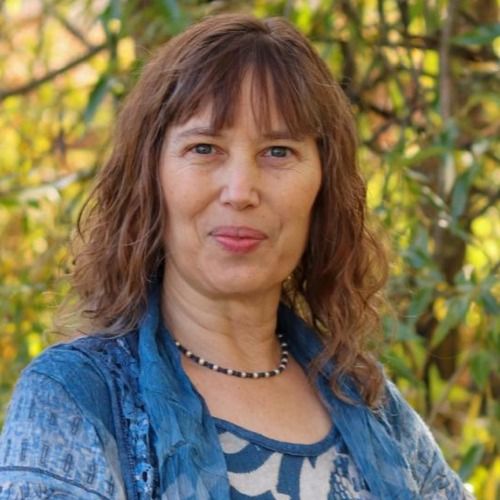
S2EP97-J Hall-Dadvocate Extraordinaire: J Hall on Raising Young Dads
Today, we’re diving into the wild world of fatherhood with the incredible J Hall, who’s here to share some juicy insights from his book, "God Help Me, I'm a Young Dad." This episode is all about empowering young dads and helping them realize they don’t need to have it all figured out—because let’s be real, who does? J brings over 15 years of experience in higher education and a hefty dose of humor as he chats about the challenges dads face and how to tackle them with confidence (and maybe a few dad jokes along the way). We’re also exploring the beauty of showing up, being present for our kiddos, and maybe even figuring out how to change a diaper or two without losing our minds! So, buckle up, grab your favorite snack, and let’s get this dad talk rolling!
J Hall is an author, podcaster, and educator with over 15 years of experience in higher education. He is the host and producer of the Okie Bookcast (okiebookcast.com), a podcast dedicated to connecting curious readers with their next great read through interviews with authors and storytellers. Since its launch in 2021, J has released more than 150 episodes across several series, including a monthly book chat show co-hosted with his daughter, author and screenwriter Hannah Herron. J is the author of God Help Me! I’m a Young Dad: 10 Essentials for Becoming the Dad Your Kids Need and College Unpacked: A Practical Guide to Choosing, Preparing For, and Excelling in College. A frequent podcast guest, he speaks on topics ranging from books and pop culture to podcasting, education, and fatherhood. J currently serves as Dean of Social Sciences at Oklahoma City Community College and lives in Newcastle with his wife and their two dogs.
Bringing Education Home is an educational podcast brought to you by Kristina and Herb Heagh-Avritt.
If you enjoy the show, we'd love for you to leave a rating or review on your favorite podcast app!
Please let your friends know they can listen for free on Apple Podcasts, Spotify or their preferred podcast app or online at Bringing Education Home.
Sponsored by Vibrant Family Education - creating Happy, Healthy and Successful kids
Follow us on these socials:
Facebook Group - The Family Learning Circle
Facebook Business Page: Vibrant Family Education
Support Bringing Education Home
Copyright 2026 Kristina & Herb Heagh-Avritt
This podcast is hosted by Captivate, try it yourself for free.
Transcript
I now have the pleasure of introducing J Hall. J is an author, podcaster and educator with over 15 years of experience in higher education.
He is the host and producer of The Okie Bookcast OkieBookcast.com a podcast dedicated to connecting curious readers with their next great read through interviews with authors and storytellers.
Since its launch in:Jay is the author of God Help Me, I'm a young dad, 10 essentials for becoming the dad your Kids need and College Unpacked A Practical Guide to Choosing, Preparing for, and Excelling in College. A frequent podcast guest, he speaks on topics ranging from books and pop culture to podcasting, education, and fatherhood.
Jay currently serves as the Dean of Social Sciences at the Oklahoma City Community College and lives in Newcastle with his wife and their two dogs. Welcome Jay. It is a pleasure to have you here today. Thank you so much for joining us.
J Hall:Thanks guys. I'm excited to hang out for a while.
Kristina:Thank you so very, very much.
When we had our pre chat, it was amazing how we talked about lots of different things, but one of the things I kept coming back to is like we haven't had a dad advocate on our show for a while. Dadvocate had someone who really wants to come and talk to the dads. You know, oftentimes you get oh yeah, this for the moms.
Oh yeah, and this works for dads too. But today we're all about dads and especially those younger dads because we are getting some younger dads again, which we're really excited about.
People aren't waiting until way late to have kids. They're starting to back that up a little bit. So they're a little bit more spry and running around with their kids. But why that passion?
Why that book about the young dads and really connecting with them?
J Hall:Well, it started when my son told me that he was about to have his first child.
And I started thinking about wanting to make sure that I had imparted to him the things that he needed to be the dad that my grandson was going to need. And we're, we are a communication family. But a lot of our communication happens in writing. And so initially it was, well, I'll write some letters.
That's the thing that we do. And that wouldn't be odd.
And as I was writing him, suddenly I realized one of his good friends who basically grew up in Our house was also having a baby. One of the trainers at the gym who is in his late 20s, was having.
And I thought, okay, I've got all these young men in my world who are about to do this thing, and so why not create something for all of them, not just for my son? And so that's what happened. Then I sat down and put the book together and got it out, and the goal was to get it out before my grandson was born.
And he showed up two and a half weeks early. And so we didn't quite make the timing, but it got out anyway.
Kristina:That's awesome. So you just had to tell him. He's like, just two more weeks, dude. Just stay there a little bit longer.
J Hall:Listen, I'm perfectly fine with two and a half extra weeks with him. It's. It's all good. I don't mind it.
Kristina:Exactly. Oh, my gosh. So has your son actually read the book then? That's going to be the next thing. We got the book out, but did he actually read it?
J Hall:So I've never asked him that question because I'm not sure I want to know the answer. Yeah, that was three and a half years ago, and my son, by nature, is not much of a reader. I'm sure he has read parts of it.
If I were to ask him, have you read it? You know, cover to cover, his response would be, one of these days, or I'm going to do that, or something like, he.
He wouldn't just flat out say, dad, I'm never going to do that, but. So I'm just gonna go ahead and say yes, and believe that you can.
Herb:Take it out chapter by chapter and write it out and send it to him. Because he'll read your letters, right?
J Hall:That's right.
Herb:So now that you. You've got it. So write it out, hand letter, and then send it to him as. As a.
J Hall:As I'll just start sending text messages.
Herb:Started. Let's. Because he'd have read your letters.
J Hall:That makes perfect sense. Yeah.
Kristina:And then the other thing, the audiobook. Right. Because, you know, busy dads, they still, like, work out on the treadmill or take walks or something. So maybe we need to turn it into audio.
J Hall:Well, that would be the best.
So he is in law enforcement and he works the night shift, and so he spends a lot of time listening to podcasts, just driving around southwest or northwest Arkansas.
Kristina:Yeah.
J Hall:So maybe that's how I could sneak it in.
Kristina:There you go. Absolutely. Awesome. So let's talk. Let's dive in. You know, how can we help some of our dads, our young dads, or more mature dads, whoever.
We're like, what was one of the things that you really wanted to talk about in the book that you thought was super important to help get our dads off on the right track when they have a new baby in the house?
J Hall:I think one of the biggest challenges that dads of any age, new dads, maybe, is better than young dads, but, you know, as they're. They're starting this journey. And honestly, My oldest is 29, and I still probably have moments of. This is just this.
This thing of being encouraged and believing that we're equipped and know how to do this thing that we've been asked to do. Herb, I don't know about you, but when my son was born, they handed him to me, and I had this moment of, now what right? I.
You know, all of the things that I. I had changed exactly one diaper in my life. I had younger siblings, but they were close enough in age. That wasn't like I was taking care of them. It was more wrestling partners than.
Than anything. So this moment of.
I don't necessarily know what to do with this, and women, and I'll be very careful in stereotyping, but I think this is pretty safe. Women tend to have communities around them who offer advice, maybe more than they want sometimes, but it's there.
And when my son was born, we were living in a small town in Texas. We were doing student ministry. And so we had all of these women who were around.
My wife, who were 10 to 15 years older, had been there and done that and could answer questions and offer encouragement and again, sometimes more advice we wanted. And I had dads in my life, and they all just kind of stood around and nodded their heads and said, yep.
And that was kind of the extent of the encouragement. Like, we're here with you, but that's all we know. So it really.
A lot of what I wanted to do was just encourage dads that God knew what he was doing when he put your family together and when he gave you that kid or those kids, it wasn't a mistake. You are the right person for these children in this moment, and. And then just take it from there and.
And help dads think about, okay, if you are that person, what kind of things need to be true of you so that your kids can become who you want them to be?
Herb:So I'm a. I'm a different kind of a thinker. I had my cosmic egg cracked open very young, went downhill from There. So some of the stuff that you were talking about.
So when, when I held my son, the stuff that was going through my mind was so much more like in the moment because I, I have trouble putting myself in the future. And the way so I was like looking is like, look at these amazing little fingers and look.
So the thought of, of not having this, it's like, no, I'll be able to figure this out. This is worth it. So there wasn't that sense of oh, what's next? There was like, wow, this is amazing. I can't see where this goes.
And, and some of it was really difficult. And yeah, the first couple of years, I'm funny, the jealousy of that he got, he got more of my wife than I did.
J Hall:Right.
Herb:Was, was difficult for me.
But at the same time it's like in the first couple of years it's all about the mom because of, of the that but then when it was my turn, it was a lot of fun.
J Hall:Well, and I think it's, there's so much to how do we invest even in those moments. Right. Because you're right, there is that. So I just literally had a, another grandchild three weeks ago. He's three weeks old now. And so. Thank you.
So we're watching my daughter and her husband go through this. You know, she's just kind of always on right. It's, it's here, it's been two hours again. Here we go.
And it's been really interesting and fun watching my son in law figure out where he fits in that not just as the guy who makes everything else happen while my daughter's taking care of their son, but also the time that he spends and the, the way that he even now is, you know, investing and some of that investment looks like, you know, sitting in front of baseball games. And I appreciate him starting that very, very young with Adler so that, that's going to be a thing later on.
But just spending that time and being there while in, you know, in the midst of this kind of messy time where it is literally messy time where you're just trying to figure out, you know, how do we sleep and how do we make all of this stuff go.
But yeah, I think one of the things that's a challenge for young families, this isn't just dads is just figuring out roles, figuring out who am I now? What does it mean to be dad? What does it mean to be husband but also dad at the same time.
All of these different changes to our identity that we don't tend to Think a ton about and probably aren't thinking about it consciously, but just recognizing me. Like you said, Herb, I don't have the same kind of interaction with my wife that I had before this child showed up. What does that look like now?
Right. And so there's a lot of this renegotiation that happens. And to me, it was encouraging.
And I wish I understood it better when I was starting this thing. I wish I understood it as well then as I do now, that in the midst of all of this, I don't have to figure it all out.
I have a source that I can tap into that has this great plan, not just for me, but for this child. And if I can walk that road with them, we're going to be great. It's not going to be easy. It's going to be bumpy, but it's going to be.
It's going to be there.
Herb:Yeah. And I just kind of heard what I said, and I want to correct some of it because I was very much involved.
J Hall:Oh, yeah, yeah, yeah.
Herb:It wasn't her. We were in college. I had this front pack backpack, and I would put my son.
J Hall:Oh, yeah.
Herb:And then I would button it up, and I would go to class. And I was there, like, sweating because I have this. As soon as that top button on my coat got button, he was asleep.
So he would sleep all through class. And then like, 10 minutes before class, I'd start, but. And suddenly there's this baby in class, and the people are like, oh, that's wild.
Very much involved. Very.
J Hall:Sure, yeah.
Herb:Very much there. But also that time is very much mom dependent because it couldn't just be me.
J Hall:Right? Yeah, yeah. There are things you cannot do.
Herb:There are things that I cannot do. And. But yeah, very much I was involved. But at the same time, it's like, there.
There comes a point where the dad suddenly becomes more important, especially in a young boy's life.
J Hall:Oh, absolutely. Yeah. Yeah.
Kristina:I think one of the most, I don't know, impressive times that sticks out in my brain was when I finally, like, the girls are like, kidnapping me. He's like, you're going out? He's like, no, no, no. Baby's too small. Can't do this.
And he's like, I know I have this, but at the same time, I don't want you to be gone too long. Right.
J Hall:Stay close. Keep the phone.
Kristina:That night, 15 minutes was almost too long. But they had literally taken my phone. In fact, you know, we were super young. Cell phones weren't a thing.
So I Was going to call and check in throughout the night, whatever. But yeah, that, that was a rough night right from the beginning.
But yeah, encouraging those dads is like, yeah, you're going to have those rough nights, but it's worth it and you're gonna get through it and everything will be okay on the other side.
J Hall:Well, and to me, so much of the encouragement is we don't have to have it all together. So the, the first line of the book is, your kids have a perfect father and it's not you. And that's good news.
And I think there's just so much to that because we live in this comparison culture where we can, through any variety of means, see the perfect picture of this perfect dad with the chiseled physique and sleeping all the hours and all the side hustles and all that kind of stuff. And it's, it's hard now for us. We're a little further down the road. It's not as difficult to not internalize that.
But for a young guy looking at this and saying, they've got a two year old, I've got a two year old, their life is perfect. My life is a mess.
Even with that conscious recognition of that is so curated and we didn't see the battle that it took to get that perfect picture by the pool. We only internalize what we see. And so just letting dads understand, letting any of us understand, you don't have to have it all together.
Like, we are in process. We should be in process, but we are in process, which means we're not there yet and we don't have to be. To me, that's.
I was on a podcast recently where the host was like, so does that mean you're just kind of abdicating? I was like, no. That is so freeing that I can just keep moving forward. I still have a responsibility, but I don't have the responsibility.
And to me, that's a big, big difference.
Kristina:It's just one of those things that we need to keep saying it over and over to all the parents out there. Like you said, you don't have to have it all figured out.
And there is no disgrace, there is no, you know, judgment in you asking for help and asking for advice. Like you said, sometimes you get way too much more than you really wanted to know.
But other times, if you can just listen to that and take in the nuggets that really help you and your family.
Herb:Word.
J Hall:Right.
Kristina:And just really think about, it's okay to ask. I mean, there's people around us who have been alive longer for a reason.
They have experiences that we haven't had yet that maybe they can give us some insight too.
And so I love that you made the book and that you're encouraging dads of all ages, but especially those young dads that you don't have to have it all figured out.
Herb:Yeah.
And if you are going to ask somebody, ask somebody that has kids, ask somebody that probably has slightly older kids than you and hopefully they're well adjusted kids. So like, if, you know, don't be asking kids of, of bullies and stuff like that because it's like, because there's stuff missing.
So, you know, and there are coaches, there are experts, there are professionals who can, who can help maybe a little more specifically as well. But, but the parents, the grandparents, incredible resources.
J Hall:Absolutely.
Herb:We had to figure it out too because it was, it was our generation that ours was the first where both parents, most of them went out to work and that changed so much of the generational knowledge being passed down. It used to be multigenerational family households and so you couldn't get away from it. And now it's so easy to get away from it.
My kids got, my youngest, it's like had problems with us, so doesn't talk to us anymore. He got away from it.
Kristina:Yeah.
Herb:So don't want that to happen. And so that's kind of why. Why we do what we do.
Kristina:Part of it. Yeah.
Herb:But be sure to ask for help so that.
J Hall:Absolutely.
Herb:That doesn't happen.
J Hall:Well.
And I think it's such a challenge because we do, we live in a world where parents work, but also where we have become spatially distant because we're just a far more mobile society than we used to be. So I have four kids that live in three states. And thankfully the phone works and the Internet works.
And so when there are things they want to ask us about, they can do that. But you're right, there is something about.
You're sitting at dinner together on a Sunday afternoon and something comes up and you can just talk about it with your parents or your uncle or whomever that's around. And we don't have that as much anymore. Thankfully.
Again, we live in a time where there are other ways to connect, but that requires a little more intentionality than just that constant presence of the person right there.
Herb:Yeah. And as somebody who's needed to reach out for help before, it's like when you need it, when you need to do that, that's the least likely time that.
Because it's like everything's piled on.
J Hall:Right? Right.
Herb:Like, it's like, I don't want to bother anybody. This is too much. That is when the people are most able and are willing to help you. So reach out. It's like when you really, really don't want to.
That's the most important time.
Kristina:But we also like to flip the script. Right.
If you know that you have a young father or young mother in your vicinity, reach out to them because you can't expect them to say, oh, I need help with this. Right. It's also grieving. Right. When their spouse has passed away or whatever, we expect them to reach out. Like, oh, let us know if you need anything.
It's like, no, no, no, no. Reverse that. You're the healthy one. You reach out, you do the check in and that will help them out a little bit.
J Hall:Well, and it's still part of the world that we live in where again, because of that comparison, it's embarrassing, Right. I don't know in previous generations, because I don't have any context for that.
But it seems harder now to ask for help because asking for help means that you need help. And that's not something that I can speak for myself. I'm not good at because I don't want to admit that I don't have it together.
Herb:Gen X. Gen X here. 19, Right?
J Hall:Yep.
Herb:You know, rub dirt on it. I'll give you something to cry about. The whole that stuff, it's like, that's why it's so funny. Differently.
And they are acting differently because we raised them differently. So, you know, things change and need to be able to have lots of different people to talk to, to.
To in a way, compare what's working so you can figure out how to make things better. Not compare like the perfect picture life. And then bad because you don't have that. It's like, you know, when.
When you go take pictures of your house, you clean it up first. So. And then when you're not going to take pictures, it gets a little lived in and then you feel bad about it.
Kristina:So one of the questions I want to ask you, because you're a little bit closer to this new, you know, dad age kind of thing than we are. Our boys are in their 30s. We don't have grandkids that age yet. What. How does it work with like the father leave and stuff? Because I.
That's something that has definitely changed since we were raising kids. Right. It was usually the mom that just had the time off or whatever.
And now many companies have like the father's leave as well, separate or together? What have you seen that have? How has that impacted some of the sports beginning stuff, increase the awesomeness of it or.
J Hall:I think so. So both of my, my son and my son in law both had extended paternal paternity leave.
And on the one hand, and this is just their personalities they're used to doing. And so I think there was an element of stir crazy, like what do we do and how do we, you know.
But what I've seen both of them do is channel that stir crazy into hey, let's go, whatever, right? So it's even at two weeks they're going and walking the neighborhood with the grandson in the stroller.
And just like I said earlier, being more present than I was able to be because I had to go to work. Now I had a little bit different situation. My wife had an emergency C section. We almost lost both her and our son when they were born.
So she was in bed for the first six weeks of his life, which meant that I was home a lot caring for both of them. So a little bit different situation than what my, thankfully, my son, son in law have been able to experience.
But I do think there is an incredible opportunity being presented to dads who are able to. And I want to immediately recognize that is not the case for everybody. I get it. And so to be able to do that is an incredible privilege.
But I think it really is significant.
I don't know because I'm just not the kind of doctor, you know, what it does in terms of like bonding is more significant if they get that time versus if they're going to work, whatever. But I do think there is.
Well, I can tell you this from again, my son and son in law, there's a tremendous appreciation of how much it takes to keep that thing running, right? To keep the keeper, the baby doing all the things need to be done and accomplishing all that work.
But also I think maybe one of the real benefits is, you know, we were talking a second ago, Herb, about that whole thing of what is my role, what's my identity now that I'm both husband and father. That time where you are doing the fatherhood thing, but you're doing it with your wife, you're figuring this thing out together.
That there sure is something to that, right? I mean, whether it's shared suffering or shared joy or maybe some of both.
But this thing of doing this together, I think can't hurt couples and I would think certainly helps them in terms of solidifying their Identity both as husband and wife now that there's another person here. Right. And mom and dad.
Herb:Yeah.
You know, again, I think this is where we need to encourage the young man, the young men and the young fathers to step up into that role there as well. Because if at this stage you just. Nope. You're the woman, you take care of all of that.
J Hall:Good luck.
Herb:That can, that you know, there's issues there.
And I, I, when you were talking about, it's like you, in a way, you were blessed that things went wrong so you could spend six weeks at home with your wife and son. Like we were in college and part of having kids in college was, was kind of rough. But at the same time, right.
I was there, I, I would again take my kid to school and college. We went to a small college. So we actually very blessed, very blessed.
Kristina:There too because freak out too much.
Herb:Because there were times where I would like go to the cafeteria and I would walk in the door and I would, the first girl, I would just hand my son to the first girl I saw and then I would go eat. And then when it was time to leave, I would look for a table with a bunch of girls standing around and I'd go get my kid.
Because everybody knew me, everybody knew us, our son. And so I felt perfectly safe, like basically just dropping them off in the cafeteria and think.
J Hall:So we are not encouraging this kind of behavior now just to be very.
Herb:Probably probably not now.
Kristina:So this again was obviously I was in class and didn't know it was happening.
J Hall:I was not going to make that obvious statement.
Herb: se. Yeah, so this was back in: J Hall:Yeah.
Kristina:But I do want to also encourage, right. If we are having those younger dads who maybe are in class in college, whatever. Right. Check in if you need to. Right.
Because a lot of professors, a lot of schools are actually kind of looking kind of a little more family friendly. All they can do is say no. Right.
And it's one of my favorite stories is I was doing an education class and my son was three weeks old, is like, I really need to bring him to class. And the professor is like, no, this is the hands on. You have to have your hands free. Da da da da da. It's like, can we try it for one or two classes?
J Hall:Yeah.
Kristina:Okay. But if you cry, she got to leave. It's like, no problem. He usually sleeps during this time, right? Yeah. Second week he was there.
I was one handed doing the mom thing. Right. And doing. Doing everything right, Right. Walks up to me, he's like, I can hold him if you want me to.
J Hall:None of us are as tough as we like to pretend we are.
Kristina:We're not as tough as we pretend, right? Yeah. But, you know, definitely jump in there when you. If you're in a. In a certain situation, ask the questions.
Don't be afraid as a new parent, because there are people with experience. You're like, okay, I can see how this might or might not work kind of thing. So another.
Another piece of advice from your book, another piece that you wanted to impart in one of the chapters that you think is really important. We know that. Empowering the dads to be there and be accepting and work right from the beginning. What else?
Herb:Change diapers.
J Hall:Change. Change all the diapers. One of the.
The heart beats in the book is this idea that, you know, second Peter tells us that God gives us everything we need for life and godliness, and that includes fatherhood or motherhood or whatever, you know, personhood. If that's true, then I don't have to stir all that up myself.
So the book really kind of walks through these different things that we need to have in our lives so that we can help develop them in the lives of our kids.
So it's being loving, being thankful, serving things of that nature that we don't necessarily have it in us to stir up in ourselves very well, but we have a source of those kind of things. And so the. The book is set up in such a way to encourage dads. Here are some things you can do to develop this trait in your life.
And then each chapter ends with, and here's some things you can do at the kitchen table or driving down the road or whatever to help begin to develop these things in the lives of your kids. I mean, because ultimately we have responsibility to model. We have responsibility to talk about.
This is, you know, people like us do things like this. The whole Seth Godin thing. The kids have to catch it. The kids have to internalize that. But the beginnings of that come from us.
And so it was really important to me as I put the book together to help dads think very practically. If I want my kids to learn gratitude, what can I do with them to help them begin to do that thing? So how. How do we teach them to say thank you?
Which seems like a really silly thing, but we are inherently selfish, right? There's something in us that says, well, of course you made dinner for me, because why wouldn't you? Because I am worthy of dinner.
And so even just the thing of saying thank you to whomever took care of dinner or whatever. And we didn't realize this when we were doing it, but my wife and I thank each other constantly for little things that we shouldn't thank each.
You don't have to thank me for taking the trash out. The trash just needed to go out and I took it. But we realized that our kids watched us do that.
And I think, I hope, as I look at them as adults, I see it, they are thankful people. Right? They're people that take time to express gratitude to each other, to me, to my wife, to people around them.
And so it's just little things like that to just stop and think about if this is true of me and I want it to be true of them, what can I do? What little thing can I do without just sitting down and saying, today we're going to talk about being thankful.
Today we're going to talk about being loving. Right. How do I express that and help them experience it and watch me do it in a way that is catching.
Kristina:Absolutely. Love that. We talk about modeling a lot.
And it's when we talk with our parents and talk about homeschooling, all this other kind of thing is like, if you're running a dialogue in your head, you're saying thank you to somebody and like, I'm, I'm going to go do this. If you let that out and you talk about it as you're doing it in front of your kids, then they know the reason why you're doing it as well. Right.
Not just that you're modeling it, but like, oh, you know, I really appreciate that. You know, so and so did this for me today, so I'm gonna go over and say thank you.
You don't do it all the time, but you do it once in a while and then it's like, pick it up. Right? Yeah.
Herb:We were at a restaurant and happened a couple of times, but the waitress or waiter would say is like, wow, you're. You are the pleasiest and thank youest people that we have ever had here.
J Hall:Or that's awesome.
Herb:We went on a. We went on a boat once, and my son ran around opening doors for three days for people and nice. Oh, you're going there.
And he would lead the way and open the doors and. And so, yeah, our. Our kids were very much in that giving thank you. Because that was a choice that we made intentionally and that's how we were.
And so some of the best compliments we ever had. Was when they said how polite our children were.
J Hall:Yeah. Well, I think, Christina, there's something to being intentional in ex. Again, not over explaining, but just saying, this is what we do. I was.
My church does this cool deal once a quarter. Ish. Where they will find some kind of project that families can do together.
So whether it's like packing bags to give out to homeless people or backpacks at the beginning of the school year for, for kids who aren't free, reduced lunch, whatever it is. And so we all go to the gym and we pack this stuff. We're doing things.
And I love watching young families and the kids either asking, why are we doing this?
Or mom or dad saying, you know, we're doing this because there are kids that don't have what you have or they don't, you're not able to do this, or there's people that don't have enough to eat. And so we're doing this so that they have it. And it's just, it normalizes those things for those kids.
That this is not like a, an extraordinary thing that we do. This is just what we do.
Kristina:That's how good people show up in the world.
J Hall:Yeah, yeah.
Kristina:People who are, you know, learning to serve and be good role models. That's how you do it. Yeah, exactly.
So, okay, so a little bit old fashioned because like he said, you know, he kind of trained the boys and told the boys, you know, it's, it's a good thing to open doors for ladies, for other people. It's a great thing to say thank you, please and thank you and all those kinds of things.
Herb:Yeah. I'm trying to make her forget how to open doors.
J Hall:And my kids got in on the.
Herb:Game, so when we're around, she doesn't open doors.
Kristina:Yeah. That's pretty awesome.
J Hall:That's awesome.
Kristina:You know that.
And then unfortunately, our society kind of changed and there's some ladies who are like, oh, no, I don't want to be, you know, treated like that because I can do it myself. It's like, how do we balance that?
Because it's not that they don't think they're capable, it's that they're trying to show them respect and gratitude for being a person who they are. What do you think?
J Hall:I, I, I think it's saying that. So I had a colleague in grad school.
Kristina:Yeah.
J Hall:Who we would literally like have a standoff at a door because I would open it for her and she wouldn't go through it. And, and we were friends. I mean, I, I Dearly. She's.
She's passed away, and I dearly love her, but we just kind of had this conflicting view of how the world worked. And so we would literally stand there while people were behind us negotiating who was going to win this thing.
And fortunately, we were friends and we could have a dialogue about it. And my decision, ultimately, was to love and honor her by respecting the way that she saw the world.
But I wanted her to understand the way that I saw the world, that my granddad would come back from the grave and kick my rear if I didn't try to open this door. Right. And so.
Herb:And if there's a line of people behind her, it's like everybody goes through. She steps through and waits for you to hold the door for everybody. That's. That's how you do it. And if someone's like, a couple steps back.
Yeah, hurry up. Come on. Like.
J Hall:Well, it's that fun game, right? Of how long do I wait? And, you know, how far away are they?
Herb:And so it has nothing to do. Do. Well, it. It. If there's a female, I'm gonna, like, try and jump in front of her and open the door. That's because.
But then once it's open, I'm gonna hold it until everybody that wants to.
J Hall:Now you're committed. But. But I think, Christina, your question. It really is. In all of these kind of negotiations, it is trying to come at it from a perspective of.
Of honoring. Because part of the reason we're opening that door is to honor the person who's going through it. Right?
But if the person going through it sees that as dishonoring, then how do we navigate and negotiate that? And I don't have a perfect answer. I do have a good answer for my one example of my friend.
But I also know that that's not, you know, how everybody works now. I'm in Oklahoma, where we kind of just. Everybody's used to that. And so whatever happens, you know, it's usually not an issue.
But I. I think in all of these different things that we see as not how the culture tends to do or perceive things, or even individuals within the culture, how they perceive things, there has to be this willingness to. Okay, let's have a conversation about it. Let's talk about what it means to you. What does it mean to me?
Because it had never occurred to me that me opening the door for her was me saying that I'm stronger than you are and you can't do this. Right.
Herb:What I gotta say is, outside of colleges and outside of big cities, Everybody wants you to open the door for him. It's not a problem.
J Hall:So, yeah, again, I've not encountered it very often, but. Yeah, so it was a thing.
Herb:Yeah, I'll put that out there. Like, yeah, in big cities and in colleges, that might be a thing, but the rest of the world doesn't have a problem with it.
Kristina:So. But I love that there was a dialogue. Right. You could say, this is what I feel and this is why I'm doing it.
And then they were able to say, yeah, but this is how I feel, and this is why I'm doing. And then you come to, you know, some consensus or havesies. Right. Okay, I'll do it part time. You can do it part time.
J Hall:On Tuesdays and Wednesdays, I'll open the door. And on. Yeah.
Herb:And see, my mom wasn't used to it, so I opened the doors for my wife and my mom. And my mom used to race me to the car so she could get in by herself without having me open the door.
And now she understands that that's just how I am. And so she now politely waits for me to open the door for her. And she appreciates it. Yeah. So because it's not something I'm going to race.
It's not something, but it's like I'm going to open the door for the people getting into my car all the time, every time. And so my kids. My kids started doing that as well.
So there are times where I start walking to let the door in, and then I'll, like, look at my son and like, you got this. He's like, I got this. And so he opens.
Kristina:I'm very blessed. I'm very taken.
J Hall:Yeah. All four doors are open. You just get to decide which one to go in.
Kristina:Right? Exactly.
Herb:I get the driver's seat.
J Hall:Okay.
Kristina:Depends on where we're going. No, Just kidding.
Herb:No.
Kristina:Awesome. So, Jay, this has been such a great conversation, and I really hope that all the dads, young dads, more mature dads, are all taking this to heart.
It's like, just really think about how you want to show up, what you want to do, how you want to lead your family. And, you know, we reference church and the biblical principles.
Some, you know, and that for some people, that's absolutely the way they're going to show up. And others, they just want to show up because they're kind or whatever.
However it is, show up the way you want to have your child show up later in life.
Herb:Yeah. And it. Whether. So if the Bible is true, it's the most important thing.
And if it's not, if you follow the tenets, if you turn your face to that which is higher than you and. And you move in that direction, your life will get better, and your children's life will get better.
So whether you go there wholeheartedly at first or not, this is a great time as a young father, to turn to your father, because that is the best example. And if you move in that direction, your life can only get better.
And so that there isn't anything better that you could do for your child than, at this point, to reach. To reach for your father.
J Hall:Million percent.
Kristina:All right, so what have we not talked about that you probably had written down on the side of your notepad? Oh, I want to make sure I mention this or this.
And definitely tell people how to get a hold of you in your books, because there's great wisdom right here that we're sharing with you that we want you to continue to access if you want.
J Hall:Well, you guys led right into the last big thing that I always talk about when I talk about the book, and that is the last words of the book, keep showing up. It is this thing of presence. And the last chapter in the book is about presence.
And I talk about my dad, who worked in the car business in Oklahoma city in the 80s, which meant that he was going to work very early in the morning and staying very late into the night, but found time to come to baseball games and football games and choir concerts that made no sense to him, and musicals and band performances, those kind of things. And I didn't think much about it at the time, but I realized going back what a gift that was that he.
He chose to show up when he could, and he wasn't able to be there every day for everything, but he did show up when he knew it mattered. And I think there is something about that. We find ways to do it in the ways that we can.
You know, there are dads who can't be present in the lives of their kids because of family separation or deployments or incarcerated. There's lots of different things that go on, but there are still ways to show up in the lives of those kids.
And I think there's just something hugely significant in the lives of our children that they. They have that intentional connection with us. So.
So, yeah, that would be the last thing that's always written down to the side, is just keep showing up even when it's hard, even when it's messy, even when you don't know what to do you know, we've all had those awkward things where we're sitting in the car with our kid and there's a conversation that needs to be had, but neither one of us wants to start it. And so you're just kind of there waiting for somebody to be the first one to look over. And, and those are important, important things to do.
And then in terms of getting hold of the book, it's on Amazon. You can connect with me at jhallrider W-R-I-T-E r.com you can get signed copies there if you want.
I also, for groups who want to use these with, you know, hand them out to young dads. We just had a church hand them out to young dads. The Father's Day gift last weekend. We do bulk orders.
And so if you want to do something like that, you can get ahold of me there. And then across social media, it's okeebookcast, O K I E Bookcast. And I talked lots about books there, but about lots of other things, too.
And I'm always happy to connect and talk dad life.
Herb:Yeah. When I was going through your podcast, it's like, what does Okie Bookcast mean?
And then when I got down to your worked at the Oak in Oklahoma, it's like, okay, got it.
J Hall:Yeah. Yeah, that's it.
Herb:So, yeah, it's probably for Oklahoma.
J Hall:That's it. You nailed it.
Kristina:Exactly.
Jay, thank you so very, very much for your wisdom, your insights, for your speaking up to and for these young dads, these dads who are just, like, getting their feet wet and all of this. We really, you know, appreciate this. And I hope our audience is also taking away lots of gold nuggets.
So thank you very, very much for being here today.
J Hall:Thank you, guys. Great talking with you.
Herb:Yep. And I'd also like to thank you for, for being here and joining us today.
Again, that demographic is actually pretty hard to reach because they're busy. They, they. I think there, there's, there's the shame in not knowing, but there's so much.
But if you can reach out to them and when you do get to them, it is so beneficial and they so appreciate it because these are words that so many young men need to hear these days because we don't have these spaces for, for, for talking to our young men like this anymore. And so this is important.
And so thank you for what you're doing because more men and young men need to hear this because it's, it's missing these days. So thank you for what you do.
J Hall:I appreciate that, Herb. It is a joy.
Kristina:Awesome. Okay, audience, you know, it is time.
We need some likes, we need some reviews, and more importantly, share this with other people who need to hear it.
Herb:Our dog agrees.
And, and make sure if you if you do want to share it with somebody, put a comment and do at their name as a way to share, because that way we get we get action from comments and they get to look at it as well. And it just increases it so more people can see it, especially hopefully some more young men out there.
Kristina:All right. Until next time, thanks for being here, everybody, and we will talk to you later.
Herb:Bye for now.