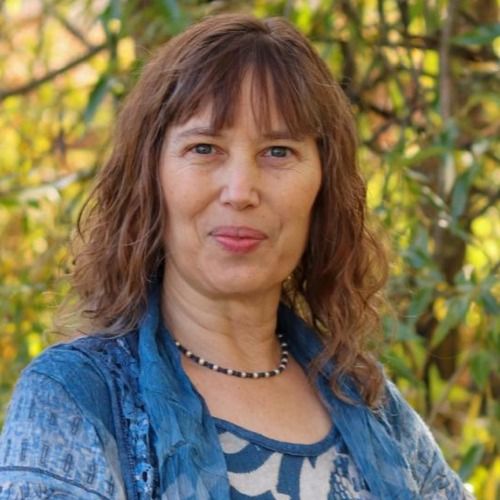
Episode 90
S2EP90-Cara Tyrrell-Talkin' Toddler Talk: Unlocking the Secrets of Early Language
Cara Tyrrell, a linguistic wizard in the realm of early childhood, graces us with her presence in a lively chat about the importance of communication in early years. Forget the notion that little ones are just blobs of cuteness; they are actually little sponges soaking up every word and sound around them! With over two decades of experience, Kara enlightens us on how infants and toddlers are constantly absorbing language, even before they can speak back. We dive deep into her unique framework, the Talking Triangle, which is like a secret weapon for parents and educators. It’s all about using intentional language to foster emotional regulation and identity. Cara’s insights reveal how the words we choose can either build or break a child’s self-esteem and learning potential. We also touch on the impact of the pandemic on language development and how those ‘Covid babies’ might need some extra love and attention to catch up. This episode is packed with actionable tips and is a must-listen for anyone involved in the life of a tiny human!
Cara Tyrrell, M.Ed., is an early childhood language expert. With degrees in American Sign Language, Linguistics, and a Masters in Education, she has spent over two decades studying how infants and toddlers acquire receptive and expressive language and how adult communication shapes early identity, emotional regulation, and long-term learning outcomes. A former preschool and kindergarten teacher turned national keynote and teacher trainer, Cara developed the Collaborative Discipline Framework and The Talking Triangle to equip parents and educators with science-backed, intentional language strategies that influence how children think, process emotions, and build their internal sense of self. She is the host of the top-ranking podcast Transforming the Toddler Years and author of Talk to Them Early and Often.
@caratalkstoddler on Instagram
Bringing Education Home is an educational podcast brought to you by Kristina and Herb Heagh-Avritt.
If you enjoy the show, we'd love for you to leave a rating or review on your favorite podcast app!
Please let your friends know they can listen for free on Apple Podcasts, Spotify or their preferred podcast app or online at Bringing Education Home.
Sponsored by Vibrant Family Education - creating Happy, Healthy and Successful kids
Follow us on these socials:
Facebook Group - The Family Learning Circle
Facebook Business Page: Vibrant Family Education
Support Bringing Education Home
Copyright 2026 Kristina & Herb Heagh-Avritt
This podcast is hosted by Captivate, try it yourself for free.
Kara Tyrell, a linguistic wizard in the realm of early childhood, graces us with her presence in a lively chat about the importance of communication in early years. Forget the notion that little ones are just blobs of cuteness; they are actually little sponges soaking up every word and sound around them! With over two decades of experience, Kara enlightens us on how infants and toddlers are constantly absorbing language, even before they can speak back. We dive deep into her unique framework, the Talking Triangle, which is like a secret weapon for parents and educators. It’s all about using intentional language to foster emotional regulation and identity. Kara’s insights reveal how the words we choose can either build or break a child’s self-esteem and learning potential. We also touch on the impact of the pandemic on language development and how those ‘Covid babies’ might need some extra love and attention to catch up. This episode is packed with actionable tips and is a must-listen for anyone involved in the life of a tiny human! In this delightful episode, we get up close and personal with Kara Tyrell, who’s not just your average early childhood language expert – she’s a powerhouse of knowledge! With a Master's in education and a passion for empowering parents, she shares her journey from preschool teacher to podcast host of 'Transforming the Toddler Years'. We explore the profound connection between language and a child’s emotional development, discussing how our words shape their identity and communication skills. Kara emphasizes the importance of engaging with children through meaningful conversation, even when they’re still in their babbling phase. She breaks down her unique approach to collaborative discipline and shares her experiences during the pandemic when many children faced language delays. Tune in for some eye-opening anecdotes about how our interactions can lay the groundwork for a child's future learning and emotional health. Parents, you’ll walk away with fresh insights on how to strengthen your bond with your little ones! Join us for a fun-filled chat with the incredible Kara Tyrell, who not only knows her stuff when it comes to early childhood language acquisition but also knows how to make it entertaining! We dive into the nitty-gritty of how infants and toddlers are like little language detectives, piecing together the world around them long before they can utter a word. Kara shares her passion for bridging the communication gap between parents and their wee ones through her Talking Triangle framework. We discuss the repercussions of the pandemic on young children’s socialization and language skills, and how we can help them recover. With plenty of humor and relatable stories, this episode is a treasure trove of knowledge for parents looking to enhance their child's early communication experiences. Get ready to laugh, learn, and maybe even shed a tear as we uncover the power of our words and the bonds they create with our children!
Transcript
I now have the pleasure of introducing Cara Tyrrell. Cara is an early childhood language expert with degrees in American Sign Language Linguistics and a Master's in education.
She has spent over two decades studying how infants and toddlers acquire receptive and expressive language and how adult communication shapes early identity, emotional regulation and long term learning outcomes.
A former preschool and kindergarten teacher turned national keynote speaker and teacher trainer, Cara developed a collaborative discipline framework and the Talking Triangle to equip parents and educators with science backed intentional language strategies that influence how children think, process emotions and build their internal sense of self. She is the host of the top ranking podcast Transforming the Toddler Years and author of Talk to Them early and Often. Welcome Cara.
It is a pleasure to have you here today. Thank you so very much for joining us.
Cara Tyrell:I could not be more excited to be back sharing time and space with both of you. Thank you so much. Yeah, we are back, right?
Kristina:I looked back and I couldn't remember.
episode number, but it was in:And so we need to get caught up about what you've been up to and how your book and your framework has all began launched out there and how we can really help parents think about these younger years. So many of our episod go higher age groups, this one is going to focus on a little bit more at the beginning.
Even though what we talk about is for everybody, we want to really focus in and help those kind of toddler younger parents. So passion, just re introduce us to the passion. Why this topic? Why this communication model?
Cara Tyrell:Well, I've kind of danced around it my whole life and finally like you said, in the last two years it really solidified itself as my passion because how we talk just because kids can't talk back yet, typically between birth and true, sometimes between birth and three, we see a lot more language delays happening right now in our post Covid world. But just because they can't talk back yet doesn't mean that the linguistic center of their brain isn't processing language.
And it's our job to pour into it to be the architect of that language brain, arming them with everything they need so that when their tongue and like the oral motor muscles catch up and are ready to start communicating, they are ready to have strong, connected, meaning based conversations with their parents and caregivers.
Kristina:Absolutely. It's interesting because one of the podcasts we just did recently, it was about math and why the kids have anxiety over math.
And the gentleman was like, it's all vocabulary. If they haven't learned the math vocabulary, they're not going to understand the processes, et cetera, et cetera.
And it's kind of what you're talking about here, you know, by pouring into them, giving them the vocabulary to describe things, by giving them the interactions that they need to develop all of those centers, then they can understand so many more things.
Cara Tyrell:Absolutely. And one of the things that fascinated me most when I was doing the research for the book is Patricia Cole.
She is a social scientist, a linguist, and she found, because at the time that she was doing her experiments, she could actually start using brain mapping.
Kristina:Right.
Cara Tyrell:That was. That was new at the time.
She found that babies rehearse how to say a phoneme or a word or a sound blend in their brain before they can actually rehearse it on their tongue. And in that moment, I realized we have a huge job. It's a huge responsibility. We can't waste our words. We can't throw them away.
And we have to spend so much more time talking with our tiny people than at them.
Herb:Yeah, that. It does sound kind of strange because, you know, their children, not young, are pretty useless.
And, you know, as a dad, I was like, oh, I'll wait till they talk to, like, till they can actually, I can interact with them in some sort of a. A useful manner. Because for the first couple of years, especially as a dad, it feels like we're. We're not really needed in much of that.
Cara Tyrell:That's such an interesting perspective. Yeah. Tell me more about that.
Herb:Well, because, you know, they. They need the mom. They're breastfeeding, they're doing that. The mom is very much in there. The dads, without this information that.
That we're doing something useful, we're just. We're just diaper changers. So why would we need to be talking to our children? Why would we need to.
You know, until I used to say, wow, until they can, like, give me a hug, which happened at, like, 2 or 3, it's like I would smile at them and, like, play with them, but it's like, you can't. You didn't realize that there was communication happening.
Cara Tyrell:That's exactly it. So, Christina, you can back me up on this one. Right.
The maternal side of things, we know exactly what they're saying, even though they don't say a word. There is a. There's an energy communication.
There is a routine and consistency around the relationship that allows us to basically have what, what do we call that? Right. Our sixth sense. We just know what they need when they need it.
We know what they're crying about, even if the cry doesn't sound all that different than the one from three minutes ago. And this is the core of the book that non verbal communication is really how kids build relationships.
It's how they absorb meaning from the way that we're communicating with them.
And, and so the energy that we bring, then the facial expressions that we have, the body language that we use, a lot of it's subconscious, all of that is the foundation for when we then open our mouth and say the words.
Now they hear us, now they believe us, now they listen to us, now they feel seen, heard and ready to be part of that relationship that can do that bigger work.
Herb:And you know, just to be clear, it's like I did learn the baby cry sometimes even better than her.
Kristina:I was tired. Right, right.
Herb:So it'd be like the baby would start crying and it's like, oh, needs this. So yeah. So it wasn't, it wasn't just, oh, useless little things, stay away from me. I was very much involved in my child's life.
Cara Tyrell:I'll call my husband out on that one.
Herb:Yeah. But at the same time it's like they can't really do anything. So that's where, that's kind of where I was talking about that.
So the idea, and again we talk about how you are your child's first best teacher. You teach them how to talk, how to walk, but the idea that they're learning that in their head before they actually get their tongue working.
Cara Tyrell:Yes.
Herb:And you know, I collect weird information. So I was watching the thing the other day. Elephant babies can't use their trunk for a year.
So if the mothers weren't feeding them, they would starve to death because they can't use their trunk. It's, it's so they have to actually watch by learning.
So it kind of the same way it's like children learn other things before that are more important before they, their tongue gets involved with their communication. So that, that just kind of came to mind as we were talking about this.
Cara Tyrell:And the other thing that's just so essential, and I really want people to start out this episode with this grounding, knowing inside of them is that yes, we use our words to teach. Absolutely we do. We use our modeling to teach, but what are we teaching?
And the first thing that a child looks for when they enter the world is a deep and meaningful connection with somebody else. And a core understanding of who they are, the little one.
And so our words build their identity, not just their brains, our words build their belief system.
So if I am working with a 9 month old who has just come off like a major illness, right, and they're trying to recover some routines, but they're still, they're not back and they're just crying and crying, I will say over and over, I hear you, I hear you. You're crying because this is really hard for you.
I hear you and I'm feeding into I see you and I hear you, which what all human beings are searching for. Because relational intelligence leads to the ability to build our cognitive intelligence.
When we feel strong as a human in who we are, we feel safe in relationship to the person who's next to us. Now we're available to learn.
Kristina:Absolutely. And one of the things I love about that is that, you know, and the parents are ultimate, right? But you as a stranger can also do that.
Think about in the grocery aisle, right? The little kid is sneaking around the mom, right?
And you start smiling and they smile back at you, or you start playing peekaboo and they start playing peekaboo with you.
And it's those kinds of relationships, even those quick interactions in the grocery store that help them know that they're seen and they're heard and that, you know, they are building relationships with other people. So, I mean, we've gone through a big time in our life. A stranger danger, you know, oh, don't, don't scare the kids or whatever.
But it's like they need those babies, need those quick interactions with other faces, other people as well, you know, and other voices.
Cara Tyrell:Christina, this is one of the biggest aha.
Revelations we've had in the education crisis that came out of the COVID pandemic, is that our, our Covid generation, those, those ground zero babies, if you will, they didn't have exposure to varied tones, varied vocabularies. They didn't have exposure to different sentence structures because everything was inside of their nuclear family unit.
They didn't get to see different facial expressions and body language and experience the socialization of environments and how they differ. And that type of linguistic information is cycle.
As they become older toddlers and then preschoolers who are asked to show some autonomy and some agency out in the world when separated from that first teacher, that parent.
Kristina:Yeah, if we think about that as well, you know, the experiences, some people are like, oh, well, you know, they're getting the experiences on the TV or they're getting the experiences on the phone and things like that. And I bet through all your research and everything you've been like, yeah, the flat screen is not the same as.
Cara Tyrell:No, oh my gosh, no, I won't get started on this. But what I will say is that the research 100% says learning cannot happen through a screen even.
And this is the crazy part, even if the person on the other side is somebody they love, trust, respect and have an extraordinarily bonded relationship with, I.
Kristina:Did not expect that.
Cara Tyrell:So cognitive expansion.
Kristina:Yeah. Even like grandma and grandpa, the person they adore on the other side of the screen, it still isn't. Wow.
Cara Tyrell:They can, they can continue to build relationship with somebody on the other side of the screen. But learning being a teachable vessel and actually having the cognitive brain process the information, store it.
Process, store it properly, put it where it's supposed to be for the right level of recall. No.
Herb:So there's a lot of like online tutors and online teachers that seem to be teaching their students. You're saying that that's not really what's happening there.
Cara Tyrell:So it's a really interesting, it's an interesting discussion. Specifically in the early childhood world. And remember, that's where I live.
Okay, so when we're looking at birth to three, the pediatric, the American association of Pediatrics says they should have zero screen time leading up to, I think once you're three, an hour a day of focused screen time with an adult alongside you, experience it at processing it with you is acceptable between three and five years old. It's is, is when we were asked as preschool teachers to teach during a pandemic, to teach preschool through a screen. Right. That's not possible.
That's where this, this research is driving from.
As you have kids who reach the higher end of early childhood, that eight year old space now they have a different level of frontal lobal and frontal lobal frontal lobe brain capacity and they've learned the strategies for self management to understand how to focus, what to focus on and how to compartmentalize the work. So no, it's not fair to say that online tutors are not having an impact.
I'm saying if you're trying to use a device to influence your child's brain at 2 years old to learn the ABCs, it's not gonna work.
Kristina:Yeah, it's more the interaction of the parent beside because people are like, oh yeah, my child learned how to read using this or my child learned the ABCs listening to that.
But again, most likely the parent was sitting there either echoing back and forth or interacting with the child going, oh, yeah, that's an A, that's a B, that's a, you know, kind of thing, whatever along with it, I'm suspecting.
Cara Tyrell:And then the environmental ability, because that's environmental knowledge that the parent now has that the child has absorbed. Right? And so now they're driving in the car and the exit is 3A. And they're like, oh, look, there's that A that we learned about.
Remember, Remember it says, ah, right. So they can process and practice in that interpersonal type of way.
Kristina:And that's actually where I was going to ask next is because like some, some parents are like, you know, I know I need to interact with my kiddo, but I'm just not a natural teacher. I don't know what I'm supposed to be doing to help develop this kind of stuff.
It's easier for me to, you know, just kind of sit there and play with them. What? Give your parents some tips and help. Right. They don't. Do they have to be natural teachers? Do they have to do a specific thing?
Help us get that message out to them?
Cara Tyrell:Okay, well, first let's define what teacher means. Okay?
Because if you're sitting in the bench over here, that means a teacher is imparting new knowledge that a child has not yet heard or a deeper level of knowledge so that they can expand their learning. That's not what we're expecting of you parents. That's why we go to school and become that other type of teacher.
Your job is to teach them what it feels like to be in a great relationship. Your job is to teach them the core characteristics of the human that you want to raise in your home.
And by doing that right by, it just guides your words. Wow, Joey, that was so kind of you. I noticed that you offered that to your sister before anybody suggested it. That shows me how kind you are.
You just taught, you just taught a core value. And promise you this, that kindness leaves the house with you.
So now Joey is going to go to his second grade classroom and the person next to him is going to be really struggling and he's going to do something kind for that kid. And what's going to happen? A friendship will bud and develop potentially.
Kristina:Right?
Cara Tyrell:And then a teacher is going to notice the core value that Joey brought with him into the classroom.
And what core value teaching does is it raises a human who feels emotionally regulated, who feels independent and capable of doing things beyond for themselves.
Kristina:Right.
Cara Tyrell:But for others as well. That's your job. Parents, let Your core vision of who it is that you want to put down to the world. Guide your words.
Find opportunities to complement them. Find opportunities to create moments where they can practice something that feels kind of hard. My. I had one kid who was like that.
All right, I had one kid who was naturally that. My other kid, not so much. She was as selfish as they come. She thought about me, myself, and I. And that's about it.
Which developmentally was appropriate, but it didn't feel super good. I knew that I had to create opportunities for her to practice compassion, to compress it, practice empathy.
So just let who you are, your natural family culture, and who you want to raise guide your words. And the more you lean into that, guess what they're going to start doing? Talking back to you that way. Mommy.
I noticed you at the store that fell on the floor. You picked it up. That was nice, right? This is how we talk to each other, how we talk with each other, and we're growing our humanness.
I want you parents to. To hear me as I give you this permission slip.
If you build their emotional intelligence with your words, and if you build their relational intelligence with your words and your actions, the cognition will take care of itself. Your job is not.
Although it feels like everyone's telling you to make sure your child is a comprehensive reader by the time they walk into the kindergarten door, no, it will just organically happen because their brain will be so calm, so open, and so ready that they start to pick up some of this kindergarten readiness stuff all by themselves, and they'll just amaze you.
Kristina:That's one of the things we talk about with parents a lot, is like, if your child isn't safe and secure in their environment, if they don't have those emotional regulations and understandings, if they don't have those relational regulations and understanding, if they can't figure out how to calm themselves or ask questions, then learning doesn't happen anyway because they can't absorb it. The brain is too busy worrying about what's going on. So. Yeah, exactly.
Create little humans that we love and adore, don't worry about the readiness, but, you know, just give them experiences so they can do exactly what you were just saying. Yeah.
Cara Tyrell:And when they show you how smart they are, because they will, right?
When they do, instead of calling that out, instead of saying, oh, my gosh, you're so smart, use your words to say something like, wow, you learned something new today. That is so cool. What's it feel like to learn something new?
Kristina:Right.
Cara Tyrell:We want to also raise Kids who have an intrinsic love of learning, it comes from within. And they're, they're highly motivated not because we want them to, but because they are super interested in everything around them.
And the, the key is this is, this is just real. They're born this way.
They are born from day one with persistence, determination, grit, all the things we say we want to teach them, we don't have to teach them. They already have it. They are born with an insatiable love of learning. They will try and try and try and try until they get it.
They don't understand what failure is and they don't believe in it. It's our job to protect them from all the stuff that is being told to us is problem, problematic. They are born ready.
Herb:Well, that problematic stuff is all basically taught to us in school. So so much of our education system is broken that in these new words and these concepts are actually relatively new.
And the idea that this conversation is actually going to make it into a classroom, I find that like incredibly doubtful actually, especially in a meaningful way. So. And that's, that's also kind of why we help people homeschool their kids.
So how can we get parents who have never been taught this, who want to do what's best for their kids and once they get into school, this is shut down anyway.
How do we bring this out in our children so that if they do end up being in school that, that they can keep it going instead of having it having, instead of having their curiosity and their love of learning squished out of them by having to sit in rows and talk in turns and without eye contact. Because it's like the school system is not geared for what you're talking about.
Cara Tyrell:No, most aren't. If you're talking about K12 public school education programming, I absolutely agree with you. The world that I live in is slightly below that. Right.
So I would say that the pendulum is swinging. Excited. The, the infant toddler programs and the preschool programs have done a complete 180.
They are all focused now on relationship, child led and play based learning. They're returning to the roots. Right. We've got the Vygotskis and the Montessorians. Everybody's coming back to realize this is how we save education.
Now to your point, to your question about kids who are in kind of that middle ed already and just feeling that, that push like my answer is the same because here's an example. I had my kid who, who like was struggle bus for the first many, many years of her life went to school, and it didn't work.
So I enrolled her in kindergarten. And it was not a good teacher child match. That was number one.
We lived in a place where you don't get another choice because our demographics are so small. So there's one kindergarten, one teacher, end of story. And I had to make a decision.
What matters more to me right now because I had spent the last five years raising someone who I want with these characteristics and traits and values and, you know, and. And she did not feel respected by her teacher. She did not feel like she wasn't even in a relationship with her teacher.
What mattered more to me in that moment, Pulling her and saying, let's go back to the comfortable space or teaching Claire that there are people in the world that are going to challenge you in ways that make you have to, like, dig deeper. And so we did a bit of both. Because she was five, right? Like at 12. Okay, you've got to, like, suck it up and get through this, this.
This mismatched teacher plate. Like, we're. We can do better with that. So we did a half and half.
And I made a program with the school and I said, my child cannot be highly successful in the kindergarten program that you're currently offering. And I am aware of this.
But I also want to teach her how to get through hard things early so that she has a sense of achievement and accomplishment that she's done it. So I'm going to send her during her best part of the day, which is everybody's best part of the day, which is the morning. Right?
I'm going to send her in the morning, and then I'm going to homeschool her in the afternoon and we will do real world learning so that she can get her needs met from a nervous system standpoint and whatever decompression she needs and all that at the end of the day. And it was highly successful. So I come back to the same answer. Who is it you're raising? What are the current skills that you're working on?
Not just cognitive. Because what I had to let go of is, is my child going to be a proficient reader by the end of kindergarten? I don't know, but I didn't care.
What I cared about was in third grade and then in sixth grade, and then what actually really happened in 11th grade because she was a scene, a junior and a senior during the height of COVID is that she understood how to do hard, uncomfortable things for short periods of time and then have the strategies to get herself back together on the other Side.
Kristina:Yeah, absolutely. Love that. And yeah, again, we're raising those humans to be able to handle all of that stuff and give yourself permission.
Parents, did you just hear what she said? Someone who has, who has the degree, who is teaching other teachers, who is working with parents. Right.
Give yourself permission to do what's best for you and your family.
Cara Tyrell:Amen.
Kristina:Get the support you need and do what's best for them. They can't learn anyway if they're totally dysregulated in the classroom.
Cara Tyrell:I think about it a lot like, you know that relationship that a lot of people have with their doctors, their primary care doctors, where the doctor says to them, well, this, this, this, this is wrong. So what you need to do is fix it by doing this, this and this.
I feel like a lot of parents walk into a classroom and that's how they're willing to listen to a teacher. Oh, well, we did our initial testing for the year and we found that Janie is deficient here, here, and here and here.
You better get to work over here with your flashcards and your this and your that because we need to catch her up to her same age peers. I don't want you to ever, ever feel like that's their job. The job of a teacher is to partner with you parents.
You are the one who is saying, I've brought my kid this far. Now I want them to expand not just their knowledge base, but and their interpersonal skills, experiences like you are partnering with them.
So if they come to you with a deficit model statement and this is what you have to do, force your child to do, then I recommend first, take a deep breath.
Kristina:Right.
Cara Tyrell:Get yourself back together. Right. I'm getting a little warm thinking about it. First you take a deep breath and then you reach out to a trusted advisor in your world. Somebody.
Maybe you have someone in your family who's a former teacher. Right. Maybe you have someone in your family who is a psychologist.
Reach out to someone in your trusted world who knows your kid and say, hey, this is not sitting right with me. I don't know what my options are here, but I know that that's not how I want to move forward.
Herb:Yeah. So currently, I think the statistics are less than half of our graduating seniors can read at or above a sixth grade level.
Cara Tyrell:Yeah.
Herb:And our math scores are some of the lowest in the world.
Cara Tyrell:I read that.
Herb:So when we're looking at that, and then it's like, okay, go to your teacher. Ask your teachers. Ask these professionals who know what they're doing.
But then Your child can't read above a sixth grade level and they're graduating.
So how can we say that these people are the right people to be talking to in these situations when it's kind of obvious if half our graduating seniors in the United States can't read, that what they're doing isn't working properly?
Kristina:Right.
Cara Tyrell:And that's basically my cautionary tale here, is just because someone has the label, right, they have that as part of their identity, doesn't mean that they are always the right person to guide your child's success. Now I, I want to speak to the other side of it because I have to be fair. It's fair.
We're reading a beautiful book right now, my husband and I, that is calling out like it's.
It's kids who struggled in school who are now adults, who have gone back and written essentially little op EDS about the teacher that changed the direction of their life forever.
But every single one of those stories has nothing to do with the curriculum and everything to do with the relationship that they forged, which then unlocked some type of inner desire to study that topic. And this is why we're so broken.
If this, if the educational system cannot reprioritize relationships over testing, relationships over curriculum, then our scores are going to continue to tank. I read. I'm sure you did too, because you're up on these things. I read that last year California public school systems saw 75,000 students being.
What's the word I'm looking for? Parents pulled their kids, okay.
And they're predicting that next calendar year it's going to double to up to 140,000 students are no longer going to be enrolled in their public school programming. And so what you are talking about, parents are clueing it.
They're saying, okay, well, if my child's unhappy, if they can't make real relationships with their teachers or, or other peers, if they're not learning and they're going to graduate with a 6th to 7th grade reading level anyway, let's do something different, right?
Herb:So new studies that I've kind of paid attention to is some of them are coming out and saying that young boys shouldn't really even be in like a classroom setting until seven or eight because the development they have in their imagination between five, six and seven and playing and roughhousing and being outside with their hands.
Then at 8 years old when they start, they pick up everything so much quicker and get on track so much better that that delay is actually better in the long term than trying to push the, the Education earlier. So is there, and again, one of the things that we teach is, is every child, is every child there. There's not, they, there's not a box.
Now there might be certain kids that learn similar, but even within that there's going to be differences in ways that you can talk to them. So why we help people like really define their education per child. Not it's like, oh, you got five kids. Well, this is how you teach them.
It's like this one, this is how you teach this one. This is how you teach this one. Some of them in the morning, some of them in the afternoon. You work with the child to find out where, where they work.
So how can we start reconciling that in the public education? Or is that not actually going to happen?
And for those kind of children, we do need to, to pull them out or create a blended, a blended education model.
Cara Tyrell:It's a really interesting question and I, I think that, I think the answer depends on if the Department of Education continues to fund public programs. Right? So if the, because the funding, at least in, in my world, the funding is drying up big time and it's coming down to state level decisions.
How, okay, here's, here's your money. But then like how are you going to choose to disperse this?
And so if the funding continues to require testing as a model that indicates success or not, then I don't know there's much we can do. But if the funding becomes either unavailable. So states have to take complete and total responsibility of designing their system.
And we're seeing some of that, right?
We're seeing some like a B testing in certain states with AI schools versus non and all that, or if the funding becomes where the states can just decide how to use it on their own, then I think we have a chance, especially in states like mine. I live in what we call the little brave state of Vermont. And we're very progressive in understanding everything that you're just talking about.
We also are so small that we're forced, we're being forced to merge. And the merging is tricky because the governor set a big goal of doing five school districts for our entire state.
Herb:Whoa.
Kristina:Really?
Cara Tyrell:Really? Because the numbers, because we don't have enough kids and we were like, whoa, whoa, whoa, whoa, whoa. Top to bottom.
It's like a two and a half hour drive. How are we gonna do this? He's like, how about 12? So they're like, they're working on a plan here, but what could happen?
And this is what I find really exciting because we're also a nature based state. Right. That prioritizes nature based learning.
What could happen, which is really exciting is that some of that instruction could be, could involve bus travel, it could involve being in a community and like learning together. But the other part of that design could be the outside learning that is curriculum driven by the state, but happening where you live at your home.
That would be so cool. And that would be a blended model that then would also be accredited.
Kristina:Yeah, well, I really like that.
Herb:I like that too because yeah, I'm going to bash on the, on the Department of Education a little bit since their inception when they came in is when our, our education system tanked. No, no child left behind.
Left behind so many children because the smart ones were no longer able to get their, their highly intelligent child or their extra learning and they were forced in the classroom. So all of the smart kids were just left out of that. No child left behind.
And so there was so many things that were, that were wrong and pushed at a national level that didn't work inside of specific communities.
So taking it back to the community level for education, to me, to me that's very, very exciting and I'm looking forward to kind of the end of the Department of Education hopefully because again, we went from one of the best in the world to one of the worst in the world since, since they've come into being.
Kristina:But states need to pick up the mantle.
Herb:But states need to pick up the mantle, but then they also need to give the control to the community because the community is where the relationship is, is where the learning happens, is where those, those decisions are made that can affect the, the people that are, that are doing it. So the more closer we get to where the children are going to school, where the decisions are being made, the better in my opinion.
Which is again why we do homeschooling. You get to the very beginning, very root of the individualized education per child.
Cara Tyrell:Well and, and you know, it's gone by lots of names, right? Individualized, personalized.
And I find that really we just have to go back to pedagogies like brilliant people who understood this long before we did that. It's child led.
That when the, when you let the child lead and you follow with the safety and the boundaries and all the things, when you let the child lead, their natural inclination just takes over. And when that happens, you can't stop them from learning. They are on fire for it and they will. We tried to reverse engineer this in school programs.
You know, when I was teaching kindergarten and doing Some remedial reading stuff. I hate that term. But in first grade they would be like, well, pick books on a topic that the kid really likes, right?
So we tried to reverse engineer it, but that's not how it works. You can't say, here's this really hard thing that we're asking you to do. Let's put a cherry on top by saying we're going to read about race cars.
We've got, we got to come at it from the other way and notice, notice that this five year old, all they ever bring in for show and tell is a race car, right? And then start a conversation about that and get curious about that and ask them what they know about it.
And then when it's time for them to show some level of knowledge on a different topic or a different. To meet a standard, ask them, what do you think you would want to study to teach us that you understand how to.
And then say what the learning standard is. Like, why do we keep these from our kids? I don't get it.
Like, the goal is to understand the theory so that you can then apply it over and over and over and over. Just like in math.
Herb:One of the crazy things that are that some of our parents talk about is they do start following what their kids like to do and then they can't keep up with their kids. So, so then it's like they're not even teaching their kids. They actually want their kids to leave them alone. Mom, look what I learned here.
Look what I learned here. Hey, mom, check this out. And then the, and then the parents actually start getting an education from the child. So it's like.
And if they have multiple kids, their kids are always like, like, hey, mom, well look, I learned this. Oh, come check this out. And they actually get beyond their parents learning. And it's like, oh, I can't teach them anymore.
You're not teaching them in the first place. They're learning. And there's a big difference between learning and teaching. And so that, that happens.
Kristina:Be the facilitator.
Herb:So being the facilitator. But in the classroom now with, with, you know, second graders, she had 30 second graders in her last.
The ability to be able to listen to your kids when they get excited about learning. That's right. It's like, no, you have to like, you know, that kid's over there, like having trouble. I have to go pay attention to then.
And so, so how do we. Again, how can we do this inside of the school system?
Cara Tyrell:Oh my gosh. Well, first we need to make more. We need to give teachers more time to actually just be with their students inside a public school program.
I did the math once, and in a seven and a half hour day, I had two hours of like, just FaceTime. Just. We called it direct teaching time. Right.
But like, just facetime with my students when we weren't walking down a hallway and we weren't transitioning to a special, and we weren't, you know, getting a call on the loudspeaker that some cool guy was coming to do a program, so we had to like, go down and sit over there instead. Or recess. Or a recess. I, I fully believe matters, but teachers need more time with their students.
Number one, if you're going to build the relationship and you're going to impart knowledge, you. You need the time. So I just, I feel like we can't. Yeah, we can't do this in the model that currently exists.
Kristina:Keep chipping away at it.
Cara Tyrell:Yeah, we can't. Yeah, absolutely. But parents, you're the key here.
Kristina:Y.
Cara Tyrell:You're the.
Kristina:Is.
Cara Tyrell:We need you to stir the pot. We need you to come up with your concerns not once, but 20 times.
Herb:And know what you're talking about so that you're. Yeah. Being able to think clearly and know what you're talking about and stand for what you need. Not.
Cara Tyrell:Right, right. And that's, that's such a fair point. I will say a teacher sending her kids to school, you know too much. Right.
You know what's happening on the inside, you know what's happening on the outside, and then you know what the big goals are and all the things. Things.
So I think in the beginning, I had to learn the hard way that not every issue is an issue worth going to the principal about because then he will start or she will start to tune you out. So, yes, pick the ones that really matter to you, but use your voice.
Because what we know about education, what we know about history, what we know about humans, is that they will continue to do the thing that, that is predictable and easy. And even if they know that it's.
Herb:Not successful, our brains are wired to their repetitive engines.
Cara Tyrell:They continue to do it. Yeah.
So if you have concerns, then bring them up at the appropriate times, be well educated around them and, and get together with the other parents, like, have a conversation with them first. Feel the room literally of like, are you having this? Is that your experience, too? Does your child come home crying? Like, what's. And when's.
The last time you felt there was any type of positive thing? And get all of you together to have one shared voice. If you. I'm a big fan of a manifesto. Right. Like. Like a we believe statement.
If you can have a core shared belief of what it is you're looking for in your child's education and how you feel you want to collaborate with that teacher that's not currently being met, you have a very strong statement that you can bring to administration as opposed to just, you know, the whining about it.
Kristina:Yeah.
Herb:One of the first things we do with most of our parents is we talk about the family values and such. And so many people have children way up near the top, but in. You watch their actions, what they do throughout the day.
The children are kind of leftovers at the bottom. And so one of the things that we talk about is if. Is if really your family priority is your children in the education, make that a priority.
Be there, do that. An invested parent, whether they're in public education or homeschool, their child is going to get a better education.
So even if you can't take them out of school, get invested, make them a priority. Be there for them.
Cara Tyrell:Yeah. And, you know, this has been. First of all, I love where this conversation has gone.
This is one of my favorite things about podcasting is like you can go in with a general idea of the topic you're going to talk about, but then. But, you know, we follow where we go. And. And I always believe that the right stuff comes out, but.
But to circle it back to this idea of language, I'll just share a quick example that hopefully brings it home. So I have a very deep relationship with a little boy. I was blessed to be his nanny from the day he was born, and he is now seven years old.
And I knew immediately it was going to be arduous, challenging learning journey in a public school program. And I could have told you that, like, back I. Back when he was two and a half, like, the signs were all there.
And so I started working on the core values and the characteristics of.
Of who he is and building that strong relationship and trying to get him some strong advocacy language that he could use as he grew into these places. Well, recently I saw him and now he's quite the talker. And he said something very unkind to somebody right near me who I'm also very close to.
And I looked at him and I said, wow, those words did not feel very good. And they weren't even told to me. And he said, huh, you know, because he's a boy, like you said, he's All.
And he's all limbs and he's a jumper and he's a. He. He's just a boy. And I said, they didn't feel very good to me.
Herb:Huh?
Cara Tyrell:He says. And I said, would you like to know what your job is with your words? Right? I always ask permission.
Kristina:Yeah.
Cara Tyrell:I want an invitation. Otherwise they're not going to hear me. Yeah. He says. I said, you're seven.
Your job now is to hear the words in your head, then think to yourself, what is that person gonna feel like if I say them out loud? And if the feeling inside your body is not one that you like. I did not even have to finish my sentence. He did it for me.
Well, then I don't say anything. Right? Like. Right. That is how we create learning opportunities for children. Twenty minutes later, it happened. I saw him in his chair and he went.
And I was like, oh, my gosh. It just happened, didn't it? And he's like, yeah, yeah. And. And I didn't say it. And I didn't say it. He was so, so proud of himself.
But we can't get to outcomes like that if we are the ones when they say something or do something or like, whatever it is that come at them instead of come down to process it with them.
Kristina:Lovely. Oh, Kara, thank you for this conversation. Thank you for your time that you've been spending with us.
And yeah, I love the way the conversation went as well.
Herb:All.
Kristina:And that recap, right? How do we get that language, that linguistics, going from the time, modeling, processing, helping them get it. Thank you so much. Is.
Could you please tell our audience how to get a hold of you? And was there anything that you didn't get to say that you really wanted to say today? Okay.
Cara Tyrell:So if you want to get a hold of me, please feel free to just go to caraterell.com so just my website. And you're going to see all the different ways that you can reach to out out.
And that's great, I guess, to take this down back to, like my zone of genius.
Kristina:Right?
Cara Tyrell:People call me the toddler tamer. That's. That's who I am when it comes to the book. That's my second microphone faux pas of the day when it comes to the book.
It's specifically for caregivers, teachers, and parents of infants and toddlers. Birth to three. So here's what I really want people to know. How you talk to your kids is how they talk to themselves.
You are building their sense of self. And then once you do that, how you Talk to your kids becomes the skills they believe they have. You're building their social emotional toolkit.
If you happen to be somebody who has an infant or toddler, great. This is a wonderful resource. If not, I absolutely am there to support kind of as a parent child communication coach. Right.
Because once your child has the ability to think differently, we want to be able to learn how to talk differently.
Kristina:Thank you so very, very much.
Herb:Beautiful message. I would also like to thank you for being here today.
So many people are like, learning so much and there's just so much out there to be able to put that into a message and to bring it out, especially with the.
With all the negativity that you can come in contact with, because for everything you say that you agree with, there's a bunch of people out there that you that don't. And so. So you're going to get it from all sides. And so thank you for stepping out there. Thank you for being strong enough to. To.
To brave that world and to do what you need to do to make the world a better place. And because you are actually making the world a better place, that makes you a hero. So thank you for being on our show today.
Cara Tyrell:Thank you so much for having me.
Kristina:You're very welcome. All right, ladies and gentlemen, boys and girls, everybody who's listening, make sure that you are contacting and re.
You know, following up with these people who are here sharing so much knowledge and wisdom with you. You. If it is good fit for you and your family, follow up with them. If you need something specific, follow up with them. That's why we are here.
That's why we have these guests here. Help your family up level to that next step and help raise. Help healthy, happy and successful kids. Until next time. Bye for now.