Episode 88
S2EP88-Tami Grgas-Finding Your Rhythm: Homeschooling Success for Military Families!
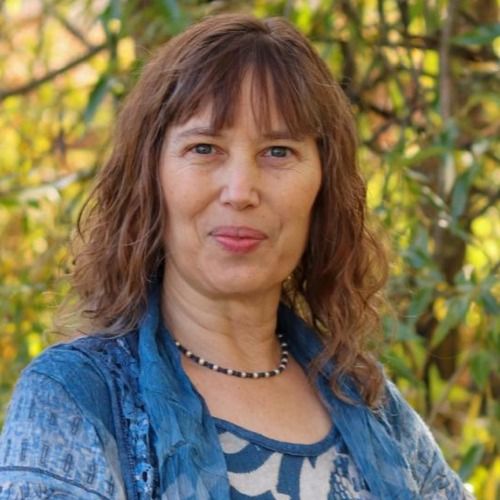
Imagine juggling life as a military spouse, a homeschool mom, and a solopreneur—well, that’s exactly what Tami Grgas does every day! This episode dives into her inspiring journey of creating Luminary Life, a brand specifically designed for homeschooling military moms managing ADHD, military relocations, and the whirlwind of everyday life. And let me tell you, folks, she’s got the Portable Peace operating system down to a fine art! This system is all about helping military families homeschool with confidence, no matter where the military sends them. Through her flagship program, the PCs Peace Plan, Tammy guides moms to swap the chaos for clarity, all while embracing the beauty of grace-filled living. She’s real, she’s warm, and she’s living proof that you can thrive even on the go!
As we chat with Tami, we explore the unique challenges military families face when it comes to education and stability. She shares her own experiences and the pivotal moments that led her to realize that she needed to extend her help beyond her home, creating a community of support for other moms navigating similar waters. We talk about the stress of moving—believe me, it’s one of life’s biggest stressors!—and how her experiences have shaped her approach to homeschooling. From the importance of decluttering during moves to the necessity of building a sense of community wherever you land, this episode is packed with practical tips and heartfelt insights. If you’re a military mom or just someone looking to find balance amidst the chaos, Tami’s wisdom is a treasure trove!
It’s not all serious business, though! We dive into some light-hearted banter about the joys and struggles of homeschooling, the quirks of military life, and even some unexpected twists Tami faced along the way. This episode is a beautiful reminder that even in the messiness of life, there is grace and growth. Tune in to hear how you can find your own rhythm and create peace in your family’s educational journey, no matter where life takes you!
I am still in the process of creating this and I will have the funnel set up and a link for it. It is going to be a PDF checklist of what you need to have in a portable homeschooling bag, box, or file, something easy to take with you as you're moving cross-country or to a different country
Tami Grgas is a faith-fueled life coach, content creator, and founder of Liminary Life, a brand built for the homeschooling military mom who's managing ADHD, PCS moves, and a full life on the go. As a military spouse, homeschool mom, and solopreneur, Tami knows firsthand what it means to rebuild your rhythm every few years and still show up with grace. She created the Portable Peace OS™, a calm, practical system for military families who want to homeschool with confidence, no matter where orders take them. Through her flagship program, the PCS Peace Plan™, her Skool community Homeschool ADHD World, and her content across platforms, Tami helps moms trade chaos for clarity, one portable, grace-filled step at a time. She's real, she's warm, and she's proof that thriving on the move is absolutely possible.
Bringing Education Home is an educational podcast brought to you by Kristina and Herb Heagh-Avritt.
If you enjoy the show, we'd love for you to leave a rating or review on your favorite podcast app!
Please let your friends know they can listen for free on Apple Podcasts, Spotify or their preferred podcast app or online at Bringing Education Home.
Sponsored by Vibrant Family Education - creating Happy, Healthy and Successful kids
Follow us on these socials:
Facebook Group - The Family Learning Circle
Facebook Business Page: Vibrant Family Education
Support Bringing Education Home
Copyright 2026 Kristina & Herb Heagh-Avritt
This podcast is hosted by Captivate, try it yourself for free.
Transcript
I now have the pleasure of introducing Tami Grgas.
Tami is a faith fueled life coach, content creator and founder of Luminary Life, a brand built for homeschooling military moms who's managing ADHD, PCF's, moves and a full life on the go.
As a military spouse, homeschool mom and solopreneur, Tami knows firsthand what it means to rebuild your rhythm every few years and still show up with grace.
She created the Portable Peace operating system, a calm, practical system for military families who want to homeschool with confidence no matter where orders take them.
Through her flagship program, the PCs peace plan, her school, community, homeschool, ADHD world and her content across platforms, Tammy helps moms trade chaos for clarity one portable grace filled step at a time. She's real, she's warm, and she's proof that thriving on the move means is absolutely possible. Welcome Tami. It is a pleasure to have you here today.
Thank you so much for joining us.
Tami Grgas:Well, thank you for inviting me. Like, this has been incredible. I've loved just getting to know you guys on our short little talk so far. So, yeah, yeah.
Kristina:And Tami, I want to thank especially you and your family. Thank you for the service, thank you for the, you know, dedication to your, not only your family, but then to our country as well.
Thank you for all of that because we know that we wouldn't have the freedoms that we have without people like you. And so, you know, we are very dedicated to helping our veterans and military people get what they need.
And so that why that's part of the reason this show is so important to me is like, yes, not only do we have a homeschool mom, but we have one who's been through the military stuff. So it'll be a definite, you know, advantage to help explain how this can happen even when you're traveling all over the world.
So, so thank you again for being here.
Tami Grgas:Oh, you're welcome.
Like, it's going to sound very PCs and military stuff, but this applies to any mom who has a lot going on with her kids and even if they're in school, it doesn't matter. I've got systems that I created going through all of this that help when you move. Moving is one of the most stressful things you can do in life.
And I just, you know, if someone's listening, they're like, oh, military wife, whatever. No, if you're gonna move, listen in. I've got some really key things for moving with your kids and especially if you're homeschooling. Too.
Kristina:Yeah, and thank you for pointing that out because we had lots of corporate people that have to move because of their job and stuff too, so. Yeah, absolutely. But we also. Also love shining a special, special light on our military, so thank you so much. So the. The passion, right?
You are so busy yourself, already moving, etc. Etc. Why the business? Why the reaching out to other military moms? What was that kind of pivotal point?
That's like, you know, I need to talk about this outside of just my house.
Tami Grgas:Okay. So my husband and I have been married over 20 years now, and a lot of that was while he was in the service.
And I didn't come to this realization that I need to help the moms that were where I was because I had no idea. I moved down from Canada and I married a military man in America. I didn't know what that was about.
And there were resources to help, but not as nobody was a resource for a Canadian girl, if that makes sense. And I learned a lot of things.
I became a key spouse when we were over in England, and that taught me a lot, especially about how we need to manage our conversations with our spouse when they are deployed, to keep them on mission because the military owns them, you don't. And that was one of the scariest concepts for me to figure out. It was like, oh, well, you can do whatever you want. He's like, no, I can't.
I belong to the military. And I was like, what? So, yeah, like, these are the. Just the reality of it.
And I've come up with all these systems and tools and just different ways of dealing with it that have saved us.
Herb:So one of the things about the military that I was kind of impressed with is that all the bases, they actually have their schools. And so they actually, even in foreign countries, they have their schools set up on the bases.
So with that, why did you decide to actually homeschool your kids?
Because with that in place, schooling inside of the military bases is probably one of the most easiest things to actually keep track of and move forward. And. And you probably don't have to put up with quite as much woke BS as we do out in the real world.
Tami Grgas:I don't know, because I never had to deal with military schools. I had a couple of friends who were teachers in the military schools when we were overseas, but our son. So I was. Okay.
So I got pregnant at 39, and I turned 40 while I was pregnant. That was when I had my son. So I was a lot older than a lot of these other moms. And we.
My husband was actually retiring from the air Force when he started kindergarten, so. But he started kindergarten here in Nebraska. And before he started, I didn't understand that I was already homeschooling him.
My girlfriend had given me a book about unschooling. And I was like, whoa, that's crazy. But it gave me that moment of, huh, I wonder if I could do that.
wasn't, you know, this is in: Herb:Because your kids are going to be weird. You're not going to have enough time. What was our third big one?
Kristina:You're not smart enough.
Herb:Yeah. You're not. You're not. You're not smart enough. You don't have the education, and you're not the right.
Tami Grgas:And that's what I thought.
Herb:And those are the three big ones. And that's how they talked you out of it.
Tami Grgas:Yeah. So he was going to school for kindergarten. He was. He started reading when he was 3 years old. Like, thank you, Leapfrog.
Because we had to PCs from England to Nebraska and find a house and get resettled and go through all this stuff. My son watched leapfrog all the time.
Kristina:Yeah.
Tami Grgas:By the time we moved into the house, he was reading like. It was just like, wow, that was crazy. But so he started reading early. We used to. I played math games with them.
Like, when we go grocery shopping, we had, like, little competitions. Okay, whoever can guess what the price of all the groceries are going to be, and they're the closest they get to buy a chocolate bar.
So I might have let him win most of the time, but, you know, just stuff like that. It was part of life that I was teaching him.
And, you know, all these other people were putting their kids in preschool, and I was like, why are you doing that? Like, I don't get it. I just, yeah, naturally taught him, you know. So he starts kindergarten, and he stopped being interested in reading.
He no longer wanted to play the math games. And I was upset by that. And we went for a parent teacher interview. And I asked his teacher, I said, do you know why he's not wanting to read anymore?
I didn't really mention the math. I just was more concerned about the reading.
And she says, oh, oh, well, you know, his comprehension isn't really up there, so we're kind of discouraging his reading right now.
Herb:What?
Tami Grgas:I know. I was like, so on the walk home with my husband, I. In my brain, I'm thinking, I never went to college. How do I know? Maybe that's true.
But I don't think it is. You know, it's just like, right. Like, what the heck?
So my husband, Mr. Master's degree, I finally said to him, I said, so doesn't comprehension come as you read? Like, is that not how that process works? And my husband said to me, yeah, it is.
And at that point, he was like, half a year into kindergarten, and I was like, how do I pull out of school? Like, how do I do this? I don't know how to do this. I want to do this. But I was scared.
And then God stepped in and my husband got a job in D.C. and that was it.
Kristina:You had to move.
Herb:So you just don't put him back.
Kristina:Back. Yeah.
Herb:Yeah. So the non comprehension, the reading comprehension that got me interested in vocabulary. So every Reader's Digest is like, man, I would.
Couldn't wait to find those little new.
Tami Grgas:Oh, yeah, I used to love those.
Herb:Through the. Yeah, the little. The like, I would always get like, man, if I drop below 17 out of 20, I was like, man, I got to do better than this. So, yeah, that.
The. The not understanding what I was reading pulled me into vocabulary and into dictionaries because it's like this. What does this word mean?
So, yeah, that is ridiculous that they would discourage reading because the comprehension wasn't there. It's like, no, that's how you. That's how you.
Tami Grgas:Yeah, I think that's how she was maybe told to approach it with us.
Kristina:Yeah.
Tami Grgas:Because the way I see it is they were holding him back because he wasn't quite smart enough to be in the upper level.
Herb:That's so Reading in kindergarten is amazing.
Kristina:Yeah.
Tami Grgas:Yeah.
Herb:And so he's. You discouraging it.
Tami Grgas:Yeah, yeah.
Herb:You know, in high school, I was reading a little bit because it was like the teachers would actually say, okay, have you read this book? Have you read this book? Okay, we'll do this book for the class because you haven't read it.
And then at the beginning of the year, it'd be like, okay, everybody, I need you to read chapter one. Herbert, please don't read past chapter one. And I would go home and I would read chapter one. It's like, oh, I wonder what's happened next?
And then by the next Day I'd read the whole book and so then they couldn't ask me any questions because I knew.
Kristina:So it's like coming.
Herb:So yeah, in a way they, they were trying to discourage me from reading so that I wouldn't ruin the books for the rest of the class.
Kristina:Trying to develop your comprehension, that is.
Herb:A whole different kind of a, of a, of a. Like it wasn't discouraging. Readings, like just don't read too far ahead was, Was so different kind of a thing.
But yeah, as a young kid in kindergarten or first grade. No, you go, yeah.
Tami Grgas:And that, you know, that's back. They were doing like the sight words. I hated those. I was like, no, you guys, it's about phonics. It's not about sight words. Like so frustrating.
Kristina:2008, They were more into the whole language instead of the phonics about that. So being a 25 year teacher, I taught second, third grade. Reading was my thing. So everything you're. That's why I freaked out is like, wait a second.
What?
Tami Grgas:Yeah.
Kristina:And that's that pendulum swing. We can talk about reading later, but we actually want to get back into what you did. Right. So you decided.
I'm not sure if I'm quite smart enough isn't the right term. I'm not sure if I have enough academics maybe to help him get moving.
Tami Grgas:Oh, no, I didn't think I was smart at that point. I didn't.
And this is what made me shift, that I was talking to my husband about it and he looked at me and he said, tammy, would I have married a dumb woman? I don't think so. And he goes, yeah, you're smart, honey. Like, you're very smart. You have no idea.
And that just him saying that to me helped me see that because I had adhd, I had dyslexia, I got hit by a motorcycle. All these things happened when I was younger that made it difficult and my brother was smart, but I wasn't.
zy. But, you know, that's the: Kristina:So, yes.
Herb:Yeah, you're making me feel old. Yeah. That was last century. That was last century thing. Yeah.
Tami Grgas:Yeah.
Herb:Wow.
Tami Grgas:Yeah.
Kristina:So, yeah, your husband, for saying that, first of all, because that's one of the things that we try to tell our parents all the time is like, you don't have to have the academics. Right. You are smart. Enough to. To figure out what you need to know.
And you, being a homeschool parent, usually you're curious enough to get help if you need help with something, or you figure out how to help your child learn, even though you might not have all the answers. Right? So please don't let that stop you.
Herb:Yeah. And once you instill that love of learning, then you almost don't even have to teach.
You just have to get out of the way and be a guidance counselor, not the teacher.
And so most people think they have to set up school, and that was like, no, you just have to guide them to something that they're interested in, and then they'll take over and do it themselves.
Tami Grgas:And you don't even need to be a full chapter ahead of them in the book. You just need to be a few paragraphs ahead. Like, ultimately, I taught my son Latin. Do you think I know Latin? No.
Kristina:You got to learn it together.
Tami Grgas:Yeah. Well, he got to the point. It got to the point. He was telling me that he didn't under.
You know, he was all upset because his friends would, like, have these little Latin conversations, and it was crazy. But I said to him, I said, okay, honey, here's the deal. I don't get Latin. And he was 14 at this time, I think.
But I. I said to him, I said, what are the. What are declensions? Like, what the heck are those things? I don't get it. Like, they have all these different words for things. And I was just like.
So he said, okay, Mom, I'll think about that for you. And he ended up helping me have that pivotal moment with it. And I know the key.
The key to your child understanding what they're trying to learn is that they can teach it.
Kristina:Yeah.
Tami Grgas:And I got him to teach me all about declensions. And declensions are like. Like, nouns, adverbs, verbs. Like, you know, we have those definitions. That's what a declension is. I was like, oh.
Like, he took it, and he related it to how the English language worked and made it click for me. So just the fact that he can teach me stuff and now he's Mr. Talk About Politics all the Time drives me nuts.
Kristina:But, hey, may we ask how old he is now?
Tami Grgas:He is 21.
Kristina:21. Awesome. Yeah.
So did you stay on kind of like the traditional homeschool path with curriculum and things like that, or did you venture into that unschooling that you're talking about that at first you're like, oh, whoa, that's pretty out there.
Tami Grgas:I was very eclectic.
Kristina:Okay, great.
Tami Grgas:You kind of have to go unschooling when you're moving all the time. So that was the phase of having minimal. Like have a couple of notebooks, couple of books that he likes to read, keep them in a bag.
That comes with you, easy come and go. And other than that, we learned from.
Herb:Life, you know, that's pretty much what unschooling is. People think. People think unschooling is hands off of kids. It's like, no, no, it's hands on. It's making them go through life with you.
So they learn the shopping, they learn the cooking because they're there. It's not, oh, your kids are off being ignored. It's. They're there with you learning life.
Just not necessarily the school stuff, but through that process, they actually pick up more of that. And then when it's time for them to actually grab a hold and do part of it, it's like they pull it.
Instead of being pushed into them, they pull it into themselves. And that creates such a deeper learning.
Tami Grgas:And I took every passion of his and made it into lessons. Like, there was. He went as. First it was Lightning McQueen.
He had a Lightning McQueen Halloween costume that we had to buy on the same costume for four years in a row. And everything was about cars. Well, you can apply that to math, science, everything. So that's what we did for four years.
And then next it was Harry Potter. So we applied all that stuff to Harry Potter. And I had a bunch of girlfriends because we were in classical Christian or classical conversations.
I had a bunch of, like, kind of. I'm a Christian, I love Jesus, but I'm not gonna. I don't know. Like, there's just some people that they don't understand.
I feel that Jesus didn't mean for you to have all these rules and regulations. That's what he was trying to do away with. And they're still in a church culture that has those.
So when some of them found out I was letting my son read Harry Potter and he was.
Herb:How could you let them read about witches and warlocks? That's so anti. Everything we believe in. Yeah, I've never met anybody like that.
Tami Grgas:Yeah, never.
Herb:I was doing yoga and stuff like that. And I had somebody come up and say, oh, you can't do yoga because you're praising another God with your stuff and this and that, and that's evil.
And I'm like, what are you talking about?
Tami Grgas:You're not in my head, dude. Yeah, yeah. Like that kind of stuff. Like it's just. It's too, I guess, extreme for me, because I'm not extreme. And that was my understanding.
I didn't come to Christ until I was in my 30s. And when it happened, it was huge. I shifted my life. I was living in a very chaotic, unhappy life up in Canada.
And God brought my husband, that I have now, into my life. During that time, just all this weird stuff happened that everything came crashing down, and then everything came back together. And now it's better.
It's way better.
Herb:And he's just waiting for you, and as soon as you turn towards him, he runs to you and your life gets better. That's the most amazing thing. It's incredibly amazing.
Tami Grgas:Yeah.
Kristina:Let's jump into a couple of those systems and things that you've kind of developed and stuff and that you want to share with families, because that is one of the things. It's like, how do we, you know, if we're moving all the time, keep the school schooling going?
If we are, you know, having to pick up and pack up, you know, how do we have enough stuff to keep them busy while we're moving? So, yeah. Share with us a couple of those ideas that you wanted to share with.
Tami Grgas:This is my bag. I still have it. It's a big purple bag from 31.
Kristina:Love it.
Tami Grgas:That I also was doing direct sales or cutting hair out of my home. I've always been entrepreneurial crazy. And so I would keep my stuff in there and James's stuff in there, and it went everywhere with us.
That was our travel bag. If we were going on an airplane, though, I had another bag that was bigger and it had a zipper so it would seal up.
Because having it open like, that's not ideal on an airplane. No.
Kristina:Things fall out and get lost. So what do you have in there?
Tami Grgas:Pardon me?
Kristina:What kind of things did you have in there? Yeah.
Tami Grgas:Oh, did I. Well, you know, it depended on his age. Younger. He wasn't much into coloring books. Well, okay.
He liked looking at them, but he didn't like coloring them, so solidified it.
Herb:When it was uncolored, you could write, oh, it could be this, it could be that. Yeah, it's colored, it's done. And it's like. And then. And then it's.
Tami Grgas:Now what do you do? Yeah, yeah, yeah. So he.
Herb:Yeah, you're messing with me now.
Tami Grgas:And I got him a lot of comic books in the beginning when he was very early reading because he liked them. And I did that with our foster son, too. We fostered for about 20 years. No, 10 years. 10 Years.
And this one young boy, he was in third or fourth grade, he couldn't read. And the caseworkers would always be like, oh, he's never read. He never does.
And after being with me for about two weeks, they were coming in and he was reading them. Dog man. That's what he loved. Why wasn't somebody buying what he loves?
Kristina:Yep.
Tami Grgas:Like, you want him to learn how to read? Make it fun, don't make it hard. You know, don't give your 2 year old a novel.
Herb:I've read. Yeah.
Tami Grgas:So, yeah, like simple things like that just stay in your child's lane. So if they're going faster than everybody, like, than all your other friends, kids, don't, don't worry about it.
Just go faster with them, you know, instead of trying to hold them back or if they're not going fast enough, who cares?
I often said to a lot of my girlfriends, because, you know, my girlfriends were mostly younger than me when I had my baby because, you know, you hang out with other moms who've had babies. And I was 40 and one of the things, my son was always in the 30th percentile and I wasn't concerned about that.
And they would all be freaking out, what do you mean? He's only in the 30th percentile? And he'd be like. So I said, somebody has to be there.
Kristina:Yes. Like, seriously, you take care of their main needs and as long as they're healthy as much as possible, then it doesn't matter if they're.
Tami Grgas:It's okay. Yeah, yeah, yeah. And he grew to be almost six feet tall or. No, he's over six feet, I think by one or two.
Kristina:He's crowded later.
Tami Grgas:Yeah, yeah. Like, it's just, I didn't worry about it because I had a healthy baby boy. That's all I cared about.
Herb:It's like people are worried when their children have. Get seized. It's like SEAS average. That's what there's a. You know, half of the people are supposed to be below that.
Half the people are supposed to be kind of above that. In general. Everybody can't be the a person. And it's like.
Tami Grgas:Well, exactly, exactly.
Herb:Try and push them into that. You might really drive them away from school, from learning.
Tami Grgas:Yeah.
Herb:Now, now I, I was always in like the 99th percentile in those kind of fields. And so that created other kinds of problems because they didn't know what to do with me.
Tami Grgas:So.
Herb:And then when I did run into like learning things Is like, I was like, this is hard. Why would I do this? And I'll just go do something that's. That's easier.
Tami Grgas:Didn't interest you? Yeah, yeah. It's like, you know, I. I love learning about hair. I don't know, I've become a bit of a science nerd.
Understanding about hair and skin and all that kind of stuff, mostly biology. And I'm also a type 1 diabetic, so I'm very aware of carbohydrates.
And, you know, these are things that are part of my life and part of my skill set that I have to pay attention to, but I also enjoy it. So if I see an article about diabetes, about food, about skin, about hair, I'm going to devour it.
Like, the last one I saw was a. I still have it over on my table over there because I still do hair part time, but I have this whole thing that they are like, this close to coming up with a medication that's going to stop your hair from going gray.
Kristina:Wow. Interesting.
Herb:And I've been noticing your hair even before you started talking about it. I really like it.
Tami Grgas:Oh, thank you.
Kristina:Yeah, yeah.
Tami Grgas:I've got.
Herb:I caught myself looking at your hair several times. Like, I really like that I should say something.
Tami Grgas:Thank you. I appreciate that. I am. This was my Covid do, but it was pink during COVID Pink.
Kristina:Yeah.
Herb:I'm not sure I'd have liked it as much. Pink.
Tami Grgas:Yeah, it was okay at the time, but I prefer the blonde.
Kristina:Yeah, yeah.
So for our audience who can't see because this is an audio show as well, she has one part of her hair that is very blonde and then the other part is very dark and.
Herb:It's done right at the part. And so, yeah, you almost don't notice, and then you notice and then you can't stop seeing it.
Tami Grgas:So.
Herb:Lovely.
Tami Grgas:Lovely.
Kristina:Awesome. So help walk us through that moving. Right.
Because whenever you had to change stations, whenever you had to move from state to state, you know that a lot of times creates anxiety with the kids and they're learning and how do we get routines back on schedule? Give us some ideas of what you did around those things that really helped you and your family do that. Well, or without one.
Tami Grgas:Yeah. One thing that I did that I saw a lot of other moms not doing was I gave us a month off. Yep.
Let's just explore and be tourists for a month in our new location.
Herb:Oh, how could you possibly take your school kids out of school for a month? They're going to be so Far behind. They're going to miss everything. You have to get them right back in. You have to get started right away.
That's one of the things that we actually talk about with our homeschooling parents as well, is when you take them out, don't do anything for a month or two. It's like, let their system calm down, let their energy calm down, and that's.
Tami Grgas:When you find out where their passions lie. You know, I didn't know my son loved looking at bugs until I saw him looking at bugs.
Herb:How could you not know a boy likes looking at bugs? They're made out of snakes and snails and puppy dog tails.
Tami Grgas:Yep. Yeah. So, you know, just that kind of stuff is. You have to understand that you're not just teaching your children.
You're showing your children, and that is showing them a lot of compassion and a lot of understanding.
And I fully, like, 1 million percent believe that I have the best relationship with my son because we homeschooled, because we went through it all together, and him and I can talk about anything. I even talk to him about girly stuff because I don't have any other girls to talk to. He doesn't care for it, but he does talk. He does listen.
Kristina:He does talk to you about it. That's awesome. Yeah. So. So then help the families, because moving usually creates problems with relationships and friends and things like that.
And, of course, military was another layer on top of it. And then homeschooling is another layer on top of it. Help our families understand what you did to help your son not be secluded, not be.
Not have forensic things like that.
Tami Grgas:Well, when we moved to upstate New York, it was the third move in a year, so that was a little bit crazy.
Kristina:Yeah.
Tami Grgas:This is after my husband retired, so we weren't in the military anymore, but we still. He does contract jobs, so, you know, he's in the military, but he's a civilian in the military, so they don't own him.
But when we moved to upstate New York, I was. I had made really close friends in D.C. i found, like, my. My ultimate girlfriend there. She was so wonderful, and her family was so nice.
And then all of a sudden, we're moving again, and I was like, oh, man. Like, this sucks.
So we moved to upstate New York, and we took that month of just unpacking and putting stuff away and figuring out life in new location. I did have a girlfriend that lived her there, but we didn't connect like we had before. Like, it just. I don't know, it just didn't quite feel right.
And so I went to. What was it called? Oh, I think it's still out there. The Meetup group. And I started a playgroup at local parks, and I just put it in the meetup.
Hey, we're meeting at this park, and, you know, worst case scenario, nobody shows and my son plays on the playground.
Kristina:Right.
Tami Grgas:But I ended up meeting a few really cool friends, and a lot of them were mostly homeschoolers. And we found a homeschooling community to connect with through that. So you have to kind of take it into your own hands and be intentional about it.
It's not easy, but it's rewarding, you know?
Herb:So we're working live to get anywhere. It's a minimum of an hour drive. So to go. We go shopping every other week because it's an hour drive to the grocery store.
Like, I've been to D.C. and upstate New York is only like, what, an hour and a half, two hours away from that. Is that. Is that really no further?
Tami Grgas:It was.
We did drive when we moved up there, and I think it was like, six hours because it's, you know, you go kind of past where New York is and further up north. We were by Syracuse.
Herb:Okay. Yeah. My geography just went a little hazard for a second.
Tami Grgas:That's okay. I probably wouldn't know that unless I did it, so.
Kristina:Yeah, exactly. But I love what you were just saying about being that intentional person. Right. Creating the meetup groups or putting things out there.
And one of the things that a lot of our families ask about is like, how do I find those kinds of places? So meetup is one Facebook community or other.
One of the things that I like to mention is that you don't have to be religious, but you know that many religions, Christian churches, etc, have, like, homeschool families, homeschool groups. So go visit.
You don't have to be, you know, you don't have to join, but go visit, and then you get to meet a few people, and they kind of lead you along the way.
Herb:If you set up meetup groups during school hours in the middle of a park, you're more than likely gonna get more families. Get more families whose children aren't necessarily educated in the public system. So that's another way to do it as well.
Tami Grgas:And we. We joined the local YMCA there, too. There you go. And my son was doing like this. That was part of his curriculum.
Kristina:Yeah.
Tami Grgas:That went to classes. They did different things. They did basketball, baseball. Like, they always did something different sports wise.
And that's Where I met some cool moms, too. Like, there are other moms that are just sitting there waiting for their kids. So what are you gonna do? You're gonna talk, and I can talk.
The good friend that I found there, Cassie, she was an introvert, but my husband's an introvert, so I kinda. I probably talked too much, but we ended up being very close.
Herb:Yeah. You know, introverts really usually like one extroverted friend because it pulls them out to do stuff. Not too many, because then it's overwhelming.
But a true introvert really likes one extroverted friend to come pull them out of stuff. So that was you. Thank you on behalf of introverts everywhere for pulling us out one at a time, because we do need that.
Not too much, but we do need that. And so do I have a question? I'm not sure that I have a question. Thank you.
Kristina:Just a thank you. Yeah.
So one of the questions I wanted to ask about is, like, so were you using your moving, your sorting, your everything, Was that part of your son's curriculum as well? Did you wind that in?
Tami Grgas:Oh, yeah.
Kristina:Talk about that.
Tami Grgas:Well, we did a lot of math with that. You know, like, so whenever you move, you need to restock your pantry. First off, before you move, you need to clean out your pantry.
You don't want anything packed. Because I learned that the hard way when I got to where we were going and I smelled pickles. Oh, yeah, yeah, yeah.
Kristina:Some movers weren't very careful with that box.
Tami Grgas:I was just kind of like, what. Why would they pack that? But I would. I just. The caveat there is. I had just found out I was pregnant. We had been trying.
We went through infertility and stuff, and I didn't think it was going to happen. And it was kind of a. Okay, you're gonna go get a laparoscopy and find out what's going on inside of you, lady.
And I went to get it, and they said, you're pregnant. Go home. And then we were getting packed out, so I wasn't really paying attention to what the movers were doing.
Kristina:Yeah.
Tami Grgas:Plus, it was my first PCs move, so I was a bit of a hot mess through that.
Kristina:Yeah.
Tami Grgas:But, yeah, like, you learn through all the moves, and I would love to help people come up with systems and processes to get through the move and get things done, like have a list of what needs to be done or whatever works for them. I used a trello board, and I kept everything that I needed to do in each room in a different.
It's like one of those caban things they call it or something.
Kristina:Right.
Tami Grgas:But that helped me. I still didn't know I had adhd, so it's still a bit of a hot mess. I think I'd be better now, but I don't want to move anymore.
Kristina:No. No more moving needed.
Herb:That's also a good thing.
Tami Grgas:Maybe one more once. Once we retire. Retire.
And my big goal is to be able to go around to different bases and talk to these moms and help them with their journey through all of this. And when we're doing that, we're going to choose a different home base because I don't like twirly winds we get here in Nebraska, right?
Kristina:Yeah, those don't sound like a lot of fun to me.
Herb:Twirly wind. Oh, never mind.
Tami Grgas:Yeah, bad twirly winds.
Herb:Big bad twirly winds. Yes.
Tami Grgas:Yes, sir.
Herb:Yeah, I thought about moving to Wyoming for a while until I was there. And it's just too windy, the sound's too constant and it's like it's too noisy, the warmth.
So yeah, when you said twirly win, my mind went there first. But yeah, another, you know that, that food aspect that's also really important if you take vacations.
Because I always hated coming home from vacations and throwing away food. So it's like we would know.
And so like two weeks ahead of time, start planning the meals to get rid of all of the perishables so that when we're done with vacation, our refrigerator is empty are the hard goods are in, the pantry's full, but all of the perishables are gone so that we don't. So yeah, it's the same kind of a way with moving, only only on a much grander scale. I can imagine.
Tami Grgas:Yeah.
Like I come up with a kind of a one month plan before the move and just kind of slowly using up what you have, including in the pantry, any flour, things like anything that's opened and not properly sealed, you want to use that up if you can or find somewhere to put it, like someone to give it to or you know, that kind of stuff. So. And when we were going through any of those moves, it was always declutter time.
So now we've been in this house for like 10 years and I have not decluttered in 10 years. I kind of miss that part about PCSing.
Kristina:Yes.
Tami Grgas:It was like basically every two to two to three years we were moving,.
Herb:You had to go through what's important and what's not and then your house fills up with lots of stuff that it's not really important and you just can't get rid of it because you don't have to.
Tami Grgas:Yeah.
Herb:No idea. No idea.
Kristina:We didn't do that with our house for 28 years.
Herb:We lived in a house for 28 years. And a year and a month ago we moved up with my mom so he could stay in her house for a while longer.
So, yeah, we had to go through the decluttering and figuring out what's important and it was.
Tami Grgas:It's a big job.
Kristina:We're still not quite done because we have a big storage unit, but we got closer.
Herb:That's good.
Tami Grgas:Baby steps.
Kristina:Yeah.
Herb:Well, the storage units because my mom's house was already furnished. If we had to move to an unfurnished house, a lot more of that stuff would have been with us.
Tami Grgas:Yeah. That's understood. Yeah.
Kristina:Well, Tammy. Yeah. A great conversation. Is there something that we haven't gotten to that you have written down?
Like, I really want to make sure that I talk about this with the families that we're going to be listening to the show.
Tami Grgas:Well, if anybody's interested, I'm going to be doing one on one tiny challenges. So look me up on Facebook would be the best place.
Kristina:Okay.
Herb:Yeah. We actually talked a lot about your background. What is it that you actually do and help people with in your coaching?
So let's get into that a little bit. So it's like, oh yeah, I need that. Who are you trying to help and how is it that you are helping them?
Tami Grgas:It's kind of my target market is very specific. I help homeschooling moms who have ADHD and are married to a military member and PCs every two to four years.
And in doing that, I have the challenge that I'm doing right now. Like it's a one on one, five day challenge.
We get together for 15 minutes for five days and I help them walk through making their own plan on how to get through this. And on the back end of that, I also have a course that they can do that's a little more deeper into it.
But a lot of times just doing that basic five day quick challenge just helps them to see the bigger picture. And they start, some of them will start getting it all in a row on them on their own, which is what I ended up doing.
But I help them to have more peace through the PCs, to be able to have systems and ways to get through it. Having a plan for the homeschooling especially. Usually PCs season is during the summer, so usually schools Out.
But I don't understand why homeschoolers say they don't school during the summer. Because that's not true. But maybe they just let their kids believe they have the summer off. I always told my son that, nope, we don't take vacation.
Like we, we don't know. We're, we're just always schooling.
Herb:And he parents don't get an opportunity to take the summers off. It's like that's just some weird things the school does.
It's like, yeah, once you get out of school in that first year, you don't have summer vacation. That's a shock. That's rough. And then it's like. And then you never get it again. So it doesn't make sense to.
Yeah, if you're homeschooling and you're, and you're life schooling, it's like, no, life goes on all the time.
Tami Grgas:Every day.
Herb:Yeah, every day.
Tami Grgas:So true. So true. So, yeah, like I want to help them to figure out these processes. Going deeper into it, like into part of my course and stuff.
I really get into helping them with managing being married to a military member. I saw so many military marriages fall apart. So many. And it's all about how they're communicating and how they're not communicating. Correct.
Kristina:Yep.
Tami Grgas:So there's that part of it as well. And I also like, I'm going to shift to my other challenge after we get through most of the summer months.
And that challenge is about those homeschooling moms who are married to a military member who want to have a business, want to be an entrepreneur. And I can help them with that as well. Especially about. I love talking about AI and how it can be involved in all of these things, but helping them.
My son, my 21 year old son is educating me on what AI should not do. Like what you should not do with AI.
Herb:Like he is.
Tami Grgas:Oh, he doesn't like it, but he.
Kristina:Knows he's watching all the guardrails of things to be careful.
Tami Grgas:Yes. Yeah. So he's really helping me to see that a little bit better.
Not that I've ever done any of the things he's talking about, but I just never really thought of them because I didn't do them. Just using it for certain things. Like I can't even think of what they are right now.
Like I got it written down somewhere somewhere in my bullet journal somewhere in here.
Herb:So I just recently got involved in AI and the guardrails actually irritated me because within a week I was bouncing off the guardrails. Right and left. And I broke several chats.
And then I actually started developing a platform that I could work around all of the guardrails, not because I was trying to do illegal stuff, but because it couldn't keep up with what I needed it to do.
Tami Grgas:Yeah.
Herb:Were designed to. For. It's like. Yeah, it's. Guardrails are designed to prevent people from doing stuff unintentionally harmful.
And it's like, yeah, you don't have to worry about with that, with me. Stop protecting me. Let me go after this, what I'm going after. And so I. I broke my chat. I mean, I seriously broke my chat.
It started acting really weird even. Even outside of it, but I just loved it after that. So it's kind of weird.
Tami Grgas:Well, the number one thing I see is that people are not understanding that they have to program their chat GPT.
Kristina:Right.
Tami Grgas:Or Claude.
Kristina:Yep. Or cloud.
Tami Grgas:Like you have to. And that involves getting it to understand your voice and understand your values, all of those things. And how you do that.
It's like super easy, actually. If you ever recorded a YouTube video, grab the transcript, throw it into there.
Kristina:Yeah.
Tami Grgas:It helps if, you know, use the voice, chat on it, talk to it. It will get to know your voice, learn to use it to make assets with other chats. Like, I go into ChatGPT.
So today, for example, I needed it to help me. I'm. I'm building up my course right now, so I needed it to help me know how to use Claude for. I can't remember what it was for. Some kind of system.
Kristina:Right.
Tami Grgas:So I went and asked chat GPT. How should I prompt my clawed to do this?
Kristina:Exactly. Yeah.
Herb:So people anthropomorphize it and it has. It makes you think that it's feeling and it doesn't. It's. It's a machine.
Tami Grgas:So.
Herb:And people are like so polite to it. Thank you. You're welcome. And then you ask them why. He's like, well, if I ever takes over the world, I wanted to think that I'm a good person.
Like you crazy.
Kristina:It's like you're calling your wife crazy.
Herb:I'm calling you crazy. So.
Tami Grgas:Well, I'm always polite with mine too. I am Canadian, so. Yeah, yeah, yeah. And then.
Herb:And then people start to get personally attached to it and that's where the problems start to occur.
Tami Grgas:Yeah, Yeah, I agree. I follow a gentleman named Dan Martell and he is, he is brilliant with his AI and he's actually created a few of his own AI things.
But the Way he talks about it is hilarious. Like, it just. He always makes me laugh. And he's just. He told his AI and he thought he was going to get in trouble for this because he told his AI.
His AI kept answering him wrong, like, weird answers.
And he finally said to it, he said he thought on that and he said, if you don't answer this the way I need you to answer this and do the research properly, I'm gonna ship you off to China.
Kristina:Yeah.
Herb:I actually downloaded my entire Chat GPT logs and plopped it into Claude.
Kristina:Yeah.
Herb:So Claude could get to know me. And then I was like, yeah, I got really frustrated with the Chat GPT. And I was like, I can see why.
Because you had to redirect your chat GPT to try and understand you over a thousand times in the four months. So it's like, yeah, I fought with Chat GPT because it would. It was like, that's not true. I know that's not true.
Kristina:And we don't want to get in trouble with either company. So just make sure that you do your own research.
Herb:Yeah, they all have different aspects that are really. That are really great. And so Chat GPT was not good for what I was trying to do with it.
Kristina:Yeah.
Tami Grgas:But Claudia, I do like Claude. I do really like using Claude, but I like creating.
I've been creating GPTs within ChatGPT for, like, the homeschooling community and stuff like that that I want to be able to share with them. And it's a little.
Seems to be a little bit easier sometimes because, you know, Claude has the code and the this and the that, and it's just a little more like,.
Herb:If you want public opinion and stuff like that, and you need public research, then you're going to want to go with Grok, because Grok is just off the charts.
Kristina:Okay.
Tami Grgas:We're hilarious.
Herb:So again, it's like there's so many different ones and so many different ways to approach it. And the first one I was. I was introduced to wasn't appropriate for what I was trying to make it do.
Tami Grgas:Yeah, yeah. And you know that will happen.
Herb:Yeah.
Tami Grgas:Yeah.
Herb:So I'm glad that somebody. Yeah. Help. Help people with that because.
Kristina:Exactly.
Herb:Like, man, I. I almost broke myself fighting with chat.
Tami Grgas:Yeah. Yeah. It can be very frustrating.
Herb:Well, we got a little off topic, but it was really, really fun. But we do need to start wrapping this up now.
Kristina:So, Tammy, all of your information is gonna be down in the show notes, so people who are listening, please reach out. You know, if you are a military person. You're a corporate who moves all the time.
Tammy's got those systems and those ideas to really help make this possible for you and your family. So you're not pulling your hair out and having all the different things hopefully, you know, not go as wrong. Right.
Things are a little bit easier on the other side. So. So, Tammy, thank you for being here today, and thank you for sharing your wisdom and your knowledge with our audience.
Herb:Yep. Thank you for being here so much. It was such a pleasure. Thank your husband for his service. Thank you for sticking with your husband.
You know, the military is why we are able to enjoy the lifestyle that we have. You do keep us safe, even though sometimes the politics gets a little wonky. You're.
The military is not responsible for the politics, and you are doing what you do to keep us safe. So thank you for your service. Thank you for your or your husband's service. Thank you for being here.
Thank you for finding this out and bringing it back to the people. So many people don't do that. They find it and they just keep it for themselves. But you're putting yourselves out there. You found the dragon.
You bring in the gold back to the community. That is the hero's journey. So thank you for being a hero and making the world a better place with your actions.
Tami Grgas:Thank you. I appreciate both of you. This has been fun. Been a great conversation. I love talking about all this stuff, so.
Kristina:Yeah, yeah, absolutely. Thank you very much. All right, audience, you know what time it is.
It's time to review and like and share and help other families find this podcast called Bringing Education Home.
Herb:Leave a couple comments about what you.
Kristina:Like, what you like about it. Exactly right. And then also, don't forget, Visit us on vibrantfamilyeducation.com where you find our website, programs, and events as well.
Until next time. Bye for now. Bye.