Episode 70
S2EP70-Susan Finazzo-From Bump to Baby: Navigating Parenthood with a Doula's Wisdom!
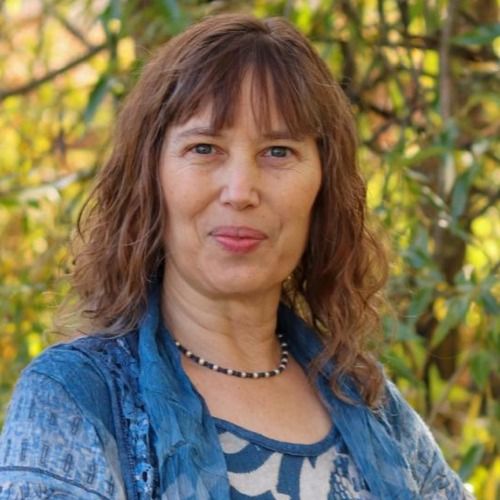
Say hello to Susan Finazzo, the fabulous founder of My Baby Lady and a powerhouse in the world of childbirth education! We’re diving into a delightful and informative dialogue about the art and science of birthing babies and nurturing families. Susan’s journey is a heartwarming tale of personal experience and professional passion. After facing her own birth trauma, she transformed that pain into purpose, becoming a doula and childbirth educator to help others navigate the sometimes murky waters of pregnancy and childbirth.
Throughout our conversation, Susan shares how she blends evidence-based education with real-life experiences to empower families. She believes that every family deserves the tools, language, and support to make informed decisions that lead to healthier outcomes. We discuss the critical importance of education starting at home and how her work aims to reduce preventable birth trauma, especially within marginalized communities. The warmth in her voice and the passion behind her mission are palpable as she encourages parents to become their own advocates in the healthcare system.
As we explore various themes, from the significance of community support to the challenges of postpartum care, Susan’s insights shine a light on the power of informed decision-making. This episode is not just about childbirth; it’s about building a supportive community where families can thrive. So grab your favorite beverage, get cozy, and join us for a lively chat filled with laughter, wisdom, and a sprinkle of heartfelt stories! Let’s make the journey of parenthood a little brighter together!
A gift from our Guest: $250 discount on my virtual doula package to anyone who mentions the code: MLB250. This will be valid for use through 12/2026.
I’m Susan Finazzo—childbirth educator, virtual doula, and founder of My Baby Lady. I believe education begins at home, and for families, that starts long before a baby arrives. I teach parents how birth works, how to ask better questions, and how to advocate for safe, respectful care—because confident parents make healthier choices. My work blends evidence-based education, real-life experience, and trauma-informed support to help families feel prepared, not panicked. I’m passionate about reducing preventable birth trauma, improving outcomes (especially for Black and Brown moms), and building community so no parent feels alone. Whether we’re talking pregnancy, birth, postpartum, or parenting with a past, my goal is simple: give families the tools, language, and support they deserve—right where life is happening.
Bringing Education Home is an educational podcast brought to you by Kristina and Herb Heagh-Avritt.
If you enjoy the show, we'd love for you to leave a rating or review on your favorite podcast app!
Please let your friends know they can listen for free on Apple Podcasts, Spotify or their preferred podcast app or online at Bringing Education Home.
Sponsored by Vibrant Family Education - creating Happy, Healthy and Successful kids
Follow us on these socials:
Facebook Group - The Family Learning Circle
Facebook Business Page: Vibrant Family Education
Support Bringing Education Home
Copyright 2026 Kristina & Herb Heagh-Avritt
This podcast is hosted by Captivate, try it yourself for free.
Transcript
I now have the pleasure of introducing Susan Finazzo. Susan is a childbirth educator and doula and founder of My Baby Lady.
She believes education begins at home and for families that starts long before a baby arrives.
She teaches parents how birth works, how to ask better questions, and how to advocate for safe, respectful care because confident parents make healthier choices. My work blends evidence based education, real life experience and trauma informed support to help families feel prepared, not panicked.
She's passionate about reducing preventable birth trauma, improving outcomes, especially for black and brown moms, and building community so no parent feels alone. Whether we're talking about pregnancy, birth, postpartum, or parenting with the past.
Her goal is simple and give families the tools, language and support they deserve. Right where life is happening. Welcome, Susan. It is a pleasure to have you here today. I am really looking forward to this conversation.
Thank you for being here.
Susan Finazzo:Thank you so much for having me. I am very excited to be here today.
Kristina:Yes, thank you, Susan, for being here. You know, we do focus on the family and education.
And so many people, like you said in your bio, think about education when the children get older, right. When they start being toddlers or whatever. And truly we need to talk about this way before that.
Susan Finazzo:Right.
Kristina:Because it really does make a difference. I know that when I was going through my pregnancies, I wish I would have known a lot more about what was happening and how things could have.
Could have been compared to the way they are now. So thank you again for being here.
Susan Finazzo:My pleasure.
Kristina:Yeah, let's talk about that very first kind of moment, that pivotal spot where you're like, you know, what I want to do more around childbirth or I want to become a doula, or what was it that changed in your life or what happened with you that made this so important to get the message out and help families more?
Susan Finazzo:Well, you know, there's actually kind of a two, two step to this story because I did have a birth trauma with my second child, but I actually suppressed that. I believed that that was what birth was supposed to be. And we just suffered what we suffered and we moved on with it.
I became a doula after working for a local pregnancy center as a crisis counselor.
And it was in my role as a crisis counselor that I just developed a passion for women, specifically pregnant women, not realizing at the time that there was something deep rooted in me that was bringing me into that direction.
And it was when I actually had my very first client who ultimately had a second C section, she had hired a doula hoping to avoid a second C section and we did everything that we could to try to get her body to do what it was supposed to do. But in the end, she just didn't dilate and ended up having that second C section.
But she was so grateful for the comfort and the support and for the awareness and knowing what she was walking into as it was happening. And it was a few weeks after she had had her baby. She had come from Puerto Rico, so she was by herself. Her family was. She had a family with her.
And so it was a few weeks later, her mom had made it to the States and I ran into them in town. And when she told her mom who I was, her mom came up to me, gave me a big hug, and thanked me for being there for her baby when she couldn't be.
And that was really like the, the grounding point for me that I knew that this is what I was supposed to be doing, that I was, I wasn't just, you know, making a difference in one person's life, you know, I was making a difference, you know, in, in multiple people in a family's lives.
Kristina:Oh, absolutely. Perfect. Yeah. And that, yeah, if you think about that ripple effect out. Right.
How, how not only the mom and the baby, but then like, yeah, the mom of the mom. And. Yeah, like you were just saying. Wow.
So let's clarify really quickly that word doula, just because there's different people using it kind of different ways, and we just want to know where you're coming from with that name and that, that title.
Susan Finazzo:Sure, absolutely. So, so the, the term doula itself comes from a Hebrew word that actually translates servant. And so we can serve in so many different ways.
As, you know, some people serve as death doulas. I serve as a birth and a postpartum doula. So my role as a doula is to serve moms in the best ways that they need to be served.
So it's very individualized, the care that I give.
Herb:So at what point in the pregnancy do moms usually reach out to you or do you start working with them?
Susan Finazzo:So ideally, I like to start working with clients very early in their pregnancy, especially if it's a first time mom, if it's a second or third pregnancy, maybe by 20, 24 weeks, I'd really like to start getting to know them and establishing a relationship. It's funny you asked me this. I got a text message today from somebody asking about my virtual doula. So support.
And I sent them what, you know, what my, what my cost is for virtual doula support along with what is included in all of that? And the response I got was, well, can you just offer birth labor and birth support?
Can you give me just a package for just that, you know, not the three visits that come beforehand, the practice labor sessions, the after birth career. And so I put together, you know, something that I'm going to keep in my file.
But a very, a very hopefully eloquent response explaining while I understand how she might want somebody, you know, just for that time, because that's the scariest time, I can't do my job effectively if I just show up in labor. I need an opportunity to develop a relationship. I need to understand her likes and dislikes.
Her personality is very much, you know, it's very much a relationship that's formed in order to do the work of a doula effectively.
Kristina:Absolutely. Oh my gosh. And that's, you know, because a doula is kind of like a coach. You're there supporting, etc.
And it's like in any coach, right, if you don't get to know the person, their likes and dislikes, you can't learn how to help them best or how to steer them in the ways, especially in stress times, you can't just jump in at that point.
Susan Finazzo:Exactly.
Herb:Somebody there for just the birth. It's like just hire a nurse or somebody to show up. Right. Then it's like. And then there's somebody there to hold your hand at least.
So how is, how is being there just for that amount of, for that time going to be helpful? It's like I, I don't see that there would be no trust there. There would be. Yeah, it would be very.
Susan Finazzo:Exactly, exactly. A big part of it. You know, I, I consider it an honor and a privilege to be invited into the birth space.
You know, it's, it's not a place where you would, you know, it's, it's, it's. It's a place where the people that are around you have to be people that you trust.
You know, we go into a hospital, we go into that medical setting, even though we might not know them, we come in with an understanding that they're medical professionals and so we trust them because of their training and their education.
Kristina:Exactly. Yeah. Yeah, yeah. And you know.
Yeah, because you rarely get the doctor that you've been seeing your whole pregnancy because they're usually not on call and.
Susan Finazzo:That's almost an impossibility anymore. I just, I just, I just had a new client that I brought in, a local in person client. So I do take clients in person. Clients.
Yeah, I, I strictly work with Medicaid here locally for clients. And then if I'm going to expound on that, I'm.
I pivoting to doing that virtual, that virtual doula care in order to reach people who may not otherwise have an opportunity.
Kristina:Right.
Susan Finazzo:To have a doula, you know, and, and, and I lost my train of thought.
Herb:So what is it that you do for the expectant mother when you start working with them? The. You said the earlier the better, the, the earliest you can. What is it that you do for them? How do you prepare them?
What are the steps that you take them through?
Susan Finazzo:Well, the very first time that I meet with the mom, it's really just to kind of hear her story because, because I don't just work with first time moms. I do have a lot of, you know, repeat moms who have had a traumatic experience in the past.
And the reason why they're reaching out for doula support now is because they want a different experience, they want a more positive experience. This a lot of times I get moms that they're on a second marriage and it might be their third or fourth baby, but it's dad's first baby.
So I get the opportunity to help new dads find their role and where they're going to best be able to support their partner throughout the pregnancy, the labor and the birthing experience. So the first appointment is really about getting to know, getting to know them.
And the earlier we, the earlier I get, the earlier we connect, the more opportunities we have to do that. So we can space that out and we can meet like once a month for the first couple of months.
And then just like with any other provider, the closer you get, the more often you check in.
Herb:What are you working on? Is it like diet? Are you talking changes?
Susan Finazzo:It's very, it's very individualized. So it really depends. It really depends on the client. So, you know, my la. I had two clients actually back to back.
Well, almost at the same time, but back to back. And they were both previous gastric bypass patients.
And so their care was a very, was a little bit more unique than some of the other patients that other, other clients that I've had in the past.
So we worked a lot on diet, exercise, lifestyle, making sure that things stayed in place throughout pregnancy and postpartum, making sure that we had all of the resources that are available. And that's for everybody, not just for those two particular clients.
We're very fortunate where I live in my county, that we have the Healthy Families program. And so moms that are truly wanting to have that support are capable of signing up and getting that support here in our county, where they will have.
They can have a mentor that can actually stay with them through the first five years of their child's life. Wow.
Kristina:Remind us where you're living so that other people can either, if they're close by, find that or try to find a similar program in their area.
Susan Finazzo:Yeah. And I actually just, just today in my research, found a resource place, a resource where I can actually pull that out.
And so if somebody calls me and asks me, I find out if they're where they are, what state they're in, I can plug in, and I can plug in their zip code and find out if they offer this there. They're not in every state, so I don't know exactly every place that offers it, But I'm in St. Lucie County, Florida. Okay. And we have it in our.
In the, in on the entire Treasure Coast. So we have Indian River County, St. Lucie county, and Martin County.
All three counties offer healthy families programs where new parents can plug in and get all different types of support through pregnancy. They can get dietitian support, they can get mentor support.
And like I said, they can even have somebody that can work with them and know that there's going to be somebody to guide them in making good, advocated decisions for their child right up until their child enters the school system. Very, very cool.
Herb:Wow.
Kristina:I love hearing these newer programs that are coming out that are helping families so, so much. Because it's one of those spaces that has been very lacking for a long, long time.
Susan Finazzo:Very lacking for a very long time. And, I mean, we could have a whole conversation about mental health and, you know, pregnancy and postpartum. That.
That all by itself is another issue that, you know, I got people that I work with on the, on the outside that I'm trying to make sure that I can stay connected with so that when I do encounter potential clients, they. I can plug them in wherever it is that they happen to be.
So the virtual space is something that I'm really navigating and trying to get a hold of as a childbirth educator and as a doula, because that's also the, you know, the telemed space.
Kristina:Yes.
Susan Finazzo:And so if we can get people to get the care that they need, because they're in a location where there's lots of areas where there aren't really good hospitals or birthing centers or even good specialists, women who might need a specialist through their pregnancy, some of them there's not one that's more than two hours away.
And so even if I might not be a specialist or another doula might not be a specialist, but just knowing that you have somebody that you can connect to on a regular basis during your pregnancy who has the ability to find resources for you, I mean it can be life giving.
Herb:Yeah.
So another, another battle that you're, you're fighting is also that the last brain changes that start to bring wisdom into a person's life happen around 25. So before they turn 25, if they're pregnant, they got it, they're going to be able to do it. They're not going to listen. So there is that age gap.
So how do you reach? Because I'm sure you, the people over, over the age of 25 are a lot more easy deal with.
How do you start reaching out that younger generation that actually needs the help but don't really have the capacity or the understanding to realize that how to reach out and that they need it?
Susan Finazzo:Well, that's one of the reasons why the community programs are so important.
So when, when a new mom or you know, a pregnant woman goes into one of the clinics or the doctor's offices here in our, in our area, there is a plethora of resources available to them in the waiting room. So you're right though. The younger moms don't necessarily take advantage of that material that's in front of them.
And I, I do notice a very big difference between a 25 year old mom and a 35 year old mom.
Herb:Yeah.
Susan Finazzo:And yes, it can be challenging.
Kristina:Life experiences alone in those 10 years is major.
Susan Finazzo:So what I do is I offer as a, as a doula and as a child. Well, as a doula, my package automatically includes everything. It includes the childbirth education and it's non negotiable.
So if you bring me on board, unless you've had five kids, you know, and you're with the same partner and you know, it's just a routine, you're going to do it again, you know. Okay, we can probably skip the education, but like I took on a client today, it's actually her fourth baby, but she hasn't had a baby for 15 years.
Her youngest is 15 and it's her husband's first baby. Okay. So we're gonna do the whole class. You know, it's six hours of comprehensive education.
But I have had first time dads before who have just been over the moon with gratitude after taking the class because now they actually have tangible things that they can Latch onto to help mom during labor and delivery, rather than thinking, you know, what am I going to do? Boil water? That's what the.
Kristina:Yeah, right. The old boil the water. And that was actually going to be my next question.
You know, a lot has changed, especially since I had my boys over 30 years ago.
Herb:And I was there. I was there. I was in there. I was helping. She lost it a couple of times. I held her together. So tell on me. Oh, absolutely.
Our second one was a lot easier because she went in and said, okay, give me a epidural. And they said, okay, push, and poof, out came the kid. So it was like 10 minutes.
Kristina:Thanks, babe. Thanks for sharing that story.
Susan Finazzo:Yeah.
Kristina:But, yeah, what have you seen change and. And things?
Because we have very young friends who just had their first baby, like, two weeks ago, and the experience that they shared online through pictures and Facebook and stuff, because they worked with a private coach. Right. Kind of like what I'm expecting. You do.
And they were showing times when they had the ultrasound and when they had the classes, and then they were talking about how they were getting ready and everything. And then the whole experience was just so different in their home than what I experienced.
Tell me about some of the changes that have happened recently.
Susan Finazzo:Well, changes. I wouldn't say that any changes have happened recently. The changes that have happened have happened very slowly over the last 20 years. Okay.
One of the most notable changes that I would have to say that when it comes to childbirth is that the episiotomy is not normally a routine.
Kristina:Process.
Susan Finazzo:It's not normally a routine procedure. Okay.
20 Years ago, it was pretty much guaranteed unless you were very, very specific and aggressive in making it known that you did not want that to be a possible procedure. It was almost automatic. So that's probably.
Herb:Yeah, that shocked me. I know what that is. I don't want to know what that is.
Kristina:So we don't have to go in details.
Susan Finazzo:Yeah, we don't have to go into details, but that's a. That's a big one.
Herb:Don't look that up.
Susan Finazzo:The next thing I would have to say as notable changes over the years is that the hospitals have. Have become a lot more friendly to moms being able to have a say in their care.
So when moms come in informed with their birth plan and explain that they have things that they want to have a certain way, if possible, because we have to be reasonable. We know that, you know, a medical condition can change anything in a minute.
Kristina:Yep.
Susan Finazzo:But as long as everything is going, you know, normal and without medical need for medical intervention. For the most part, hospitals have been pretty good about letting moms labor and let. Letting her labor on her own.
And they let her, you know, she's allowed to eat. I mean, that's another big one. Ten, 20 years ago, you could not eat when you were in labor, and now they pretty much will let you. They'll let.
They'll let you eat unless. Unless you're on medications or on an epidural.
You know, that's different because once medical intervention takes place, you know, all the rules change. But if you're able to avoid medical intervention, they do work with you to try to help you achieve that.
Kristina:Nice. That's good to know. Yeah.
And is it a trend that you're seeing that more people are choosing to birth at home, or is that just something I'm noticing because of the people I'm around?
Susan Finazzo:You know, the data doesn't show that we're experiencing more home births the way that I thought we were experiencing more home births. I've actually had a major decline here locally because as a side job, I work as a midwife assistant. There you go. One of our local midwife.
We have a mother, daughter team of midwives here in town. And so she.
They actually have a few of us on standby so that if they can't reach somebody, there's a couple of us that they can call so that they can make sure they've got somebody to show up for a birth.
But they've actually, they used to be individual and they've joined together, They've formed a practice together because the need has not been as great. Okay. So locally I've noticed that, but I don't think, like, the trends, if you look at the numbers, there hasn't really been much up or down. Yeah.
Home births have pretty much stayed the same. I would love to see more women be, you know, be open to talking about having home births or birthing center births or less medicalized births.
You know, a medicalized birth is, you know, very, you know, very practical for somebody who has complications or, you know, has risk factors.
But for a young, A young woman having a baby with no risk factors, medicalizing it is one of the reasons why we end up with trauma in the first place. Yeah.
Kristina:And that's one of the reasons why I wanted you on this show.
Susan Finazzo:Right.
Kristina:Because we want to get that message out there to all the different families, like, look at your choices and be empowered in those choices, see what's possible for you. And like you said, if there's no risk factors, no potential, you know, no real complications expected. Choose healthy, happy places to do this. That.
Yeah. Reduces traumas. Yeah, I know. Our first boy. Unfortunately, it was. It was a trauma. It was a trauma. Pregnancy and delivery. So. Yeah.
Susan Finazzo:And. And that's. It's not uncommon. Nearly 40% of women report their birthing experience as traumatic. And that number just shocked me. I mean, that really.
That number just. Just was what made me say something has to be done about this. And there's.
Herb:There's so much more information out there now about caring for yourself and preparing for all of that to make that more easy and natural. None of that was out there when, you know, 35 years ago when we started. So very, very little. So it was like.
And I was very frustrated with the way the doctors handled stuff back then because it's like I was trying to get information they. They just. They didn't care about. There was just a body there. There wasn't a person there. It felt like so.
Susan Finazzo:Well, in the very beginning stages of medicalizing birth, the hospitals removed the father from the room altogether.
Kristina:Yeah.
Susan Finazzo:To make birth easier and quicker and more streamlined, they eliminated the partner. That was when they were, you know, medical medicating mom, putting her to sleep so she didn't have to remember the procedure. Right.
You know, and it was only because.
Only because that ended up having more complications in the long run for moms and babies that that ultimately changed, you know, and that's when the epidural became the standard of care when it came to pain medication for childbirth. And the statistics say that 75 to 80% of women have an epidural whether they planned on having one or not. Wow.
Kristina:That's a lot.
Susan Finazzo:That's a lot. That's a lot.
Kristina:So if a parent.
If a young couple came to you and said, we're three thinking about probably having a baby, and is there something that you would even do before they get pregnant to maybe help them out a little bit or a way to steer them into making great choices?
Susan Finazzo:Absolutely.
So one of the things that got me really rooted into this journey was when I was doing childbirth education for the pregnancy center, and I learned that.
I learned what a doula was, and I found a book that was called the Baby Planner, and I actually discovered an online university, the Baby Planner University. Oh. And so I became certified as a baby planner through the Baby Planner University. Yes, there is.
There is a lot of things that I could do working alongside a couple if they're planning a pregnancy. As far as just walking alongside Them and making sure that they are educated in the things that they need to be aware of.
I have financial people that I can put them in touch with and I have, you know, other wellness, other wellness people.
We talk about a lot of the prep work to do, not just physically, but mentally as well as, you know, walk through them once, you know, once they get that positive test and make sure that they've got somebody there supporting and cheering them on, that they're doing all the right things as they go forward.
Kristina:I love that. Now let's jump to after. Why does your, why does your quote unquote job not end at delivery? Why, why that postpartum?
Why that extended work with the couple a little bit?
Susan Finazzo:So especially with a first time baby, you're not just birthing a baby, you're birthing a family. And this is a new role for everybody.
And then if you're looking at a family that already exists and you're looking at the second, third or even fourth baby, you're looking at a lot of changes and a lot of, of of shifting of schedules for new moms, especially if there's those children are younger. I've had a lot of moms that are having baby number three and baby number two and baby number one and baby number two aren't even in school yet.
And you know, moms, a lot of people don't realize, you know, there is sleep deprivation is real after you've had a baby. And there are a lot of things that we were expected, Christina, to do in our generation, we were just expected to do.
And that's not the way that it should be. You know, we, we, we should be supported. We have a right to that support.
And then when, when we had the community working with us, like with the healthy families and the advocates and the mentors, we're not only strengthening people, we're bringing strong, supportive families into the community.
And that's what we want to do because we want to be able to bring these people into the community so that they can work to help support other people in the community.
Kristina:Yeah, and that's so important. The Byron family is all about that, that healthy, strong family based from the bottom, all the way up as we go. Yeah, yeah, yeah.
I remember with my second child insurance and everything, they're like, oh cool, easy delivery. You're going home this afternoon. I'm like, excuse me, I have an 18 month old at home. I am extremely tired. I don't want to go home right now.
We had to fight the insurance to let me stay A second night is like, oh please, yeah, one more night.
Susan Finazzo:Yeah. And that's the reality, you know, and, and, and I also, as, as hard as it seems to me, I, I, I, I, I have had several single moms recently too.
Those are usually the younger moms, but they, they don't have any body.
You know, I've worked, I've worked with some, some, some young men who are becoming dads that aren't in relationships with the mothers of their children. So there's been lots of navigating.
And so after that baby is born, now there's co parenting that has to take place where a relationship, you know, so you're dealing with totally different dynamics.
You know, a relationship, you know, a marriage, bringing a new baby in, that's, you know, those dynamics are very different than two people who aren't in a relationship who are trying to co parent a child. So I, I've, I've had different times where I've worked with the, the fathers even more so than with the new mothers.
Kristina:And that totally makes sense.
Susan Finazzo:Yeah.
Kristina:The way, the way unfortunately society is right now, that, that happens more often than not. Right. I mean, there was a reason for the stability of marriage before family and yeah, and that's, the conservative in me is showing right now.
But, you know, we want to just support everybody, you know.
Susan Finazzo:Well, absolutely, absolutely.
And, and ideally, what I go into, when I go into, I go into a family setting, you know, it's a couple who want to do the best that they can to bring, to bring their child into the world. They want to be supported and they want to be educated. They want to have that voice for themselves.
And what they're doing is they're, they're learning how to teach their children by learning how to advocate for themselves.
Kristina:Absolutely, yeah.
Susan Finazzo:Because once that baby is born, once that baby is born, they have a responsibility for another life.
And if they can learn how to advocate for themselves and be educated in what's coming in their lives and their health, their physical health, their mental health, their financial health, then they can be the best teachers to educate their children as their children are growing up.
Kristina:Yeah, absolutely. And we talk about that quite a bit with our parents and families about being role models. Right.
And you be a role model by doing it first yourself and then sharing and explaining with your children so that they understand what this is all about.
Susan Finazzo:Exactly, exactly.
Herb:You know, one thing I was kind of weird that I was thinking is like they might not have a relationship to start co parenting and that might actually be a good thing. Because sometimes having a relationship and then getting a divorce, that co parenting is a lot, lot harder.
So coming at it with two people who actually are looking at it from the baby's perspective, who want the best for their child even though they don't have a relationship, that. That might be actually a smoother entry into co parenting than. Than what a lot of. Of divorce parents have to go through.
Susan Finazzo:So, you know, that's a very good point. That's a very good point because, yeah, there's a lot of baggage that comes into a relationship that. That has ended versus an end relationship that.
That never really actually formed.
Herb:Yeah. So if you're working on how to build that relationship through co parenting and not how to deconstruct this.
This traumatic violence or whatever thing going on here, it's like, yeah, that. That can make it a lot easier.
Susan Finazzo:So, yeah, gives me a different way to pray for some of these people.
Kristina:Yeah.
Susan Finazzo:There you go.
Kristina:Beautiful. So this has been a great, great conversation.
Susan, is there something that you came with today saying, you know, I really want to make sure I touch on this. It's going to be super important. Important for audiences to hear this part, or is there something else that's just popping up? Like, you know what?
I really want to make sure we talk about this segment of being a doula helping babies and families.
Susan Finazzo:I think I really said one of the. I think I got to just about everything that I. That I wanted to touch base on and have to say. I didn't mention that I wrote a book.
Okay, yeah, tell us about that. So I did write a book. It's called My Baby Lady Exposing the Worst Place to Give Birth.
And then the tagline is Rewriting the Birth Stories for American Parents. It's just an edit right now. I don't know. I don't know. I'm hoping it's going to come out this year sometime.
It wasn't something that I had planned on doing, but, you know, you had asked me earlier what did you. What the pivot point was for me that put me in. And I explained how I was working as a. As a. As a.
A volunteer at the pregnancy center and became a childbirth educator and ultimately became a doula. But it was during a class that I had, that I was taking when I was. It was a business class I was taking, actually.
And the instructor said that in order for people to know who I am, I, I needed to get it out there. And I was like, I never thought about writing a book or anything. You know, that was never something that was a part of my plan.
But I really want to see the virtual world. I want to see childbirth education and doula support be the norm in the medical field virtually.
I want it to be anybody to be able to contact, you know, and get the support this way. Not necessarily, because it's the only way. For some people, this is the preferred way and they should have the choice to be able to do that.
But in a lot of ways, it is the only way. And if we can get to the people who were missing, that's really what this is all about.
So the book brings awareness to the crisis that we're experiencing here in the United States and hopefully shows avenues of how using virtual services and bringing more education to what childbirth education and what doula support means to these new families will make a huge difference in our maternity crisis.
Kristina:Yeah, and for our children as well, because they'll be starting life on a little bit stronger, better foot. And that's what we want.
We want them starting out with as little trauma as possible so they aren't trying to undo it when they get to be 35, 40 years.
Susan Finazzo:Amen. Amen. Yes, exactly.
Kristina:Awesome. And so to that end, make sure you say out loud right now, of course, everything will be down in the show notes, but how do they get a hold of you?
And they can kind of follow you to find out when that book is available, certainly.
Susan Finazzo:So my website is my babylady.com and I can be emailed at susan mybabylady.com Perfect. And if you go to my website, my phone number is listed on there. You can send me a text, schedule an appointment. I do free 30 minute consultations.
And yeah, I talk to a lot of people. I talk to people every day.
They don't necessarily become clients, but I hope that I at least plant a seed so that they do continue their search for education and advocacy, just like.
Herb:Educating people at home.
Everybody wants to, but when it comes right down to it, the brainwashing of sending them to school or sending them to the hospital to have a baby, that's, that's just such an overriding, whelming propaganda in our society right now. And, and people like you are slowly starting to change that. And I would like to recognize that and thank you for that.
Because so many people are, are just going through the motions and aren't reaching out.
And you are, you're like saying, hey, this, this can change and can be, and, and that's difficult and that's hard and that's going out and facing the dragon and then coming back and sharing your story with the people. And that is the hero's journey. So you are on a hero's journey. You're out. You're fighting that dragon.
More people need to know this, and you're bringing it home. So thank you very much for what you do. What you do is important, and more people need to hear this and information.
Susan Finazzo:Well, I feel very blessed to be able to have the. The platform that I do have, and I thank you very much for giving me the opportunity to share with your viewers.
Kristina:You are very, very welcome. And thank you very much again for being here. Audience. Yes.
If this has resonated with you, as Susan has said something to you like, oh, my gosh, I need to follow up, please do so. Right?
That's why Herb and I are here every single week bringing you some of these experts, all of these experts in these homeschool families that say, hey, we can do things different. We can do things better for us and our children. So reach out to Susan, reach out to other guests, reach out to us.
Let us be your support and your help, right? You. Everybody is doing the best that they can. And guess what? All of us need some support at some time.
So, like, share, review, give out all of this information. Help us get out there bigger and wider for the safety and sake of our children.
Until next time, thank you for being here with us on Bringing Education Home, brought to you by Vibrant Family Education. Goodbye, and we'll talk to you later.
Herb:Bye for now.