Episode 60
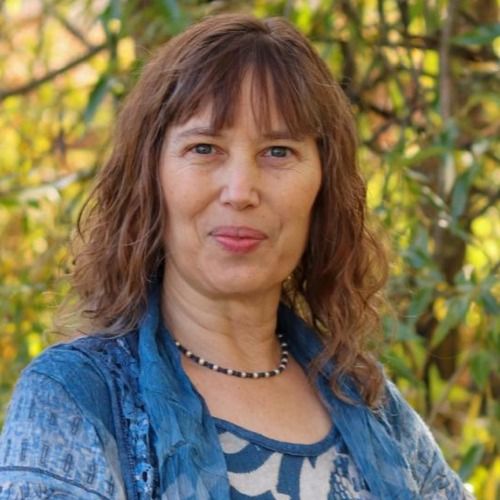
S2EP60-Tim McCarthy-Martial Arts Meets Parenthood: The 4 Dimensions of Parenting
Tim McCarthy, a master of parenting wisdom and martial arts guru, takes us on a wild ride through the four dimensions of child development. Imagine being a fly on the wall as he blends his educational expertise with martial arts philosophy to create a master plan for raising well-rounded kiddos. We dive into the nitty-gritty of how to nurture our little ones physically, mentally, emotionally, and spiritually, all while sharing chuckles and heartwarming anecdotes. Tim emphasizes the golden ages of childhood, where physical prowess is blossoming and mental curiosity is at an all-time high. He hilariously muses about kids' obsessions and how a healthy obsession can lead to a lifetime of skills. So, buckle up as we explore how to keep the balance in a world that often feels like it's spinning out of control, turning parenting into a fun, engaging adventure. Trust me, by the end, you’ll be ready to tackle your own parenting challenges with a grin and a slew of new strategies. In a podcast episode bursting with energy and insights, Tim McCarthy breaks down the essential components of raising children who are not just educated but also emotionally and spiritually grounded. We explore how the school system covers academics but often leaves out vital lessons about emotional intelligence and spiritual growth. Tim’s approach is all about integrating lessons from martial arts into everyday parenting, emphasizing that it’s not just about kicking and punching—it's about developing character and understanding the 'why' behind actions. He shares practical tips and engaging activities, making it clear that there’s no one-size-fits-all method. Instead, he encourages parents to embrace the uniqueness of their children, fostering an environment where kids can thrive. Whether your child is a budding athlete or an aspiring artist, this episode is a treasure trove of strategies to help them shine brighter than a disco ball at a 70s party. As we wrap up this enlightening conversation with Tim McCarthy, we delve into the importance of routines and the power of asking questions rather than giving answers. Tim shares his take on how to instill an internal locus of control in children, steering away from the 'because I said so' mantra. He deftly illustrates how to transform the 'why' questions into opportunities for deeper conversations, allowing children to think critically and independently. The episode is sprinkled with humor, personal anecdotes, and practical advice that makes parenting feel less like a chore and more like a collaborative journey. Plus, we tackle the elephant in the room: screen time! With a light-hearted approach, Tim warns about the dangers of excessive screen exposure while offering clever alternatives to engage our little ones in healthier activities. So grab your headphones and get ready to laugh and learn, because this episode is all about empowering parents to raise resilient, balanced, and happy kiddos!
Takeaways:
- Tim McCarthy brings a unique blend of education and martial arts to parenting, creating a roadmap for raising balanced kids in today's chaotic world by focusing on their physical, mental, emotional, and spiritual growth.
- The age between 6 to 10 is considered the golden age of childhood, where kids have the physical capability to explore sports and activities, helping them develop skills that will serve them for life.
- Creating a structured daily routine for children, while allowing flexibility, is crucial in helping them develop habits that incorporate all four dimensions of their growth, giving them a sense of stability and security.
- Asking questions rather than giving answers during parenting can spark curiosity and critical thinking in kids, helping them build their self-esteem and emotional intelligence in the process.
Tim McCarthy is a parenting book author and expert with a Master’s Degree in Education and a Grandmaster rank in the martial arts. He has combined his years of experience as a classroom teacher and administrator (in both public and private schools) with even more years of experience teaching and developing martial arts programs to create a simple plan for the education of children. He has spent years researching developmental child psychology, chosen the best studies, and distilled them into simple, understandable language. He then drew on his vast knowledge of activities that help children become stronger physically, mentally, emotionally, and spiritually, and arranged them according to the capabilities of children at each age. His unique perspective combining Eastern and Western educational philosophy creates a powerful road map for raising balanced children in an increasingly unbalanced world.
Bringing Education Home is an educational podcast brought to you by Kristina and Herb Heagh-Avritt.
If you enjoy the show, we'd love for you to leave a rating or review on your favorite podcast app!
Please let your friends know they can listen for free on Apple Podcasts, Spotify or their preferred podcast app or online at Bringing Education Home.
Sponsored by Vibrant Family Education - creating Happy, Healthy and Successful kids
Follow us on these socials:
Facebook Group - The Family Learning Circle
Facebook Business Page: Vibrant Family Education
Support Bringing Education Home
Copyright 2026 Kristina & Herb Heagh-Avritt
This podcast is hosted by Captivate, try it yourself for free.
Transcript
I now have the pleasure of introducing Tim McCarthy. Tim is a parenting book author and expert with a master's degree in education and a grandmaster rank in the martial arts.
He has combined his years of experience as a classroom teacher and administrator in both public and private schools with even more years of experience teaching and developing martial arts programs to create a. To create a simple plan for the education of children.
He has spent years researching developmental child psychology, chosen the best studies and distilled them into simple, understandable language.
He then drew on his vast knowledge of activities that help children become stronger physically, mentally, emotionally, and spiritually, and arrange them according to the capabilities of children at each age.
His unique perspective, combining Eastern and Western educational philosophy, creates a powerful roadmap for raising balanced children in an increasingly unbalanced world. Welcome, Tim. It is a pleasure to have you here today. Thank you so much for joining us.
Tim McCarthy:Thank you for inviting me. I hope that the dog isn't that upset at my introduction.
Herb:My gosh, no, it's not so much. She's a little nervous and she's chewing on her feet, and so we're putting our hands over her feet so she can't reach her feet.
She's getting really irritated with us.
Kristina:For those of you who are just listening, that's Velvet, who you see pop up at the end of the show often. But more importantly, we are here to focus on our guest, Tim.
Thank you for being here today and thank you for being willing to share your message and your passion to really help parents take our children to the next level, to the place where they can grow and thrive. So thank you for doing that.
Tim McCarthy:Happy to be here.
Kristina:Awesome. One of the things that we love asking right away is, why this passion? What was.
I know you've been an educator and a martial arts instructor, but was there a pivotal moment? Something said, you know what? I really need to start spreading this by writing the book and joining podcasts and things like that.
Tim McCarthy:I don't know if there was a moment I had done this for years. One of the things we did in the martial arts was to popularize the after school and summer camp programs.
I'm sure you've seen the signs in your neighborhood. We didn't invent the program.
We partnered with one of the people who was the background of it or the at the early stages of it, but we popularized it.
And then I took my educational background and turned it from kind of bring them in, let them practice martial arts to what else can we do during summer camp? You've got the kids for 8 10, 12 hours a day. How can we add some educational value to the program?
Because you can't practice martial arts 12 hours a day. Even kids can't do that. So we tried to develop. Further. Develop the program that way.
And as I retired, I said, this is such a great program, even beyond the martial arts. How can I bring this to the average parent? Because we don't. We not only teach them academically, which is what the school does, which is.
And they do a very good job of it. But what about the other parts? Does the school system help them develop physically, emotionally, or spiritually?
And really, two out of three ain't bad. Doesn't quite cut it when you're raising a child.
Kristina:Exactly. And so that's my next question. You know, you say the four dimensions of the child. List those four again.
And I know today we kind of want to focus on our a little bit younger crew. Right. How do we get that ground level in there? So, like our be six to. Well, okay, I can't remember the age group.
Six to 10, six to 12 or something like that. Yeah.
Tim McCarthy:All right. And one of the things I did is divide into chapters based on developmental ability. And the childhood chapter is from 6 to 10.
Once they hit 11 or 12, they start getting into the tween or pre teen years. And I don't mind talking about that at all. But they're slightly separate animals. So back to your question. Physically, they're developing.
The childhood years are considered. It's like the golden age of childhood because your body is your friend. You've grown out of the toddler preteen years.
Now you can run, you can jump, your body's leaning out, you can develop skills and play the sport you want or be the dancer you want. And of course, in your imagination, you're better than to be. You're better than the dancer that you are, but your body is your friend.
And then all of a sudden, in between years, you start these growth spurts and. And your body isn't quite as friendly as it was. So physically, a great time to be, but also to develop.
When you're in this age group, the best athlete, I mean, if you're a Shaquille o' Neal and you're six foot tall at six years old, you have a natural propensity to basketball. But chances are the best athletes are the ones who train. You're not good at a sport. You're either trained or untrained.
And so parents can have a tremendous influence on their child, helping them train whatever they like.
Basketball Soccer, martial arts, dance, whatever it is, music, I mean, that's not really physical, but it is physical because it takes that fine motor control. All right, Mentally, again, mostly the school system. But there are things beyond the school system you can do.
Arousing curiosity, helping them learn to categorize things. For example, can you name three kinds of animals? Okay. As they get older, can you name three kinds of animals in the zoo?
Can you name three kinds of dogs? Can you name three kinds of miniature dogs?
And so helping them think in categories so that their brain starts to work like, oh, they recognize patterns emotionally, this is when the child develops a self image.
And so I don't know how much you want me to talk before the next question rambling on here, but developing the self image based on their academic success, based on the opinions people have of them and of course, the opinion they have of themselves.
And spiritually, during this age group, there are many religions have a ceremony where around the age of seven they start to know, they start to understand the difference between right and wrong. And so there'll be a ceremony.
But it's also a great time to have them thinking about principles and what does something mean and what does it mean when you do this? Why should you do this? Or why should you not do this? So that's a quick, not really quick, but kind of quick summary of the four dimensions.
Kristina:I love that. Yeah.
And the way that, you know, we're talking that 6 to 10 year old, and we know that, as you were saying, they are developing, they're continuing to put layer upon layer during those years of these different skills and these different things. And I want to focus mostly as our conversation goes on that emotional development and that spiritual development and that physical.
Because we, you know, academics, we know we can do it lots of different ways. Homeschooling, public school, private school. But. And that's pretty much kind of covered.
But we really want to give those parents those ideas around those next layers that they can really make an impact on, especially if their child, you know, when they work with their child.
Tim McCarthy:Absolutely.
Kristina:Yeah. So one of the things in your bio it said that you tie a lot of this to martial arts and the, you know, the skills and the different things.
Talk about that a little bit. How does that connection, you know, bleed over and help our parents build these skills?
Tim McCarthy:Well, it was a love for me, kids, just generally speaking, kids at this age sometimes develop an obsession. So when I was a child, I was obsessed with fishing. Then I got into high school, I was obsessed with basketball.
And then after high school, since I couldn't play college ball, I wasn't that good enough. I became obsessed with martial arts and that stayed with me the rest of my life. So one lesson for parents.
If your child has an obsession and it's a good one, feed won't necessarily stay for the whole their whole life, but it'll teach them to focus, it'll teach them to learn and to spend time to get better at something. And if it changes, those same skill sets will go on to the next obsession.
And if you don't give them a healthy obsession, they may find one that isn't so healthy. So realize that. Now back to martial arts.
To me, one of the things I like about it better than the school system is that it incorporated all four dimensions. There's the physical dimension. You kick, you punch, you twist. All right, but in the classroom we say, what's the point?
Very simply, my crap master used to teach. All right, how do you make a fist? You roll your fingers down and you put your thumb over your first two knuckles.
And that is the parent protecting the child. And so, I mean, right from the start, we're bringing it into your life.
It's not how to kick and punch only, but what does that reveal to you that is valuable in your life?
Herb:I think another important part is there's also a why, why do you do that? And there is a reason for all of that to happen. And in school sometimes we would be learning something and we would say, why are you learning this?
And the answer is, because sometime in the future you might need it. And so there's a huge difference right then and there.
And that, that immediacy in your life can add a whole bunch of effect and how it enters your brain and whether you learn it or not.
Tim McCarthy:Yeah. And children start to connect cause and effect in the preschool years. But then it gets much, much better in this childhood years.
So the more you can explain why, the better they understand. However, it's also ammunition they are. They want to know the rules. They love the rules. This is part of their moral education.
They want to know the rules. Sometimes very sticklers for the rules, but that also feeds the argument.
And so the budding lawyers in the world learn the rules and they want to fight you on each each rule and what if this and what if that? And that's great if they think that way because they're thinking very maturely and they're considering things more deeply.
So one of the stories I tell is in the early years y and the three year old Is the age of y. Why? Why? Why? And sooner or later, the parent says, because I said so. And that's the answer, no.
And one of the skills that you can use with children and also with adults, he who asks the questions controls the conversation. And so why, why, why? And you just turn that around. Well, why do you think we do that? Do you want to, you know. Why does daddy have to go to work?
Well, he has to go to work because we have to have a house. Would you like to sleep outside? No. Well, then it's important for daddy to go to work. And so you change.
You control the conversation by asking questions, just as actually I allow you guys to control this conversation by asking me the questions.
Herb:It's actually kind of funny because we actually just try.
We try and pick up on what you're talking about and direct you where you want to go instead of where we want to go, because we know nothing about this, so we're trying to get the information from you. So. But I love the way you say that, though, because that is so true.
Kristina:And I love that you just gave that solid strategy for parents. You know, if you're tired of that question, why turn the curiosity around? Turn the question around. So then you're kind of back in control, Right?
Exactly.
Tim McCarthy:And as a general rule of parenting, ask questions more than you give answers. Especially as you get to the preteen and teen years, they don't want to lecture. I had lectures. You had lectures. Nobody likes a lecture.
But Socratic questioning makes you come to your own conclusion. Why do you feel that way? What did you think would happen? What might be a better answer or a better response? What could you do better next time?
Okay, not.
Herb:I've asked, what do you think it would happen? But it was usually, oh, what did you think would happen? Kind of in a much more sarcastic tone. But that's more reserved for friends than my children.
But I just had to point that out because it was really funny in there.
Tim McCarthy:That's a strong part of emotional education, is learning to read the emotions in others and whether they say, what did you think would happen? Or what did you think would happen? So learning to express and read those emotions with tone of voice. So back to the martial arts, where I digressed.
And so physically, we teach a technique. Mentally, we teach how to do it better, what to think of so your body can teach. I'm sorry. So your brain can teach your body emotionally.
Tremendous for confidence building. We have kids come in there the first day, especially little kids. And I had one master who taught? And he would say, okay, Bobby, stand up. Who's here?
Bobby, stand up. And Bobby would stand up and go, yes sir. And then two months later he'd say, okay, who's here? Bobby, stand up. Yes, sir.
Just that little bit of confidence carries through to all parts of their life. But it's the beginning of not being afraid to speak up or speak out.
And then spiritually, in the martial arts, most schools don't try to teach or attach to any one religion, but to all religions or no religion but the idea of morality. It's important to know how to punch somebody, but it's much more important to know when to punch somebody and when not to punch somebody.
And so all four aspects are involved in martial art teaching. That's kind of where I learned about the four dimensions of people. And that's why I try to bring it out to the average parent.
Kristina:That actually brings me to my question that I hear so often. It's like, because when I was in the classroom, I would constantly say, find something that your child likes.
Maybe your child needs a little bit more activity. Why don't you try a martial arts?
And one of the common questions was, oh, I don't want them to learn how to hit and kick because then they're going to be doing it all the time. How do you react to those parents? Is that kind of the discussion you have? Those things you were just talking about?
Tim McCarthy:Rarely the ones who come into the school to enroll in classes are afraid of that. But the answer is in the martial arts, if it's a good school, we don't teach you to fight, we teach you not to fight.
The fighting you do is with yourself to become better today than you were yesterday. You don't compare yourself to others. You compare yourself to how I was yesterday. Can I, how can I be better today?
Kristina:And that is so, so important because so many of us are on that outside motivation. Right? Oh, is so and so approving of me or am I better than so and so?
Herb:The competition, so many people aren't getting that message today. And that that message is so, so very needed.
Tim McCarthy:Absolutely. And that comes from self esteem.
One of the things I try to say often is self esteem, self confidence, it's nice to be good at a sport, it's nice to be the popular person. But real self esteem comes from knowing inside that you're a good person. So it is spiritually, morally based. And then the rest will follow from that.
Kristina:Absolutely.
So what if we were to put this back into the home setting a little Bit we know that, you know, in the martial arts classroom setting, that's kind of what we're hitting. And you great.
Gave us a great tip on how to turn that conversation around so it doesn't turn into that constant drag of I'm tired of listening to questions. Something else that maybe we can do in the home to help with that intrinsic motivation instead of the outward motivation.
Tim McCarthy:Okay. So you have to help the child develop an internal locus of control. And the early child or the childhood years, a little early to start that.
That happens more in the preteen and the teen years. But the internal locus of control is valuing my own opinion over somebody else's. Okay.
In the childhood years, you're learning how to be part of the group. So the morality is a group morality, what's good. And they start to realize what's good for the group is what's important.
So maybe what's good for me isn't quite as important as what's good for the group. So they learn a little selflessness. And this is part of sports. If you're on a team, you don't need to be the guy who shoots the ball all the time.
Sometimes you need the guy who catches the ball off the rebound or who passes the ball to the guy who can shoot. So you have team roles. You give up a little of your own glory to support someone else.
So that's part of this development during childhood through sports, but also enforced at home with discussions. How can you help your friends? What happened to school today? Oh, this bully was picking on Sally and she started crying.
Why do you think they pick on Sally? Does she have any friends? Could you be her friend? What could you do to help Sally feel more important, to have more confidence?
Just conversations like that.
Not a lesson, just a conversation that could happen in the car on the way home from school or at the dinner table or, of course, if you're homeschooling and something happened on the playground or something happened in whatever physical activity you bring your child to to get that PE credit for homeschooling?
Kristina:I love that. And then, you know, if you take it to the family level, how do you deal with your brothers and sisters?
How do we work together as a team to get the dishes done, do the chores around the house, help take care of things? So mom isn't doing it all the time or dad isn't doing it all the time?
Herb:So I was going to. I was going to throw in a little plug for you, like, oh. The best thing is when you bring your Child, you do it too. So it's a whole family activity.
Don't drop your kid off.
This is life skills that if you don't have as a parent and you're getting them to your kids, like, be that role model, Jump in there with your kids and do the classes and stuff.
Kristina:Yeah.
Tim McCarthy:Kids will do what you do, not what you say. And parents who smoke find that out all the time. That's, you know, they. They imitate your actions.
And one of the cool things about learning to be a good parent is that you can improve yourself. If, for example, you didn't have a good emotional education. And I did not.
My parents were wonderful, but they did not give me a great emotional education. By researching, by writing my book, I learned an awful lot.
And then I present that to parents so that just when I was teaching school, I'd go to a new school, I'd teach a new class, and I'd be two weeks ahead of the students. Okay. I knew what I had to teach, so I would get two weeks ahead of them and just try to stay that way through the year for the first year.
Likewise, as a parent, if you can stay two weeks ahead of your child in emotional development, in spiritual development, then you're not only helping the child, but you're doing yourself. One of the great teachers I like the quote, says, the child is not here for you to teach. The child is here to teach you.
Herb:Yeah, I think Modi is the one who said this. But children do not belong to you. They come through you. But they are their own people coming here for their own plans and designs.
And if you've ever had children, it's like, oh, yeah. As soon as around 2, it's like this. This is. This can't possibly be mine.
Tim McCarthy:It's the mailman.
Kristina:Right, But. And part of that, though, is that doesn't mean. Because some parents take it to the extreme.
Oh, well, I'm just gonna let my child discover who they are. Because they're not really mind mold or whatever anyway. But there's a difference between allowing them to become who they're going to be.
And hands off. No scaffolding, no rules, no help along the way. Right. There's definitely a difference between those two models.
Tim McCarthy:One of the stories I really like is the gardener and the carpenter. A carpenter sets out to build a set of dining room chairs. And he has four chairs, and they all look exactly alike.
And he works them and hones them and controls them so that they're beautifully perfect copies of each other. The gardener has different plants and has to trim them and feed them, water them and take care of them, but let them blossom in their own way.
And the question is, which kind of parent are you and which one would you like to be?
Herb:Well, you know, it's kind of funny.
I almost throw the middle one in there because I talk about a tomato plant and the structure that's needed, in which case there's both the carpenter and the gardener. Because a tomato plant, if you just plant it and let it go, it just kind of grows everywhere and it's kind of a mess.
But if you put a structure around it, if you put a framework around it and you trim it, then it grows up through the framework. Some of it's going to go out of it, but then it's going to come back in and it's going to use it to grow up.
And as it grows up, it's going to get more light and produce more fruit.
So, yes, the structure, the framework around the tomato plant is just as important because, yes, they're going to go outside of the structure and they're going to learn and they're going to fall, and then their parents are going to pick them up and wind them back into the structure, and then they're going to go up again. So that's, that's part of, you know, that's kind of my tomato analogy of why you need structure.
Because, yes, some will come out and fall, some will stay inside and get all clumped up and kind of. So you got to kind of cut that out, too. So it's like you have to give it light to grow up. And so you need the structure and you need the, the.
The gardening.
Tim McCarthy:But, yeah, you need to be a good. A good gardener.
Kristina:Yes, exactly. Absolutely. Cool.
So if we are looking at this childhood age, what's something else that parents can do to help really kind of get these four dimensions in life all the time? Right.
Because sometimes we'll focus on, oh, well, I really want them to be physical and active and then we forget about this other part or, oh, I really want to make sure that their mental is really strong and then we forget about the physical or something. What's something else that our parents can do to make sure all of these are woven in scheduling? Okay.
Tim McCarthy:And the. In India, they say we all live in four rooms. The physical, the mental, emotional, spiritual, and we should spend time in each room each day.
All right. And so this childhood age is a time to develop habits.
One of the psychologists that I quote in my book says that we spend 43% of our day doing the same thing every day. Okay? And so the habits we develop make up almost half of our day. And so we need to set up. What is your child's morning ritual?
One of the things I recommend is making the bed. It starts the day with an accomplishment. It teaches systems. Okay, you get up, you do this and whatever.
You brush your teeth, you have your breakfast, you make your bed, you pick your clothes. These are morning rituals. You go to school, you come home. What's your home ritual? Do you get a snack first? Do you do your homework first?
Do you go out and play first? And set up a schedule of good habits for the child? And they learn to set up habits, basically. But 43% is not the main part of your day.
So each day is unique. Each day has opportunities. So you don't just set up in blocks what your whole life is going to be. You set up patterns, you set up schedules.
And in the schedule there is some freedom. And so if you have homework time, exactly what happens during that homework time may differ day to day.
If you go outdoors, do you go to the park one day, do you go fishing another day, do you go over to Bobby's house the next day? But you have a schedule to work from. And this is back to teaching. Back to my martial arts classes, they would have a schedule.
We would have a warm up, we would have instruction, we would have practice, and then at the end, we would have a meditation where we tie it all together. That was the structure. But every class had a different technique with a different theme and a different message.
And so, yes, set up a schedule for your child, one that has some flexibility in it, but also one that takes him into each of the four rooms sometime during the day. Do you have a bedtime routine? And this is a great time for spirituality to say your prayers. Now, you don't believe in God, you don't say prayers.
Fine, Review the day. What are you thankful for that happened today? Who are the people in your life that you're thankful for? Think about them. Okay?
And so that's a spiritual lesson scheduled into your day.
Kristina:I love that because we often talk about routine, rhythm and routine for our families that we talk to as well. And part of that is that also that gives your child a security, right?
If they understand what their morning routine is, they don't have to worry about, oh, my gosh, I don't know what's coming next. If they know what their mealtime routine is, if they know what their bedtime routine is.
If it's been a really crazy day, you can fall into those routines with security knowing, ah, this is the space where I get to do this and I get to relax a little. I don't have to keep pushing my brain to figure out what's coming next kind of thing. So, yeah, I love that very, very much.
Tim McCarthy:I don't know if you even are old enough to remember the movie where John Denver meets God, but he meets God and he's freaking out. He's what should I do? And God says, shave. What? Shave. Do something familiar. That'll calm you down.
And so, as you say, a routine, especially in times of turmoil, is a tremendous crutch, a tremendous help, a tremendous foundation to lean on.
Kristina:Yeah. For both parent and child.
Because guess what, if the parents had a really bad day as well, and they know, oh, cool, now I get to go read stories to my child and relax a little. It helps their brain as well. And that's one of the things I talk about when I do my how to build resilient children talks. Yeah.
Herb:In George Burns was God in the movie.
Kristina:Yeah.
Herb:And one of the sequels was oh, God, you devil. And. And George Burns played God and the devil.
Tim McCarthy:Yeah.
Herb:Yeah. I'm old. I'm old.
Kristina:Please go find them.
Herb:They're fun.
Tim McCarthy:So if I may.
Kristina:Yeah.
Tim McCarthy:Lead the conversation a little bit to screen time.
Kristina:That would be great. Let's talk about it.
Tim McCarthy:Okay. And the. So many problems with it. But one of this most obvious problems is commercials.
So even if you watch TV or YouTube, there are commercials that are basically telling your child he or she is not good enough unless they buy or use this product.
Kristina:Yes.
Tim McCarthy:Okay. Adults, some of us are mature enough to say, no, I don't think so. But children's brains are not developed well enough to make that distinction.
Herb:And so also really messing up their dopaminergic system because it.
Tim McCarthy:The.
Herb:The dopamine at that age should be achieved through physical activity. They could get so much more dopamine on a mat through. Through a practice than they ever could on the phone. And it's such a healthier way to get.
Instead of messing up your system with these devices as well.
Tim McCarthy:Absolutely. And I've seen studies where parents think that letting a child 3 years old watch a video is just as good as spending time with the parent.
And how can you think that way when you get to the video games?
I mean, there study after study that violent video games either reduce your empathy toward people who are being hurt or actually increase your propensity to violence. And They've done studies where you can reduce violent outbreaks as much as 25% just by changing the television or videos that the children watch. So.
Kristina:25%, that's huge.
Tim McCarthy:Yeah, yeah.
Kristina:Anybody who wants a 25 change would be ecstatic to get that. So. Oh, my gosh, that is huge.
Tim McCarthy:Yeah. In. In the beginning of talking about the four dimensions, I talk about the building blocks and the processes.
The building blocks of our brains are our thoughts. What do you feed your brain by the things you see and here.
And so if you are feeding yourself scripture, regardless of what scripture it is, that makes one kind of thought process. If you are playing violent video games, that makes another kind of thought process.
So you can control your own mind development, brain development, but also your child's mind development on the things that you provide for them as input.
Kristina:And if you're doing that time out in nature, that gives them another layer of where their thought processes are going to be. The caring of the nature, the amazing, the, you know, agreeing and understanding the nature, all of that kind of stuff. Yeah, well.
Tim McCarthy:And just the. The idea that being quiet.
Kristina:Yeah.
Tim McCarthy:In a quiet place is not only okay, but pretty cool.
Kristina:Pretty cool. Yeah, exactly.
Herb:Most parents have lost touch with their. Their humanness, their. Their body, that they are this meat suit that all.
So they're not their job, they're not their school, they're not their business. They are a human, and they actually have to do human stuff to stay connected to that.
And breathing, it's like so many people started breathing when they were born and have no idea what they're doing or how to do it properly. And just changing a breath pattern, I. I've done that.
I. I completely changed the way I breathe, even subconsciously, and it's changed so much of my life. So, yeah, it's crazy how people forget to be human in the search for humanity.
Kristina:And it's our job to be the role models for our kids. They'll never learn it if they don't see us doing it.
Tim McCarthy:And we are human beings, not human doings.
Kristina:Yes, yes. Human beings. Yep, exactly.
Herb:And if your kids are learning this and you're not, hopefully they continue and kind of look at you like, hey, thanks for providing me a platform and hopefully I can bring you up with me. But it's like I brought my mom and dad up a long ways because there's things that they weren't capable of and. And it's just amazing to.
To be able to share with them stuff that. That they can't quite feel fathom and there's stuff that my kids do that just makes zero sense to me. They show me, and it's like four objects.
It's like, I. I so want to understand what you're doing, but I love you and I am so glad that you know and that you're good at this and you're having fun.
Tim McCarthy:Yes.
Herb:Because that, that is more important than, than anything is, is that connection, that humanity, that being there with them.
Tim McCarthy:Yes. It's not another psychologist. It's not the book you're reading, but the lap you're sitting on when you hear the book.
Kristina:Yeah. Oh, I love that. Yes, please read to your children.
Read, read, read to your children when they're young, when they're old, I mean, you know, a lot of people are like, oh, well, after they're eight and they can read on their own, they don't want to be read to you. And I know for a fact that's not true. My teenagers, we spent a summer reading and they wanted me to read out loud and then we could read.
I would read and then we would discuss part of it, and then we'd read some more and we discuss some more. So even when they can read on their own, they oftentimes would love to read and discuss a book with you.
Herb:Yeah, we took a long road trip. And I like reading too. If she was reading, I could drive. When she stopped reading, I got drowsy.
We had to pull off the road, but she would pick up a book and it was. It was like, just focus, fuel for me. And I could drive all day long if she was reading to me. And books on tape didn't. Don't hold that the way.
The way someone reading to you does. So it's a myth.
Tim McCarthy:Well, I also read a study that child reading stories, the child becomes more empathetic because as you read, you get an insight into what the character's thinking and why. And it's written out there for you to understand in a movie, you have to kind of infer it from the way they act.
Kristina:Yeah. Great, Great connection. Absolutely. I am loving this discussion.
I love how we've been focusing on those four Ds, the four, you know, four different dimensions, the pieces of building up the children and making sure that they're ready for the world around them. Thank you for this conversation. Is there something that we haven't reached that you were kind of hoping to touch on today?
I'm glad you brought the screen time in.
Tim McCarthy:No, just some shameless self promotion.
Kristina:Absolutely.
Because that was what I was going to ask next, like, how do we get a hold of you if this conversation has resonated audience, how do they get a hold of you so they can continue the conversation?
Tim McCarthy:Well, most of what I've said I cite the research just generally while I'm talking. But in the book, I actually cite the research to back up what I say. But in the book I have over 400 activities.
So as you were saying, give me something specific. There are dozens of physical, mental, emotional, spiritual activities for each age group in the book.
And so that's your resource, whether you're homeschooling and you didn't get a degree in education.
So you want somebody who has one to do tell you what's happening to your child, what's how the child is developing, and that's all been digested for you and put in a few pages or not homeschooling. You're just a parent who wants to supplement the school system with the other three dimensions. My book is the owner's manual.
You didn't get with your kids if you don't understand why they're doing what they're doing. I try to explain it psychologically, developmentally.
But then, as in the martial arts, I put theory into practice and say, okay, now that you know why they're thinking that way, here are some activities you can do to move them to the next step. And again, separate physical, separate mental, separate emotional.
Just a quickie to help someone understand that people don't always have good intentions. It's an activity called what's his agenda? And so you watch a commercial with the child and you say, okay, what's his agenda?
You watch Fox News and just listen to two minutes and say, okay, what's his agenda? Or MSNBC or whatever they are now, they just changed what's her agenda?
And you know, so that they start to think about what they've been told or what they're hearing. And so that's part of spiritual moral education, but also part of emotional education.
So that when somebody tells them something, oh, gosh, we didn't talk about sex education and how that you need to start that in the childhood years. Not full detail, full frontal, but this is. What have you been hearing from your friends? What do they say? Okay, how do you feel about that?
All right, well, this is how it really works, and this is why you should be careful. And then as they move into the preteen years, the conversation changes. As they move into the early adolescent years, this changes.
Moves into the late adolescent years, it changes again. So you need some guidelines on how to have that conversation. Good. Here they are talking to the law, all of a sudden your kid's a teen.
They're going to get stopped by the police sooner or later. If you're a minority, you need to treat this as a life and death encounter because people have been killed by saying the wrong thing.
So a wide, wide range of conversations you can have. Hopefully some cheap guidance. Just go to Amazon and look for my book or four-two d.com if you're not financially secure.
I'll give you the chapter for your child's age for under a dollar.
Kristina:Beautiful. Thank you, Tim. This has been a great conversation. And yeah, I mean, everyone is.
A lot of parents are looking for like, what can we do to figure out what we don't know? Right? And it's okay that you don't know because like you said, we weren't given any kind of book in the hospital when we took our babies home.
We only know what our parents did, we only know what our friends are doing, etc. And it's okay to ask questions, do research, ask for other help by reading books like this. So parents, do your due diligence.
Do what you know you need to do. Don't be embarrassed, don't be ashamed. Ask for coaching, ask for help. Do what you need to make your child happy, healthy and successful.
Thank you, Tim, for being here today.
Herb:Thank you for being here today. Tadam, it was a pleasure having you.
The depth of conversation we have, turning kids into people and helping them remember that as well as all of the other stuff along with the education is such an important message that we have. So thank you for bringing it out to the world. Thank you for sharing your knowledge and thank you for being here today.
Tim McCarthy:Thank you for inviting me.
Kristina:It's been fun, awesome, wonderful. Okay, audience, you know what to do. It's time to like review, share. Right. You know someone who probably needs to hear this conversation?
Maybe a parent who is kind of at their wits end. I'm not sure what I'm doing wrong. I don't know how to fix this.
Help them out, give them this podcast, share the information and help each other so our communities can grow strong every single day.
Until next time, thank you so much for being here and don't forget to find us on vibrant family education.com where we can also talk to you and help you figure a few things out. Until next time, bye for now.