Episode 52
S2EP52-CJ Scarlet-Heroic Parenting: How to Arm Kids Against Bullies and Predators!
In a world where child safety is more crucial than ever, C.J. Scarlett stands out as a guiding light! This engaging episode explores her transformative journey from a survivor of childhood trauma to a celebrated advocate for kids’ rights. C.J. shares her heartfelt stories, including a pivotal moment at a pool that changed everything for her as a parent. We discuss the misconceptions surrounding child safety, the importance of empowering kids with self-defense skills, and the launch of her innovative Heroic Kids Safety Games app. Not only does this episode provide a wealth of knowledge on how to effectively communicate with children about safety, but it also emphasizes the responsibility of parents to foster open dialogues. Tune in for a mix of humor, emotion, and actionable advice that can help you ensure your child's safety in a world filled with challenges. C.J. reminds us that every child deserves to feel safe and empowered—let’s make it happen together!
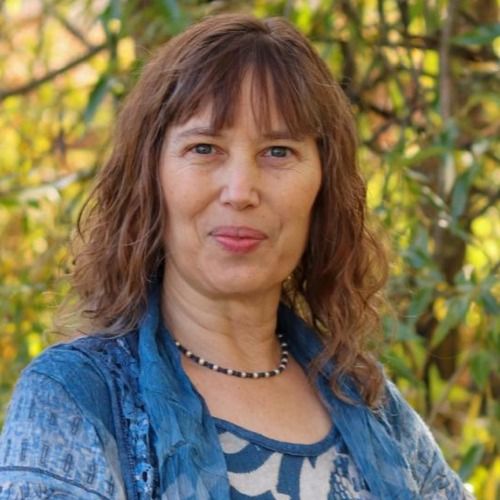
CJ Scarlet is a kid safety crusader, award-winning author, and the Badass Grandma! She helps parents empower their kids to protect and defend themselves from bullies and predators through her Heroic Parenting 101 online course and upcoming Heroic Kids Safety Game app.
A survivor of childhood abuse, teen sexual assault, and a narrow escape from a sex trafficking ring, CJ spent years dealing with the emotional aftermath of her experience. After taking her power back, she became an advocate for others who had been victimized, running a child advocacy center and serving as Director of Victims Issues for the NC Attorney General’s Office. Over her 30 years as a victim advocate, CJ has helped thousands of survivors claim their power too.
The former roller-skating carhop, forest firefighter, and U.S. Marine photojournalist holds a master’s degree in human violence. Named one of the “Happy 100” people on the planet, CJ’s story of triumph over adversity is featured in several bestselling books.
A free gift from our guest: Get Out of Jail FREE cards to give to their kids so they know it's safe to call their parents if they get in a jam. To get your cards, please email me at cj@TheBadassGrandma.com
@thebadassgrandma on Instagram
Bringing Education Home is an educational podcast brought to you by Kristina and Herb Heagh-Avritt.
If you enjoy the show, we'd love for you to leave a rating or review on your favorite podcast app!
Please let your friends know they can listen for free on Apple Podcasts, Spotify or their preferred podcast app or online at Bringing Education Home.
Sponsored by Vibrant Family Education - creating Happy, Healthy and Successful kids
Follow us on these socials:
Facebook Group - The Family Learning Circle
Facebook Business Page: Vibrant Family Education
Support Bringing Education Home
Copyright 2026 Kristina & Herb Heagh-Avritt
This podcast is hosted by Captivate, try it yourself for free.
Transcript
I now have the pleasure of reintroducing Mrs. CJ Scarlet. CJ is a kids safety crusader, award winning author and a badass grandma.
She helps parents empower their kids to protect and defend themselves from bullies and predators through her Heroic Parenting 101 online course and upcoming Heroic Kids Safety Games app.
A survivor of childhood abuse, teen sexual assault, and a narrow escape from a sex trafficking ring, CJ spent years dealing with the emotional aftermath of her experience.
After taking her power back, she became an advocate for others who had been victimized, running a child advocacy center and serving as director of victim issues for the North Carolina Attorneys General's Office. Over her 30 years as a victim advocate, CJ has helped thousands of survivors claim their power to forming roller skating car.
The former roller skating car hop forest firefighter and U.S. marine photojournalist, holds a master's degree in human violence. Named one of the Happy 100 People on the Planet, CJ Story of Triumph over adversity is featured in several best selling books. Welcome, cj.
It is a pleasure to have you here. Thank you so much for joining us.
CJ Scarlet:Today, Herb and Christina, I am so thrilled to be here again. We had such a great time last time, so let's, let's do it again.
Kristina:We absolutely did. And for people who are like, wait a minute, she's already been here once, like, yes, but unfortunately for you, it's been almost two years. So.
November 23rd, episode number 54, 54 is where you can find CJ's first go around with us and having fun with us and sharing us her passion and her story.
But, but today we really wanted to have an update and let her share her part of her story again and see what's happening because there's lots of different things happening in this realm and there's more awareness around child safety. But we're also kind of wondering, has it been making a difference?
I know every child we save is amazing, but is it making that big impact, that big difference? So thank you again, CJ for joining us today.
CJ Scarlet:Thanks, Christina.
Kristina:Can you tell us, we got a lot in your bio, but just kind of give us a real short recap.
You can go Back to episode 54 and get the big long story, but remind us about this pivot, this pet, this pivot, that in your life that really made you turn into the badass grandma. It's like, why in the world do you want that?
CJ Scarlet:I don't know if I told this story the last time I was on, but there was a cat moment that led me to really focus my efforts on protecting other kids from abuse. You know, I'm a survivor, and I had a lot of trauma from what happened, a lot of ptsd.
And one day when one of my sons was about 12, we were at the community pool, and he was about, I don't know, 25 meters from me. And I was watching him in the pool, and I saw an older man sidle up next to him in the water.
And then I saw the look on my son's face, and I beelined around the pool, and the whole time the man scampered out of the water because I'm yelling the whole time, stop that man. But nobody did because they didn't know what had happened. The man had been trying to follow my son into the water.
And I was devastated because, like almost every other parent out there, I thought that as long as I kept my eye on my kids, they'd be okay. But two things happened.
One is that I realized that things can happen right in front of you that you don't see or that you do see and don't know what to do anything about.
And the part that devastated me was that I thought the cycle of violence and abuse in my family had stopped with me, and it had not, because I didn't teach my kids how to protect and defend themselves, because I didn't know at that point how to protect and defend myself, let alone teach my kids. So it was a real turning point for me.
And I, you know, I was already a child advocate at that point, but what got me into writing the books and creating the online course, and then now the. The kids safety game is that that moment, that pivotal moment when I saw my son being abused right before my eyes?
Kristina:Yeah, that's just like. Yeah, the heart wrenching, heart dropping is like, oh, my God.
Like you said, you were there, you were doing what a quote unquote good parent should do. You were paying attention. You were close by all of those things. And then to have it happen right there is like, yeah, yeah.
CJ Scarlet:And I've heard so many parents say, oh, I don't need this. I don't need this training, or I don't need to read that book or whatever, because I keep an eye on my kid.
Well, first of all, they're out of your sight for the vast majority of the day at school or with friends or whatever, or in bed.
Herb:And.
CJ Scarlet:And you don't see everything, and you can't stop everything. You know, and in my case, there were several relatives that were sketchy. You know, we had A very dirty old uncle.
And he was at all the parties, he was at all the picnics, and he got away with an awful lot because he was the fun uncle. He was funny as hell. I mean, he was just hilarious and we all just adored him. But he was also funny in that sketchy sense.
Kristina:Yeah, yeah, got it. Oh, wow. Yeah. All of that is just like one of those things you kind of step into.
And so what would you say, you know, right off the bat, what do you say to those parents? Like, I don't need this because I pay attention to my kids. Besides maybe sharing that story, what else?
CJ Scarlet:I do often share that story.
Kristina:Whatever do you have for them?
CJ Scarlet:Yeah. I also share that a lot of people misunderstand who the perpetrators are. They think it's mostly strangers.
And stranger danger is great for kids, but I think it goes too far because sometimes you need a stranger to help you out. But in fact, Only less than 7% of crimes against kids are committed by strangers. Offline, I'm talking in person.
Online is a different story that we'll get to. But in person, less than 7% are actually strangers. The other 93% are people they and their parents probably trust and like.
And so it's just not that easy to say. You know, I keep it on my kids. I'm sure they keep a closer eye when their kids around a stranger, but it's where you need to be wary is when you are.
When you're with anybody, they're with anybody.
If your kid gives off clues that they're uncomfortable or afraid, there are things you can teach them that will have them come to you first with questions and concerns about their safety. And that's what every parent wants. They want to be the one that the child feels comfortable and safe with. To talk about things like that.
Kristina:Yeah.
Herb:And you know, that that isn't easy. Even if, you know, I was bullied a lot. The sexual trauma wasn't. Wasn't. Didn't happen to me, but I was bullied a lot.
And I have a lot of trauma around that. When my sons started running into that, it shut me down because it triggered me back into being a kid and when I was bullied and.
And so it's like, oh, yeah, I'm going to do this. I'm going to do this. When I. And when that happened, it put me back into my trauma as a child and it shut me down. So parents are going to.
Parents are like, oh, I can do this. It's like, you know, what if.
If that trauma has happened to you, it could very much trigger you and shut you down and make it very difficult for you to be able to advocate for your children that that's correct.
CJ Scarlet:And a lot of survivors of domestic violence or child abuse of some kind are very numb and kind of used to that kind of behavior. I don't know.
I don't know how to say this correctly, but when something does happen in front of them, when they're the adult and it's their child involved, they may dissociate, they may go blank. They may see it, but think, oh, my gosh, it can't be as bad as what I'm seeing.
They may have all kinds of things they tell themselves if they're even emotionally aware enough to really do something and step in.
Kristina:Yeah.
And, you know, we don't want to make this doom and gloom, but just an awareness of if you're listening to this and you have something in your past, make sure you're working with either a therapist, a psychologist, as a co, somebody to, you know, bring yourself to a place of good in good standing and centering so you can be aware and you can be there for your kids. Right.
CJ Scarlet:And you can stop the cycle of violence in your family. And ends with you. Yeah, it ends with us.
Kristina:I talk about, on one of my signature talks when I go on different podcasts and things is that, you know, in. If you're dealing with that you're going through your counseling or whatever, you need to, what I call air your dirty laundry.
And what that means for me and for the kids, that you need to tell your kids, I'm going through something. Of course it has to be completely age appropriate.
I may be a little more emotional than normal, or I may be, but also be that good role model that when you're having your update, your bad day, your down day, that you're telling them is like, hey, today's going to be a rough day for me because I'm kind of processing some things. But again, age appropriate.
But then you're also modeling for your kids about how you're dealing with it and how you're working to change things so that you can handle things better.
CJ Scarlet:That is so important to say that Christina. Kids pick up on those. Those cues, our emotional cues. We may think we're hiding it well and that we're. We're coming across as normal and copacetic.
Kids can read the room like nobody's business, and they know something's wrong. And if they don't find out what the real problem is, they.
They Every child will turn it inward and blame himself for the parents uneasiness or uncomfortable discomfort or fear or whatever. The child will put themselves in the middle of that story and think I've done something wrong.
Kristina:Yeah.
CJ Scarlet:To upset mom or to upset dad.
Kristina:Yeah. And it doesn't have to be anything super traumatic like what kind of what we're talking about. It can even be finances.
I mean, you know, we, we went through our financial times with our kiddos and instead of telling them, hey, we're not going to do something extra this month because our finances are kind of wonky, we tried to hide it from, and try to brush it off and things like that. And they knew, but you know, again, they were like, oh well what's happening? Because mom and dad aren't as happy as they usually are or whatever.
So again, age appropriate, but let know when something's kind of going on.
CJ Scarlet:Good advice.
Herb:Yeah. So I'm still, I'm still processing my stuff right now because again, I'm going through times when my parent, my kids were bullied.
So when I was bullied and I would try and take it to my parents, my parents didn't know what to do. And so eventually you stopped going to them. So when, when my kids were bullied, I could see they wanted me for help, but I didn't know what to do.
I shut down, I got angry and when I tried to react, it's like I didn't react well. And so going to the school system, trying to hold myself together while helping my child became like nightmarish. And so yeah, I, I wasn't good at it.
Kristina:So can you give our parents right now a tip or two to maybe help them through this?
Herb:And so yeah, breaking, breaking that, breaking that childhood, the family, what is it they call it the, oh, I'll think of the word, family trauma cycle. Yeah, whatever. But you have a whole family that hasn't learned how to deal with it.
I talk about the stuff that happened to me as a kid and with family and they would hear, and so they would hear about my trauma and they then handled it almost the way I did because that's what they saw. And so my shutdown, my withdrawal, my, my kids went through that and I saw that and I couldn't help.
CJ Scarlet:It's devastating, isn't it? To see your child go through something that is so painful for you yourself. I do have a couple tips.
One, I mean, of course again you want the child to feel comfortable coming to you and your reaction to, to all matters makes a difference in Whether they see you as a safe person or someone who's going to get bent out of shape or overreact or whatever, if you, if your child's being bullied and you come to them and they, because they've been taught this, they say, well, stand up to him and hit him first or hit him back or whatever, that's not helpful. Or if you say, I'm going to kill that kid, that your child will shut down, they will not speak another word.
They will not tell you about another bullying incident because there's an overreaction there and they don't want, they want something to happen to change the situation, but they don't want that kid killed. You know what I mean?
And that often happens in cases of child sexual abuse where the parent will find out and they want revenge, they want vengeance, and they exhibit that in front of the child and the child feels horrible because it may be the perpetrator, may be someone they like or love, and they don't want to get them in trouble. One really cool thing you can do, I have these get out of jail free cards.
I don't have one on me right now, but these get out of jail free cards that you give to your child when they're as young as five or six and they can present that card anytime they've made a poor choice, like going on a sleepover and they invited boys over and things got out of hand, or they were in a situation where they were uncomfortable or afraid or in danger, they can pull that card out virtually or literally pull that card out and the parent will come pick them up or come get them or, or whatever they are.
Will listen, will not, will not have any scolding at that moment, will not have any consequences in that moment until the next day when everybody's calm.
You, you parents have their reaction, but out of sight of the child and then the parent sits down with the child nice and calm and says, okay, tell me what happened and let's talk about what you could do differently if that ever happened to you again. And then when considering consequences, you take into account the fact that your child was smart enough to come to you.
And that again, it just reinforces for them that mom and dad are safe people that they can come to because they're not going to overreact. They're going to have a solution, they're going to listen and validate and believe the child. And I actually will give up capable.
Herb:Of what you're talking about.
CJ Scarlet:Yeah.
Herb:Until very recently. I'm 55 at 25 to 35. I. I wasn't sure enough. I didn't have the capacity to do what you're talking about.
So how do we start teaching our young parents, our young, Our young adults to be able to do this?
Because it takes a great deal of self awareness and personal work to be able to see your trauma happening to somebody else and to then not only not have the reaction within you, but to be able to calmly deal with it for somebody else. That's a big ask. That's not that. Not a simple thing.
CJ Scarlet:And I did like you did with my. When my son was molested in the pool, I had an overreaction.
I just could not help myself because I was so triggered and I was so upset that he had been harmed.
Fortunately, it was a very minimal incident, but he had been put in that position of feeling that uncomfortable and, and did not know what to do, did not know how to speak and tell the man, get the hell away from me. Get back off. Whatever. I was devastated, and my son saw me devastated and he saw me angry, but with no explanation to, to kind of give context.
So his thing thinking was probably in that moment of, I'll never tell mom again, because I don't want to get her upset.
So what I recommend for parents who are younger, who may not yet have a full control over their reactions, is something like this, like what happened to them happens to their child. Is that something I did often? And that's. Back out of the room, say, I, I want to talk to you about this.
We're going to have a conversation about this, but I need a minute and literally back yourself out of the room, go into your bedroom, lock the door, do whatever you've got to do until you get a hold of yourself enough to be present for your child, because otherwise it becomes about you. It becomes your story. Your story goes in front of the child's and their needs are subsumed to yours.
And of course, no parent wants that, but for me, it was. I mean, I cannot tell you how many times I backed out of the door and said, mommy needs a minute.
Kristina:And yeah, yeah.
And because we're starting these conversations so much earlier than we used to, because we're starting with a podcast like this, right, Parents, Even though we weren't capable, hopefully the parents are listening and becoming more capable now. So, you know, it.
It's not going to be perfect, but hopefully we can really make sure that all of it, you know, plays better into what we need to do for our kiddos. Yeah.
CJ Scarlet:If my barky dogs. I think someone's delivering a package, and so they're going to bark until that person has been checked.
Kristina:Oh, you're totally fine. Nope. Totally, totally fine.
Herb:We're not hearing them.
Kristina:We're not hearing them.
Herb:You're good. Our. Every once in a while, our dogs are right behind us. They'll jump up and shake and bark, and she'll be like, oh, I got a mute.
And it's like, it's life.
Kristina:Like, yeah. Especially when we have parents with kids and kids in the house. So, like, a little face will pop up or they'll have to say something to their kiddo.
It's like, you know what? This is family show, and we are living real life, and so appreciate your. Appreciate your awareness of it. And we're okay.
So we talked about that get out of free, get out of jail, get.
CJ Scarlet:Out of jail free card. If you have just one second, I'm gonna grab one so I can hold it up to the camera.
Kristina:Oh, okay. And while you do that, I'll talk. Keep talking here, because that is your free gift. You. So in the show notes.
CJ Scarlet:Don't stop, Zoe, stop.
Kristina:And the show notes, everybody, that you'll be able to email CJ and she will be able to send that to you. So for those on YouTube, this is what it looks like. There it is. Perfect.
CJ Scarlet:And. And on the back, you can put your contact information, how to reach me, my home, my cell number, my work number, and another contact.
And that way the child, if they're.
If they're literally carrying this around and not just using it virtually, they know how to reach mom and dad or another safe person if that's the case.
Kristina:You know, and that's one thing anymore that we really have gotten away from as a teacher.
I. I taught second grade for so many years, but we literally made our kids learn their name, their address, their parents, phone numbers, things like that, for that safety reason. And now anymore, we just kind of like pick up our phone and say, oh, is this. And this and this.
But for our youngers and for those who, you know, don't have access all the time, it's like, do you still teach your name, address, phone number to your kids? Do they really know that information so they can get home if they get lost?
CJ Scarlet:And do they know your name? Does your child even know your name?
Kristina:Yeah.
CJ Scarlet:Your mom, your dad. Do they really know your name? My grandkids were shocked when, a couple years ago, when I told them my name because I was just Grammy.
Kristina:Yeah. Yeah.
Herb:You have a name. What?
CJ Scarlet:I Have a name.
Kristina:Grammy isn't your name. Yeah, I know. Right? And then all of our pet names, just Grammy or, or Nona or whatever. You know, the family tradition kind of is.
Is like, yeah, it's important to tie a. A more recognizable name. Yeah. Did not. Awesome. So to give us an update on your company and your business a little bit, I know you had your book.
I know you've been working on a course. And then in your bio you said something about an app. What's that going to do? How's that going to help parents?
CJ Scarlet: . Were published in: renting book was published in:And the course teaches parents how to empower their kids to avoid bullies and predators and protect and defend themselves. It's really, really important the children know how to do it for themselves because they'll use those skills the rest of their lives.
And one thing we've had on our radar for a long time that we're starting now is, is development on the heroic kid safety game app. It's going to break by age group, by age and developmental level, present the child with safety or danger scenarios.
So to, to put it kind of in a cliche way, you know, the stranger offers you candy from their car. What do you do? And the child can choose from various superpowers. We're working with Kid Power International as a partner and they. That's the, the.
The oldest and best known global nonprofit focus on kids safety. And so the child can choose from walk away power, tell power, speak up power. And they get to choose how they're going to respond.
And they'll see how it plays out. Now as a child gets to middle and high school, we get a little.
The graphics become more sophisticated and they'll look more like a real game character by the time they're teenagers. And the scenarios will change a little bit. They'll be similar scenarios but they'll have more consequences.
So the child will know has a choice of behavior. Getting in the car with a stranger or meeting that person that they only know online or whatever. And seeing what the consequences.
Not seeing the consequences as in we play out the whole thing. But it will show them that this is an unwise choice. And at the beginning they get to choose an avatar of themselves.
And they get to choose an animal avatar as well, who acts as their sidekick, as their inner compass and intuition. So that animal sidekick goes with them everywhere they go.
And if he's the animal sidekicks sees you making an unwise choice, it will start getting more agitated and circle around you to make you think again about what you're. The choice you're making.
Kristina:I love that because we talk often about intuition and that inner gut feeling or that inner voice that really is supposed to help guide kids.
And if they don't have some practice with it, if they don't really know what that is, if you haven't talked about it as a family, then they may lose that when they get older. So, yeah, we actually had a lady on who wrote a book about their. Their intuition and the child's intuition.
So, you know, it's just something really important that parents foster and develop with their children, just like you as a parent, foster and develop.
So lots of times, you know, whenever we're talking about education, the parents are like, oh, well, no, I need to listen to the educator, I need to listen to the principal, et cetera, et cetera. But instead, I'm like, I tell parents, like, listen to your own gut.
If there's something not right at school, talk about it with your parents, will talk about it with your teacher.
CJ Scarlet:Along with the game for the kids, there will be a. Excuse me, B, stop. There'll be a parent portal.
A, the parent portal lets the parent choose all the options to protect their child from going to an inappropriate level.
So in the beginning, the parent chooses the level their child can be at and approves it, and then helps a child choose an avatar and sidekick or at least gets to see what their animal avatar in their avatar is.
And then the parent will be notified or told all the way through where their child is in the game if they encountered any difficulty so they can talk about it.
And then there'll be handouts like there are in the online course, Things like, if your child's been sexually abused, here's what happens next, or here's how to document bullying incidents and take it to the school and get real action, things like that. And the parents will have will be learning alongside the child and they'll be getting talking points to have these conversations with the kids.
The reason we made the kids game is that despite the books, despite the online course, so many parents either believe that they nothing will happen as long as they're watching their kid like we talked about. They're ignorant of the dangers and so they don't know what to say or how to say it to their kid. They're willfully ignorant.
Meaning that if I, if I think about it, it's going to happen. So they're scared or I'm going to be too embarrassed to talk to my kid.
I'm afraid that I'll screw it up and you're going to make mistakes when you're doing this. But parents tend to think this is a one time data dump conversation on their kid and it's not.
Body safety conversations are topics that take place over the years since they're growing up. You don't have to do it all at once and you don't have to make it high pressure.
One of the things I recommend in the books online course and in the parent portal is that you practice daily sharing with your kids and monthly family meetings. And with the daily sharing doesn't matter what's happening in your Life.
You take 15 minutes minimum a day and the phone gets set down and you're looking your child in the eye and you have a conversation.
Kristina:Yeah.
CJ Scarlet:And so you're staying abreast of what's going on in their life. Because if you're thumbing through your phone and you say, how was your day, huh? They're going to go, it was fine and that's it.
And their day wasn't fine. It was filled with adventures and failures and laughter.
There's so much, there's so much richness and joy there that you don't get to tap into if you're asking these, these simple monosyllabic questions.
And with the daily share, excuse me, the monthly family meetings, that's when, starting from the time a child is four or five, the whole family gets together. It could be Sunday night with pizza and games afterward.
And you, you change the roles so the child gets an opportunity to be the leader and the timekeeper and the secretary and all that stuff.
Herb:Stuff.
CJ Scarlet:And you talk about things that are happening in the family. You know, are we going to get a new dog now or wait six months? Are we going to move school starting? What do you need? That sort of thing.
So everybody's on the same page. And then you have a body safety topic of the month. Giving your child a chance to practice like the self defense moves.
I teach the Taz self defense moves and going through some of the body safety lessons. And it's an opportunity for the children. Get used to it. Even teenagers who grumble and gripe about it can get used to this.
If your child, if your child Your teenager refuses to participate. You can always just change the WI fi password for a while until they decide they want to sit down on the family meeting.
Herb:There's ways to leverage as you're discussing this. Me as a 55 year old dude who's been through what I've been through, I'm thinking, man, I couldn't do that. I'm this, I'm this.
It's like I didn't have that understanding, but I'm thinking as a 55 year old guy, how I am now in my life experiences go back to 25 years when I didn't know this much. When I 20, 21, 22, when we were having kids, this. So if you're so.
Yeah, right now it's like I'm getting triggered in all of this because it's like, wow, I didn't have these tools. Even if I had heard this. It's like I'm thinking, I can't do that. That's too much. I don't understand. Never done anything like that.
I don't have that kind of framework. So those people who are sitting here, it's like, wow, that's that. I can't do that. I don't have that understanding.
I, I can't talk like that to my kids. How do we get started?
CJ Scarlet:Where that's what's so great about the game is that it goes directly to the children on the very devices that are where the most of the danger lies, their tablets or their phones, and it engages a child with this information about their body's safety issues.
You know, how to protect and defend themselves from bullies and predators and, and the parent portal, again, it's going to notify you where your kid is in the game and it's going to give you prompts for conversations if you're still. And I look back and I was beating myself for, gosh, for so many years for not teaching my kids what they needed to know.
My mantra is I did the best I could at the time. I was doing the very best I could at the time and I got better.
And so any parent starting anywhere, coming from any anywhere, any history can start small and build up. But it's important that the parent who's been traumatized themselves also know this information.
I mean, I was into my 50s before I real, before I started setting boundaries, before I started saying no to things that did not serve me or that were made me uncomfortable. It took me that long to get my act together enough to start applying what I was trying to teach these kids. To myself.
So it can take some time and it definitely can be triggering for parents, you know, even. And, or it can intimidate parents like you said.
I mean, they may not have a history of bullying or abuse in their own lives, but the idea of I just lost my light. I'm sorry, that's a little, little technical glitches today. So I lost my train of thought now. Oh yeah. So any parent really can.
Most parents, I think, would feel intimidated about the idea of having this conversation.
The reason my parents didn't talk to me about sex and drugs and rock and roll and all that stuff when I was 15 and got pregnant at 15 was because they were too embarrassed to have a conversation with me about boundaries, because they didn't. And I was angry with them for a lot of years. Like you did not prepare me to be in this world and I suffered because of it.
But then I finally came to the awareness that my parents didn't know what to teach me. They didn't know it was appropriate. And so I stopped blaming them and started blaming really the abusers who deserve the blame.
Those are the folks that acted improperly about life.
Herb:Is that as you get older, when you think of stuff that happened to you as a kid, you view it from the lens of how old you are now.
So when I look back at when I was bullied, I look back at it as a 55 year old and I'm ashamed and embarrassed that I didn't stand up for myself because all the stuff that I know now, brain sciences says that the last major changes in your brain happen between 25 and 28, a little bit later for boys. And that last change gives you regret and the ability to look back at your life.
And so before that really happens, you don't look back and get new lessons from stuff you already went through. But after that age you kind of start looking back at your life.
And so that, that difference in there, the, the children, the parents, the young parents don't have that last little brain structures to be able to unders. Not understand but grasp these concepts because that last brain structure of looking back hasn't fully developed yet. So.
So parents do also have to give themselves a break because we're talking like old people who, who, oh, if we had known this when we were a kid, we would have got it. That's bullshit. Excuse the language.
CJ Scarlet:Yeah, you are right. You are right.
Herb:We were kids. We didn't know what we were doing. Our parents didn't have the Internet. They the, the books that back then were the best that they had.
CJ Scarlet:And it was, well, it was a hidden, it was a secret. You didn't talk about those things because it was, it was inappropriate. It was embarrassing for the family. Yeah.
Herb:So different times as almost a generation. We weren't presented these tools.
Kristina:Yeah. And now that's why.
Herb:And so how now. And so it's like, oh, kids, you guys have to do this. And it's like we don't know. We're just, we're really just guessing as well.
We know that we did it wrong and. Well, not wrong. We could have done it way better. And we're hoping that some of the stuff that we're giving you is better.
And we have track records that it is. But you also have to give yourselves a break because we didn't get it right.
That's why we're here trying to help the next generation get it, get it better. Because it's like we want things better now.
CJ Scarlet:Frederick Douglass said it's easier to build strong children and to repair broken adults. He said, men. But it's easier to build strong children than repair broken adults.
And what I found when I was running the child advocacy center is that when these children who were identified as being victims of abuse of some kind came through our doors for counseling in six months, they happily bounced out of, out of the office.
I mean, there was a huge difference between how they were when they came in blaming themselves and story in their head that it was their fault somehow the trauma of it all when they were told it wasn't their fault and they got the help they needed and the support they needed and the family gave them the support they needed. They were different kids. In a matter of months, I'm still in therapy. I'm 64 years old and still in therapy.
Herb:That, that 28 year old structure, that last one that builds in, if you can put the tools into place to help release the trauma before that kicks in then.
CJ Scarlet:Because otherwise, yeah, you care. Adults can't make that kind of.
Once it's cemented in your brain and you're filled with shame and you're filled with disgust and you loathe yourself, it's so hard to break that pattern. But for children, it's actually relatively simple if they get the support they need. And so we want to have daily.
Herb:Practices in my life that help me deal with that stuff from years ago, it's like I have to deal with it daily. And it's like these kids that they can drop it and let it go. Let's teach them that Earlier. That is so.
CJ Scarlet:That's right. That's why I'm going to the kids themselves. That is why I'm going to the kids themselves. Because first of all, the game is going to be fun.
It's going to be gamified. The bells, the whistles, the sounds, the whole shooting match.
And they can earn privileges like more, maybe more device time or more screen time, more, you know, sleepover, whatever. If they go through these, these modules, these game app sections and they kind of will be.
They're breaking the cycle of violence for themselves and for their family when the parents may not be able to step into that role yet.
Herb:Okay. And there's one other. There's one other kid type. There's. The kid is like, oh, my parents said I shouldn't do this.
So I'm gonna go do it and figure out why they said I shouldn't do.
CJ Scarlet:I was a little up. No, actually I was a lot like that.
Herb:I was a lot like that. Oh, I can't do this. I wonder why. Oh. Ow. Okay, I get it.
CJ Scarlet:I call that the two by four method of learning. You hit yourself in the head but with the two by four over and over and over again until it sinks in.
Herb:So there are certain kids that are. That two by four method. How do we approach those kids with this information without making them want to go do something extra stupid?
CJ Scarlet:Yeah, it's. It's the cementing it in their mind so that when they are.
When they are confronting an issue, a person that's making them afraid or uncomfortable or they're in a dangerous situation, we're trying to build mental muscle memories that they can turn to. If I just known that I could say no to other older kids and adults. When I was a kid, much of what happened to me would never have occurred.
Just learning the simp how to use the word no. And that's kids favorite word. They love the word now. So let's teach them how to use it and when to use it.
Herb:Yeah. Oh. In us Gen Xers, it's like, oh, sit down, be quiet. The adults are talking.
CJ Scarlet:Oh, yeah, come home. And the street lights come on.
Herb:You know, so. So that whole, that whole old situation like fostered these situations where this could happen.
CJ Scarlet:Yeah. And online the dangers are going up so fat. We were digital immigrants. We can't. We come to the digital world having lived in the non digital world.
Our children are digital natives. We can say all day long, I hear where you're coming from. I understand what you're dealing with. And that's BS we do not get it.
Herb:Yeah.
CJ Scarlet:Over and over again. What.
Herb:What does 6, 7 mean? I've started.
CJ Scarlet:Isn't that like, isn't that parents. Parents in the room or something like that?
Herb:See?
CJ Scarlet:Yeah, we have to know the lingo.
Herb:Yeah, you can. They're speaking English and you still don't know what they're saying. But they do that.
CJ Scarlet:There's. There's a guy online, I can't think of what his name is right now. I'll give it to you later if you want to put in the chat. Who fate.
Who pretends to be a stranger. A young teenager communicating with these girls or boys who are also teenagers and within days proposes that they meet online at the child's house.
And the child's writing. Okay, my parents just left. You can come in.
Well, before that ever happened, the parents are right there in the van or whatever they're doing to come get the child. And the parents like, no way is my daughter gonna let that guy in the house. No way is my son gonna let this girl in.
And every single time the child lets the people come in, every single. No matter how many times they've been told because their brain is not fully formed. And of course their first response is always, I'm so sorry, mommy.
I'm so sorry, daddy. I didn't know. I didn't understand. You know when they're finally confronted with a full grown adult coming to their door.
Kristina:Yeah.
CJ Scarlet:And kids make dumb decisions. That's part of their job experience. Yeah, Experience comes from.
Yeah, that's, that's their job is to test things and test the boundaries and to find out what doesn't work. What's scary is that what we know is, is going online and even they know to some extent is so much more dangerous than you can, you can't.
You know, if they want to put a penny in the light socket, you know, one zap and they're done. But when it comes to the online dangers, we can't afford for them to make a silly little mistake sending one self.
You could lead to a sextortion scheme which leads to child suicide. It's really bad out there in the online world and you know, adults are trying to get a handle on it.
Herb:Telling us that much. But there's a lot of children who disappear every year too.
CJ Scarlet:Yes, there are actually.
Herb:Hear the numbers. It's absolutely terrifying.
And why the news isn't reporting that something like over a hundred thousand children a year disappear in the United States. It's like crazy. So it's. And and why isn't this being reported? Why aren't parents being more informed to stop this?
It's like, look it up, take care of your kids. That's why we're here. Because it's like this, this is, this has to be talked about and everybody's avoiding it.
CJ Scarlet:And if, if the per, the people listening are parents or caregivers, foster parents, grandparents, whatever, this is your wake up call.
This, this conversation right here that you're listening to right now is your wakeup call to set, to take responsibility and say it stops with me and I'm going to learn what I need to know to help protect my child or grandchild or foster child or whatever. And there are so many resources. I mean, the Internet's bad in a lot of ways, but also is great because we have the whole world at our fingertips.
If we're going to do research or learn something new or take my online course or read a book or have the kid play the video game. There's so much out there that can help them.
Kristina:Yeah. And that's why the online resources are for mostly parents and adults. Right. Because a child limited screen time. They should have guided screen time.
They should have, you know, they should be playing.
I mean the kids miss out so much now about not being outside and playing and running and doing all the things that they, they should be doing instead of having a device in their hand. So I know I'm on my soapbox again, but kids, kids miss out on learning.
CJ Scarlet:Kids miss out and it's making them dumber.
Kristina:Yes.
CJ Scarlet:The device time is making them stupid. It's making us stupid. We don't even realize how stup it's making us.
But I'm so proud of my son and daughter in law who have my three grandchildren because they don't get much screen time and they play outside all the time. It's very similar to the way I raised my son.
Kristina:Yeah, yeah.
CJ Scarlet:Although in my case I kicked him out of the house and said come back home and the lights are on. But with the kids, they're under, they're under the watchful eye at least.
Herb:Oh yeah, yeah, yeah. Back when we were a kid. Come home when it gets dark.
CJ Scarlet:Yeah, exactly.
Kristina:So I have a question for you there.
I've been seeing lots of different snippets from pop up and things like that and there seems to be a big controversy now about sleepovers, like I will never let my child do a sleepover again because so many bad things happened and so on and so forth. But yeah, I remember Some of those being like the best times. Also learning experiences for a child.
Where do you kind of land on that or what some guidance that maybe you could give.
CJ Scarlet:I think there, there lies danger unless you are preparing your kid to and teaching them what they know to get extract themselves as things get uncomfortable. So very few people know this but a child is more likely to be molested or abused by an older child than by their own parent.
Sibling abuse and other juvenile on juvenile abuse is much more common than is child abuse by the parents.
So if the parents know where the child's going on the sleepover and they know the family and they know there aren't like guns lying around or a creepy older brother or things like that and they feel comfortable and they had a conversation with a parent, you know and saying if, if she wants to come home, I'll come pick her up. I don't care if it's 2 o' clock in the morning and you have the same conversation with your kid.
If you feel uncomfortable at all, use that get out of jail free card.
If you someone approach if the big the older brother comes into the room where the girls are having their sleepover, where the boys are having their sleepover, whatever. Because it happens to boys almost as much as it happens to girls. Here's how you get out of it, here's what you say, here's how you stop it.
And you don't want to terrify your child but you got to prepare them. You have to prepare them to react in a situation where they can be endangered.
Herb:Yeah. So I've been seeing things also where it's like parents set up like emoji codes.
So if they, if you get a butterfly that means come pick me up and it's your fault or exactly, pick me up and it's my fault or come.
CJ Scarlet:Yeah.
Herb:Or so it's like if, if you need to get out of a situation but you want your, you know, oh, mom says I have to come home now.
CJ Scarlet:So yeah, I didn't take out the trash like I said I would or I left this wet towels on the floor or there's been a family emergency, the parent calls the other parent and says I have to come pick her up or him up now because of X family emergency. He didn't do his chores, whatever and the parent just goes and gets a child. And again this is. The parent is allowed to have a reaction.
It's normal to have a reaction but it's really, really, really important that they have that reaction before they pick up the kid.
Or outside with a back themselves out of the room so they can come to the child and say, okay, sweetie, let's talk about what happened and let the child tell the full story. Even if they screwed up, even if they made a really stupid choice, you don't judge in the moment, and you're not lecturing them in the moment.
You listen and say, okay, what would you do differently next time? Or what can I teach you to help you get through something like this if it ever happens again?
And then again, when it comes to the consequences you take into consideration. They called you. That is something so such a mature choice for a child to do that. Because I was terrified of calling my parents.
I would never have called my parents when I. I got in so many jams. I mean, I should have died of alcohol poisoning in a field in Arkansas somewhere 10 times over when I was 15 and 16 years old.
No way was I going to call my parents that I was in an unsafe situation. It just wasn't going to happen because I knew what we had.
Herb:I was a geeky, square kid. I would have called my parents for any reason at any time whatsoever. So. And even with that, I was still bullied.
And when I was bullied and having my problems that I didn't talk to them about because they couldn't help me.
CJ Scarlet:With it, what, what kind of advice did you get from them if you, did you ever try to talk to them and did you get advice?
Herb:I, I kinda. But it was, you'll be okay. Because they were shut down. They didn't know how to deal with it.
You know, they would see the other kids and want to go hurt the other kids. And. And that's not appropriate either.
CJ Scarlet:And, you know, that's just going to escalate things.
Herb:So, yeah, they would smile, hug me, tell me it would be all right. And I'm a highly sensitive person. So I had brain damage as a kid opens me up to cosmic energies in a way different way.
So my, when, when that happened to me, I realized my parents were lying to me, or at least that's how I interpreted it, because they knew it wasn't going to be okay, but they kept telling me it was.
And that created a sense of, well, this in this case, my parents aren't telling me the truth, and so it's like, I wouldn't keep going back to them because it wasn't.
CJ Scarlet:You didn't get the validation support, the answers you were looking for that you needed to have.
Herb:And now I have brain damage. I've messed up Both my parietal lobes. That's where your emotional control centers are. I've got a big wank in my left prefrontal cortex.
That's where your executive decision making is. So when I get mad, I lose it pretty easily because my structures are damaged to. When I was a kid, it was not like that.
But as an adult, it's gotten a lot worse. So, yeah, I. I know that I have limitations in it, and so when I get triggered, I. It's very, very difficult for me to keep it together.
Kristina:And the best news is our kids are all adults, so we aren't dealing with that right now. But I tell you, I got the end of it.
Herb:They got the end of their teenage years. So the end of their teenage years is. Is when I. Is when the big hit came.
CJ Scarlet:Yeah, for me, it was when my grandchildren were around the age I was when the abuse first started. I didn't experience this with my boys, but I exper. It jumped a generation.
And when I saw how innocent and fragile and vulnerable my grandchildren were playing in the bathtub or running around, you know, the yard or whatever, I would. I felt this fear like, oh, my God, oh, my God, oh, my God, Something's gonna happen to them. Yeah, it was really hard to go through that.
And that's one of the reasons why I started writing the books and the course and the game is I thought, I cannot have these nightmares about every awful thing happened. My grandkids simply can't live that way.
Kristina:Exactly.
CJ Scarlet:There are answers out there.
There are people to help any parent or foster parent or grandparent, because almost 3 million parent grandparents are raising their grandkids by themselves. And so they're, They're. And they know even less about the online dangers than the average parent. So there's lots. There's all kinds of answers.
Herb:Gen Xers, that's us. So our generation is raising kids, and. And we just talked about how we didn't have the tools.
Yeah, we are older and we're stubborn and we're Gen Xers, and we, you know, we do things our way. And so. Yeah. So.
Kristina:But, you know, the good thing is we have an audience out here that is wanting to learn more, which is why they're following, why they're figuring it out. So.
Herb:And why we're talking about it, because this change is happening. This work is being done.
CJ Scarlet:And if you're law.
If you're a parent and a grandparent or foster parent out there and you're listening and you feel confused about what steps to take, my Website has a ton of resources on it. And you can even email me at cj, the Badass Grandma Dot com that's got the word the in front of badass grandmas.
So, cj, the Badass Grandma dot com and I can steer you toward the resources you need. There's somebody who has the answers you're looking for. There's lots of help out there now.
Kristina:Perfect. And I was. That was my next question for you is how did they get a hold of you and you just told them? That is awesome.
Cj, this has been such a great conversation. Do you have one last piece of advice for parents? We've done so many ins and outs and ups and downs. You've given them some great things.
Is there one last thing that you want to tell them before we wrap up the show today?
CJ Scarlet:Yes.
I beg of all the caregivers and guardians out there listening right now, please, please, please learn as much as you can about ways to protect your kids because they need it. They deserve it. You deserve it. You deserve to have healthy, happy kids. And so let them.
Let them be kids and not be traumatized in the process that you can do it. You can do it. Even just if all you do is teach them how to say no in the writer situations. You're doing a great job. Awesome.
Kristina:Thank you so very, very much. And thank you for being here. I love these conversations. I am so glad you said yes to coming back and sharing with us again. And we'll keep in touch.
And like I said, all of CJ's information is down in the show notes. So make sure that you look it up and visit the website and get that get out of Jail Free card. Yeah.
CJ Scarlet:Email me and I'll send you a Get out Jail free cards.
Kristina:Yeah. And make sure our kids grow up happy, healthy, and successful. So until next time, thank you so very, very much.
Herb:Thank you for being here, cj. Again, so many people like me. It's like we want to make a difference, but we're so shut down or we don't even see it.
And it's a problem for other people. And so you are taking this problem and you're bringing awareness to it, and you're helping other people.
And again, through the shame, through the anger, through the frustration, through all those things that shut us down, you're able to take that and walk with it. And that makes you a hero. You're out there fighting the dragon.
And not only are you fighting that dragon, you're bringing the stories back and helping other people with the treasure that you gained. So thank you for being here. Thank you for being on the hero's journey and for stepping out in the world.
CJ Scarlet:Thank you guys so much. I really enjoyed our conversation.
Kristina:Yeah. Thank you. All right, audience, you know what to do.
Share like, Review and make sure that this episode and all the other episodes get into the hands of parents who are ready to up level to make a difference in their child's life, in their family's life. And to those who need a little bit of support, we're here for you. Just reach out. All right, bye for now.
Herb:Bye for now.